Last Updated on April 28, 2026
Is grooming your cat a battle that leaves you both stressed and exhausted? You’re not alone.
Many cat owners face the challenge of grooming a feline friend who simply despises the process. But don’t worry; there are ways to make this experience more pleasant for both you and your kitty. Imagine a peaceful grooming session where you and your cat are both calm and content.
Sounds impossible? It’s not. You’ll discover practical tips and strategies to transform grooming from a dreaded chore into a bonding activity. By the end, you’ll have the confidence and tools to groom your cat without the usual fuss. Ready to make grooming a breeze? Let’s dive in.

Credit: meowyjanes.com
Preparing Your Cat
Grooming a cat that detests it requires patience and strategy. Start by creating a calm environment and gradually introduce grooming tools. Reward good behavior with treats, making the experience positive.
Preparing your cat for grooming can be a game-changer, especially if your feline friend is less than enthusiastic about the process. The key is to make the experience as stress-free as possible for both you and your cat. Establishing a calm environment and setting the right expectations can lay a solid foundation for a successful grooming session.
1. Create A Comfortable Environment
Start by choosing a quiet room where your cat feels safe. Ensure the space is free from loud noises and distractions. This sets a calming tone and helps your cat feel more at ease.
2. Gather Your Tools
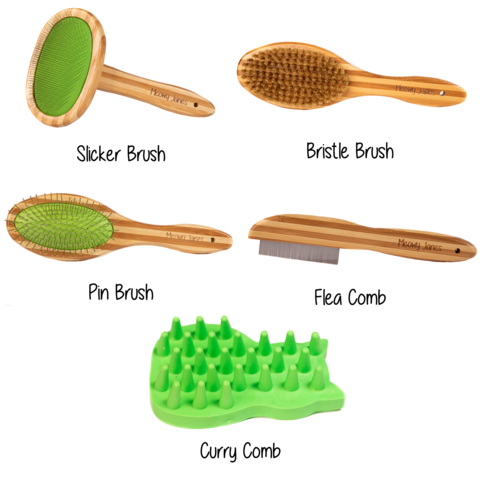
Before you even approach your cat, have all your grooming tools ready. This includes brushes, combs, and nail clippers. Having everything within reach minimizes stress and keeps the process smooth.
3. Introduce The Tools Gradually
Let your cat sniff and investigate the grooming tools before using them. This can reduce their fear and curiosity. Just like meeting a new friend, it’s about building trust.
4. Short Sessions First
Start with short grooming sessions. This helps your cat get used to the sensation without overwhelming them. Gradually increase the time as they become more comfortable.
5. Use Positive Reinforcement
Reward your cat with treats or praise during and after grooming. This creates a positive association with the experience. Over time, your cat may even look forward to grooming as a rewarding activity.
6. Know Your Cat’s Limits
Every cat has a unique tolerance level. Pay attention to signs of stress or discomfort. If your cat becomes agitated, it’s okay to stop and try again later.
7. Patience Is Key
Grooming a cat that hates it requires patience. Remember, your calm demeanor can influence your cat’s behavior. Are you willing to go the extra mile for your cat’s comfort? Grooming doesn’t have to be a dreaded chore. By preparing your cat thoughtfully, you can transform grooming into a bonding experience.
Credit: meowyjanes.com
Techniques For Stress-free Grooming
Grooming a cat that dislikes it can be challenging. Yet, finding stress-free techniques is possible. A calm approach makes the process easier for both you and your cat. Using gentle methods can help in creating a peaceful grooming routine. Let’s explore some effective strategies for minimizing stress during grooming.
Understanding Your Cat’s Preferences
Every cat is unique. Pay attention to what your cat dislikes during grooming. Some cats hate loud noises or sudden movements. Use quieter tools and move slowly. This can help reduce anxiety. Observe your cat’s reactions and adapt your methods accordingly.
Creating A Calm Environment
A tranquil setting can ease a cat’s stress. Dim the lights and play soft music. Speak in a soothing voice. Minimize disruptions by closing doors and windows. A calm atmosphere may help your cat relax during grooming sessions.
Using Positive Reinforcement
Rewarding your cat can make grooming less stressful. Offer treats or praise after each step. Positive reinforcement encourages cooperation. Your cat may begin to associate grooming with positive experiences. This can lessen resistance over time.
Choosing The Right Tools
The right tools make a difference. Select brushes that are gentle on fur. Avoid harsh grooming tools that may cause discomfort. Soft bristles can help minimize irritation. Experiment with different tools to find what your cat prefers.
Short And Frequent Sessions
Long grooming sessions can overwhelm a cat. Keep sessions brief and regular. Groom for a few minutes each day. Frequent, short sessions can be more manageable for a stressed cat. Your cat may gradually become accustomed to the routine.
Seeking Professional Help
If grooming remains difficult, consider professional help. A trained groomer can offer expertise. They can handle your cat with care. Professional grooming may be beneficial for maintaining your cat’s coat. It’s an option worth considering for persistent difficulties.
Building Positive Associations
Creating a calm atmosphere is key for grooming a reluctant cat. Use gentle strokes and soothing words to build trust. Gradually introduce grooming tools, associating them with treats to encourage positive feelings.
Grooming a cat that despises the process can be a real challenge. Yet, it doesn’t have to be a stressful experience for you or your feline friend. Building positive associations can transform grooming from a dreaded chore to a bonding activity. By creating pleasant experiences linked to grooming, you can gradually ease your cat’s discomfort. Let’s dive into some effective techniques to help your cat view grooming in a more positive light.
Start With What Your Cat Loves
Consider what makes your cat purr with joy. Is it a specific treat or a cozy spot on the couch? Use these as rewards during grooming sessions. If your cat loves tuna snacks, offer one before and after brushing. This way, your cat begins to link grooming with a delightful treat.
Consistency Is Key
Consistency helps build trust. Schedule grooming sessions at regular intervals, such as every week on a Sunday afternoon. Your cat will start to anticipate the routine, reducing anxiety over the unexpected. Consistent timing also helps your cat associate grooming with a predictable and calm environment.
Use Gentle Tools
The right grooming tools can make a world of difference. Choose brushes that mimic petting, rather than those that tug or pull. A soft-bristle brush can feel like a gentle massage to your cat. You might even test different brushes to see which one your cat tolerates best. This small change can significantly improve your cat’s grooming experience.
Patience Pays Off
Are you often in a rush to finish grooming? Slow down and take your time. A few minutes spent calmly brushing can be more effective than a hurried session. Focus on what your cat enjoys, like a scratch behind the ears. With patience, your cat will gradually accept and even enjoy grooming.
Engage With Play
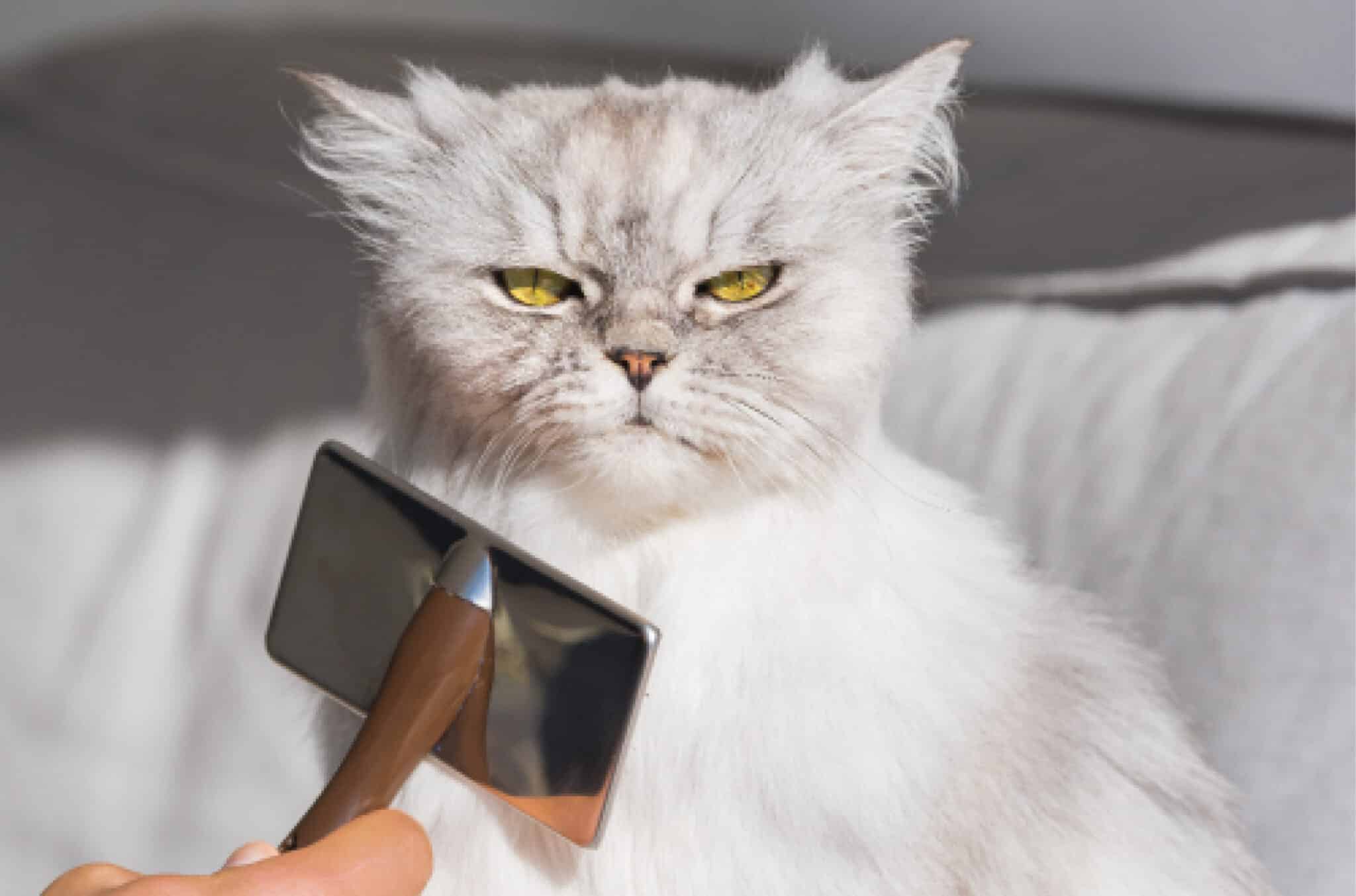
Cats love playtime, so why not combine it with grooming? Before a session, engage your cat in a playful activity. A feather toy or laser pointer can work wonders. Once your cat is relaxed and happy, they may be more receptive to being groomed. Playtime can be a great way to shift your cat’s mood towards positivity. Building positive associations isn’t just about bribing your cat with treats or toys. It’s about creating a safe and enjoyable atmosphere. Have you tried any of these techniques with your cat? What worked best for you?
Credit: www.catster.com
Frequently Asked Questions
How Do You Groom An Unwilling Cat?
Calm your cat with gentle strokes and soothing words. Use treats to build positive associations. Begin grooming slowly with a soft brush. Take breaks if needed, ensuring your cat feels safe. Gradually increase grooming time as your cat becomes more comfortable.
Patience and consistency are key.
How Do You Immobilize A Cat For Grooming?
Use a towel to wrap the cat gently, leaving only the head exposed. Hold the cat firmly yet gently. Ensure a calm environment to reduce stress. Use treats or toys as distractions. Always prioritize the cat’s comfort and safety during grooming.
How Do Groomers Deal With Difficult Cats?
Groomers use gentle techniques and calming methods to handle difficult cats. They prioritize safety, offering breaks and soothing environments. Training and experience help them manage stress and anxiety. Using treats and rewards can encourage cooperation, ensuring a smoother grooming session.
How Do You Sedate A Cat At Home For Grooming?
Consult your vet for safe sedative options. Use cat-friendly calming sprays or treats. Create a quiet environment. Comfort your cat with gentle handling. Avoid self-medicating without professional advice.
How Can I Calm My Cat For Grooming?
Use treats to distract. Play soothing music. Gentle words. Create a relaxing environment. It helps ease stress.
Conclusion
Grooming a cat that dislikes it can be challenging. Patience helps a lot. Try using treats as rewards. This makes grooming a positive experience. Start with short grooming sessions. Gradually increase the time. Use gentle strokes and soft brushes. Speak in a calm voice.
This helps soothe your cat. Always watch for signs of stress. Stop if your cat becomes anxious. Consistency is key. Make it a routine. Over time, your cat may get used to grooming. Remember, every cat is unique. Find what works best for yours.

Hi, I’m Taylor Morgan, the heart behind CATWhisk! As a lifelong cat enthusiast with a passion for feline care and behavior, I focus on providing reliable, practical, and engaging advice to cat parents everywhere. From health tips to fun DIY projects, my mission is to help you and your whiskered companions live your best lives together.