Last Updated on April 28, 2026
Have you ever looked into those pleading eyes of your furry companion and wondered, “How much should I feed my cat per day?” You’re not alone.
Many cat owners find themselves puzzled by this question. Feeding your cat the right amount is crucial for their health and happiness. Too little, and you risk malnutrition. Too much, and you could face obesity-related health issues. But don’t worry, you’re about to discover the perfect feeding plan tailored just for your feline friend.
Imagine the peace of mind knowing you’re giving your cat exactly what they need. Stick with us, and you’ll learn the secrets to ensuring your cat thrives. Ready to dive in? Let’s get started!
Credit: greensafaris.com
Factors Affecting Cat’s Diet
Cats, like humans, have unique dietary needs. Feeding them correctly ensures good health and happiness. Various factors influence how much food your feline friend requires. Understanding these elements can help you make informed decisions about your cat’s diet.
Age
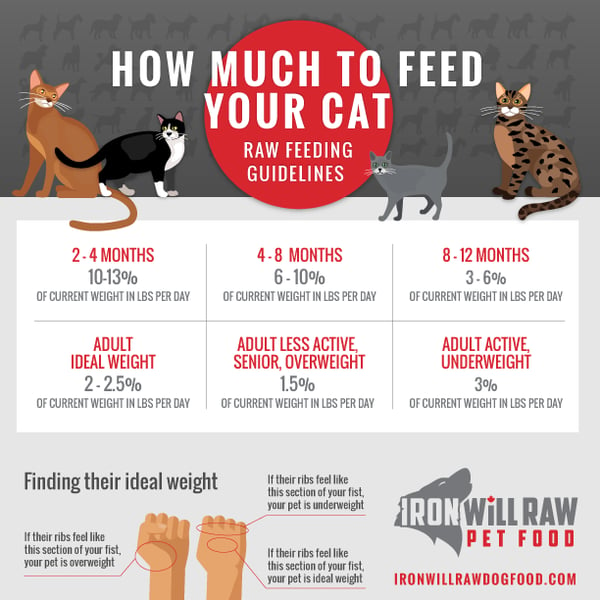
Kittens need more food than adult cats. Their growing bodies require extra nutrients. Senior cats may need fewer calories to maintain a healthy weight. Adjusting portion sizes according to age is crucial for overall health.
Weight
Overweight cats should eat less. Obesity can lead to health issues. Underweight cats may need more food to gain healthy weight. Regularly checking your cat’s weight helps in adjusting their diet.
Activity Level
Active cats burn more calories. They may require more food to fuel their energy. Less active cats or indoor cats might need fewer calories. Tailor their diet to match their activity level.
Health Conditions
Certain health conditions affect dietary needs. Diabetic cats might need a special diet. Cats with kidney issues often require low-protein food. Consult a vet for personalized dietary advice.
Type Of Food
Dry and wet foods have different calorie content. Wet food usually contains fewer calories per serving. Dry food is often more calorie-dense. Choose the right type of food based on your cat’s needs.
Breed
Some breeds have specific dietary requirements. Larger breeds may need more food. Smaller breeds might require less. Research your cat’s breed to understand its dietary needs better.
Credit: www.consolata.org
Determining The Right Portion
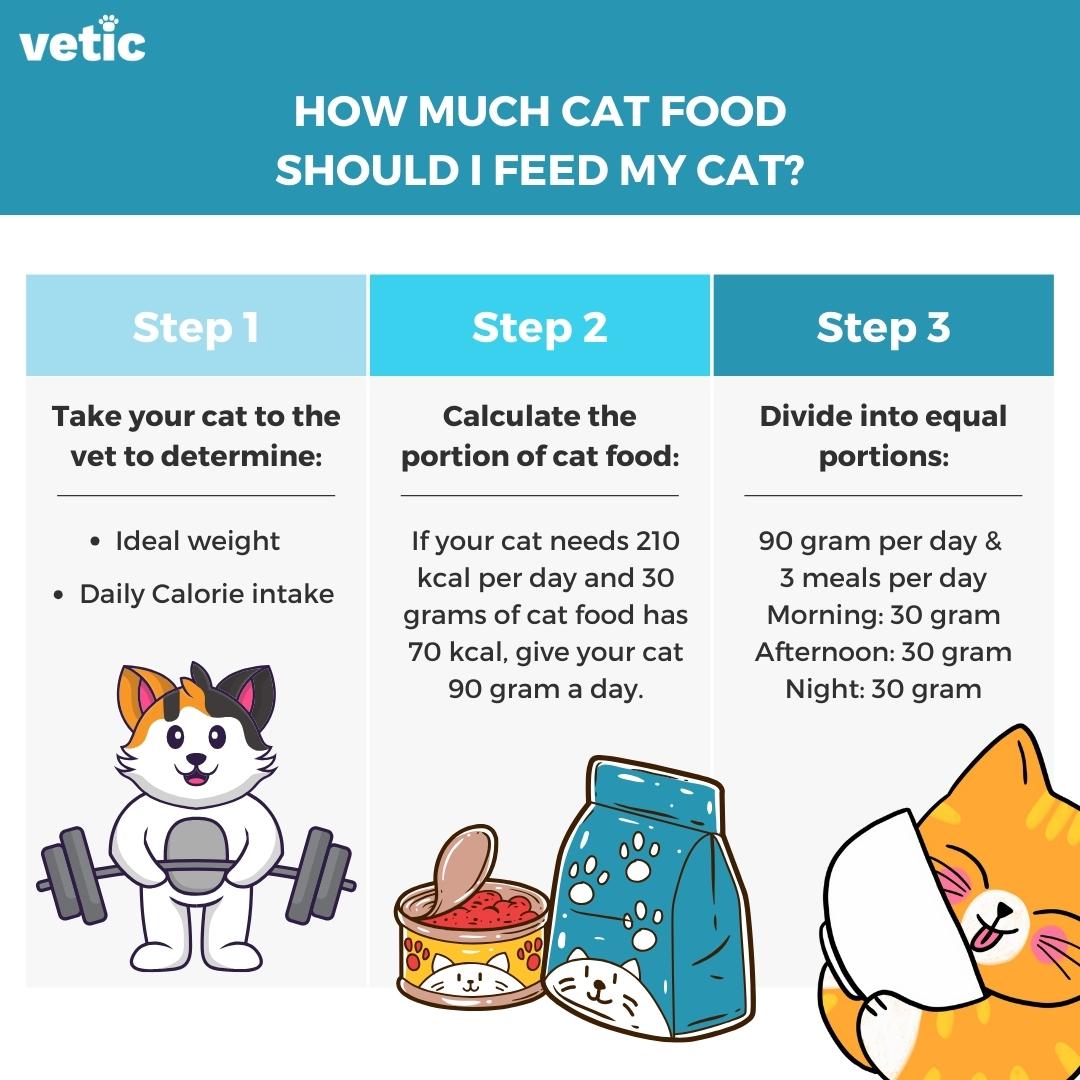
Understanding the right portion size for your cat is crucial. It ensures they remain healthy and energetic. Cats, like humans, need balanced nutrition. The amount you feed them can vary. It depends on age, weight, and activity level. Overfeeding can lead to obesity, while underfeeding may cause malnutrition. Determining the right portion involves knowing specific dietary needs. Let’s explore how to ensure your cat gets the perfect portion every day.
Understanding Your Cat’s Age And Weight
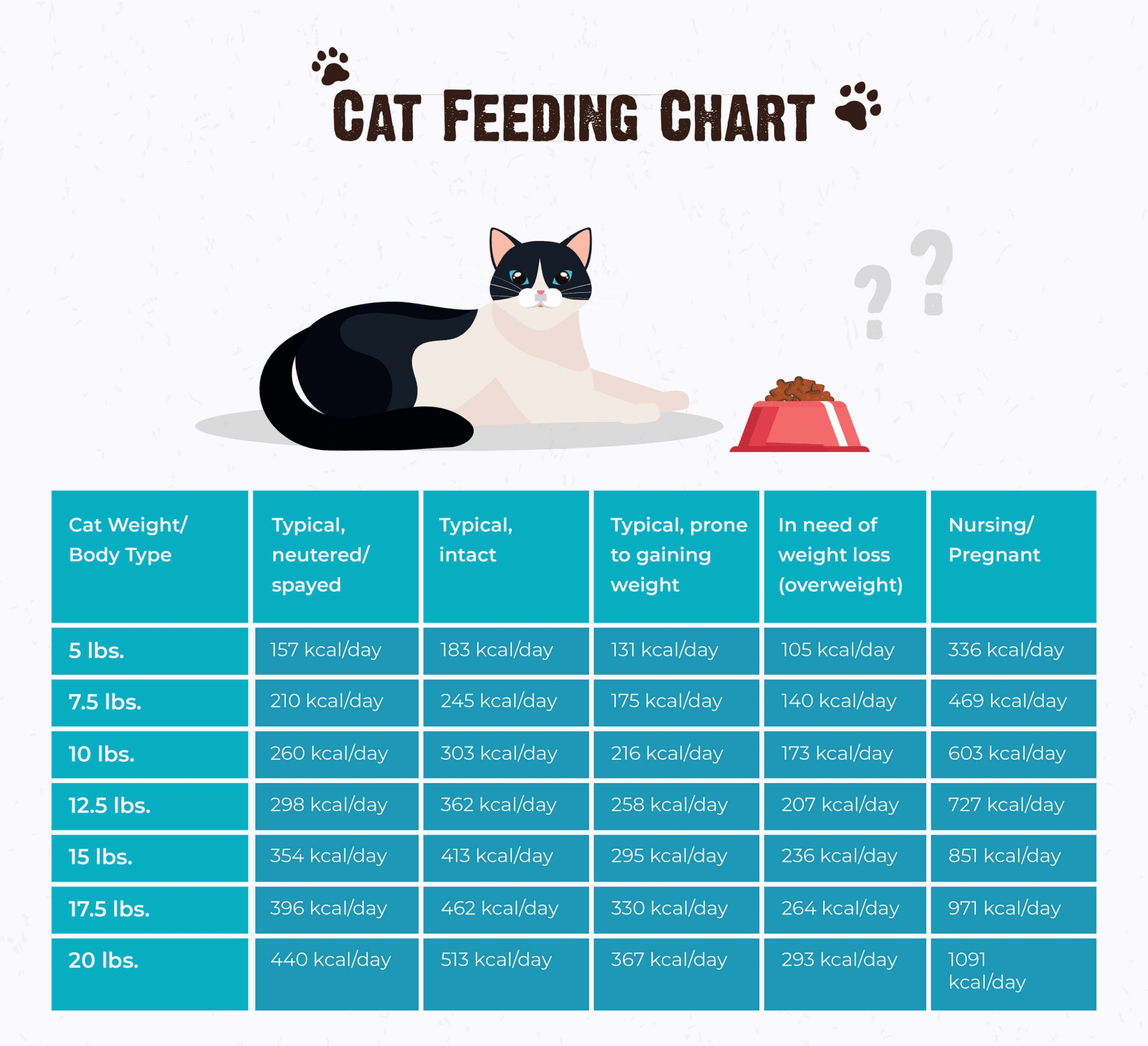
Age affects your cat’s feeding needs. Kittens need more frequent meals for growth. Adult cats have stable dietary needs. Senior cats may require special diets. Weight also plays a role. A heavier cat might need fewer calories. A lighter cat may need more to maintain weight. Always check with a vet for specific guidance.
Activity Level And Metabolism
Active cats burn more calories. They need larger portions. Lazy cats need less food. Metabolism varies between cats. Some have fast metabolism, needing more food. Others have slower metabolism, needing less. Adjust portions based on activity and metabolism.
Consulting With A Veterinarian
Vets provide expert advice. They understand your cat’s unique needs. Regular check-ups help monitor weight. Vets recommend specific portions and feeding schedules. They can suggest diet changes if necessary. Trust their guidance for optimal cat health.
Choosing The Right Type Of Food
Food type impacts portion size. Wet food often requires larger portions. Dry food is more concentrated. Quality matters. High-quality food provides better nutrition. Always read labels for portion recommendations. Choose food that suits your cat’s lifestyle and health needs.
Adjusting Meals For Special Needs
Determining the right amount of food for your cat depends on age, size, and activity level. Consult your vet for personalized advice. Always ensure fresh water is available.
Feeding your cat the right amount of food each day is crucial for their health and happiness. However, some cats have special dietary needs that require you to adjust their meals. Whether your cat has a medical condition, is overweight, or is a picky eater, tailoring their diet can make a significant difference. Let’s dive into how you can ensure your cat gets the nutrition they need.
Adjusting Meals For Cats With Medical Conditions
When your cat has a medical condition, like diabetes or kidney disease, their dietary needs change. It’s vital to work closely with your vet to create a meal plan that supports their health. For diabetic cats, focus on a high-protein, low-carbohydrate diet. This helps regulate their blood sugar levels effectively. For cats with kidney issues, a diet lower in protein and phosphorus can help ease their kidney workload. Consult your vet to find suitable food options.
Feeding Overweight Cats
Is your cat carrying a few extra pounds? Adjusting their meal portions can aid in weight management. Switch to a low-calorie cat food and monitor portion sizes. This can help them shed excess weight without feeling hungry all the time. Consider using interactive feeders or toys to encourage physical activity. This makes mealtime fun while keeping your cat active.
Addressing Picky Eaters
A picky eater can be a challenge, but there are ways to overcome their finicky habits. Experiment with different food textures and flavors to find what your cat prefers. Cats can have strong preferences, much like us. Try warming their food slightly before serving. This can enhance the aroma, making it more enticing for your cat.
Catering To Senior Cats
Senior cats often require adjustments in their diet due to changing nutritional needs. Opt for senior cat food that is easier to digest and contains joint-supporting ingredients. Monitor their eating habits closely. A sudden change in appetite can signal health issues requiring attention. Remember, every cat is unique. What works for one might not work for another. How do you plan to adjust your cat’s meals to suit their special needs?
Credit: wb-iisg.com
Frequently Asked Questions
Is 1 Cup Of Cat Food Too Much?
The right amount of cat food depends on the cat’s age, weight, and activity level. Generally, 1 cup might be too much for smaller or less active cats. Always check feeding guidelines on the packaging and consult your veterinarian for personalized advice.
Adjust portions based on your cat’s needs.
How Much Food Should A Cat Eat A Day?
Adult cats typically need 24 to 35 calories per pound each day. Adjust based on activity level and health. Consult a vet for personalized guidance. Provide fresh water alongside meals for hydration.
What Is The 25 Rule For Cat Food?
The 25% rule for cat food means the product must contain at least 25% of the named ingredient. This rule ensures the food’s primary ingredient is accurately represented on the label, providing transparency for pet owners.
How Many Cups Of Food Are Good For A Cat?
Cats typically need 1/4 to 1/2 cup of dry food daily. Portion varies by age, weight, and activity level. Monitor your cat’s health and adjust accordingly. Always provide fresh water alongside meals. Consult your vet for personalized feeding advice.
How Do I Determine The Right Portion Size For My Cat?
Check your cat’s weight and age. Look at food packaging guidelines. Adjust based on activity level.
Conclusion
Feeding your cat the right amount is crucial. It keeps them healthy. Consider their age, weight, and activity level. Cats need a balanced diet. Consult your vet for personalized advice. Small portions throughout the day work best. Watch their weight and adjust as needed.
Keep fresh water available at all times. Your cat’s well-being depends on good feeding habits. Stay informed and attentive. A healthy cat is a happy cat. Take time to understand their needs. It leads to a longer, healthier life. Your furry friend will thank you.

Hi, I’m Taylor Morgan, the heart behind CATWhisk! As a lifelong cat enthusiast with a passion for feline care and behavior, I focus on providing reliable, practical, and engaging advice to cat parents everywhere. From health tips to fun DIY projects, my mission is to help you and your whiskered companions live your best lives together.