Last Updated on April 28, 2026
Is your furry friend acting a bit more hyper than usual, or perhaps losing weight despite having a ravenous appetite? If so, you might be dealing with hyperthyroidism in cats, a common condition that affects felines, especially as they age.
Understanding this condition is crucial for your cat’s health and happiness. You’ll discover the causes behind hyperthyroidism, explore the treatment options available, and learn about the best dietary choices to support your cat’s well-being. Keep reading to ensure your beloved pet stays as healthy and vibrant as possible!
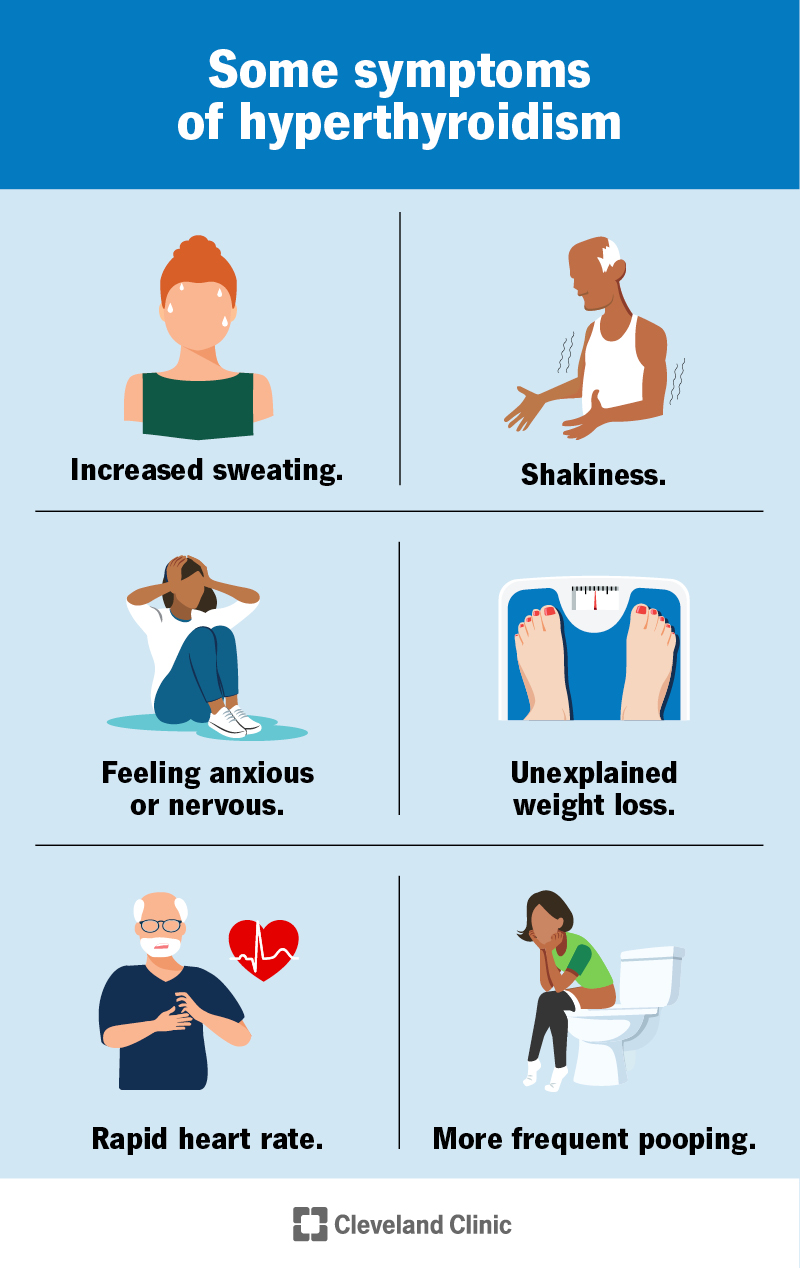
Credit: my.clevelandclinic.org
Causes Of Hyperthyroidism In Cats
Hyperthyroidism in cats is a common condition affecting older felines. It results from an overproduction of thyroid hormones. Understanding the causes is crucial for effective treatment. This knowledge can help manage your cat’s health better.
Environmental Factors
Exposure to certain chemicals may trigger hyperthyroidism. Some household products contain these harmful substances. Cats may also ingest chemicals from grooming. Pay attention to the cleaning products you use.
Dietary Influence
Diet plays a role in thyroid health. Some commercial cat foods are high in iodine. High iodine levels can affect thyroid function. Choose your cat’s diet carefully. Consult with your vet about suitable food options.
Genetic Predisposition
Some cats are genetically predisposed to hyperthyroidism. Breeds like Siamese and Himalayan may be more at risk. Knowing your cat’s breed can help in early detection.
Age Factor
Older cats are more prone to hyperthyroidism. The condition is rare in cats under 8 years. Regular check-ups are crucial as your cat ages. Early detection leads to better management.

Credit: journals.sagepub.com
Treatment Options
Hyperthyroidism in cats is a common endocrine disorder. It leads to an overproduction of thyroid hormones. These hormones can cause significant health issues. Fortunately, there are various treatment options available. Each option has its own set of benefits and considerations. Understanding these treatments can help manage the condition effectively.
Treatment Option 1: Medication
Medication is often the first choice for treating hyperthyroidism in cats. Antithyroid drugs help control hormone production. They reduce symptoms and improve quality of life. This approach requires regular vet visits for monitoring. It helps ensure the medication is working effectively.
Treatment Option 2: Radioactive Iodine Therapy
Radioactive iodine therapy is another effective treatment. This method involves a single injection. It targets and destroys overactive thyroid tissue. Most cats tolerate this treatment well. It often leads to permanent resolution of hyperthyroidism. Owners should note that isolation after treatment is necessary.
Treatment Option 3: Surgery
Surgical removal of the thyroid gland can be a viable option. This treatment is suitable for certain cases. It requires anesthesia and careful planning. Surgery offers a permanent cure for hyperthyroidism. Pre-surgical assessments are crucial to reduce risks.
Treatment Option 4: Dietary Management
Dietary management is an emerging strategy. Special diets are designed to limit iodine intake. This helps control thyroid hormone levels. Nutritional changes can support other treatments. It’s essential to consult a vet before changing your cat’s diet.
Choosing the right treatment depends on various factors. These include the cat’s age, health status, and owner preferences. Consulting with a veterinarian can guide you to the best option. Each treatment aims to improve the cat’s health and life quality.
Diet Tips For Managing Hyperthyroidism
Cats with hyperthyroidism need special diets to manage their condition. Certain nutrients help stabilize thyroid levels. Feeding a balanced diet can support their overall health and treatment.
Managing hyperthyroidism in cats can be challenging, especially when it comes to their diet. As a cat owner, you want to ensure your feline friend is getting the right nutrition to support their health and well-being. Diet plays a crucial role in managing hyperthyroidism, and with some thoughtful choices, you can help your cat lead a more comfortable life. Let’s dive into some practical tips that can make a real difference.
Choose Low-iodine Foods
A low-iodine diet can be beneficial for cats with hyperthyroidism. Iodine is a key element in thyroid hormone production. By opting for low-iodine foods, you can help manage your cat’s condition. Look for specially formulated cat foods that are designed to support thyroid health. Have you checked with your vet about iodine levels in your cat’s diet?
Prioritize High-quality Protein
Protein is essential for maintaining muscle mass and energy levels. Select high-quality protein sources like chicken or fish. These not only provide the necessary nutrients but are also easily digestible. A friend of mine noticed her cat’s energy levels improved significantly after switching to a protein-rich diet.
Monitor Portion Sizes
Overfeeding can exacerbate hyperthyroid symptoms. It’s important to control portion sizes to avoid unnecessary weight gain. Use a measuring cup to ensure your cat gets the right amount of food. Are you mindful of how much your cat eats each day?
Include Omega-3 Fatty Acids
Omega-3 fatty acids can help reduce inflammation and support heart health. Consider adding fish oil supplements to your cat’s diet. These can be mixed into their food easily. Omega-3s have been shown to support overall health in hyperthyroid cats. Have you considered this addition to your cat’s meals?
Avoid Artificial Additives
Artificial additives can be harmful and may worsen symptoms. Choose natural, wholesome foods without unnecessary fillers or preservatives. Reading labels carefully can make all the difference. Do you check the labels on your cat’s food?
Hydration Is Key
Ensure your cat stays well-hydrated, as dehydration can lead to further complications. Provide fresh water at all times, and consider wet food options to increase water intake. A neighbor once shared how adding a water fountain encouraged her cat to drink more. How do you ensure your cat gets enough water? Taking these diet tips into consideration can greatly support your cat’s health journey. Remember, every cat is unique, and what works for one might not work for another. Always consult with your veterinarian to tailor the best diet plan for your feline friend.
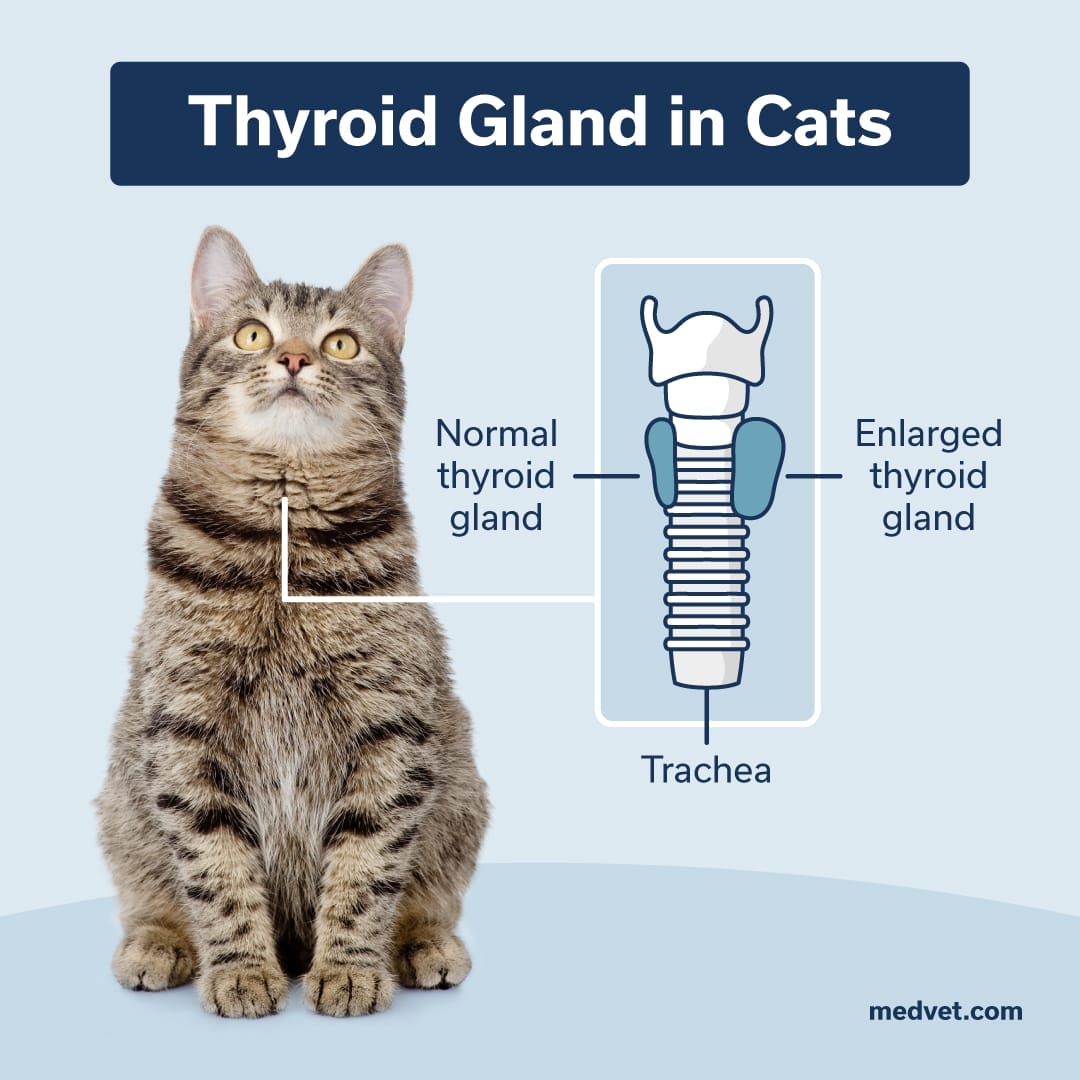
Credit: www.medvet.com
Frequently Asked Questions
What Is The Best Diet For A Cat With Hyperthyroidism?
A low-iodine diet, like Hill’s Prescription Diet y/d, is ideal for cats with hyperthyroidism. It helps manage thyroid hormone levels effectively. Consult your veterinarian for personalized dietary recommendations and monitor your cat’s health closely. Proper nutrition can greatly improve your cat’s quality of life.
How To Reverse Hyperthyroidism In Cats?
Treat hyperthyroidism in cats with medication, surgery, or radioactive iodine therapy. Consult a vet for the best treatment.
What Is The Best Food For Cats With Hyperthyroidism Pets At Home?
For cats with hyperthyroidism, choose a low-iodine diet like Hill’s Prescription Diet y/d. Consult your vet for personalized advice.
How Long Can A 15 Year Old Cat Live With Hyperthyroidism?
A 15-year-old cat with hyperthyroidism can live several more years with proper treatment. Regular vet visits, medication, and a balanced diet can improve longevity and quality of life. Each cat’s lifespan varies based on individual health and response to treatment.
Always consult a veterinarian for personalized advice.
Conclusion
Caring for a cat with hyperthyroidism requires attention to detail. Understanding causes helps manage the condition better. Treatment options range from medication to surgery. Regular vet visits ensure proper care. Diet plays a crucial role. Balanced nutrition supports overall health.
Consult your vet for dietary advice. Early detection improves outcomes. Watch for signs like weight loss and increased appetite. With the right care, cats live comfortably. Your commitment makes a difference. Keep your furry friend healthy and happy. Stay informed and proactive.
Your cat relies on you.
Hi, I’m Taylor Morgan, the heart behind CATWhisk! As a lifelong cat enthusiast with a passion for feline care and behavior, I focus on providing reliable, practical, and engaging advice to cat parents everywhere. From health tips to fun DIY projects, my mission is to help you and your whiskered companions live your best lives together.