Last Updated on April 28, 2026
Are you wondering how to keep your feline friend healthy at every stage of their life? Understanding the cat vaccination schedule by age is crucial for ensuring your beloved pet remains protected from various diseases.
Whether you have a playful kitten, an adventurous adult, or a gentle senior cat, vaccinations play a vital role in their overall well-being. You’ll discover a simple and clear guide to the essential vaccinations your cat needs as they grow.
Imagine the peace of mind knowing you’re providing the best care possible for your furry companion. By following the right vaccination schedule, you can prevent serious health issues and enjoy more happy moments with your cat. Dive in to learn more about the specific vaccines recommended for kittens, adults, and seniors, and how you can make informed decisions for your pet’s health. Your cat deserves the best protection, and you’re just a few steps away from learning how to provide it.
:strip_icc()/adult-cat-vaccination-schedule-4846632_V2-31ce9ac5ef8141e3a7f4cf2b2886eeca.jpg)
Credit: www.thesprucepets.com
Core Vaccines For Kittens
Ensuring kittens receive core vaccines is essential for their health. Vaccination schedules differ by age, covering kitten, adult, and senior stages. Protecting against diseases like rabies and feline distemper is crucial. Regular vet visits ensure timely updates to their vaccination schedule.
Vaccinating your kitten is a vital step in ensuring their health and well-being. Core vaccines are the essential vaccines that every kitten should receive. These vaccines protect against life-threatening diseases and set the foundation for a healthy life. As a pet parent, understanding the core vaccines will help you make informed decisions for your furry friend.
What Are Core Vaccines?
Core vaccines are those recommended for all cats, regardless of their lifestyle. They protect against diseases that are widespread and can be severe. These vaccines are crucial in preventing common feline illnesses.
Feline Viral Rhinotracheitis
Feline Viral Rhinotracheitis is a common upper respiratory infection in cats. It can cause sneezing, coughing, and nasal discharge. Vaccination helps reduce the severity of symptoms and prevents the spread to other cats.
Calicivirus
Calicivirus is another upper respiratory infection that can affect kittens. It can lead to ulcers in the mouth and pneumonia. Vaccination is key in protecting your kitten from severe illness and ensuring they remain playful and energetic.
Panleukopenia (feline Distemper)
Panleukopenia is a highly contagious viral disease. It can cause vomiting, diarrhea, and a decrease in white blood cells. Vaccination against panleukopenia is critical, as it can be fatal, especially in young kittens.
Rabies
Rabies is a viral disease that affects the nervous system. It is transmitted through the bite of an infected animal and is lethal. Vaccinating your kitten against rabies is not only crucial for their safety but also a legal requirement in many areas.
When To Start Vaccinating?
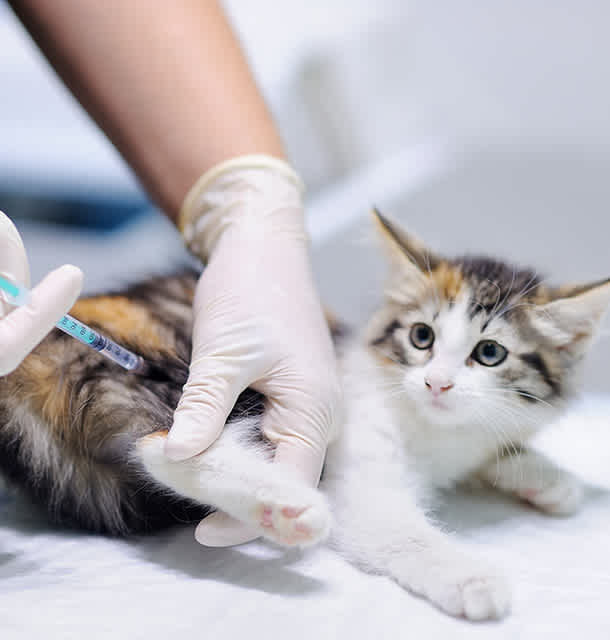
Kittens should start their vaccination schedule around six to eight weeks of age. Early vaccination is important as it helps protect them during their vulnerable early months. Your vet will guide you on the exact schedule based on your kitten’s health and lifestyle. Vaccinating your kitten is an investment in their future. It ensures they grow up healthy and happy. Have you started your kitten’s vaccination journey yet?
Credit: www.smalldoorvet.com
Adult Cat Vaccination
Cats need vaccinations throughout their lives. Kittens, adults, and seniors each have specific schedules. Protect your cat’s health by following these guidelines. Regular vet visits ensure they’re up-to-date and safe from diseases. Tailor vaccination plans according to their age and lifestyle for optimal protection.
As your cat transitions from a playful kitten to a mature adult, their health needs evolve significantly. One of the crucial aspects of maintaining their well-being is ensuring they receive the right vaccinations. Adult cats require specific vaccines to protect against diseases they might encounter in their daily life. Keeping up with these vaccinations is essential for safeguarding your furry friend’s health. Let’s dive into what you need to know about adult cat vaccination.
Understanding The Core Vaccines
Core vaccines are essential for every adult cat. They include protection against feline distemper, feline herpes virus, and feline calicivirus. These diseases are highly contagious and can be life-threatening. Your vet will likely recommend a booster shot for these core vaccines every one to three years. This schedule ensures your cat maintains immunity against these common threats.
Non-core Vaccines: Do You Need Them?
Non-core vaccines are determined by your cat’s lifestyle and environment. If your adult cat goes outdoors, interacts with other animals, or travels frequently, they might need additional protection. Discuss with your vet about vaccines for feline leukemia virus or bordetella. These are not necessary for every cat, but might be crucial for those with specific risk factors.
Annual Health Check: More Than Just Vaccines
Vaccinations are a vital part of your cat’s annual health check. However, these appointments also allow your vet to assess your cat’s overall health. During these visits, your vet can spot early signs of health issues. This proactive approach can prevent severe problems down the line.
Personal Experience: Why Regular Updates Matter
I remember skipping my cat Max’s booster once. He seemed fine, but later caught a virus from a neighbor’s cat. It taught me the importance of regular updates. Missing a vaccine can leave your cat vulnerable to diseases. How do you ensure your cat stays healthy? Regular vaccination is one key step you can take.
Questions To Discuss With Your Vet
Your vet is your best resource for understanding your cat’s vaccination needs. Ask them about the right vaccines for your cat’s age and lifestyle. Discuss any concerns you have about vaccine safety and efficacy. Your vet can provide reassurance and guidance based on the latest research. These conversations help ensure you make informed decisions about your cat’s health. Vaccinating your adult cat is a straightforward yet crucial task. Keeping up with their vaccination schedule ensures they remain healthy and happy for years to come. How do you plan to keep your cat protected?
Booster Shots And Maintenance
Ensuring your cat receives booster shots and maintains a healthy immune system is crucial. These shots help reinforce the protection provided by initial vaccines. They combat diseases that can threaten your cat’s well-being. Understanding the schedule for booster shots can seem overwhelming, but it is essential for your pet’s health.
What Are Booster Shots?
Booster shots are follow-up vaccines given after the initial dose. They strengthen your cat’s immunity against diseases. These shots are necessary for maintaining effective protection. Booster shots help your cat’s body remember how to fight specific diseases.
Why Booster Shots Matter
Booster shots ensure your cat remains protected. Over time, the effectiveness of initial vaccines can diminish. These follow-up doses renew and enhance immunity. They safeguard your cat from infections and illnesses.
Kitten Booster Schedule
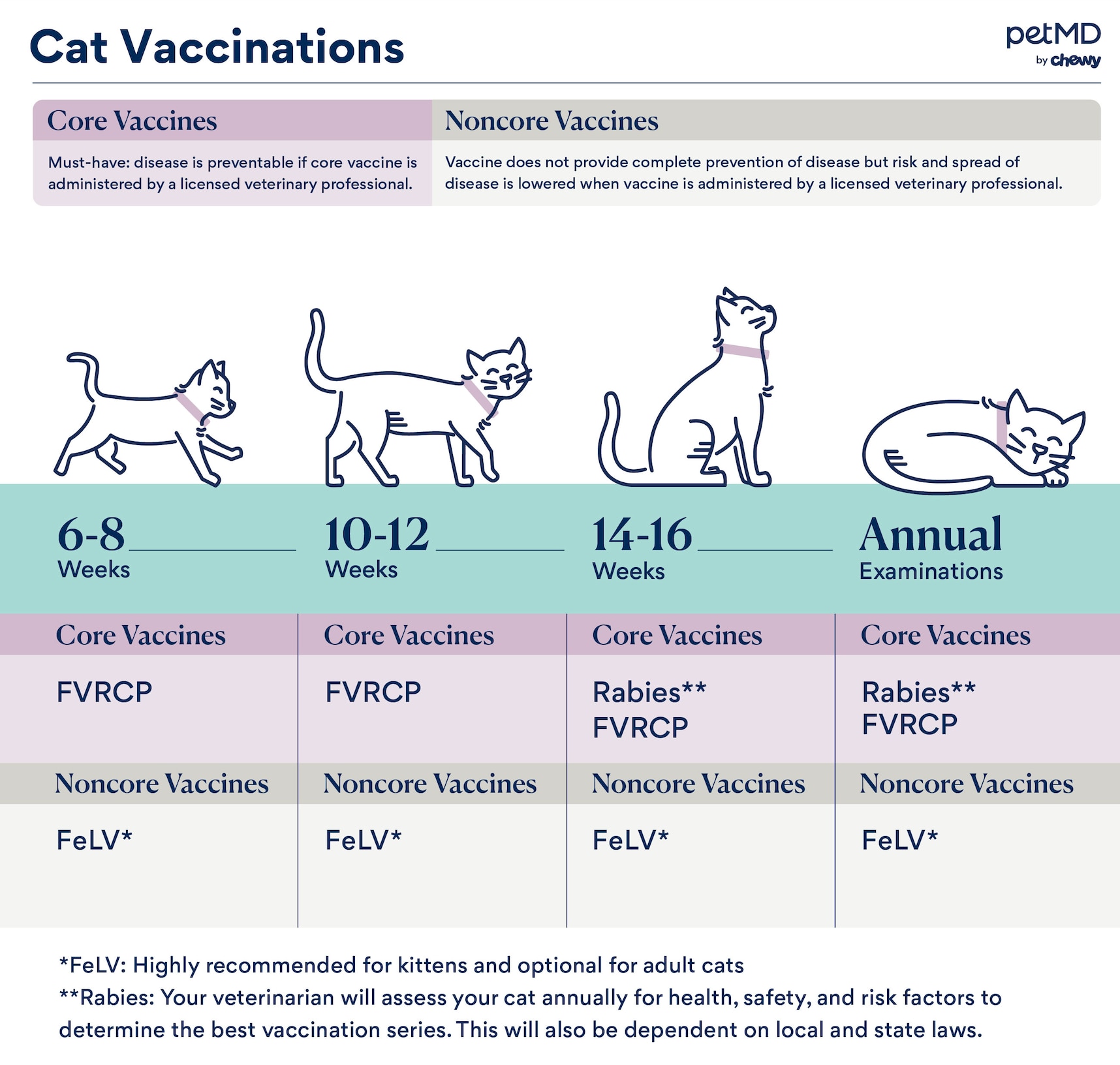
Kittens require several booster shots in their first year. These shots start around 6-8 weeks of age. They continue every few weeks until the kitten is 16 weeks old. This schedule establishes strong immunity early in life.
Adult Cat Booster Schedule
Adult cats need booster shots every one to three years. The schedule depends on the vaccine type and veterinary advice. Regular boosters ensure ongoing immunity. They help prevent diseases common in adult cats.
Senior Cat Booster Schedule
Senior cats may require fewer booster shots. Their schedule is tailored to health needs and lifestyle. Consult a vet for specific recommendations. Keeping senior cats protected is still important.
Maintenance Between Boosters
Maintain your cat’s health between boosters with regular vet check-ups. Monitor for any signs of illness or changes in behavior. A balanced diet and exercise also support overall health. Regular grooming and hygiene play a role in disease prevention.
Credit: www.petmd.com
Frequently Asked Questions
What Is The Schedule For Adult Cat Vaccinations?
Adult cats need vaccinations annually. Core vaccines include rabies and FVRCP (feline viral rhinotracheitis, calicivirus, panleukopenia). Some cats may require non-core vaccines based on lifestyle and risk factors. Consult your vet for personalized advice. Regular boosters help maintain immunity and protect your cat’s health.
What Is The 3:2:1 Rule In Cats?
The 3:2:1 rule in cats refers to a guideline for diagnosing malignant tumors. It suggests further investigation if a mass persists for 3 months, grows larger than 2 centimeters, or increases in size after 1 month. This helps veterinarians determine the need for a biopsy or removal.
At What Age Do You Stop Vaccinating Your Cat?
Cats should receive vaccinations throughout their lives. Regular booster shots are essential for adult cats. Consult your vet for specific recommendations based on your cat’s health and lifestyle. Continuous vaccinations help prevent diseases and maintain your cat’s well-being.
What Shots Do Kittens Need And At What Age?
Kittens need core vaccines like FVRCP at 6-8 weeks, then every 3-4 weeks until 16 weeks. Rabies vaccination is given at 12-16 weeks. Consult your veterinarian for specific requirements based on your region. Regular vet visits ensure your kitten stays healthy.
Conclusion
Caring for your cat means keeping up with vaccinations. Protect kittens with their first shots. Adults need boosters to stay healthy. Seniors may require adjustments based on their health. Regular vet visits help you track your cat’s needs. Vaccinations prevent diseases and ensure a happier life.
Consult your vet for a tailored schedule. Each cat is unique, and their vaccination needs vary. Stay informed and proactive. Your cat’s health depends on it. With proper care, your feline friend enjoys a long, joyful life. Keep your companion safe and thriving through every life stage.

Hi, I’m Taylor Morgan, the heart behind CATWhisk! As a lifelong cat enthusiast with a passion for feline care and behavior, I focus on providing reliable, practical, and engaging advice to cat parents everywhere. From health tips to fun DIY projects, my mission is to help you and your whiskered companions live your best lives together.