Last Updated on April 28, 2026
Taking your cat to the vet can sometimes feel like a daunting mission. The mere sight of the carrier can send your feline friend into a frenzy, with claws out and a look that clearly says, “Not today!”
But what if there was a way to make vet visits less stressful for both you and your cat? Imagine a scenario where your cat willingly walks into the carrier and remains calm throughout the entire journey. Sounds like a dream, right?
By focusing on carrier training and creating a peaceful experience, you can transform these trips into a smooth and stress-free process. Stick around, because we’re about to unravel the secrets that will make your cat’s vet visits a breeze.
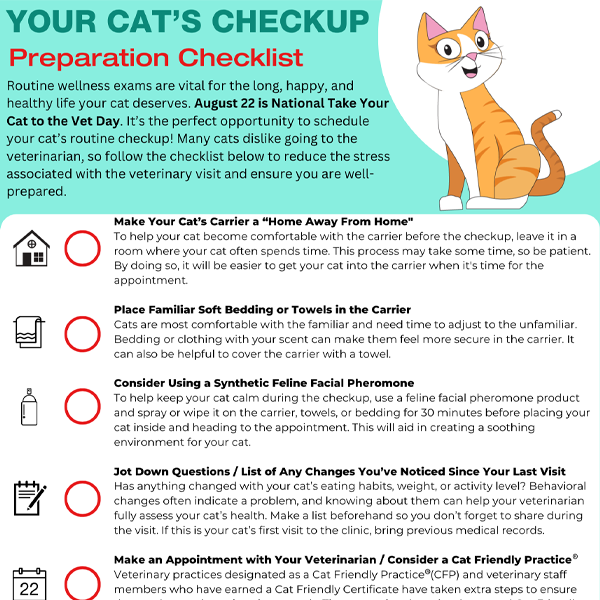
Credit: catfriendly.com
Choosing The Right Carrier
Choosing the right carrier helps your cat feel safe during vet visits. A comfortable carrier reduces stress. Proper training makes the journey smoother.
Preparing your cat for a vet visit can be a daunting task, especially if your feline friend is not used to a carrier. Choosing the right carrier is an essential first step in ensuring calm visits. A good carrier not only keeps your cat safe but also helps reduce stress during the trip.
Understanding Different Types Of Carriers
There are several types of carriers available, each with its own advantages. Soft-sided carriers are lightweight and easy to store, making them a popular choice. However, hard-sided carriers provide more protection and are easier to clean if your cat has an accident.
Size Matters
Ensure the carrier is roomy enough for your cat to stand, turn around, and lie down comfortably. A cramped space can increase anxiety and make the vet visit more challenging. Measure your cat before purchasing to ensure you select an appropriate size.
Ventilation And Visibility
Good ventilation is crucial for your cat’s comfort and health. Look for carriers with plenty of mesh or perforated panels. While some cats prefer a view, others might feel safer with limited visibility. Observe your cat’s behavior to decide which option suits them best.
Ease Of Access
Choose a carrier with multiple access points. Top-loading carriers can make it easier to gently place your cat inside. Side doors can also help when your cat is reluctant to leave the carrier at the vet.
Comfort Features
Consider carriers with padded interiors or add a soft blanket or towel. Familiar scents can provide comfort and reduce stress. You could use an old t-shirt that smells like you to make the carrier feel more like home.
Stability During Travel
A stable carrier minimizes jostling, which can frighten your cat. Look for carriers with a sturdy base. If you’ve ever experienced a wobbly ride with your pet, you know how unsettling it can be for both of you.
Safety And Security
Ensure all latches and zippers are secure. A panicked cat might try to escape if they feel threatened. Regularly check the carrier for any wear and tear that could compromise safety.
Ease Of Cleaning
Accidents happen, especially when your cat is nervous. Choose a carrier with removable and washable liners. It’s easier to keep clean and ensures your cat always has a fresh environment. Selecting the right carrier can significantly impact how your cat feels about vet visits. Have you considered what your cat’s preferences might be? The right choice can transform a dreaded trip into a manageable routine.

Credit: www.youtube.com
Positive Association Techniques
Preparing your cat for the vet can be a challenging task. Cats often resist changes and new environments. Positive association techniques help your cat feel safe and comfortable. These methods build trust and reduce anxiety.
Creating A Pleasant Carrier Environment
Make the carrier a friendly place. Place soft bedding inside. Add your cat’s favorite toys. Leave the carrier open at home. Encourage your cat to explore it freely. This helps them associate the carrier with comfort.
Using Treats And Rewards
Reward your cat for entering the carrier. Use small, tasty treats. Praise your cat with a gentle voice. Reinforce positive behavior. Over time, your cat will learn the carrier means good things.
Gradual Exposure To The Carrier
Start carrier training weeks before the vet visit. Introduce the carrier slowly. Place it in areas where your cat spends time. Let them sniff and investigate. Gradual exposure reduces fear.
Calming Scents And Sounds
Use calming scents like lavender. Play soft, soothing music near the carrier. These elements help your cat relax. Familiar scents and sounds ease stress.
Short Practice Trips
Take your cat on short trips in the carrier. Drive around the block. Keep trips brief and calm. This prepares your cat for longer journeys. Practice trips reduce travel anxiety.
Consistency Is Key
Be consistent with training. Use the same techniques regularly. Cats learn through repetition. Consistent effort builds trust. Your cat will feel more secure.
Creating A Calm Environment
Preparing your cat for a vet visit can be stressful. Creating a calm environment is crucial. It ensures a smoother experience for both you and your cat.
Setting The Right Atmosphere
Start by choosing a quiet space at home. Avoid loud noises and sudden movements. These can make your cat anxious.
Familiar Scents And Sounds
Use familiar scents to comfort your cat. A favorite blanket or toy can help. Play soothing music to ease their nerves.
Warm And Cozy Spaces
Ensure their carrier is cozy. Add soft bedding inside. A warm environment makes them feel secure.
Practice Calm Handling
Handle your cat gently. Speak in a soft, calm voice. This builds trust and reduces stress.
Gradual Exposure To Carrier
Let your cat explore the carrier. Leave it open in their space. They become familiar with it over time.
Using Treats And Rewards
Offer treats to encourage calm behavior. Reward them for entering the carrier. Positive reinforcement works wonders.
Consistent Routine
Maintain a consistent routine. Routine provides comfort and predictability. It helps reduce anxiety in your cat.
Credit: www.caldervets.co.uk
Frequently Asked Questions
How To Calm A Cat Before A Vet Appointment?
Create a calm environment by playing soothing music. Use a carrier with familiar bedding. Offer treats and gentle petting. Spray pheromone diffusers to reduce anxiety. Engage in playtime to distract them before leaving.
How Do You Keep Cats Calm In Carriers?
Use familiar bedding or toys in the carrier. Spray cat pheromones for comfort. Keep the carrier covered while traveling. Offer treats and praise to encourage calm behavior. Regularly practice short trips to reduce anxiety.
How To Prepare A Cat For A Vet Visit?
Acclimate your cat to its carrier by leaving it open at home with treats inside. Use calming sprays or pheromones. Schedule the appointment when your cat is calm. Bring familiar items like a blanket or toy. Stay calm and speak softly to keep your cat relaxed.
How To Train A Cat To Be Comfortable In Carrier?
Start with placing treats inside the carrier. Gradually increase time spent inside. Use calming scents or familiar blankets. Practice short trips, gradually extending duration. Reward your cat after each session to create positive associations.
How Do I Train My Cat To Use A Carrier?
Start by placing the carrier in a familiar space. Let your cat explore it with treats and toys inside.
Conclusion
Preparing your cat for vet visits takes time and patience. Carrier training makes each trip smoother. Familiarize your cat with the carrier. This reduces stress during vet visits. Practice short journeys in the carrier. Reward your cat with treats. Calm cats have better vet experiences.
Your efforts bring peace to your feline friend. Regular vet visits ensure your cat stays healthy. A calm approach benefits both you and your pet. Your vet will notice the difference. Cats feel secure when trained properly. With patience, vet visits become less stressful.

Hi, I’m Taylor Morgan, the heart behind CATWhisk! As a lifelong cat enthusiast with a passion for feline care and behavior, I focus on providing reliable, practical, and engaging advice to cat parents everywhere. From health tips to fun DIY projects, my mission is to help you and your whiskered companions live your best lives together.