

Last Updated on February 18, 2026
Imagine this: you’re relaxing at home, enjoying some downtime with your furry feline friend, when suddenly, an unsettling thought crosses your mind. Could those pesky cat fleas actually find their way into your hair?
You’re not alone in wondering about this. Whether you’re a cat owner or just someone who loves animals, the idea of these tiny intruders hopping onto you is enough to make anyone shudder. We’ll uncover the truth about cat fleas and their relationship with humans, dispelling myths and providing you with peace of mind.
Don’t let the itch of curiosity get the best of you—read on to find out everything you need to know and keep your home a comfortable, flea-free zone.
Contents
Cat Fleas And Their Behavior
Understanding cat fleas and their behavior helps in managing them. These tiny pests thrive on warmth and blood. They are common in households with pets.
Fleas are wingless insects. They jump from host to host. Their favorite hosts are cats and dogs. Yet, they can also bite humans.
What Do Cat Fleas Look Like?
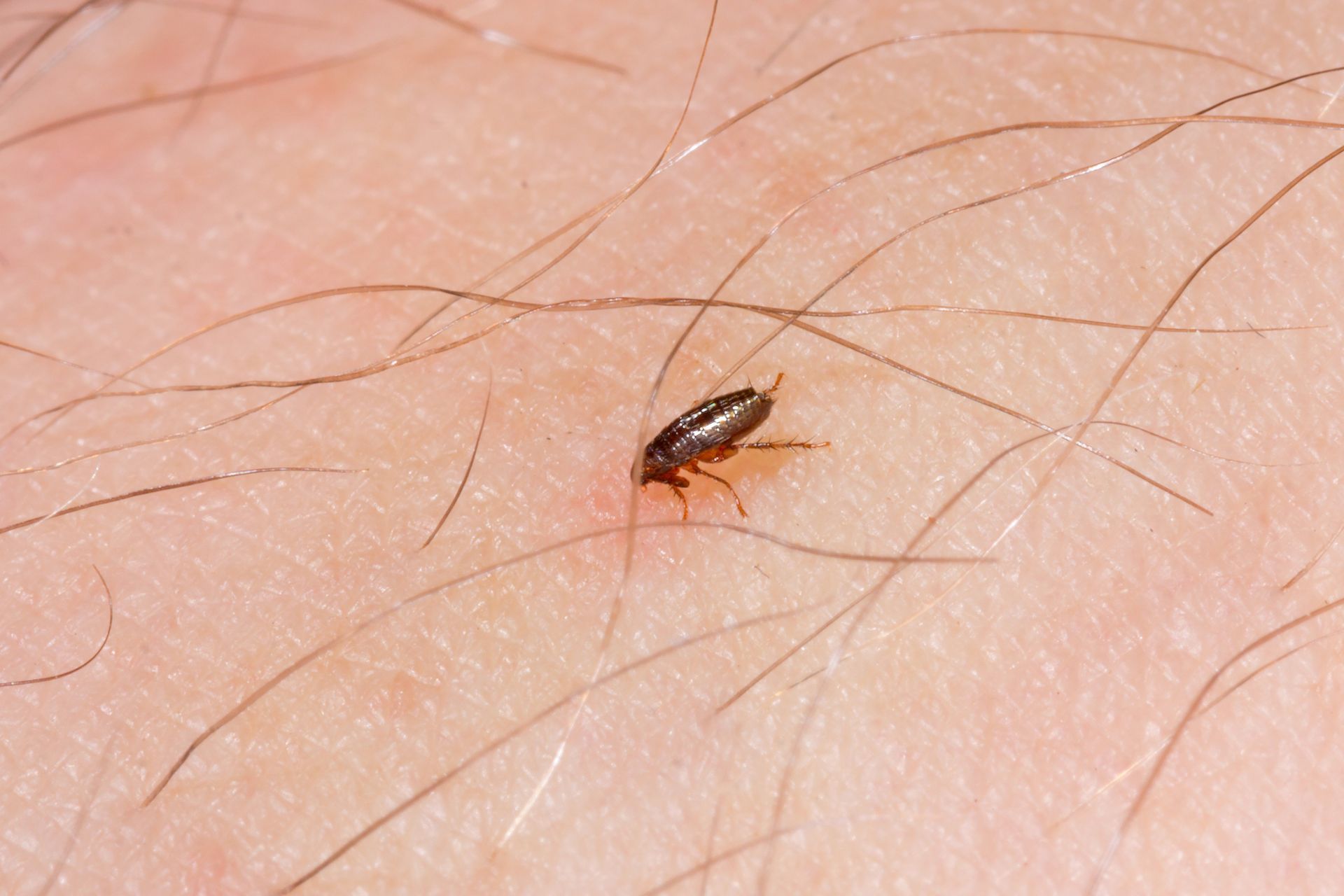
Adult cat fleas are small and brown. They are about 1/8 inch long. Their bodies are flat and hard. This shape helps them move through fur easily.
Fleas have strong legs. They can jump up to 7 inches high. This helps them find new hosts.
How Do Cat Fleas Reproduce?
Cat fleas reproduce rapidly. A female flea lays about 20 eggs daily. These eggs fall off the host into the environment.
Eggs hatch into larvae. Larvae then turn into pupae. Finally, they become adult fleas.
Do Cat Fleas Prefer Cats Over Humans?
Fleas prefer cats due to their fur. This fur offers warmth and hiding spots. They rarely live on humans.
Human hair doesn’t provide the same environment. But fleas might bite humans for a quick meal.
Can Cat Fleas Survive On Human Hair?
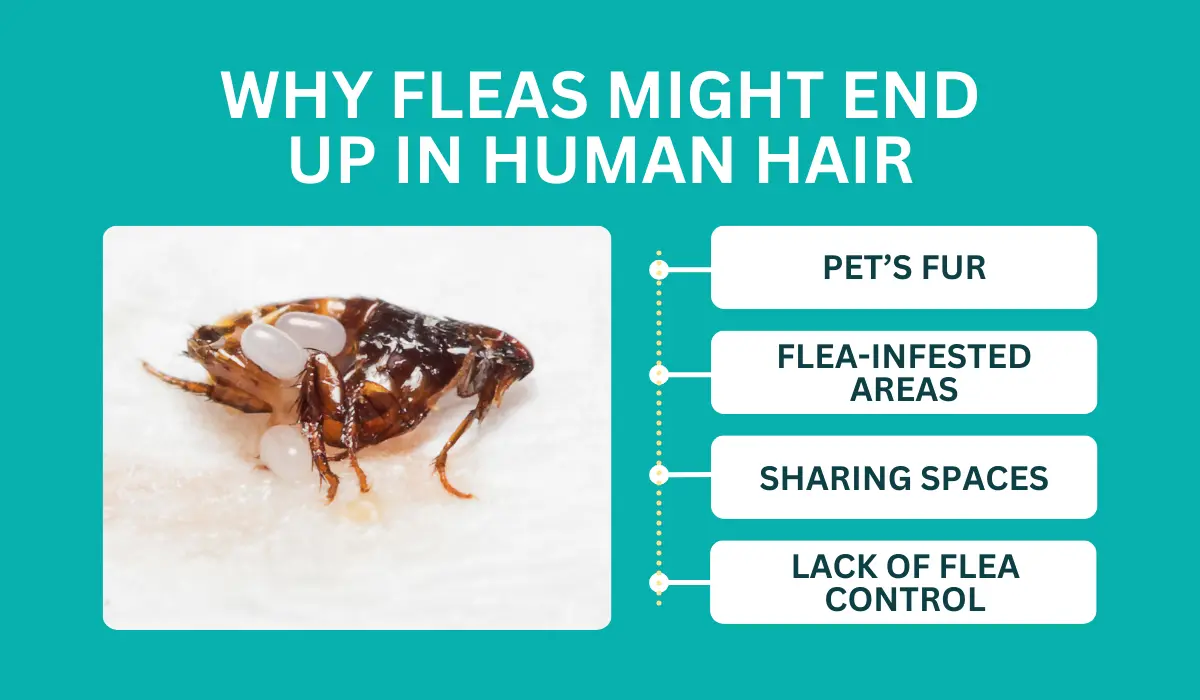
Cat fleas rarely live in human hair. Our hair doesn’t suit their needs. They prefer fur-covered hosts.
Fleas may jump onto humans temporarily. But they do not stay long.

Credit: www.ecoguardpestmanagement.com
Fleas And Human Interaction
Fleas are tiny creatures that can cause big problems. These pests are often associated with pets. Cats and dogs are common hosts. But fleas can affect humans too. Understanding fleas and human interaction is essential. It helps in preventing infestations and discomfort.
Fleas And Their Attraction To Humans
Fleas prefer animal hosts. They thrive on the blood of dogs and cats. But humans are not immune. Fleas can bite humans. Especially when pets are not around. These bites can cause irritation. Itching is a common symptom. Fleas may jump on humans. They can bite exposed skin. Though they rarely live on humans, they can linger.
Can Fleas Live In Human Hair?
Fleas do not nest in human hair. Human scalps are not suitable for fleas. They lack the necessary environment. Fleas prefer dense fur. Human hair does not provide that. But fleas may temporarily jump into hair. Especially during close contact with infested pets. They may seek refuge but do not remain long.
How Fleas Affect Human Skin
Flea bites are itchy and annoying. They cause redness and swelling. Some people may experience allergic reactions. Bites often appear in clusters. Ankles and legs are common targets. Fleas feed for short periods. Their bites can be very uncomfortable. Keeping pets flea-free reduces human exposure.
Steps To Prevent Flea Infestation
Regular grooming of pets is crucial. Use flea treatments and check for signs. Vacuuming helps remove fleas from carpets. Wash pet bedding frequently. Keeping pets indoors minimizes exposure. Awareness and vigilance are key. Preventing flea infestations protects both pets and humans.
Preventing Flea Infestations
Flea infestations can be a troublesome experience for both pets and humans. Cats, being furry companions, can sometimes invite these pests into our homes. Understanding how to prevent flea infestations is crucial. Keeping fleas away protects your home and your pet’s health.
Understanding Flea Behavior
Fleas thrive in warm and humid environments. They leap onto hosts, feed, and reproduce rapidly. Knowing their behavior helps in preventing infestations. They prefer furry animals, but they can jump on humans briefly.
Regular Pet Grooming
Regular grooming helps in catching fleas early. Brush your cat’s fur frequently. Use flea combs to remove fleas and eggs. Bathe your pet with flea-repellent shampoos. This reduces the chances of infestation.
Maintain A Clean Home
Vacuum your home regularly to remove fleas and eggs. Focus on carpets, upholstery, and pet bedding. Wash pet bedding with hot water weekly. Cleanliness disrupts flea life cycles.
Use Preventive Products
Use flea collars and spot-on treatments for pets. These products repel fleas effectively. Consult a vet for suitable options. Prevention is easier than dealing with infestations.
Seal Entry Points
Seal cracks and gaps around windows and doors. Fleas can enter through these small spaces. Keeping entry points sealed reduces the risk of infestation.
Monitor Outdoor Areas
Keep your yard tidy and trim tall grass. Fleas often breed in outdoor areas. Maintain a flea-free environment outside to prevent indoor infestations.
Regular Veterinary Checkups
Regular vet visits ensure your pet’s health. Vets can spot fleas early and offer advice. They provide treatments tailored to your pet’s needs.
Credit: www.ecoguardpestmanagement.com
Credit: www.nativepestmanagement.com
Frequently Asked Questions
How Long Can Cat Fleas Live On Human Hair?
Cat fleas rarely live on human hair. They prefer animals as hosts. Fleas may bite humans, causing itching. Regular cleaning and pet treatment prevent infestations. Fleas can’t survive long without their preferred host.
Will A Shower Get Rid Of Fleas On Humans?
A shower can help remove fleas from humans by washing them away. Use warm water and soap to cleanse affected areas. Thoroughly clean hair and skin to eliminate fleas and their eggs. Showering reduces flea presence but doesn’t guarantee complete removal.
Seek further treatment if necessary.
How Do I Tell If I Have Fleas In My Hair?
Check for itchy scalp, red bumps, or small black specks. Use a fine-toothed comb to detect fleas. Fleas may jump when disturbed. Consider consulting a healthcare professional for confirmation and treatment.
Can Cat Fleas Go Into My Hair?
Cat fleas rarely infest human hair. They prefer pets like cats and dogs for feeding. Occasionally, they may jump onto humans but don’t live on human hair. Regular pet grooming and home cleaning help prevent flea issues. Consult a vet for effective flea treatments to protect your pets and home.
Conclusion
Cat fleas rarely settle in human hair. They prefer fur. But they might bite humans, causing itchiness. Regular cleaning helps prevent flea infestations at home. Use anti-flea products for pets regularly. This keeps both pets and humans safe. If fleas persist, consult a vet.
Professional advice ensures proper treatment. Stay vigilant and maintain cleanliness. Protect your home from fleas effectively. Understanding flea behavior aids in prevention. Keep your living space flea-free. Prioritize health for both pets and people. Simple steps make a big difference.
Stay proactive in managing flea issues.

Hi, I’m Taylor Morgan, the heart behind CATWhisk! As a lifelong cat enthusiast with a passion for feline care and behavior, I focus on providing reliable, practical, and engaging advice to cat parents everywhere. From health tips to fun DIY projects, my mission is to help you and your whiskered companions live your best lives together.