
Last Updated on June 17, 2026
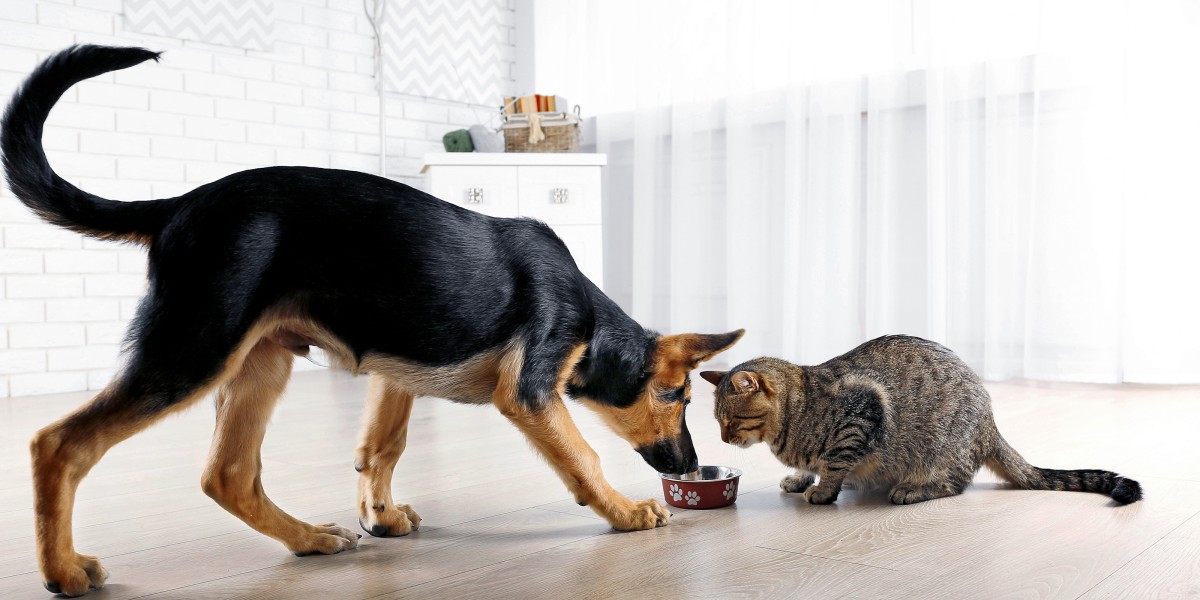
Imagine the scene: you just filled your cat’s bowl with food, and before you know it, your curious pup is already munching away at it. Is it safe?
Can dogs eat cat food? This question might have crossed your mind more than once. It’s crucial to know what your furry friends are ingesting. You want the best for your pet, ensuring they stay healthy and happy. In this blog, you’ll discover the surprising truths about whether your dog can safely indulge in a feline feast.
Keep reading to uncover the facts that could impact your pet’s well-being and give you peace of mind.

Credit: www.usatoday.com
Nutritional Differences
Understanding the nutritional differences between dog and cat food is essential. Dogs and cats have different dietary needs. Their bodies process nutrients differently. This section will explore why dog food and cat food are not interchangeable.
Nutrient Profiles Of Dog Food
Dog food is crafted for omnivores. It contains a balance of proteins, carbohydrates, and fats. Dogs need a variety of nutrients for energy. Vitamins and minerals play a crucial role. Fiber content is also higher in dog food. This supports their digestive system. Dogs thrive on diverse ingredients.
Nutrient Profiles Of Cat Food
Cat food is designed for carnivores. Cats require high protein levels. Taurine is a vital amino acid for cats. Cat food contains more fat than dog food. This provides them with needed energy. Cats need specific vitamins for their health. They have a higher need for vitamin A. Arginine is another essential amino acid for cats.
Protein Content: Dogs Vs. Cats
Protein is a key component in both diets. Dog food contains moderate protein levels. Cat food contains much higher protein levels. Cats need more protein for energy. Dogs can process plant-based proteins. Cats must have animal-based proteins. This difference affects their health and energy.
Fat Levels In Dog And Cat Food
Fat content varies between dog and cat food. Dogs need moderate fat for energy. Cats require higher fat for their metabolism. This helps them maintain body temperature. Fat also supports their skin and fur health. Both need fats for cell function.
Carbohydrate Needs: Dogs Vs. Cats
Dogs can digest carbohydrates well. Their diet includes grains and vegetables. Cats have limited carbohydrate processing ability. Their diet focuses on proteins and fats. Overloading cats with carbs can cause issues. Understanding this can prevent health problems.
:strip_icc()/GettyImages-1137504605-4ea3ceec185f4d1e9dc39fb71f8ae04c.jpg)
Credit: www.fireline.com
Potential Health Risks
Many pet owners wonder about feeding dogs cat food. Cat food might seem harmless, but it can pose risks. Understanding these risks is crucial for your dog’s health.
Protein Imbalance
Cat food has high protein levels. Dogs need less protein. Excess protein can strain a dog’s kidneys. This may lead to health issues over time.
Fat Content Concerns
Cat food often has more fat. Dogs consuming too much fat can gain weight. Obesity in dogs leads to other health problems.
Nutrient Deficiency
Cat food lacks nutrients dogs need. Dogs require specific vitamins and minerals. Eating cat food can cause deficiencies. This impacts their overall well-being.
Digestive Issues
Dogs have different digestive systems. Cat food may upset their stomachs. This can result in vomiting or diarrhea.
Long-term Consequences
Feeding dogs cat food regularly can cause chronic issues. Kidney problems and malnutrition are potential risks. It’s important to choose the right food for your dog.
Occasional Benefits
Have you ever wondered if your dog can benefit from eating cat food? While it’s not advisable to regularly feed your dog cat food, occasional consumption might offer some advantages. Dogs, like humans, sometimes crave a change in their diet. A small amount of cat food can be a tasty treat that satisfies their curiosity and provides a boost in certain nutrients.
Benefits Of Protein Boost
Cat food is high in protein. Dogs who are very active or have specific dietary needs might benefit from the extra protein now and then. Imagine your dog after a long day of running and playing; a bit of cat food could provide that extra energy they need.
Variety And Taste
Dogs can get bored with their regular meals. Introducing a different flavor can make meal times exciting again. If you’ve ever seen your dog’s tail wagging with joy at a new treat, you know the importance of variety.
Emergency Situations
Sometimes, you might run out of dog food unexpectedly. In these cases, a small serving of cat food can be a temporary solution. It’s not ideal, but it’s better than letting your dog go hungry.
Boosting Appetite
Some dogs are picky eaters. Adding a little cat food to their meals can stimulate their appetite. You might notice them showing more enthusiasm at mealtime, which can be a relief if your dog has been less interested in food.
Now, consider this: does your dog show interest in cat food? While occasional benefits exist, it’s important to ensure your dog’s diet remains balanced and primarily consists of food formulated for their specific needs. What has been your experience with mixing up your dog’s diet? Have you ever used cat food as a treat or emergency option? Share your thoughts below!
Credit: www.purina.com
Frequently Asked Questions
What Can Happen If A Dog Eats Cat Food?
Dogs eating cat food can lead to digestive upset, obesity, and nutrient imbalances. Cat food lacks certain nutrients vital for dogs and contains excess protein and fat. Long-term consumption may harm your dog’s health. Always ensure your dog eats food specifically formulated for them to avoid health issues.
What Cat Food Is Ok For Dogs?
Dogs can occasionally eat cat food, but it shouldn’t replace their diet. Cat food is high in protein and fat, which is unhealthy for dogs long-term. Always prioritize dog food for balanced nutrition and consult a vet if unsure.
Is It Okay To Give Cat Food To A Dog?
Feeding dog cat food is not recommended. Dogs require different nutrients than cats. Cat food can cause nutritional imbalances and digestive issues in dogs. Always choose food specifically formulated for your pet’s species to ensure their health and well-being. Consult a veterinarian for personalized advice.
What Happens If My Dog Eats A Cat?
Consuming a cat can lead to serious health issues for your dog. Consult a veterinarian immediately for guidance and treatment. Signs of distress include vomiting, diarrhea, or lethargy. Prompt attention is crucial to prevent complications. Always monitor pets to avoid such incidents and ensure their safety.
Can Dogs Safely Eat Cat Food?
Cat food isn’t ideal for dogs. It lacks nutrients dogs need. Sometimes, it may cause digestive issues.
Conclusion
Feeding dogs cat food isn’t the best choice. Their needs differ. Dogs require a balanced diet tailored for them. Cat food lacks essential nutrients for dogs. Occasionally, a nibble might not harm, but don’t make it a habit. Always consult a vet if unsure.
Healthy dogs need the right food. Keep them happy and safe with proper meals. Consider quality dog food options. Your furry friend deserves the best care. Prioritize their health with suitable nutrition. Remember, a well-fed dog is a happy dog.
Choose wisely for your pet’s well-being.

Hi, I’m Taylor Morgan, the heart behind CATWhisk! As a lifelong cat enthusiast with a passion for feline care and behavior, I focus on providing reliable, practical, and engaging advice to cat parents everywhere. From health tips to fun DIY projects, my mission is to help you and your whiskered companions live your best lives together.