

Last Updated on February 18, 2026
Imagine this: you’ve just cleaned your cat’s litter box, and suddenly, you notice something moving. Could it be fleas?
If you’re a cat owner, this scenario might send a shiver down your spine. Fleas are notorious for their itchy bites and relentless nature, and the idea of them lurking in your cat’s litter box is unsettling. But is it possible?
Can fleas really live in cat litter, making it a breeding ground for more trouble? The thought of fleas invading your home through your cat’s litter box is enough to make anyone uneasy. You want to ensure the safety and comfort of your feline friend, as well as maintain a clean and pest-free environment. Knowing whether fleas can thrive in cat litter is crucial for your peace of mind and your pet’s well-being. In this blog post, we’ll dive into the truth behind this common concern. By the end, you’ll have a clear understanding of the relationship between fleas and cat litter, and you’ll be equipped with practical tips to keep your home flea-free. Stay with us, and let’s uncover the reality together.
Credit: www.pawtracks.com
Contents
Flea Life Cycle
The flea life cycle is key to understanding their presence in homes. These tiny pests have four distinct stages: egg, larva, pupa, and adult. Each stage plays a role in their survival and reproduction. Knowing the life cycle helps in combating fleas effectively.
Egg Stage
Fleas lay eggs on their host, often a cat. These eggs are tiny, oval, and white. They easily fall off into the environment. Cat litter can become a landing spot for these eggs. Warm, humid conditions speed up egg hatching. This makes litter boxes a potential breeding ground.
Larva Stage
After hatching, flea larvae emerge. They are blind and avoid light. They feed on organic matter, including adult flea feces. Larvae thrive in dark, damp places. Litter boxes offer the perfect environment for growth. Keeping the area clean disrupts this stage.
Pupa Stage
Larvae spin cocoons, entering the pupa stage. This stage is very resilient. Pupae can remain dormant for weeks. They wait for the right conditions to emerge as adults. Vibrations or warmth can trigger emergence. Litter boxes can provide such stimuli.
Adult Stage
Adult fleas emerge ready to feed. They seek a host to begin the cycle again. Without intervention, fleas quickly multiply. Regular cleaning of litter boxes helps prevent infestations. Understanding this cycle aids in effective flea control strategies.
Credit: www.litter-robot.com
Cat Litter Environment
The cat litter environment plays a crucial role in your pet’s hygiene. It is a small ecosystem that can affect your cat’s health. Understanding this environment helps maintain cleanliness and prevent pests.
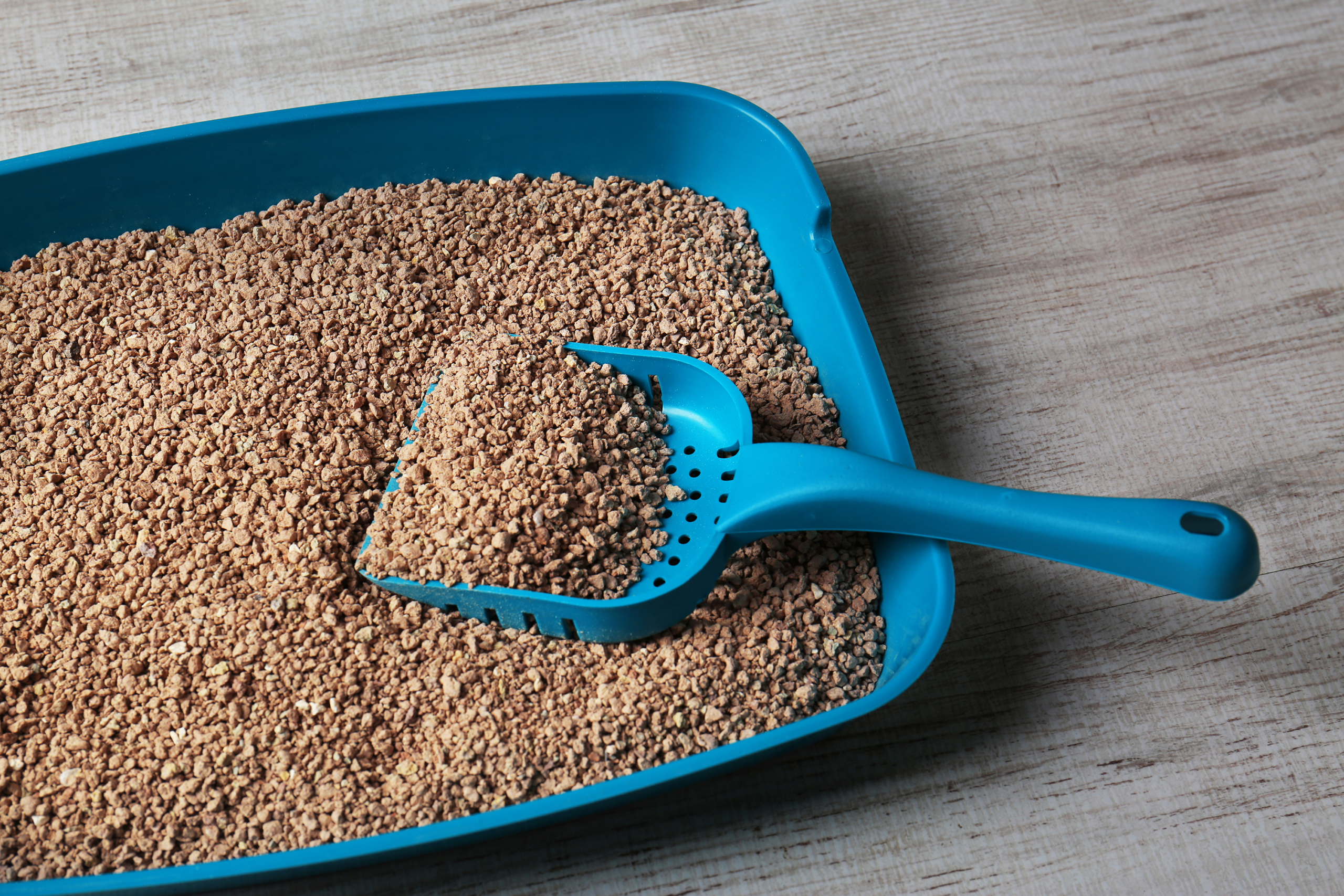
What Attracts Fleas To Cat Litter?
Fleas seek warmth and moisture. Cat litter often provides these conditions. If the litter remains damp, it becomes a breeding ground. Regular cleaning reduces this risk.
Types Of Cat Litter And Their Impact
Clay litter absorbs moisture but can retain warmth. This can encourage flea presence. Silica gel litter offers less warmth, reducing flea attraction. Consider using less absorbent litter to deter fleas.
Maintaining A Clean Litter Box
Cleaning the litter box frequently is vital. This helps remove any flea eggs or larvae. Use a mild disinfectant for a thorough cleanse. Ensure the box is dry before adding fresh litter.
Signs Of Flea Infestation
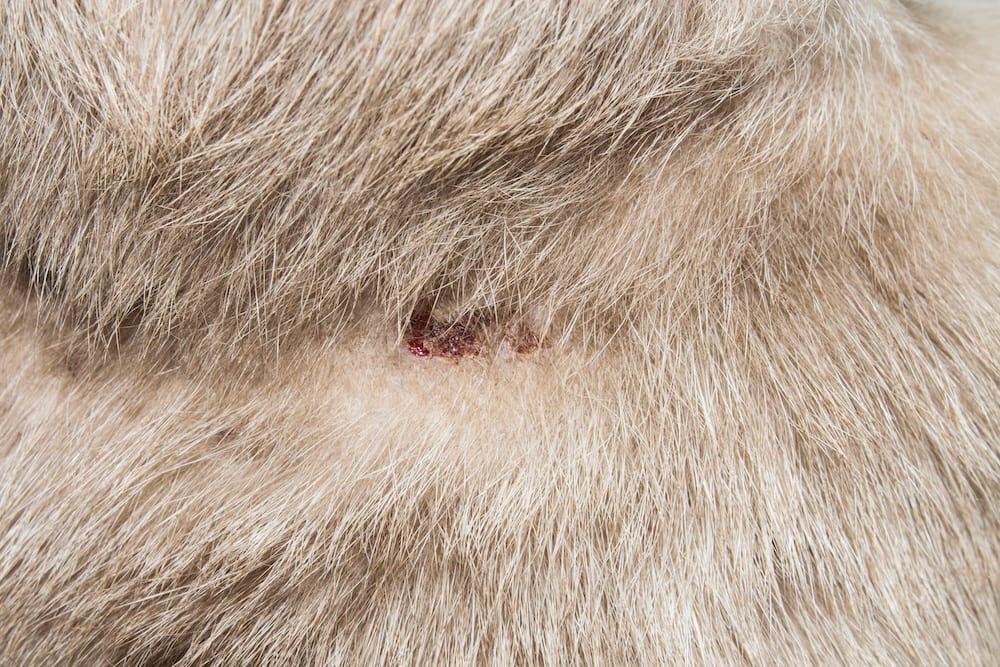
Inspect the litter for tiny black specks. These are flea droppings. Check your cat for excessive scratching. These are common indicators of fleas.
Preventive Measures For Fleas
Regularly wash your cat’s bedding. Vacuum areas around the litter box. This removes flea eggs and larvae. Consult a vet for flea prevention products.
Preventing Flea Infestations
Fleas can sometimes thrive in cat litter, especially if it’s damp and dirty. Regular cleaning of the litter box helps prevent infestations. Use flea treatments for cats to keep these pests at bay.
Preventing flea infestations in your home is crucial, especially if you have pets like cats. Fleas can be a nuisance, not only for your furry friends but also for you. They can cause discomfort, allergic reactions, and even transmit diseases. But can fleas actually live in cat litter? The good news is, while they might find their way into the litter box, it’s not their ideal environment. However, prevention is always better than dealing with an infestation. Let’s explore how you can keep these pesky bugs at bay.
Maintain Cleanliness In Your Home
Regular cleaning is your first line of defense against fleas. Vacuum carpets and furniture frequently to catch any fleas and eggs before they spread. Wash your cat’s bedding and toys in hot water to kill any lurking pests. A clean environment makes it harder for fleas to thrive.
Choose The Right Cat Litter
Not all cat litter is created equal. Some types of litter, like silica gel or clumping clay, are less inviting to fleas. Opt for litters that have moisture-absorbing properties. These types of litter help deter fleas, making your cat’s litter box less of a target.
Use Flea Prevention Products
Flea prevention products are essential. Speak to your vet about the best options for your cat. Products like flea collars, topical treatments, and oral medications can keep fleas off your pet. These solutions are effective and easy to use, offering peace of mind.
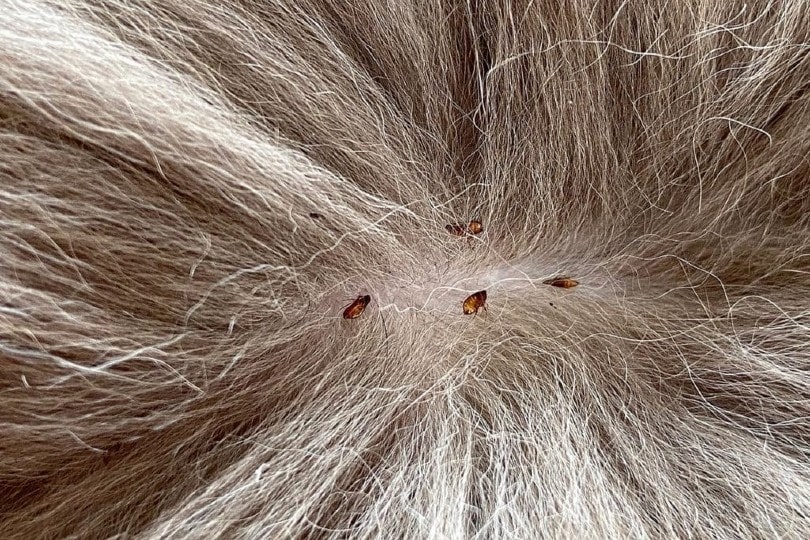
Regularly Check Your Cat For Fleas
Spotting fleas early can save you a headache. Regularly check your cat’s fur, especially around the neck and tail. Use a flea comb to catch any fleas or eggs. Early detection can prevent a full-blown infestation in your home.
Create A Flea-free Zone
Think about areas where your cat spends most of its time. Keep these spaces clean and uncluttered. Use natural repellents like cedar chips or lavender around your home. These can deter fleas without harming your pet.
Ask Yourself: Are You Doing Enough?
Reflect on your current flea prevention methods. Are they effective? Are there gaps in your strategy? Sometimes, small changes can make a big difference. Consider if you need to ramp up your efforts to ensure a flea-free environment. Taking these steps can significantly reduce the risk of flea infestations. Your cat deserves a comfortable, pest-free life, and your home should be a sanctuary. Implementing these practical tips will help achieve that.
Credit: articles.hepper.com
Frequently Asked Questions
How Do I Disinfect My House From Cat Fleas?
Vacuum carpets and furniture thoroughly to eliminate fleas. Use flea sprays or powders on surfaces. Wash pet bedding and toys in hot water. Consider professional pest control for severe infestations. Regularly treat pets with vet-recommended flea treatments to prevent re-infestation.
Will Baking Soda Kill Fleas In A Litter Box?
Baking soda alone won’t effectively kill fleas in a litter box. It can help reduce odors, but for flea control, consider using flea treatments or consult a vet for safe solutions. Regular cleaning and vacuuming can also help in managing flea infestations.
Can You Get Fleas From A Litter Box?
Fleas don’t typically infest litter boxes. However, they can jump onto pets and spread in the home. Regular cleaning helps prevent flea infestations. Ensure pets receive flea treatments to minimize risks.
What Kills 100% Of Fleas In The House?
Use a combination of vacuuming, steam cleaning, and insecticides to eliminate fleas completely. Focus on carpets, pet bedding, and furniture. Regularly wash pet items and apply flea treatments. Consider professional pest control for severe infestations. Ensure all areas are thoroughly treated to prevent flea resurgence.
Conclusion
Fleas can sometimes find their way into cat litter. They thrive in warm, humid environments. Regular cleaning helps prevent infestations. Always check your pet for fleas. Use flea treatments regularly. Keep the litter box in a dry place. This discourages flea growth.
Choose high-quality litter. It can make a difference. Remember, a clean home is key. Monitor your cat’s behavior closely. Scratching might signal a flea problem. Stay vigilant. Your furry friend’s comfort depends on it. Keep your home and pets flea-free.
It ensures a happy, healthy environment.

Hi, I’m Taylor Morgan, the heart behind CATWhisk! As a lifelong cat enthusiast with a passion for feline care and behavior, I focus on providing reliable, practical, and engaging advice to cat parents everywhere. From health tips to fun DIY projects, my mission is to help you and your whiskered companions live your best lives together.