Last Updated on June 17, 2026
Does your cat dart under the bed at the mere sight of water? You’re not alone.
Bathing your feline friend can feel like a daunting task, but it doesn’t have to be. Imagine transforming this stressful chore into a calm, even enjoyable experience for both you and your cat. In this guide, “Cat Bathing 101: When, How, and Supplies to Use,” you’ll discover practical tips to make bath time smooth and stress-free.
Picture yourself confidently handling your cat while they remain surprisingly calm, thanks to the right techniques and supplies. Ready to turn bath time into bonding time? Dive into this article and unlock the secrets to mastering cat bathing.

Credit: vetnique.com
Choosing The Right Time
Choosing the right time to bathe your cat can affect the experience. Cats are not fans of water. Picking the wrong moment can make the task harder. Selecting an ideal time ensures a smoother process. Understanding your cat’s mood and routine helps in deciding when to bathe them.
Understanding Your Cat’s Behavior
Observe your cat’s behavior throughout the day. Cats are often more relaxed after a meal or playtime. Avoid bath time when they are energetic or anxious. A calm cat is easier to bathe.
Avoiding Stressful Situations
Avoid bathing your cat during stressful times. Loud noises or recent changes in the home can affect them. A quiet environment helps in keeping your cat calm. Choose a day without disruptions for the bath.
Considering Your Schedule
Ensure you have enough time for the bath. Rushing can stress both you and your cat. Allocate time for drying and comforting your pet afterward. A relaxed approach makes the process pleasant.
Credit: www.toe-beans.com
Effective Bathing Techniques
Bathing a cat can be a challenging task. Cats are known for their dislike of water. Yet, sometimes a bath is necessary. With the right techniques, it can be easier. The goal is to make it comfortable for your feline friend.
Preparation Is Key
Prepare the bath area beforehand. Gather all supplies within reach. Use a non-slip mat in the tub. This helps prevent slipping. Fill the tub with lukewarm water. Avoid hot or cold water. Test the temperature with your elbow.
Gentle Handling
Handle your cat gently. Speak in a calm voice. This helps reduce their anxiety. Slowly lower them into the water. Use one hand to support their body. The other hand can start the washing process.
Using The Right Shampoo
Choose a cat-friendly shampoo. Avoid shampoos for humans. These can irritate their skin. Apply a small amount. Lather it carefully. Keep shampoo away from their eyes and ears.
Rinsing Thoroughly
Rinse your cat thoroughly. Leftover shampoo can cause irritation. Use a cup or gentle spray. Ensure all soap is washed away. Check their fur for any residue.
Drying Your Cat
Dry your cat using a soft towel. Gently pat their fur. Avoid rubbing too hard. You can use a hairdryer if your cat tolerates it. Use the lowest heat setting.
Comfort And Rewards
Provide comfort after the bath. Wrap them in a warm towel. Offer treats as a reward. This creates a positive association. It makes future baths easier.
Essential Bathing Supplies
Bathing your cat might sound daunting, but the right supplies can make it a smooth and stress-free experience. Imagine this: you’re armed with everything you need, and your cat is as calm as a Zen master. It’s possible! The key is knowing what supplies are essential and why they matter. Let’s dive into the must-have items that will transform your cat’s bath time from chaotic to cozy.
Cat-friendly Shampoo
Choosing the right shampoo is crucial. Human shampoos can irritate your cat’s skin, so opt for one specifically designed for cats. Look for a gentle formula that cleans without stripping natural oils. Brands like Earthbath or Burt’s Bees offer great options. Consider this: your cat’s skin is as sensitive as a newborn’s, so treat it with care.
Non-slip Mat
Ever watched your cat perform acrobatics to avoid slipping? A non-slip mat in the tub or sink will prevent those frantic scrambles. It provides stability and comfort for your cat, ensuring they feel secure. Picture this: a stable surface equals less stress for your furry friend, making bath time a breeze.
Soft Towels
Wrap your cat in a soft towel post-bath. Avoid rough materials that might irritate their skin. A plush, absorbent towel helps dry them quickly and comfortably. Here’s a thought: your cat loves feeling snug, and a soft towel can be like a warm hug after a bath.
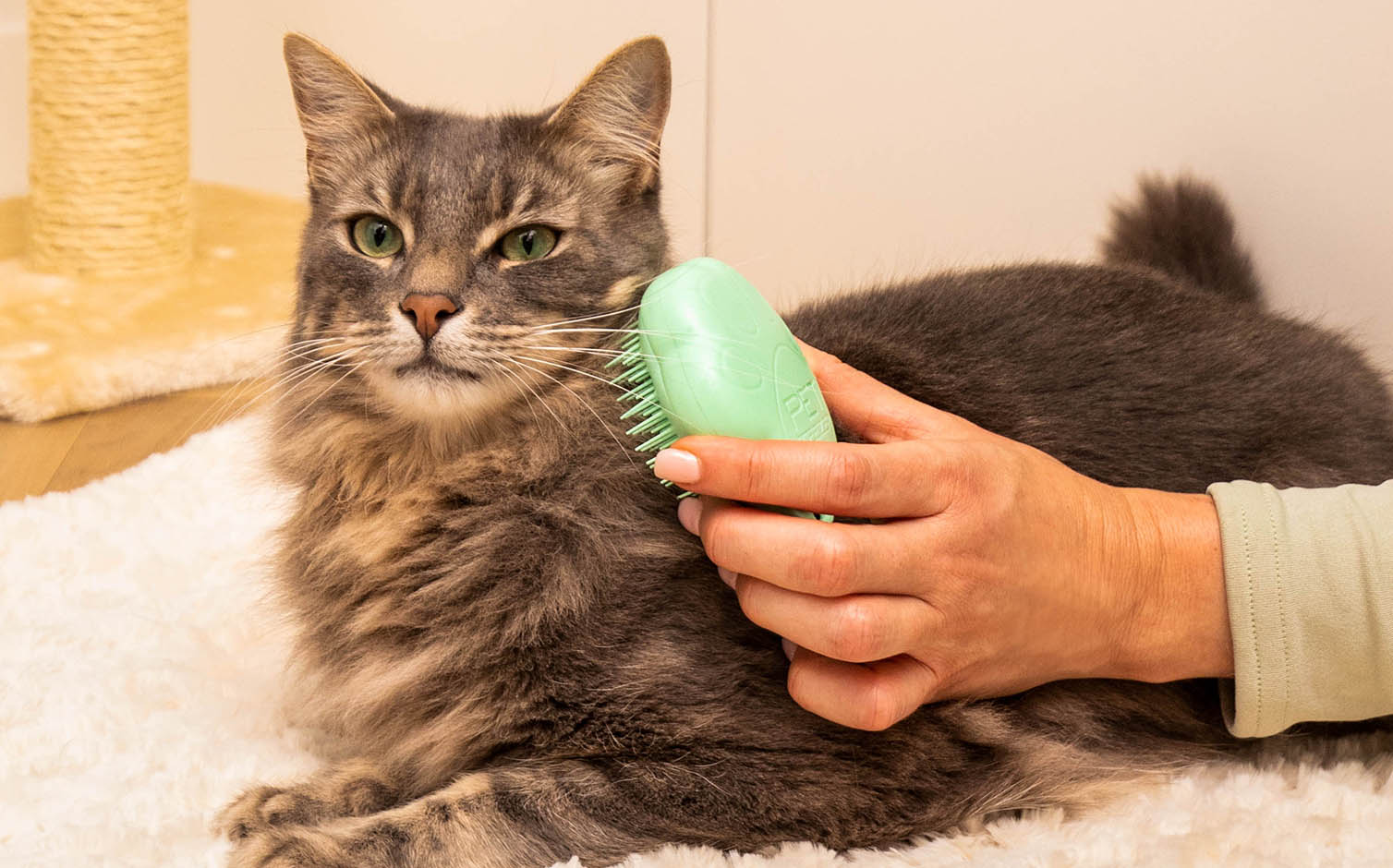
Brush Or Comb
Why stop at just a bath? Use a brush or comb to detangle and remove loose fur. It reduces shedding and prevents matting. Brands like Furminator are popular for their effectiveness. Imagine less fur flying around your home after bath time. Isn’t that a win-win?
Cup Or Hose Attachment
Pouring water over your cat can be tricky. A cup or hose attachment offers controlled rinsing, reducing water splashes. It helps in reaching tricky spots without startling your cat. Think about it: a gentle rinse equals a more relaxed cat, and fewer water fights.
Calming Spray Or Treats
Bath time can be stressful for both of you. Calming sprays or treats can help soothe your cat before the bath. Brands like Feliway offer sprays that mimic comforting pheromones. Imagine your cat being more relaxed and receptive—doesn’t that sound ideal?
Are there any supplies you think you might add to this list? Remember, each cat is unique, and sometimes it takes a bit of trial and error to find what works best for yours.
Credit: tangleteezer.com
Frequently Asked Questions
How To Properly Bathe A Cat For The First Time?
Begin by brushing your cat to remove loose fur. Use lukewarm water and a gentle cat shampoo. Keep the bath calm and brief. Rinse thoroughly, ensuring no soap remains. Dry your cat with a towel and offer treats as a reward.
What Not To Do When Giving A Cat A Bath?
Avoid using hot water or loud noises. Don’t use human shampoo. Never force your cat into the water. Keep water away from their ears and eyes. Don’t rush the process.
Should You Brush A Cat Before Or After A Bath?
Brush your cat before a bath to remove loose fur and tangles. This makes bathing easier.
Do Cats Prefer Warm Or Cold Water For Baths?
Cats prefer warm water for baths. It feels more comfortable and soothing for their bodies. Cold water can cause stress and discomfort. Ensure the water is lukewarm, around body temperature, to keep your cat calm. Always consider your cat’s preferences and comfort during bath time.
How Often Should You Bathe A Cat?
Cats generally need baths every few months. Too frequent bathing can dry their skin.
Conclusion
Giving your cat a bath can be easy with the right approach. Gather the necessary supplies before starting. Use warm water and gentle cat shampoo. Be patient and calm to ease your cat’s stress. Dry them with a soft towel afterward.
Regular baths help maintain their health and hygiene. Remember, practice makes perfect. With time, your cat might even enjoy it! Happy bathing!

Hi, I’m Taylor Morgan, the heart behind CATWhisk! As a lifelong cat enthusiast with a passion for feline care and behavior, I focus on providing reliable, practical, and engaging advice to cat parents everywhere. From health tips to fun DIY projects, my mission is to help you and your whiskered companions live your best lives together.