
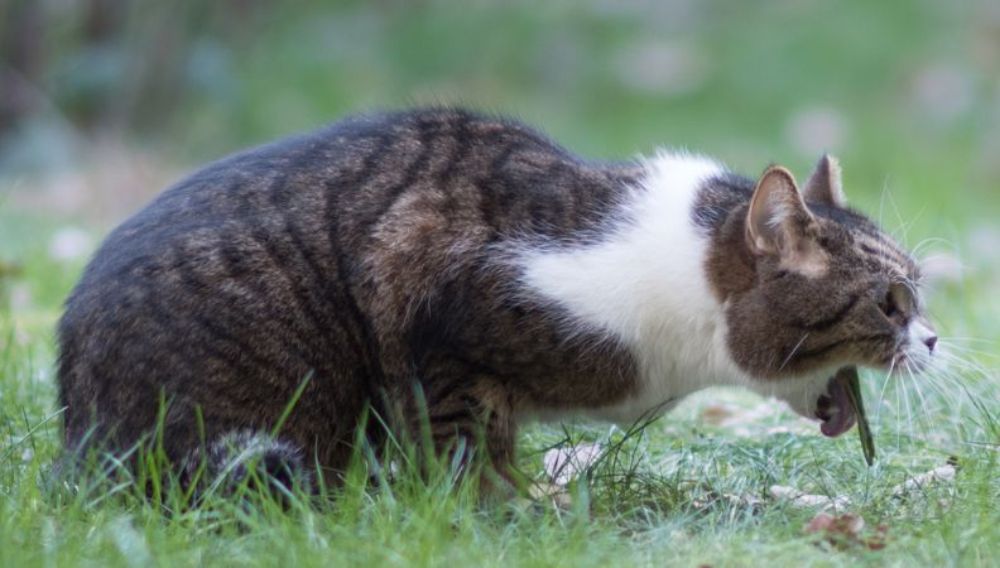
Your beloved cat just threw up, and you’re left wondering if it’s something serious or just a minor hiccup in their day. As a cat owner, you’ve probably faced this situation before and felt a mix of concern and confusion.
It’s natural to worry about your furry friend’s health, but not every instance of vomiting is a cause for alarm. Understanding when to take action and when to simply monitor the situation can make all the difference in ensuring your cat’s well-being.
We’ll guide you through the signs to watch for, helping you determine when it’s time to consult a vet and what steps you can take at home to comfort your pet. You’ll discover practical tips that can not only ease your worries but also empower you with the knowledge to make informed decisions. So, stay with us as we unravel the mysteries of cat vomiting and equip you with the confidence to keep your feline friend healthy and happy.
Credit: vetmed.tamu.edu
Contents
Causes Of Cat Vomiting
Cats may vomit due to hairballs, eating too quickly, or food intolerance. Keep an eye on frequency and accompanying symptoms. Persistent vomiting can signal a serious health issue needing veterinary attention.
Cat vomiting can be distressing for any pet owner. It’s natural to worry when your feline friend isn’t feeling well. Understanding the causes of cat vomiting can help you determine when it’s time to call the vet and what steps you can take at home.
Dietary Indiscretion
Cats are curious creatures. Sometimes, they eat things they shouldn’t, leading to an upset stomach. This could be anything from grass in the garden to a morsel of human food that doesn’t agree with them. Have you ever caught your cat nibbling on something unusual? It’s a reminder that their stomachs can be sensitive to sudden changes. If vomiting follows, it’s worth monitoring their eating habits closely.
Food Allergies
Cats, like humans, can have food allergies. An ingredient that doesn’t sit well with your cat might be the culprit. Common allergens include beef, fish, and dairy products. If your cat vomits regularly after meals, consider changing their diet. It’s often a simple switch that makes all the difference.
Hairballs
Cats groom themselves frequently. This grooming leads to the ingestion of hair, which can form hairballs in their stomach. These hairballs can cause vomiting as the cat tries to expel them. Regular brushing can minimize this problem and keep your cat comfortable.
Illnesses And Infections
Vomiting can be a sign of underlying health issues. Conditions like kidney disease, liver problems, or infections can cause nausea and vomiting in cats. If you notice persistent vomiting coupled with other symptoms like lethargy, it’s time to consult your veterinarian. Early intervention can prevent serious complications.
Parasites
Parasites such as worms can upset your cat’s digestive system, leading to vomiting. These little invaders can be quite sneaky. Routine check-ups and preventative treatments can keep your cat parasite-free and healthy. Have you scheduled your cat’s next vet visit?
Stress And Anxiety
Cats are sensitive to changes in their environment. Moving to a new home, introducing a new pet, or even changes in routine can cause stress, leading to vomiting. Creating a calm and stable environment can reduce stress-induced vomiting. Is there a way to make your home more comforting for your cat? Understanding these causes helps you stay proactive about your cat’s health. Always be observant, and when in doubt, consult a professional. Your cat relies on you for their well-being.
Identifying Urgent Symptoms
Cat vomiting can be alarming for pet owners. Sometimes, it is a minor issue; other times, it requires urgent care. Identifying urgent symptoms is crucial to ensure your cat’s health. Knowing what to look for helps you act quickly and effectively.
Understanding what signals urgent care is vital. Some symptoms are more serious than others. Recognizing these can save your cat from severe health issues.
Persistent Vomiting
If your cat vomits multiple times in a day, it may need attention. Frequent vomiting can lead to dehydration. Ensure your cat stays hydrated and seek veterinary advice.
Blood In Vomit
Blood in your cat’s vomit is a red flag. It may indicate internal bleeding or other severe conditions. Contact a vet immediately if you notice blood.
Abdominal Pain
Watch for signs of discomfort or pain. Your cat might hunch over or avoid touch. Abdominal pain can signal a serious underlying issue.
Lethargy And Weakness
Is your cat unusually tired or weak? Lethargy following vomiting can mean trouble. Immediate vet care can address this concerning symptom.
Loss Of Appetite
A sudden refusal to eat is worrying. If your cat stops eating after vomiting, consult a veterinarian. It might be dealing with a more serious problem.
Dehydration Signs
Check for dehydration by gently pinching the skin. If it doesn’t return to normal quickly, your cat may be dehydrated. Dehydration needs quick action.
Being aware of these symptoms helps in providing timely care. Your cat’s well-being depends on noticing these urgent signs. Responding swiftly can make a big difference. Stay vigilant and proactive in monitoring your cat’s health.
Effective Remedies And Treatments
Worried about your cat’s vomiting? You’re not alone. Many cat owners face this issue. Understanding effective remedies and treatments can ease your concerns. Knowing what to do helps your feline friend feel better quickly. Let’s explore some practical solutions together.
Identify The Cause
First, find the cause of your cat’s vomiting. Food allergies and hairballs are common culprits. Identifying the cause helps choose the right remedy. Observe your cat’s behavior and diet for clues.
Adjust The Diet
Diet changes often help. Try a bland diet for a few days. Offer boiled chicken or rice. This soothes your cat’s stomach. It may reduce vomiting incidents.
Hydration Is Key
Keep your cat hydrated. Vomiting can lead to dehydration. Provide fresh water regularly. Consider offering ice cubes for your cat to lick. This ensures they stay hydrated.
Over-the-counter Solutions
Pet stores offer over-the-counter solutions. Anti-nausea medications can help. Consult your vet before trying new products. Safety is essential for your pet’s health.
Veterinary Consultation
Persistent vomiting requires a vet visit. A professional can diagnose underlying issues. They offer treatments tailored to your cat’s needs. Don’t delay if symptoms worsen.
Natural Remedies
Some owners try natural remedies. Ginger and chamomile soothe stomachs. Always check with your vet first. Ensure these remedies are safe for your cat.
Regular Monitoring
Monitor your cat’s condition closely. Keep a diary of vomiting episodes. This helps identify patterns. Share this information with your vet for better diagnosis.
Credit: www.everypaw.com

Credit: www.yourvetonline.com
Frequently Asked Questions
How Do I Know If My Cat Throwing Up Is Serious?
Monitor your cat’s vomiting frequency and symptoms. Persistent vomiting, lethargy, or blood in vomit may indicate serious issues. Consult your veterinarian if symptoms persist or worsen. Early intervention can prevent complications and ensure your cat’s health. Always prioritize professional advice for accurate diagnosis and treatment.
What Can I Give My Cat To Stop Vomiting?
Offer your cat a bland diet like boiled chicken and rice. Ensure fresh water is always available. Consult a vet if vomiting continues.
What Does Concerning Cat Vomit Look Like?
Cat vomit becomes concerning if it contains blood, is black or resembles coffee grounds. Persistent vomiting, foam, or bile, and foul odor also indicate issues. Seek veterinary help if your cat appears lethargic, loses appetite, or vomits frequently. Early intervention can prevent serious health problems.
When Should I Take My Cat To The Vets For Vomiting?
Take your cat to the vet if vomiting persists for over 24 hours or is accompanied by lethargy. Sudden, frequent vomiting, blood in vomit, or other symptoms like diarrhea require immediate attention. Early intervention ensures your cat’s health and safety, helping prevent serious complications.
Conclusion
Cat vomiting can be worrying, but not always. Watch for red flags like blood or frequency. Consult your vet if symptoms persist. Early action ensures your cat’s health. Keep an eye on their behavior and diet. Stay calm and informed.
Your furry friend depends on you for care. Maintain a safe environment and a balanced diet. Regular vet visits help prevent issues. Understanding your cat’s needs is key. Love and attention make a difference. Be patient and attentive. Your cat’s well-being is important.
Remember, you’re not alone. Help is available. Your cat deserves the best care possible.
Last Updated on December 3, 2025 by Taylor Morgan

Hi, I’m Taylor Morgan, the heart behind CATWhisk! As a lifelong cat enthusiast with a passion for feline care and behavior, I focus on providing reliable, practical, and engaging advice to cat parents everywhere. From health tips to fun DIY projects, my mission is to help you and your whiskered companions live your best lives together.