

Is your furry friend constantly scratching or looking less lively than usual? It’s not just a matter of curiosity or minor discomfort for your cat; it could be a signal of something more concerning: parasites.
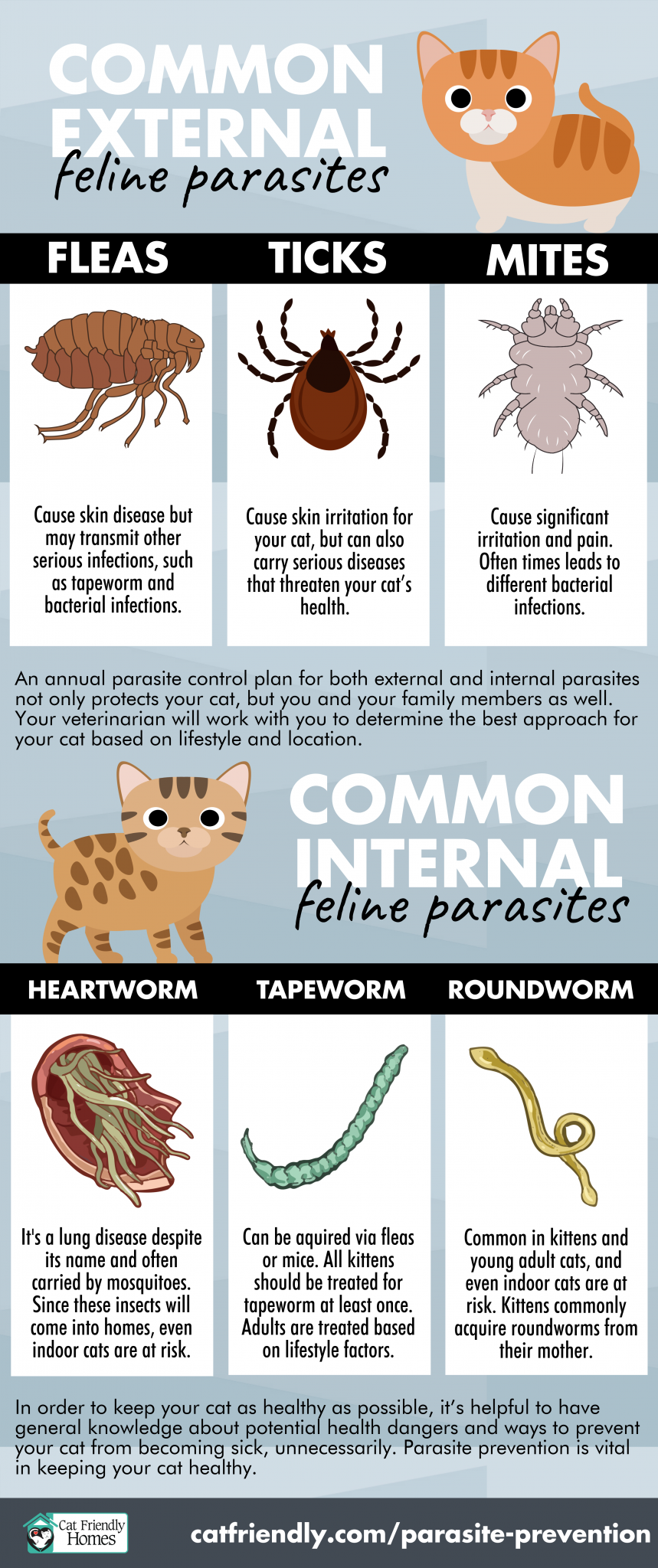
Fleas, worms, and ear mites are among the most common invaders that can turn your cat’s life—and yours—upside down. These tiny pests are more than just nuisances; they can lead to serious health issues if left unchecked. We’ll delve into the details of these common cat parasites, explaining how they affect your feline friend and what you can do to protect them.
Understanding these hidden threats is the first step in ensuring your cat stays healthy and happy. Don’t let these pesky invaders take over your home or your pet’s well-being. Read on to discover how you can shield your beloved companion from these common cat parasites.
:strip_icc()/feline-parsites-3384853-v4-8fe45409731449e08f13f5a9cac8cc44.png)
Credit: www.thesprucepets.com
Contents
Fleas: Tiny Troublemakers
Fleas are tiny pests causing big problems for cats. They bite, leading to itching and discomfort. These parasites can also spread diseases and make cats very sick. Along with fleas, worms and ear mites are common parasites that affect cats, requiring regular attention and care.
If you’ve ever had a cat scratching persistently, you might have encountered one of the most common nuisances: fleas. These tiny troublemakers are more than just a minor inconvenience. They can cause significant discomfort and health problems for your feline friend. Understanding fleas can help you protect your cat and maintain a harmonious home.
Lifecycle And Habits
Fleas have a rather complex lifecycle. They start as eggs, which are often laid in your pet’s fur or your home environment. Once these eggs hatch, they become larvae, then pupae, before maturing into adult fleas. This entire process can happen quickly, sometimes in as little as two weeks, especially in warm and humid environments. Adult fleas spend most of their time on your cat, feeding on their blood. They can jump great distances, making it easy for them to move between pets and even onto your furniture. Knowing their habits can help you identify the right times and methods to tackle them.
Signs Of Infestation
Have you noticed your cat scratching more than usual? Or perhaps you’ve seen tiny black specks, often called “flea dirt,” on your cat’s skin or bedding? These are classic signs of a flea infestation. Another telltale sign is red, irritated skin, especially around the neck and tail area. In severe cases, you might even see the fleas themselves moving through your cat’s fur. Recognizing these signs early can prevent further discomfort and health issues.
Prevention And Treatment
Prevention is always better than cure. Regularly grooming your cat and using a flea comb can help catch fleas before they multiply. Additionally, there are numerous flea prevention products available, such as topical treatments or oral medications. Consult your vet to find the best option for your cat. If you suspect a flea infestation, act promptly. Vacuum your home thoroughly and wash your cat’s bedding in hot water. Consider using a flea spray or fogger for your home, but always ensure it’s safe for pets. By staying proactive, you can keep these tiny troublemakers at bay and ensure your cat’s comfort and health. Have you ever dealt with a flea infestation? What steps did you find most effective? Share your experiences and tips in the comments below!
Worms: Hidden Invaders
Worms are the stealthy guests that no cat owner wants. These hidden invaders can silently wreak havoc on your feline friend’s health. While fleas and ear mites are more visible, worms often go unnoticed until they cause significant problems. Understanding the types, symptoms, and control measures is crucial for keeping your cat healthy and happy.
Types Of Worms
Cats can be hosts to several types of worms, each with unique characteristics. Roundworms are the most common and resemble spaghetti in appearance. They live in the intestines and can grow up to several inches long.
Tapeworms are also common, often spread by fleas. They look like grains of rice and can be seen near the cat’s rear end or in their feces. Hookworms are less visible but equally dangerous, feeding on the cat’s blood and causing anemia.
Have you ever noticed your cat scooting its bottom across the floor? That could be a sign of worms, particularly tapeworms. Understanding these types can help you pinpoint the problem early.
Symptoms In Cats
Identifying symptoms of worm infestation in your cat can be tricky. Common signs include vomiting, diarrhea, and a bloated belly. You might also notice weight loss despite your cat having a healthy appetite.
Cats with worms may show signs of lethargy and weakness. If you see your cat coughing or having difficulty breathing, lungworms could be the culprit. These symptoms are subtle but dangerous, demanding immediate attention.
Have you ever wondered why your cat seems more tired lately? Watch out for these signs, and consult your vet to get to the root of the issue.
Effective Control Measures
Controlling worms in cats involves a proactive approach. Regular deworming is essential, typically every three months, or as advised by your vet. Good hygiene practices, like cleaning the litter box frequently, can minimize the risk of infection.
If you have a multi-pet household, treat all pets simultaneously to prevent cross-infection. Ensure your cat’s environment is clean and free of flea infestations, as fleas can transmit tapeworms.
Have you considered setting a reminder for deworming? It’s a simple step that can save your cat from a host of health issues.
Keeping worms at bay requires vigilance and regular check-ups. How often do you assess your cat’s health? Your proactive measures can safeguard your pet’s well-being.
Ear Mites: Silent Distress
Ear mites are tiny creatures that can cause big problems for your cat. Often invisible to the naked eye, these microscopic parasites live in the ear canal, feeding on wax and oils. Despite their size, the impact they have on your feline friend’s health can be significant.
As a cat owner, you might not notice them initially. Yet, ear mites can lead to discomfort and distress, making it crucial to identify and treat them early. Imagine scratching your ear constantly without relief—this is how your cat feels when plagued by these pests.
Identifying Ear Mites
Recognizing ear mites can be tricky because symptoms often mimic other ear issues. Look for signs like excessive scratching, head shaking, and dark, crumbly ear discharge that resembles coffee grounds.
Have you ever seen your cat pawing at their ears more than usual? This behavior might signal an ear mite infestation. A quick visit to the vet can confirm their presence, and it’s better to check early.
Regular ear inspections can save your cat from discomfort. If you notice any unusual behavior or discharge, it’s time for a closer look.
Impact On Cat Health
Ear mites can lead to serious complications if left untreated. Constant scratching can cause ear damage, infections, and in severe cases, hearing loss.
Have you considered how untreated ear mites could affect your cat’s overall well-being? They can become irritable and anxious, impacting their mood and behavior.
Understanding the consequences gives you the power to act swiftly. Protecting your cat’s ears is an essential part of their health care routine.
Treatment Options
Treating ear mites is straightforward but requires diligence. Over-the-counter medications can effectively eliminate mites, but consistency is key.
You might prefer natural remedies, like olive oil, to soothe your cat’s ears and suffocate the mites. However, consulting a vet is always advisable to ensure safe and effective treatment.
What steps will you take to ensure your cat remains mite-free? Regular cleaning and monitoring can prevent future infestations. Make ear care a regular part of your pet’s grooming routine.

Credit: nexgard.com.au
Credit: catfriendly.com
Frequently Asked Questions
What Is The Most Common Parasite In Cats?
The most common parasite in cats is the flea. Fleas are small, wingless insects that feed on blood. They can cause itching, skin infections, and allergic reactions. Regular flea control measures are essential to protect your cat’s health.
What Kills Fleas And Ear Mites On Cats?
Use vet-recommended topical treatments like Revolution or Advantage Multi. These products effectively kill fleas and ear mites on cats. Always consult your veterinarian for the best solution for your pet’s needs. Regular grooming and cleaning your cat’s environment help prevent infestations.
What Are The Parasites In My Cat’s Ears?
Ear mites, specifically Otodectes cynotis, are common parasites in cat ears. They cause itching and discomfort. These tiny pests feed on wax and oils in the ear canal. Regular vet check-ups and cleaning help prevent infestations. Treatment involves topical medications prescribed by a veterinarian.
What Kind Of Parasites Do Cats Get From Fleas?
Cats can get tapeworms from fleas. Fleas carry tapeworm larvae, which cats ingest while grooming. This leads to parasitic infections. Regular flea control and veterinary check-ups help prevent tapeworm infestations. Keep your cat’s environment clean to reduce flea exposure and ensure your pet’s health.
Conclusion
Understanding cat parasites helps in keeping your furry friend healthy. Fleas, worms, and ear mites are common issues. Regular check-ups ensure early detection. Quick action prevents serious health problems. Use preventive measures to reduce infestation risks. Clean living areas frequently.
Consult a vet for effective treatments. Safe practices protect your pet’s well-being. Keep your cat’s environment clean. A healthy cat is a happy cat. Your attention makes a big difference. Stay informed about parasite threats. Your cat deserves care and protection.
Prioritize their health every day.
Last Updated on December 3, 2025 by Taylor Morgan

Hi, I’m Taylor Morgan, the heart behind CATWhisk! As a lifelong cat enthusiast with a passion for feline care and behavior, I focus on providing reliable, practical, and engaging advice to cat parents everywhere. From health tips to fun DIY projects, my mission is to help you and your whiskered companions live your best lives together.