
Last Updated on February 18, 2026
Imagine the joy you feel when your cat curls up beside you, purring contentedly. Cats bring happiness and warmth into your life, but their health needs are sometimes overlooked.
One crucial aspect is dental disease, a common problem that can affect your feline friend’s well-being. You might not realize it, but tartar and plaque can build up on your cat’s teeth, leading to discomfort and more serious health issues.
Are you aware of the signs? Have you ever thought about brushing your cat’s teeth or scheduling regular cleanings? These simple actions can make a world of difference. We’ll explore how you can help prevent dental disease in cats, ensuring your furry companion stays healthy and happy. Dive in to discover how you can make your cat’s dental care a priority.
Contents
Causes Of Dental Disease
Dental disease in cats often starts with tartar buildup, leading to gum inflammation and infection. Regular brushing and professional cleanings help prevent these issues, ensuring better oral health for your feline friend.
Understanding the causes of dental disease in cats is crucial for ensuring your feline friend maintains a healthy mouth and overall well-being. Dental disease is one of the most common health issues faced by cats, yet it’s often overlooked until the problem becomes severe. Recognizing the causes can help you take preventive steps to protect your cat’s dental health.
Poor Oral Hygiene
Neglecting regular brushing of your cat’s teeth can lead to plaque buildup. This plaque hardens into tartar, which can irritate the gums and cause gingivitis. Have you ever tried brushing your cat’s teeth? It might seem daunting, but consistent brushing can drastically reduce plaque.
Dietary Choices
What your cat eats plays a significant role in their dental health. Cats that consume a diet high in soft or wet food are more prone to tartar buildup. Dry kibble can help scrape away plaque as your cat chews, offering a simple dietary adjustment for better oral health.
Genetic Predisposition
Some cats are genetically predisposed to dental issues. Breeds like Siamese and Persian are more susceptible to periodontal disease. If your cat is of a susceptible breed, regular dental check-ups are essential for early detection and treatment.
Age Of Your Cat
As cats age, their risk for dental disease increases. Older cats might experience more tartar buildup and gum issues. Regular vet visits can help monitor and manage these age-related dental problems effectively.
Underlying Health Conditions
Certain health conditions can exacerbate dental issues in cats. Diabetes and kidney disease, for instance, can lead to a higher risk of periodontal disease. If your cat has a chronic health condition, maintaining their oral health becomes even more critical.
Lack Of Professional Cleanings
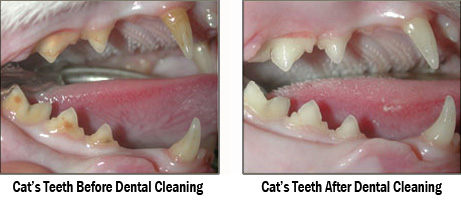
Even with regular brushing, professional dental cleanings are vital. Have you scheduled your cat’s dental cleaning recently? Vets can remove tartar that’s impossible to eliminate with brushing alone. Engaging in these proactive measures can significantly reduce the risk of dental disease in your cat. Have you considered how you might improve your cat’s dental care routine? Taking action today can lead to healthier tomorrows for your feline companion.
Credit: www.harrispethospital.com
Tartar Prevention Methods
Dental disease is common in cats, often caused by tartar buildup. Tartar can lead to serious health issues. Regular prevention is vital for your cat’s well-being. Learn effective methods to keep your feline’s teeth healthy and free from tartar.
Understanding Tartar Formation
Tartar starts as plaque. Plaque is a soft, sticky film. It forms on the teeth from food and bacteria. If not removed, plaque hardens into tartar. Tartar is tough and rough. It irritates the gums and can cause infection.
Regular Brushing
Brushing is the best defense against tartar. Use a cat-specific toothbrush and toothpaste. Human toothpaste can be harmful. Brush your cat’s teeth gently. Aim for twice a week. Consistency helps prevent plaque buildup.
Dental Treats And Toys
Dental treats help reduce tartar. They are designed to clean teeth. Chewing helps scrape off plaque. Dental toys work similarly. Look for toys that encourage chewing. They can be fun and effective.
Professional Cleanings
Sometimes home care isn’t enough. Professional cleanings are essential. Your vet can clean below the gum line. They remove stubborn tartar. Regular vet visits are important. Discuss your cat’s dental needs with your vet.
Balanced Diet
A balanced diet supports dental health. Crunchy kibble can help reduce plaque. Wet food can stick to teeth. Ensure your cat eats healthy foods. Vitamins and minerals strengthen teeth and gums.
Professional Dental Cleanings
Professional dental cleanings are crucial for maintaining your cat’s oral health. These cleanings are much more thorough than what you can achieve at home. They involve a detailed inspection and cleaning by a veterinarian, ensuring that every nook and cranny in your cat’s mouth is checked.
What Happens During A Professional Cleaning?
During a professional dental cleaning, your cat will undergo anesthesia to ensure they remain calm and still. This allows the vet to clean below the gum line where tartar often hides. The vet uses specialized tools to remove plaque and tartar buildup, which can cause dental diseases.
Why Anesthesia Is Necessary
Without anesthesia, it would be nearly impossible to clean a cat’s teeth effectively. Cats are naturally fidgety, and even the gentlest one can become stressed. Anesthesia ensures your cat is comfortable and safe, allowing the vet to perform a thorough cleaning.
The Benefits Of Professional Dental Cleanings
Professional cleanings can prevent serious dental issues like gingivitis and tooth decay. They also help in detecting problems early, like broken teeth or oral tumors. A regular cleaning schedule can greatly enhance your cat’s quality of life by preventing pain and infection.
Frequency Of Professional Cleanings
How often should your cat get a professional cleaning? Most veterinarians recommend once a year, but this can vary based on your cat’s age and health. Discuss with your vet to tailor the best schedule for your pet.
Signs Your Cat Needs A Professional Cleaning
Have you noticed bad breath or swollen gums in your cat? These are signs they might need a professional cleaning. Other symptoms include drooling and difficulty eating. Don’t wait for these signs to worsen; consult your vet promptly.
Personal Insight: The Impact Of Professional Cleaning
When I first took my cat for a professional dental cleaning, I noticed an immediate improvement. His breath was fresher, and he was more enthusiastic about eating. This experience taught me the importance of regular dental care for pets. Have you considered how a simple cleaning could change your cat’s life?
Professional dental cleanings are not just about maintaining your cat’s smile; they are about ensuring their overall health and happiness. Are you ready to make this a part of your cat’s health routine?

Credit: www.amazon.com

Credit: www.amazon.com
Frequently Asked Questions
What Are Signs Of Dental Disease In Cats?
Cats with dental disease may show bad breath, drooling, difficulty eating, swollen gums, and loose teeth. Look for pawing at the mouth and weight loss. Regular vet check-ups help in early detection and treatment, ensuring your cat’s oral health.
What Is Stage 4 Dental Disease In Cats?
Stage 4 dental disease in cats is severe periodontal disease. It involves extensive tooth decay, gum infection, and bone loss. Cats may experience pain, difficulty eating, and bad breath. Immediate veterinary treatment is necessary to prevent further complications. Regular dental check-ups can help in early detection and management of dental health.
What Is Cat Quidding?
Cat quidding is a behavior where cats chew and spit out non-food items. It can be a sign of stress, boredom, or dental issues. Offering toys and mental stimulation may help reduce this behavior. If concerned, consult a veterinarian for advice.
How Do You Fix Dental Disease In Cats?
Regular vet check-ups help diagnose dental disease in cats. Professional cleaning and dental care improve oral health. Provide dental-friendly cat foods and toys. Brush your cat’s teeth regularly to prevent plaque buildup. Consult your vet for specific treatments or medication if necessary.
Conclusion
Caring for your cat’s dental health is essential. Regular brushing helps prevent tartar buildup. Professional cleanings ensure thorough removal of plaque. Healthy teeth mean a happier cat. Poor dental hygiene can lead to serious health issues. Be proactive. Make dental care a routine.
Your vet can guide you on the best practices. Watch for signs of dental problems. Bad breath, drooling, or trouble eating. Early detection is key. Keep your furry friend smiling with clean, strong teeth. Remember, a little effort goes a long way in maintaining their health.
Your cat deserves the best care.

Hi, I’m Taylor Morgan, the heart behind CATWhisk! As a lifelong cat enthusiast with a passion for feline care and behavior, I focus on providing reliable, practical, and engaging advice to cat parents everywhere. From health tips to fun DIY projects, my mission is to help you and your whiskered companions live your best lives together.