

Last Updated on June 17, 2026
Does your feline friend seem a bit off lately? Maybe you’ve noticed a change in their appetite or a sudden drop in their energy levels.
If you’re wondering, “Does my cat have worms? ” You’re not alone. Many pet owners find themselves asking this very question, and it’s essential to get to the bottom of it quickly. Your cat’s health and happiness are at stake, and you want to ensure they’re as comfortable as possible.
We’ll explore the telltale signs that your cat might have worms and what you can do about it. Stay tuned to discover how to keep your beloved pet in top shape and what steps you should take if worms are the culprit.
Signs Of Worms In Cats
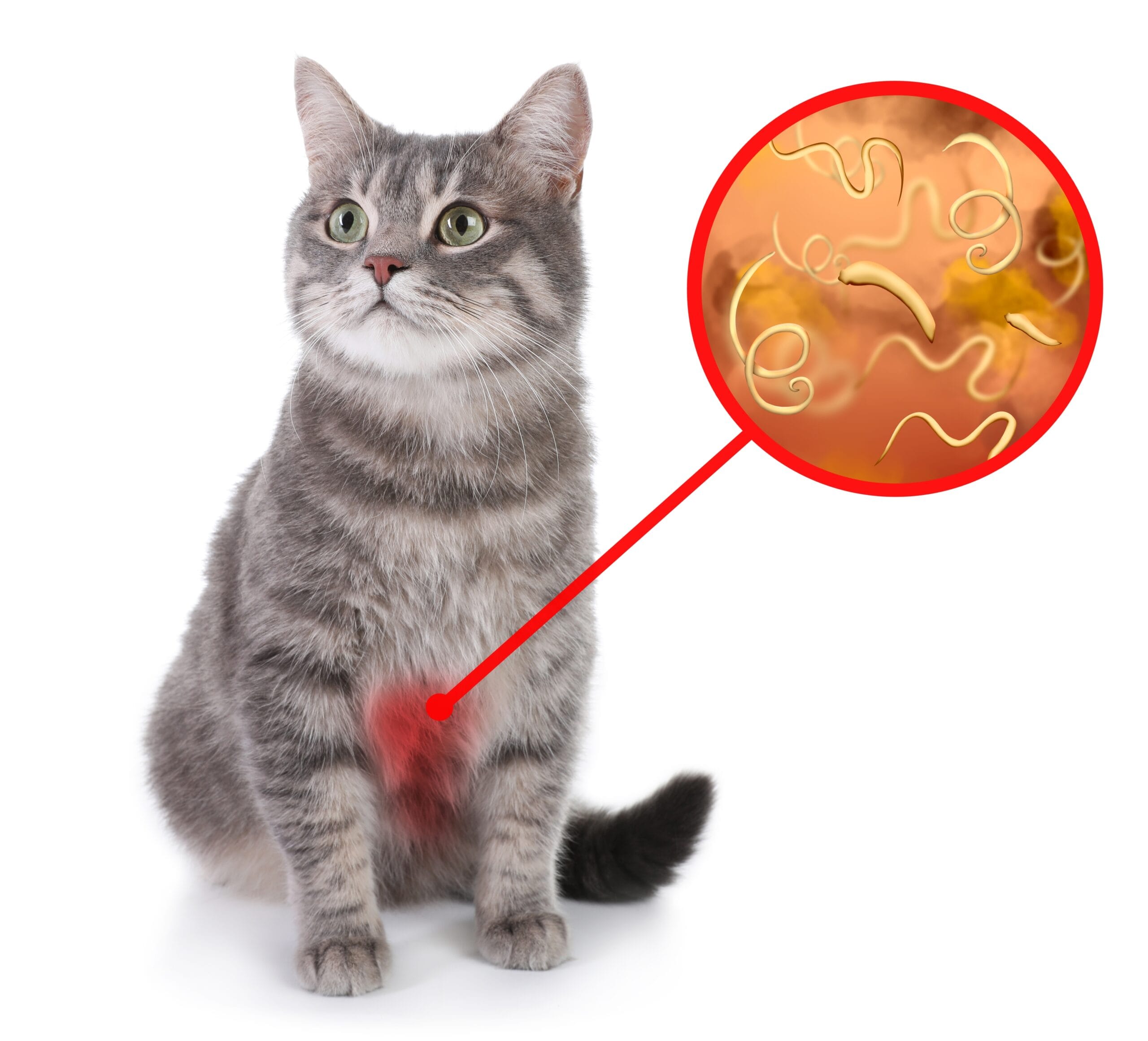
Cats with worms may show signs like weight loss, diarrhea, or a bloated belly. You might notice changes in their fur or behavior. Seeing worms in their stool is another indication.
Is your feline friend acting a bit off lately? If you’ve noticed some unusual behaviors or physical changes, it might be time to consider whether your cat has worms. These pesky parasites can affect cats of all ages and breeds, leading to discomfort and potential health issues. Knowing the signs of worms in cats can empower you to take swift action and ensure your pet’s well-being. Let’s delve into some telltale signs that could indicate your cat is dealing with worms.
Unexplained Weight Loss
If your cat’s appetite seems normal but they’re losing weight, worms might be the culprit. Parasites can consume the nutrients meant for your cat, leaving them malnourished despite eating well. Observe their eating habits and consult with a vet if weight loss persists.
Changes In Coat Condition
Healthy cats usually have shiny, smooth fur. However, if your cat’s coat appears dull or rough, it might be due to worms. These parasites can affect the absorption of essential nutrients, leading to poor fur quality. Regular grooming helps but won’t solve the underlying issue.
Visible Worms Or Eggs In Feces
Seeing worms or eggs in your cat’s stool is a definitive sign. It’s unpleasant but checking the litter box can provide crucial insights. If you spot anything unusual, a visit to the vet can confirm the presence of parasites and guide you towards treatment.
Frequent Vomiting Or Diarrhea
Cats with worms often experience digestive issues. Vomiting and diarrhea can be frequent and distressing. These symptoms not only indicate discomfort but also dehydration risk. Ensure your cat has access to fresh water and seek veterinary advice promptly.
Bloated Belly
A bloated or swollen belly, especially in kittens, is a common sign of worms. This can occur even if the rest of the body appears thin. It’s important to differentiate this from general weight gain. If your cat looks disproportionate, consider getting them checked for parasites.
Increased Irritability Or Lethargy
Has your playful cat turned moody or sluggish? Worms can sap their energy, making them less active and more irritable. Pay attention to changes in behavior and energy levels, and think about how you can address their discomfort.
Excessive Scratching Or Biting
Cats infested with worms might scratch or bite themselves more often. This isn’t just about fleas; worms can cause skin irritations too. Regular flea checks are important, but also consider a vet visit to rule out internal parasites. Are any of these signs familiar to you? Being attentive to these changes can make a world of difference in your cat’s life. Don’t let worms disrupt your pet’s happiness. What steps will you take today to ensure your cat is healthy and parasite-free?
Credit: www.vet.cornell.edu
Types Of Worms In Cats
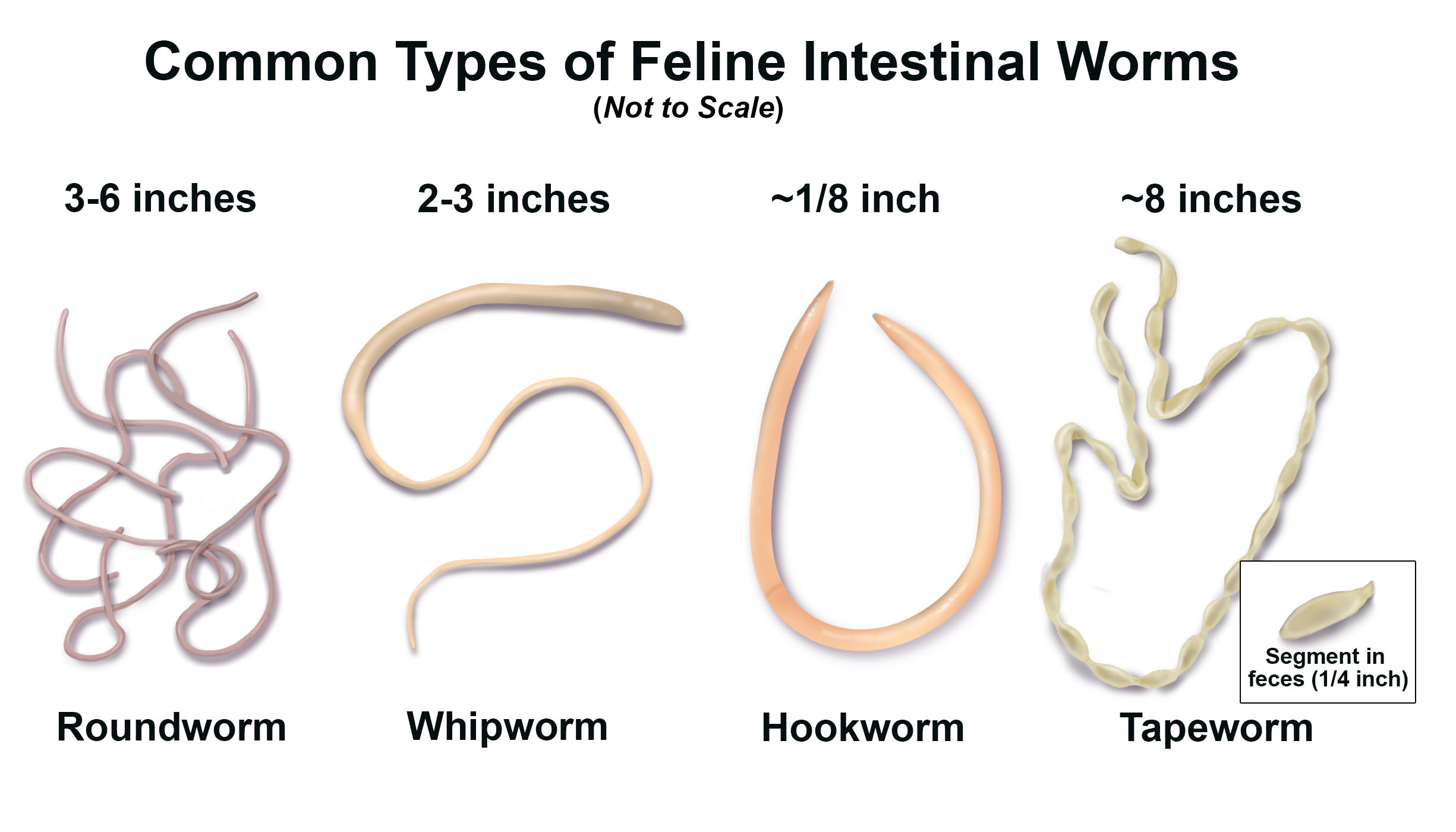
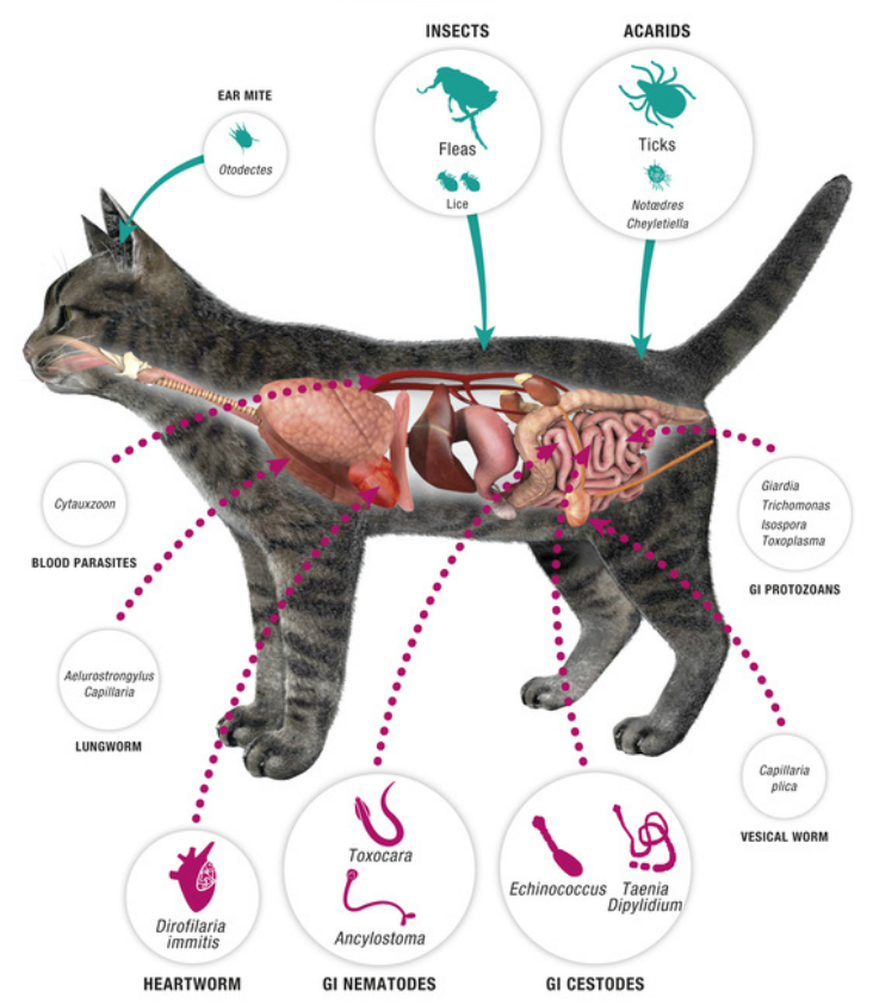
Cats can get different types of worms. Common ones include roundworms, tapeworms, and hookworms. Symptoms like weight loss, diarrhea, or a dull coat may indicate worm infection.
Understanding the types of worms your cat may encounter is crucial for maintaining their health. Worms can cause discomfort and lead to serious health issues if left untreated. Knowing what to look for can help you act quickly and ensure your feline friend stays happy and healthy.
Roundworms
Roundworms are one of the most common types of worms in cats. They resemble spaghetti strands and can grow up to several inches long. Cats often get roundworms by ingesting infected rodents or soil. You might notice your cat has a pot-bellied appearance, or you may see worms in their stool. Regular vet visits can help detect these pesky invaders early.
Tapeworms
Tapeworms are segmented parasites that attach to the walls of your cat’s intestines. Cats usually get tapeworms from swallowing infected fleas. Have you ever noticed small, rice-like particles around your cat’s rear or in their bedding? Those are likely tapeworm segments. Flea control is an effective way to prevent tapeworms.
Hookworms
Hookworms are less common but can be quite dangerous. These tiny worms attach themselves to the intestinal lining and feed on your cat’s blood. Symptoms include weight loss, anemia, and diarrhea. Have you checked your cat’s gums for paleness? That could be a sign of hookworm infection. Regular deworming treatments can help protect your cat.
Heartworms
Though more common in dogs, heartworms can also affect cats. These worms live in the heart and lungs, causing respiratory issues. Does your cat often cough or show signs of breathing difficulty? Heartworms might be the culprit. Preventative medication is the best defense against heartworm disease. It’s important to monitor your cat’s behavior and health. Are they eating less or looking lethargic? These can be signs of worm infestation. Regular check-ups and preventative measures can make a huge difference in your cat’s well-being. What steps will you take to safeguard your feline friend?
When To Consult A Veterinarian
Identifying worms in your cat can be tricky. Cats often hide discomfort. Knowing when to consult a veterinarian is crucial. Early intervention helps prevent severe health issues.
Unusual Weight Loss
Is your cat losing weight rapidly? This could indicate worms. Even if they eat well, their weight might drop. Worms consume nutrients meant for your cat. It’s time to see a vet.
Changes In Appetite
Notice changes in your cat’s eating habits? Increased or decreased appetite can signal worms. If your cat suddenly eats less, consult a veterinarian. Sudden hunger is also a warning sign.
Visible Worms In Feces
Spotting worms in your cat’s feces? This is a clear sign. Worms can appear as small, white strands. Schedule a vet visit immediately. Early treatment is vital.
Vomiting And Diarrhea
Frequent vomiting or diarrhea should not be ignored. These symptoms might indicate worms. Persistent issues need professional attention. Your vet can provide guidance.
Changes In Coat Condition
Does your cat’s fur look dull or rough? Worms can affect coat health. Healthy cats have shiny coats. If your cat’s fur changes, consult a vet. Worms might be the cause.
Unusual Behavior
Is your cat acting strangely? Restlessness or lethargy might signal worms. Cats with worms often behave differently. A vet visit can clarify the situation.
Frequent Itching Or Scratching
Excessive scratching can indicate worms. Cats often scratch due to irritation. If your cat scratches more than usual, consult a veterinarian. Worms might be causing discomfort.
Credit: centraltexasanimalhospital.com
Credit: www.thecatvet.co.uk
Frequently Asked Questions
Can I Deworm My Cat Myself Without A Vet?
Yes, you can deworm your cat at home. Use vet-recommended products and follow instructions carefully. Consult a vet if unsure or if your cat shows symptoms. Regular deworming ensures your cat’s health.
How Contagious Are Worms From Cats To Humans?
Worms from cats can be transmitted to humans, especially children. Direct contact with contaminated soil or feces increases the risk. Regular deworming of pets and maintaining good hygiene can reduce transmission. Always wash hands after handling cats or cleaning litter boxes to prevent infection.
Can An Indoor Cat Get Worms?
Yes, indoor cats can get worms. They can contract them from contaminated food, fleas, or other pets. Regular vet check-ups and maintaining cleanliness are essential to prevent worms. Use preventive treatments recommended by your vet to keep your cat healthy and worm-free.
How Long Can A Cat Have Worms Without You Knowing?
Cats can have worms for months without showing symptoms. Regular veterinary check-ups help detect worms early. Symptoms like weight loss or dull coat might appear later. Regular deworming and hygiene prevent infestations. Always consult a vet if you suspect worms.
Conclusion
Detecting worms in cats is crucial for their health. Regular vet visits help catch issues early. Watch for symptoms like weight loss or a dull coat. Clean litter boxes often. Keep your cat safe from infected prey. Worms can be treated effectively with vet guidance.
Don’t ignore any signs. Early intervention saves your pet discomfort. Your cat’s health is in your hands. Stay informed and vigilant. A healthy cat is a happy cat. Prioritize their well-being. Always consult your veterinarian with concerns. Your furry friend deserves the best care.
Keep them worm-free and thriving.

Hi, I’m Taylor Morgan, the heart behind CATWhisk! As a lifelong cat enthusiast with a passion for feline care and behavior, I focus on providing reliable, practical, and engaging advice to cat parents everywhere. From health tips to fun DIY projects, my mission is to help you and your whiskered companions live your best lives together.