
Last Updated on February 18, 2026
Are you a cat owner concerned about your furry friend’s health? If you’ve noticed your cat straining to urinate or acting out of sorts, you might be dealing with a urinary issue.
Understanding the differences between Feline Urinary Tract Infection (UTI) and Feline Lower Urinary Tract Disease (FLUTD) can be crucial for your pet’s wellbeing. Both conditions can be distressing for your cat and alarming for you, but knowing the symptoms and the appropriate care can make all the difference.
This guide will walk you through the nuances of these conditions, helping you recognize the signs and take swift action. Your cat’s comfort and health are in your hands, and this could be the information you need to ensure they stay happy and healthy. Keep reading to discover how you can make a positive impact on your cat’s life.
Contents
Feline Uti Causes And Symptoms
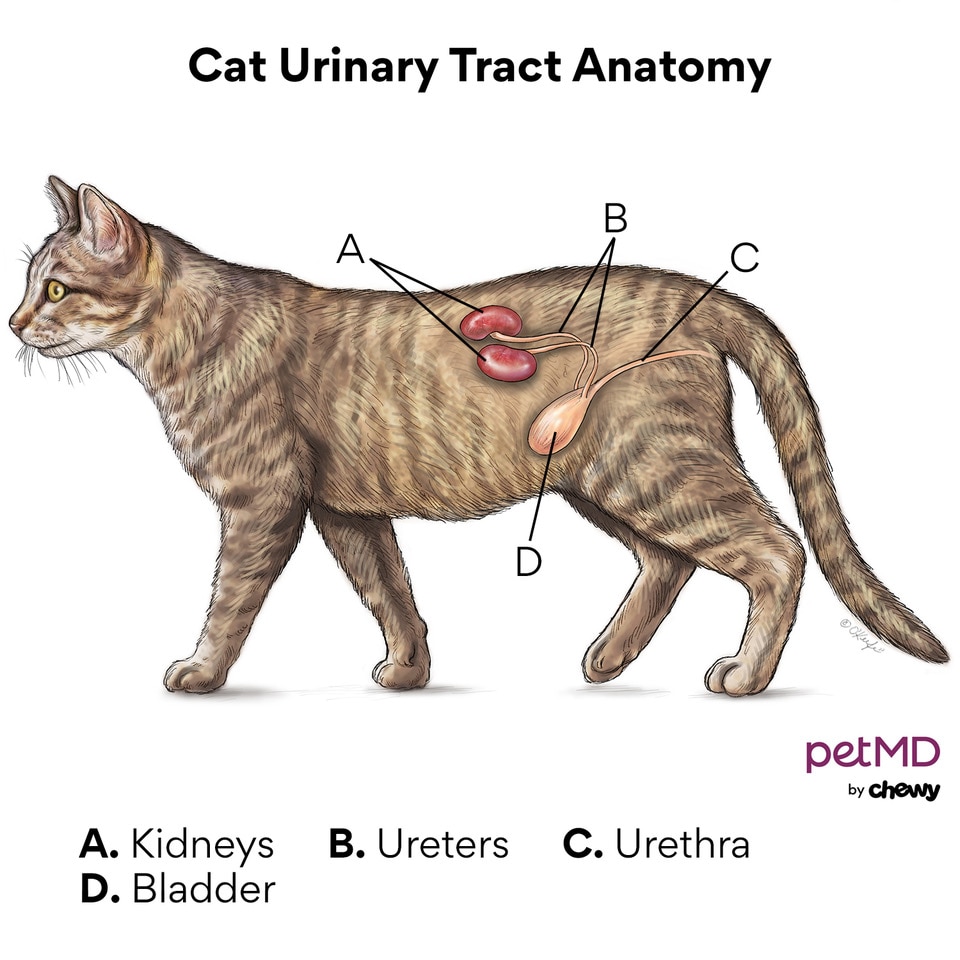
Feline UTIs stem from bacterial infections, causing frequent urination and discomfort. FLUTD involves broader urinary issues, including inflammation and blockages. Symptoms like blood in urine and straining differ, highlighting the importance of tailored care for each condition. Understanding these distinctions aids in effective treatment and improved feline health.
Understanding the causes and symptoms of Feline Urinary Tract Infections (UTIs) can significantly enhance your cat’s health and well-being. A feline UTI is an infection that affects your cat’s urinary tract, causing discomfort and potential complications if left untreated. By recognizing the early signs and understanding the root causes, you can take proactive steps to ensure your furry friend remains healthy and happy.
Causes Of Feline Uti
Feline UTIs can arise from a variety of factors. Bacterial infections are the most common cause, where bacteria enter the urinary tract through the urethra. This can happen due to poor hygiene or a suppressed immune system. Dehydration is another contributing factor. Cats that don’t drink enough water may develop concentrated urine, creating an ideal environment for bacterial growth. Stress in cats can also lead to UTIs. Changes in environment, new pets, or disruptions in routine can stress your cat, impacting their urinary health.
Symptoms Of Feline Uti
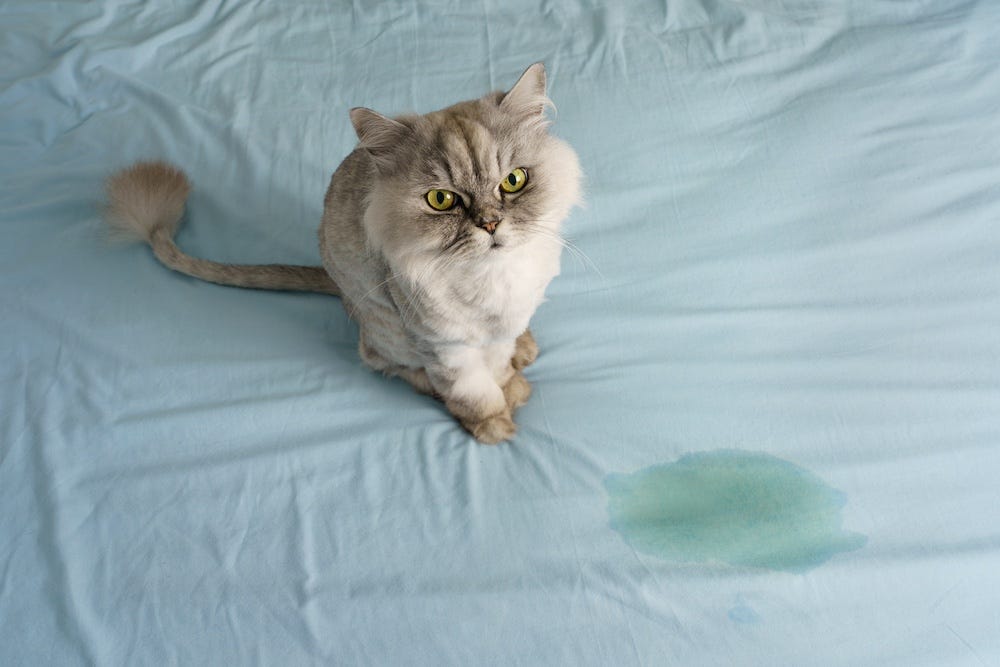
Recognizing the symptoms early can make a big difference. One of the most noticeable signs is frequent urination, often in small amounts. Your cat might strain to urinate, or you may notice blood in the urine. Keep an eye out for changes in behavior. A cat with a UTI may start urinating outside the litter box due to discomfort. They might also groom their genital area excessively. Painful urination is another symptom. If your cat cries out while using the litter box, it’s a red flag that needs your attention.
Addressing Feline Uti
Prompt action is crucial. If you notice any of these symptoms, consult your veterinarian. They can perform tests to confirm a UTI and prescribe antibiotics if necessary. Encourage your cat to drink more water. This can be done by providing fresh water daily, using a pet water fountain, or adding wet food to their diet. Reduce stressors in your cat’s environment. Create a calm and stable home, with plenty of hiding spots and consistent routines. Have you ever wondered how much your lifestyle affects your pet? Small changes in your daily routine can significantly improve your cat’s quality of life. By staying vigilant and responsive to their needs, you can prevent UTIs and ensure your cat remains a happy companion.
Credit: www.litter-robot.com
Flutd Overview And Indicators
Feline Lower Urinary Tract Disease (FLUTD) affects cats’ urinary health. It can cause discomfort, behavioral changes, and affect overall well-being. Understanding its symptoms helps in timely identification and care.
Flutd Overview
FLUTD encompasses various urinary tract issues in cats. It can include bladder inflammation, urethral blockage, or urinary tract infections. These conditions often lead to painful urination and frequent litter box visits.
Stress, diet, and genetics can contribute to FLUTD. Indoor cats are more prone due to lack of physical activity. Monitoring your cat’s behavior is crucial for early detection.
Common Indicators
Watch for frequent urination or straining in the litter box. Cats may meow or cry during urination due to pain. Blood in the urine is a sign of possible infection or inflammation.
Changes in behavior might indicate urinary discomfort. Cats may avoid using the litter box and urinate elsewhere. Increased grooming near the abdomen or genitals is another sign.
Sudden loss of appetite or lethargy can signal a problem. If your cat shows any of these signs, consult a veterinarian promptly.
Care And Management Strategies
Dealing with feline urinary issues can be challenging, but understanding the right care and management strategies can make a big difference in your cat’s health and comfort. Whether it’s a urinary tract infection (UTI) or feline lower urinary tract disease (FLUTD), the right approach can ease symptoms and prevent recurrence. Let’s look at practical ways to care for your furry friend.
Dietary Adjustments
What your cat eats can affect urinary health. Incorporating a wet diet can help increase fluid intake, reducing the risk of urinary crystals. Consider a specialized urinary care diet recommended by your vet. These diets can balance minerals, helping prevent stone formation.
Monitor your cat’s reaction to dietary changes. Sometimes, a simple tweak can make all the difference. Have you noticed any positive changes after switching to wet food?
Hydration Focus
Ensuring your cat drinks enough water is vital. Cats often don’t drink as much as they should, leading to concentrated urine. Add multiple water bowls around your home to encourage drinking. You might even try a pet water fountain—cats love running water!
Observe your cat’s drinking habits. Is there a particular bowl or location they prefer? Tailor your setup to their preferences to boost hydration.
Regular Vet Visits
Routine vet check-ups are crucial for early detection and management of urinary issues. Your vet can perform tests to identify any underlying problems and adjust care plans accordingly. Don’t wait for symptoms to become severe before seeking professional advice.
Have you ever noticed a subtle change in your cat’s behavior that turned out to be a health issue? Regular visits can prevent surprises and keep your pet happy.
Stress Management
Stress can exacerbate urinary problems in cats. Create a calm and stable environment to reduce anxiety. Identify stressors like loud noises or changes in routine and minimize them. Interactive toys and play can also help distract and soothe your cat.
Pay attention to what triggers your cat’s stress. How do they react to new visitors or changes in the household? Adjust accordingly to maintain their peace.
Litter Box Maintenance
Maintaining a clean litter box is essential. Cats are picky about cleanliness, and a dirty box can discourage use, leading to urinary issues. Scoop daily and change litter regularly. You might need multiple boxes if you have more than one cat.
Notice your cat’s litter box habits. Is there a particular type of litter they prefer? Catering to their preference can enhance their comfort and health.
Managing feline urinary problems involves understanding and adapting to your cat’s needs. What strategies have you found most effective in keeping your cat healthy? Share your experiences and insights to help others navigate this aspect of pet care.

Credit: en.wikipedia.org
Credit: www.petmd.com
Frequently Asked Questions
What Is The Difference Between A Uti And A Flutd In Cats?
UTI affects the urinary tract, causing infections. FLUTD is a broader term for feline urinary problems, including blockages and inflammation.
How Do You Take Care Of A Cat With Flutd?
Provide a balanced diet recommended by your vet. Ensure fresh water is always available. Maintain a clean litter box. Encourage regular play and exercise. Monitor symptoms and consult your veterinarian regularly for check-ups and treatment adjustments.
How To Tell If A Cat Has Uti Or Kidney Disease?
Watch for frequent urination, blood in urine, or pain while urinating. Notice decreased appetite, lethargy, or vomiting. Consult a vet for diagnosis.
Is My Cat Constipated Or Uti?
Constipation causes hard stools and infrequent bowel movements. UTI leads to frequent urination, pain, and possible blood in urine. Consult a vet for accurate diagnosis.
Conclusion
Understanding feline UTI and FLUTD is crucial for your cat’s health. Recognize the symptoms early for effective treatment. Cats need proper care and attention to prevent these conditions. Regular vet visits can help catch problems before they worsen. Keep your cat’s litter box clean and ensure they have fresh water.
A balanced diet also supports their urinary health. Remember, your vigilance can make a big difference. Stay informed and proactive to keep your furry friend healthy and happy.

Hi, I’m Taylor Morgan, the heart behind CATWhisk! As a lifelong cat enthusiast with a passion for feline care and behavior, I focus on providing reliable, practical, and engaging advice to cat parents everywhere. From health tips to fun DIY projects, my mission is to help you and your whiskered companions live your best lives together.