
Last Updated on June 17, 2026
Your cat’s health is a top priority, and dealing with worms can be a worrisome task. You might be wondering, “How long after deworming a cat are the worms gone?”
It’s a common question many cat owners ask. Understanding the timeline for worm removal can ease your mind and help you care better for your furry friend. You’ll find straightforward answers to your pressing concerns, helping you ensure your cat’s swift return to a worm-free life.
Keep reading to discover the essential steps and timeframes involved in this crucial aspect of pet care. Your cat deserves the best, and with the right knowledge, you can provide just that.

Credit: rexipets.com
Deworming Process In Cats
Understanding the deworming process in cats is crucial for ensuring the health and well-being of your feline friend. Worm infestations can be quite uncomfortable for cats, leading to symptoms like weight loss and a dull coat. Luckily, deworming is a straightforward procedure that can help eradicate these pesky parasites. But how exactly does the deworming process work, and when can you expect your cat to be worm-free?
What Happens During Deworming?
Deworming involves administering medication that targets various types of worms, such as roundworms, tapeworms, and hookworms. These medications are typically available in tablet, topical, or injectable forms. The active ingredients in the medication work by paralyzing or killing the worms, allowing your cat’s body to expel them naturally.
Most deworming treatments are effective within a few hours to days after administration. However, the complete elimination of worms may take longer, depending on the severity of the infestation and the type of worms present. Regular follow-up treatments might be necessary to ensure all worms are completely eradicated.
Signs Of Worms In Cats
Recognizing the signs of worms in your cat is essential for timely treatment. Common symptoms include diarrhea, vomiting, and bloated abdomen. You might also notice worms in your cat’s stool or around the anus. If your cat displays these symptoms, consult your veterinarian for a proper diagnosis and treatment plan.
Post-deworming Care
After deworming your cat, it’s important to monitor their health closely. You may notice dead worms in their stool, which indicates the medication is working. Ensure your cat stays hydrated and maintains a healthy diet to support their recovery. Regular vet check-ups can help confirm that all worms are gone and prevent future infestations.
How Long Until The Worms Are Gone?
Worms are typically expelled within a week of deworming, but this can vary. Some cats may require additional treatments, especially if they are heavily infested. It’s crucial to follow your vet’s recommendations for follow-up care and re-treatment if necessary. Ask yourself, is your cat showing signs of improvement, or do they still seem uncomfortable? Observing your cat’s behavior and symptoms can provide insights into the effectiveness of the treatment.
Remember, a healthy cat is a happy cat. Deworming not only alleviates discomfort but also prevents future health issues. By understanding the deworming process, you can ensure your furry friend stays healthy and worm-free. Do you have any tips or experiences with deworming your cat? Share in the comments below!

Credit: rexipets.com
Timeline For Worm Elimination
Understanding the timeline for worm elimination in cats is crucial. After deworming, pet owners often wonder how long it takes for the worms to disappear. The process is not immediate. It varies based on the type of worm and the treatment used. Let’s explore the phases of this important timeline.
1. Initial Phase After Deworming
In the first 24 hours, the medication starts working. It targets the worms in the cat’s system. You might notice worms in the cat’s stool. This indicates the medicine is effective. It’s crucial to monitor your cat’s behavior during this phase.
2. First Few Days
Within the first few days, most worms begin to die. Your cat might seem more active. This is a positive sign. The body is clearing out the parasites. Some cats may have mild digestive upset. This usually resolves quickly.
3. One Week Later
By the end of the first week, many worms are gone. A follow-up visit to the vet can confirm this. The vet may perform a fecal test. This checks for remaining parasites. It’s important to complete the full course of treatment.
4. Two Weeks Post Treatment
After two weeks, any remaining worms should be eliminated. Your cat should be worm-free. Continued monitoring is advised. Regular check-ups ensure no reinfestation occurs. Keep an eye on your cat’s health.
5. Long-Term Prevention
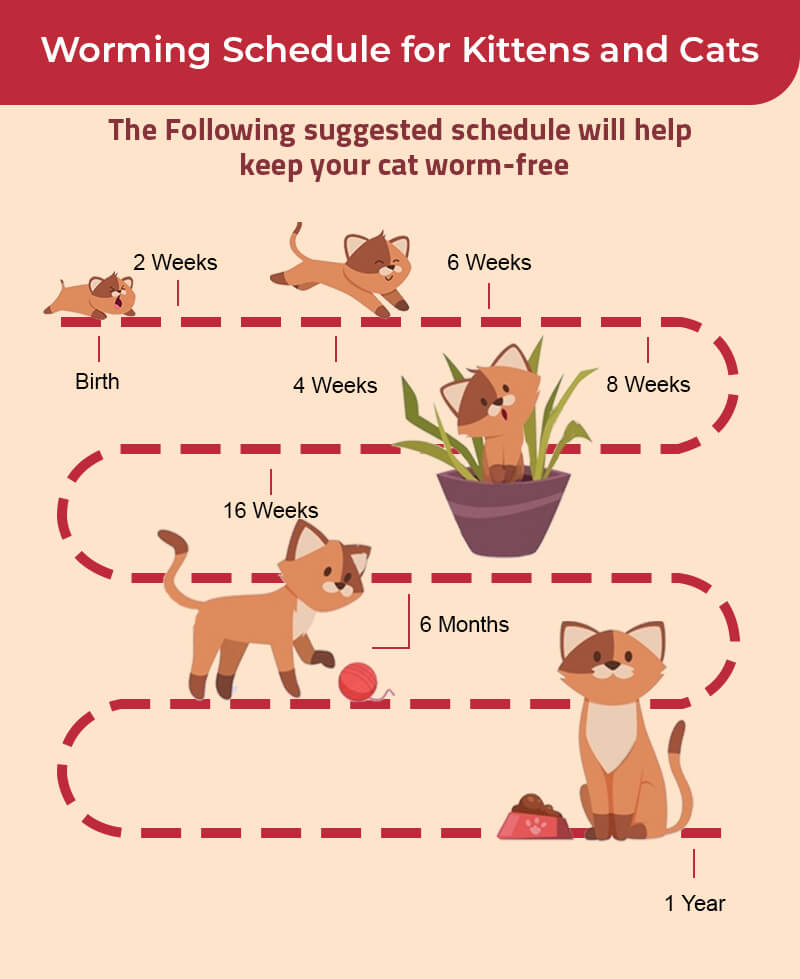
Preventive measures are essential. Regular deworming schedules help maintain your cat’s health. Hygiene is also key. Keeping your cat’s environment clean reduces risk. Consult your vet for best practices.
Factors Affecting Deworming Success
Deworming success in cats depends on the worm type, the medication used, and the cat’s health. Worms usually leave within days, but a vet check ensures complete removal. Regular deworming and monitoring help keep your cat healthy and worm-free.
Deworming your cat can seem like a straightforward task, but the success of the treatment often depends on several factors. Have you ever wondered why some cats clear worms faster than others? Understanding these factors can help you ensure your furry friend is healthy and worm-free in no time.
1. Type Of Worm Infestation
Different types of worms require different treatments. Tapeworms, for instance, might need a different medication than roundworms. Identifying the specific worm can speed up recovery. Have you noticed any signs that point to a particular type of worm? This could guide your vet in choosing the right treatment.
2. Medication Effectiveness
Not all deworming medications work the same way. Some may act faster and more effectively than others. Your vet might recommend a specific brand based on your cat’s needs. Always check with your vet about the most effective option. You want to make sure your cat gets the best care possible.
3. Your Cat’s Health
A cat’s overall health can impact how quickly it recovers from a worm infestation. A strong immune system can help fight off the infection faster. Is your cat eating well and active? If not, it might be worth discussing additional health support with your vet.
4. Environmental Factors
The environment your cat lives in can also affect deworming success. If your cat has access to areas where worms are prevalent, reinfection could occur. Consider whether your cat roams outdoors or interacts with other animals. Taking preventive measures can help maintain a worm-free zone.
5. Follow-up Care
After initial treatment, follow-up care is crucial. Regular check-ups and possibly additional doses ensure that all worms are gone. Are you scheduling regular vet visits for your cat? This could be the key to long-term success in keeping those pesky parasites at bay. Do you feel ready to tackle these factors to ensure your cat’s speedy recovery? Understanding them can make a huge difference. Your cat deserves the best care, and being informed is your first step.
Credit: www.canadapetcare.com
Frequently Asked Questions
Do Cats Poop Out Live Worms After Being Dewormed?
Yes, cats can poop out live worms after being dewormed. Deworming medication expels worms from the intestines, making them visible in feces. Always consult a vet for proper treatment and follow-up care. Regular check-ups ensure your cat remains healthy and worm-free.
How Will I Know If My Cat’s Worms Are Gone?
Observe your cat’s stool for worms or eggs. Check for improved appetite and energy levels. Consult your vet for a fecal exam to confirm. Regular check-ups ensure your cat remains worm-free.
Do I Need To Disinfect My House If My Cat Has Worms?
Yes, cleaning your house is important to prevent worm spread. Vacuum and wash bedding regularly. Disinfect litter boxes and floors. Maintain good hygiene to protect your family and pets from potential infections. Consult a veterinarian for specific guidance on treating and preventing worms in cats.
How Do I Know If Dewormer Is Working On My Cat?
Monitor your cat for reduced worms in feces, improved appetite, and increased energy. Observe fewer digestive issues. Consult your vet if symptoms persist. Regular follow-ups ensure effectiveness.
Conclusion
Deworming a cat takes time to show full results. Typically, worms clear up within a few days. Always follow your vet’s instructions closely. Keep an eye on your cat’s health. Clean the litter box regularly. This prevents re-infection. Some cats may need a follow-up treatment.
Consult your vet if you notice any symptoms. Maintaining a regular deworming schedule is crucial. Protects your cat and others in your home. Remember, a healthy cat is a happy cat. Regular vet check-ups ensure your cat stays worm-free. Your attention to this detail keeps them safe and healthy.

Hi, I’m Taylor Morgan, the heart behind CATWhisk! As a lifelong cat enthusiast with a passion for feline care and behavior, I focus on providing reliable, practical, and engaging advice to cat parents everywhere. From health tips to fun DIY projects, my mission is to help you and your whiskered companions live your best lives together.