

Last Updated on June 17, 2026
Are you captivated by the tiny paws and curious eyes of a kitten? If you’re a cat lover or a new pet parent, you might be wondering, “How long is a cat a kitten?”
Understanding the kitten phase is essential for providing the best care and ensuring a healthy transition into adulthood. You’ll discover why kittens grow so fast, when they typically outgrow their playful nature, and how this impacts their behavior and needs.
This article is packed with insights that will help you nurture your furry friend during this adorable yet fleeting stage. Get ready to unlock the secrets of your kitten’s growth and development!

Credit: www.corvalliscatcare.com
Kittenhood Duration
Understanding how long a cat remains a kitten helps cat owners. The kittenhood phase is a vital time in a cat’s life. During this period, kittens experience rapid growth and development. They learn essential social and survival skills. Knowing the duration of kittenhood helps in providing proper care.
What Defines Kittenhood?
Kittenhood begins at birth and lasts until around 12 months. This stage is marked by playful behavior and curiosity. It’s a time of learning and exploration for young cats. They develop their senses and motor skills during this phase.
Early Kitten Stages
The first few weeks are crucial for a kitten. Newborn kittens are blind and deaf initially. They depend heavily on their mother for warmth and food. By the third week, they begin to open their eyes. They start hearing and exploring their surroundings.
Socialization Phase
Between two to seven weeks, kittens learn social skills. Interaction with littermates and humans is crucial. This period shapes their future behavior and temperament. They learn to play gently and communicate effectively.
Juvenile Stage
From three to six months, kittens grow rapidly. They start losing their baby teeth and develop adult teeth. Their hunting instincts become more apparent. This is a time of increased activity and energy.
By six to twelve months, kittens become more independent. They still exhibit playful behavior but mature gradually. At this stage, they reach sexual maturity. It’s a good time to consider spaying or neutering.
Why Understanding Kittenhood Matters
Knowing kittenhood duration helps in providing age-appropriate care. Proper nutrition, socialization, and vet visits are essential. It ensures your cat grows into a healthy and happy adult.
:strip_icc()/your-kittens-first-year-552271_Final-e950d40175a344128f349604e9b0360e.png)
Credit: www.thesprucepets.com
Developmental Milestones
Understanding the developmental milestones of a kitten is fascinating. Cats grow quickly in their first year. They transform from playful kittens to mature cats. Each stage has unique characteristics. Observing these changes helps us appreciate their growth.
Physical Growth
Kittens grow rapidly in their first six months. They gain weight and height quickly. Their bodies develop muscle and coordination. By six months, they start resembling adult cats.
Teething And Dental Development
Teething begins around three weeks of age. Milk teeth emerge first. By six months, they have adult teeth. This is crucial for their ability to eat solid food.
Social Behavior
Social skills develop during early weeks. Kittens learn to interact with littermates. They practice play and hunting skills. By eight weeks, they show independence and curiosity.
Motor Skills
Motor skills improve rapidly. By four weeks, kittens start walking. They explore their environment confidently. Jumping and climbing skills emerge by eight weeks.
Communication Skills
Communication skills develop early. Kittens learn to meow and purr. Body language becomes expressive. They communicate needs and emotions effectively.
Weaning Process
Weaning starts around four weeks. They gradually shift from milk to solid food. By eight weeks, they eat independently. This marks an important milestone.
Emotional Development
Emotions develop alongside physical growth. Kittens show affection and attachment. They bond with humans and other animals. Emotional maturity progresses throughout kittenhood.
Transition To Adulthood
Cats grow quickly during their first year. A kitten is typically considered an adult at one year old. During this time, they transition from playful kittens to independent cats. Understanding this helps in providing appropriate care and nutrition.
The transition from kitten to adult cat is a fascinating journey that every cat owner witnesses firsthand. It’s a period filled with growth, change, and new behaviors. As your fluffy friend matures, you might notice subtle shifts in its demeanor and habits. Understanding these changes can help you better support your cat during this critical phase of its life.
Understanding Growth Milestones
Kittens typically grow rapidly during their first six months. This is when they develop essential skills like hunting and social interaction. Around the six-month mark, growth slows, signaling the onset of adolescence. You might notice your kitten becoming more independent or testing boundaries. Recognizing these growth milestones can help you anticipate and adapt to your kitten’s evolving needs.
Behavioral Changes
As kittens mature, they undergo significant behavioral shifts. You might see them become less playful and more solitary. This is normal as they start to establish their adult personality. Some cats might become more affectionate, while others might prefer their alone time. It’s important to respect these changes and give your cat the space it needs.
Feeding Adjustments
With growth comes dietary changes. Kittens require more nutrients for development, but adult cats need a balanced diet to maintain their health. Transitioning to adult cat food around the one-year mark is crucial. Monitor your cat’s weight and adjust portions accordingly. It’s a good idea to consult your vet for personalized advice.
Health Monitoring
Regular vet check-ups become even more important as your kitten transitions to adulthood. This is the time to discuss vaccinations, spaying or neutering, and overall health. Keeping an eye on your cat’s physical changes and behaviors can alert you to potential health issues early. It’s your responsibility to ensure your pet’s health remains a priority.
Social Dynamics
Kittens are social creatures but may change their social preferences as they grow. They might become less interested in playing with other pets or more attached to you. Understanding these shifts can enhance your bond with your cat. Encourage positive interactions and respect their social boundaries. As you witness your kitten’s journey into adulthood, what surprising changes have you noticed? Each cat is unique, and their transition is filled with unexpected moments. Share your experiences and insights, and embrace this rewarding journey together.
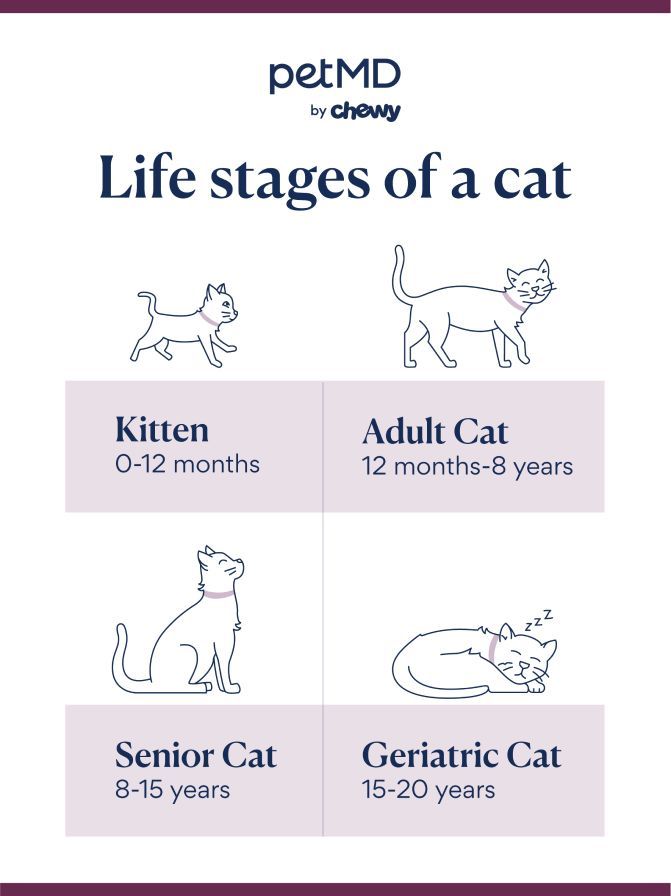
Credit: www.petmd.com
Frequently Asked Questions
At What Age Is A Cat No Longer A Kitten?
Cats are considered adults at one year old. They are no longer kittens at this age. Cats mature quickly, reaching adulthood faster than dogs. Understanding feline growth stages helps in proper care and nutrition. A year marks their transition from playful kittens to more settled adults.
What Is The 3-3-3 Rule For Cats?
The 3-3-3 rule for cats helps them adjust in new homes. It suggests expecting 3 days for initial settling, 3 weeks for developing routines, and 3 months for full adjustment. This timeline can vary, but it guides pet owners in understanding a cat’s adaptation process.
Is A 2 Year Old Cat A Kitten?
A 2-year-old cat is not a kitten. Cats are generally considered adults at one year. They are more independent and mature compared to kittens. At this age, they have usually reached full size and exhibit adult behavior patterns.
At What Age Do Kittens Finally Calm Down?
Kittens typically calm down by the age of 1 to 2 years. During this time, their playful energy decreases. Regular interaction and play can help manage their behavior. Providing toys and activities supports their transition to adulthood. Patience is key in guiding them to become more relaxed and sociable.
How Long Does A Cat Stay A Kitten?
Cats are kittens until about one year old. Some mature faster, around eight months.
Conclusion
Understanding kitten growth is vital for cat owners. Kittens usually grow rapidly. By 12 months, most become adult cats. During this time, ensure proper nutrition and care. Playtime and socialization are essential. They help in developing healthy behavior. Regular vet visits are important too.
They ensure your kitten stays healthy. Enjoy this playful phase. It’s a special time for bonding. Cherish the moments of kittenhood. They grow up fast! Stay informed and attentive. This ensures a happy, healthy life for your cat.

Hi, I’m Taylor Morgan, the heart behind CATWhisk! As a lifelong cat enthusiast with a passion for feline care and behavior, I focus on providing reliable, practical, and engaging advice to cat parents everywhere. From health tips to fun DIY projects, my mission is to help you and your whiskered companions live your best lives together.