Have you ever found yourself staring at a bag of cat food, wondering just how much your feline friend should eat each day? You’re not alone.
Many cat owners grapple with the question of how to strike the perfect balance between underfeeding and overindulging their pets. After all, maintaining your cat’s health is crucial, and the amount you feed them plays a significant role in their well-being.
But don’t worry—you’re about to discover the secrets to ensuring your cat’s meals are just right. By the end of this article, you’ll have the confidence to feed your cat with precision and care. Let’s dive into the details that will keep your furry companion healthy and happy!
Credit: wb-iisg.com
Factors Influencing Cat’s Diet
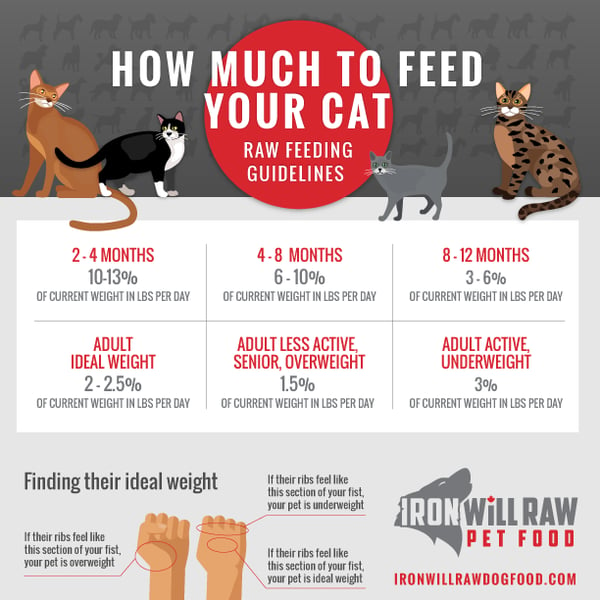
A cat’s daily food intake depends on age, weight, and activity level. Adult cats usually require around 200-300 calories each day. Consult a vet to ensure proper nutrition and portion sizes for optimal health.
Understanding how much food your cat should eat each day is not as simple as following a one-size-fits-all rule. Various factors influence a cat’s diet, making it essential for you to consider each one carefully. Let’s look at these factors so you can ensure your furry friend stays happy and healthy.
1. Age And Life Stage
Kittens have different dietary needs compared to adult cats. They require more calories and nutrients to support their rapid growth. On the other hand, senior cats might need fewer calories due to a slower metabolism.
2. Activity Level
Is your cat a playful explorer or a laid-back nap enthusiast? Active cats burn more energy and might need more food to maintain their energy levels. In contrast, less active cats could gain weight if overfed.
3. Weight And Body Condition
Understanding your cat’s current weight and body condition is vital. A cat that is underweight will need more nutrition, while an overweight cat might require a reduced-calorie diet. How does your cat’s physique measure up?
4. Health Concerns
Certain health conditions, like diabetes or kidney disease, can influence how much and what type of food your cat should consume. Consulting your vet for dietary advice tailored to your cat’s health needs is crucial.
5. Type Of Food
Wet food, dry kibble, or a mix of both? Each type has different caloric densities. For instance, wet food often contains more moisture and fewer calories per gram compared to dry food. Have you checked the label on your cat’s food recently?
6. Quality Of Food
Not all cat foods are created equal. High-quality foods usually have better nutritional content, meaning your cat might need less of it. Investing in quality food can be a game-changer for your cat’s health.
7. Spayed Or Neutered Status
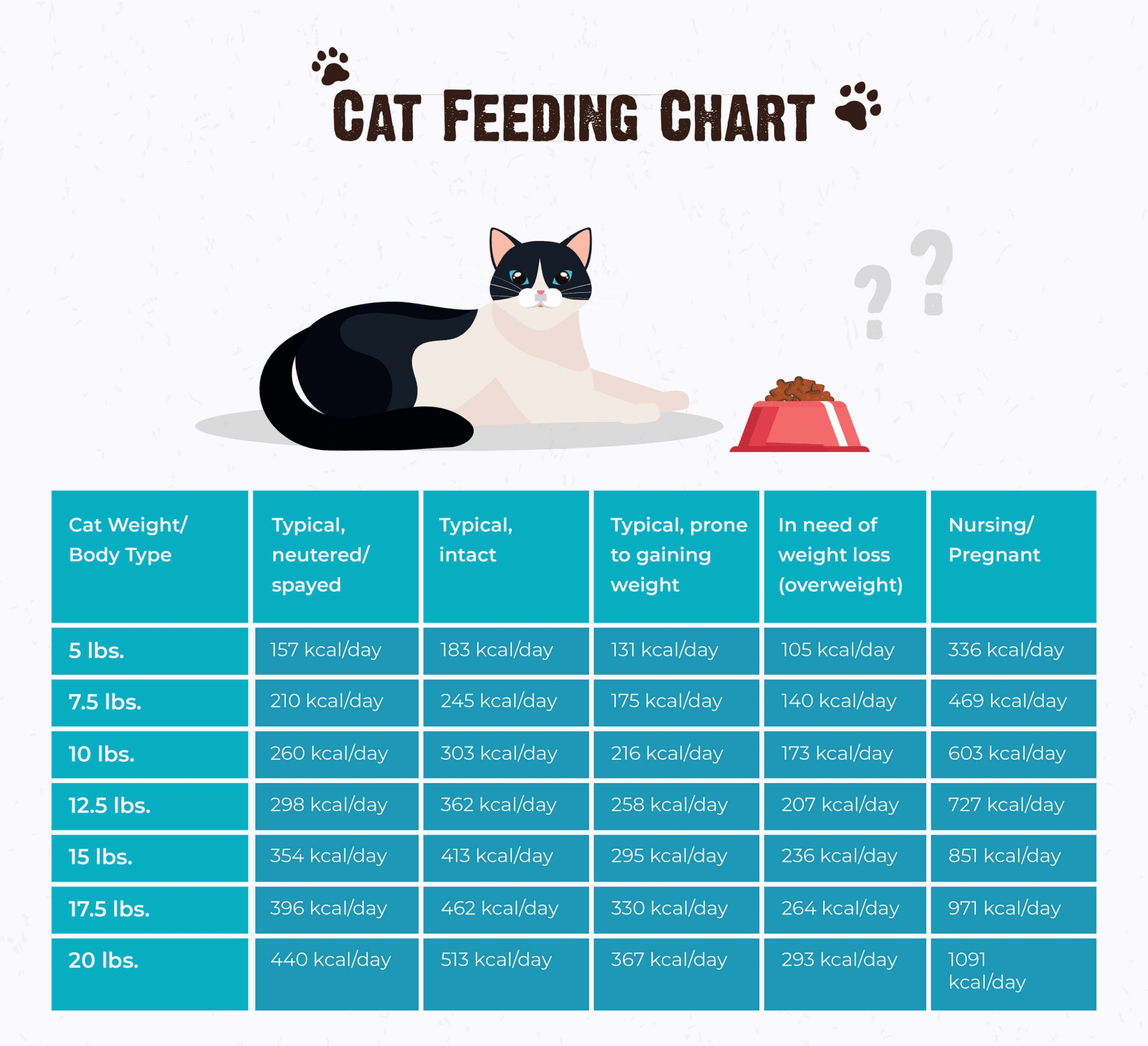
Spaying or neutering can affect your cat’s metabolism. These cats often have reduced energy needs and could be more prone to weight gain if their food intake isn’t adjusted accordingly.
8. Environmental Factors
The temperature and environment where your cat lives can also play a role. Cats in cooler climates might need more calories to maintain body heat, while those in warmer areas may require less. How do these factors align with your cat’s current diet? Taking a closer look at these aspects will guide you in making informed decisions about your cat’s daily food intake. Regularly monitoring and adjusting their diet ensures they remain energetic and content.
Credit: www.consolata.org
Recommended Daily Portions
Understanding the right amount of food for your cat can be a tricky business. You want to ensure they’re getting enough nutrition without overfeeding them. It’s crucial to know the recommended daily portions for your feline friend to keep them healthy and happy. Let’s break it down into manageable pieces.
Understanding Your Cat’s Needs
Every cat is unique. Their daily food needs depend on various factors like age, weight, and activity level. A young, energetic kitten will likely need more calories than an older, sedentary cat. Take a closer look at your cat’s lifestyle to determine their specific needs.
Consult The Feeding Guidelines
Most cat food packages come with feeding guidelines. They offer a general idea of how much to feed your cat based on their weight. However, these are just starting points. You might need to adjust the portions based on your cat’s individual requirements.
Adjust Portions For Weight Management
Is your cat gaining weight or looking a bit thin? You may need to tweak their food portions. If your cat is overweight, consider reducing their daily intake slightly. Conversely, increase the portions if they’re underweight. Monitor their weight regularly to find the perfect balance.
Use A Measuring Tool
Eyeballing portions can lead to overfeeding or underfeeding. Invest in a simple measuring cup to ensure you’re giving the right amount. This small step can make a big difference in maintaining your cat’s health.
Include Treats Sparingly
Treats are a great way to reward your cat, but they should not make up a significant portion of their diet. Use treats sparingly and factor them into the daily calorie count. This helps prevent excessive calorie intake.
Monitor Eating Habits
Observe your cat’s eating habits. Are they leaving food in the bowl or begging for more? Adjust accordingly. Sometimes, changes in appetite can indicate health issues, so keep an eye on any unusual patterns.
Have you ever wondered if your cat is eating too much or too little? It’s something every pet owner should consider. By paying attention to the recommended daily portions, you can help ensure your cat lives a healthy, balanced life. Remember, a well-fed cat is a happy cat!
Signs Of Overfeeding Or Underfeeding
Understanding your cat’s dietary needs is crucial. Overfeeding or underfeeding can affect their health. Knowing the signs helps maintain your cat’s well-being.
Signs Of Overfeeding
Overfeeding leads to weight gain. Your cat may become lazy or less active. Notice if your cat is grooming less. This could be due to difficulty reaching parts of its body.
Check if your cat is eating out of boredom. This can signal a problem. Watch for frequent begging or cries for food. It may indicate excess feeding.
Signs Of Underfeeding
Underfeeding can make your cat look thin or malnourished. Notice if your cat’s ribs are easily visible. This is a sign of insufficient food.
Your cat might seem weak or tired. This can be due to low energy from lack of food. Check for dull fur or flaky skin. It may mean your cat is not getting enough nutrients.
Persistent meowing or searching for food can indicate hunger. Monitor your cat’s behavior to ensure they receive adequate food.

Credit: www.expertcatcare.com
Frequently Asked Questions
Is 1 Cup Of Cat Food Too Much?
One cup of cat food might be too much. Portion size depends on your cat’s age, weight, and activity level. Check feeding guidelines on the package and consult your vet for personalized advice. Adjust portions based on your cat’s needs to maintain a healthy weight.
How Much Food Should Your Cat Eat In A Day?
Cats generally need 24 to 35 calories per pound daily. A typical adult cat weighs 8-10 pounds. Feed your cat 200-250 calories daily, split into two meals. Always check with a vet for specific dietary needs. Ensure fresh water is available at all times.
Is 2 Meals A Day Enough For A Cat?
Yes, two meals a day are usually enough for most cats. Ensure each meal is balanced and nutritious. Adjust portions based on your cat’s age, weight, and activity level. Consult your veterinarian for personalized feeding advice. Proper portion control helps maintain a healthy weight and prevents obesity.
Is 2-3oz Cans Of Cat Food Enough?
2-3 oz cans of cat food might be sufficient for small cats. Always consider your cat’s age, weight, and activity level. Consult a veterinarian to ensure proper nutrition. Adjust portions based on your cat’s specific dietary needs. Regularly monitor weight and health for any necessary changes.
How Many Calories Does A Cat Need Daily?
Cats need around 20 calories per pound of body weight daily. This varies with age and activity.
Conclusion
Choosing the right food amount is crucial for your cat’s health. Every cat has different needs, influenced by age, size, and activity level. Monitor your cat’s weight regularly to ensure they maintain a healthy size. Consult your vet for personalized advice if unsure.
Provide fresh water alongside meals to keep your cat hydrated. Remember, a balanced diet supports your cat’s happiness and longevity. Keep these tips in mind to help your cat thrive. Your feline friend deserves the best care possible.

Hi, I’m Taylor Morgan, the heart behind CATWhisk! As a lifelong cat enthusiast with a passion for feline care and behavior, I focus on providing reliable, practical, and engaging advice to cat parents everywhere. From health tips to fun DIY projects, my mission is to help you and your whiskered companions live your best lives together.