
If you’re a cat owner, you’ve probably asked yourself, “How much food should my cat eat?” It’s a common question, yet the answer can feel elusive.
Feeding your feline friend the right amount is crucial not only for their health but also for their happiness. You want to give them just enough to keep them purring, but not too much that they become sluggish or overweight.
Imagine your cat, sleek and satisfied, not begging for more or leaving food in the bowl. This balance is possible and easier than you might think. Understanding your cat’s nutritional needs can transform their life and your peace of mind. In this guide, we’ll dive into the ideal portions for your pet, ensuring they get the nutrients they need without the extra pounds. Your cat’s well-being is just a read away.
Factors Influencing Cat’s Diet
Understanding a cat’s dietary needs can be complex. Cats require balanced nutrition. Various factors influence how much food a cat should eat. Knowing these helps in maintaining a cat’s health.
Age Of The Cat
A kitten needs more calories than an adult cat. Their bodies grow rapidly. Adult cats need fewer calories. Elderly cats might need special diets. Age plays a crucial role in dietary needs.
Cat’s Activity Level
Active cats burn more calories. They need more food to sustain energy. Sedentary cats need fewer calories. Their food intake should be monitored. This prevents obesity.
Health Conditions
Some cats have health issues. Diabetes or kidney problems affect diet. Special diets may be necessary. Consult a vet for dietary advice. Health conditions demand careful attention.
Cat’s Weight
Overweight cats need calorie control. Underweight cats require more nutrients. Maintaining a healthy weight is essential. Regular weight checks are important. Adjust diet according to weight changes.
Type Of Food
Wet and dry foods have different caloric values. Wet food often contains more moisture. Dry food is calorie-dense. Choose food type based on cat’s preference. Balance is key.
Breed Of The Cat
Different breeds have varied dietary needs. Larger breeds might eat more. Smaller breeds require less food. Research breed-specific requirements. Tailor diet to breed characteristics.

Credit: www.expertcatcare.com
Daily Caloric Needs
Understanding your cat’s daily caloric needs is vital for its health. Cats need specific amounts of calories each day. These calories help them stay active and healthy. The right balance keeps them from gaining too much weight.
Factors Affecting Caloric Needs
Several factors influence a cat’s caloric requirements. Age plays a big role. Kittens need more calories than older cats. Activity level matters too. Active cats burn more calories. Health conditions can also affect their needs.
Ideal Caloric Intake For Different Ages
Young kittens need about 200 to 300 calories daily. Adult cats require around 250 to 300 calories each day. Senior cats need fewer calories due to reduced activity.
Adjusting Based On Activity Level
Active cats may need more food. Less active cats should consume fewer calories. Monitor your cat’s activity to adjust their diet accordingly.
Consulting A Veterinarian
A vet can provide guidance on caloric needs. They consider health, age, and lifestyle. Consult them for a tailored feeding plan.
Feeding Tips And Best Practices
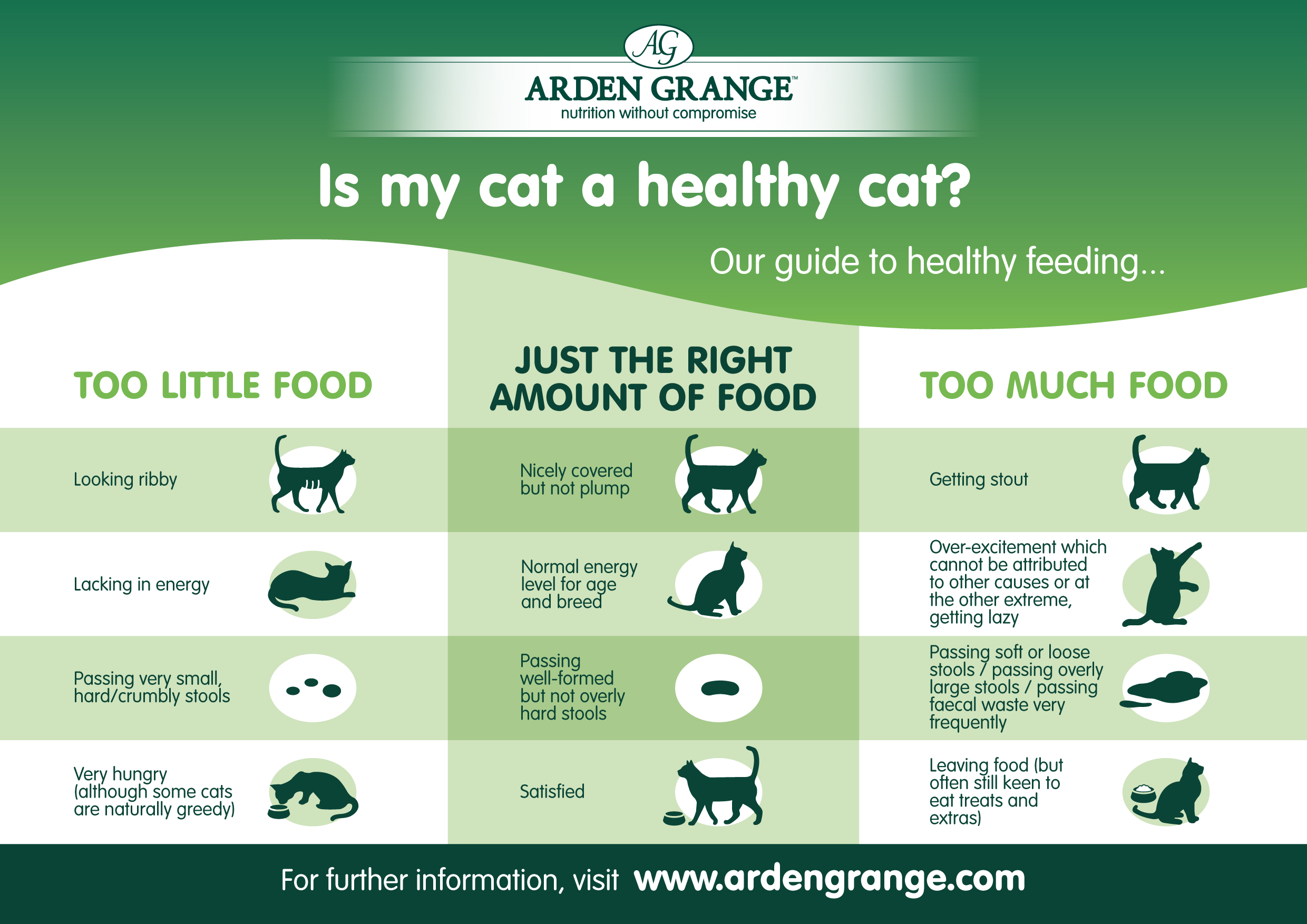
Cats need the right amount of food to stay healthy. Age, weight, and activity level determine how much they should eat. Consult your vet for advice tailored to your cat’s needs.
Feeding your cat requires thoughtful planning. Cats need balanced diets to stay healthy. Ensuring your cat receives the right amount of food is vital. Follow these feeding tips and best practices for your cat’s well-being.
Portion Control
Determining the right portion size for your cat is crucial. Different cats have different needs. Factors like age, weight, and activity level matter. Consult your veterinarian for guidance. They can suggest the correct portion size.
Regular Feeding Schedule
Establish a regular feeding schedule for your cat. Cats thrive on routine. Feed them at the same times daily. This helps maintain their energy levels. It also prevents overeating.
Quality Over Quantity
Choose high-quality cat food. Quality impacts your cat’s health. Look for foods with essential nutrients. Avoid fillers and artificial additives. Your cat’s diet should be rich in proteins and vitamins.
Monitor Weight
Keep an eye on your cat’s weight. Weight changes can signal health issues. Weigh your cat monthly. Adjust food portions if necessary. Maintaining a healthy weight is key to their longevity.
Offer Fresh Water
Always provide fresh water alongside meals. Hydration is essential for your cat’s health. Clean the water bowl daily. Encourage your cat to drink regularly. Proper hydration supports kidney function.
Limit Treats
Limit the number of treats you give. Treats should not exceed 10% of their diet. Too many treats lead to weight gain. Use treats for special occasions or training.
Observe Eating Behavior
Watch your cat’s eating habits. Sudden changes can indicate health issues. Notice if your cat eats too fast or slow. Address any unusual eating patterns. This ensures they are eating comfortably.
Credit: www.ardengrange.com
Credit: www.petmd.com
Frequently Asked Questions
Is 1 Cup Of Cat Food Too Much?
One cup of cat food might be too much, depending on your cat’s age, weight, and activity level. Always follow feeding guidelines on the packaging and consult your veterinarian for personalized advice to ensure your cat’s health and proper nutrition.
Is 2 Meals A Day Enough For A Cat?
Feeding a cat two meals a day is generally sufficient. Ensure each meal is nutritionally balanced. Consult your vet for specific dietary needs based on age, weight, and health. Adjust portions to maintain a healthy weight. Regular feeding schedules help promote routine and well-being.
Do Cats Stop Eating When They Are Full?
Cats generally stop eating when full due to their natural instincts. Overeating might occur if they are stressed or bored. It’s essential to monitor their diet and provide a balanced meal plan to ensure they maintain a healthy weight. Always consult a vet if eating habits change significantly.
Is 2 Cans Of Wet Food A Day Enough For A Cat?
Two cans might be enough for a cat, depending on size, age, and activity level. Check feeding guidelines on the label. Consult your vet for personalized advice. Adjust portions based on your cat’s weight and health needs. Ensure they have balanced nutrition to maintain optimal health.
How Much Should A Kitten Eat Daily?
Kittens need more food. They usually eat 3-4 small meals daily. Consult your vet for specific needs.
Conclusion
Feeding your cat the right amount is crucial. It keeps them healthy. Consider their age, weight, and activity level. Always measure portions carefully. Overfeeding can lead to obesity. Underfeeding can cause malnutrition. Consult your vet for personalized advice. They can help you decide the best diet.
Pay attention to your cat’s behavior. Changes might suggest dietary needs. Remember, every cat is unique. Observing and adjusting their diet is key. This ensures a happy, healthy feline friend. Keep learning and caring for your pet. It’s a rewarding journey for both of you.

Hi, I’m Taylor Morgan, the heart behind CATWhisk! As a lifelong cat enthusiast with a passion for feline care and behavior, I focus on providing reliable, practical, and engaging advice to cat parents everywhere. From health tips to fun DIY projects, my mission is to help you and your whiskered companions live your best lives together.