Ever find yourself staring at a bag of cat food, wondering just how much to feed your feline friend? You’re not alone.
Feeding your cat the right amount can feel like a delicate balancing act. Too much, and you risk obesity. Too little, and you might not be meeting their nutritional needs. This is where a feeding chart in cups can be your best ally.
By the end of this post, you’ll not only understand the perfect portion size for your cat but also gain peace of mind knowing you’re providing the best care possible. Dive in to discover the secrets that every cat owner needs to know, ensuring your kitty stays healthy, happy, and well-fed.

Credit: www.pinterest.com
Factors Affecting Cat Feeding Amounts
Understanding how much to feed a cat is crucial for their health. Various factors affect the ideal feeding amount for your feline friend. These factors ensure your cat receives the right nutrition. Proper feeding helps maintain their weight and overall well-being.
Age And Life Stage
Different life stages require different feeding amounts. Kittens need more nutrients for growth. Adult cats need maintenance-level feeding. Seniors may require special diets. Consider your cat’s age when determining feeding amounts.
Activity Level
Active cats burn more calories. They require more food for energy. Lazy cats may need less. Monitor your cat’s activity to adjust feeding accordingly.
Weight And Body Condition
Overweight cats need fewer calories. Underweight cats need more nourishment. Regularly check your cat’s body condition. Adjust their food intake based on their weight.
Breed And Size
Larger breeds require more food. Smaller cats consume less. Some breeds have specific dietary needs. Take your cat’s breed into account when feeding.
Health Conditions
Certain health issues affect feeding. Diabetes or kidney disease may alter dietary needs. Consult a vet for cats with health conditions. Ensure their diet supports their health.
Type Of Food
Wet and dry foods differ in calorie content. Wet food usually has fewer calories. Dry food tends to be more calorie-dense. Adjust portions based on the type of food.
Neutering Or Spaying
Neutered cats may gain weight easily. Their metabolism changes post-surgery. Adjust their diet to prevent weight gain. Keep them healthy and fit.
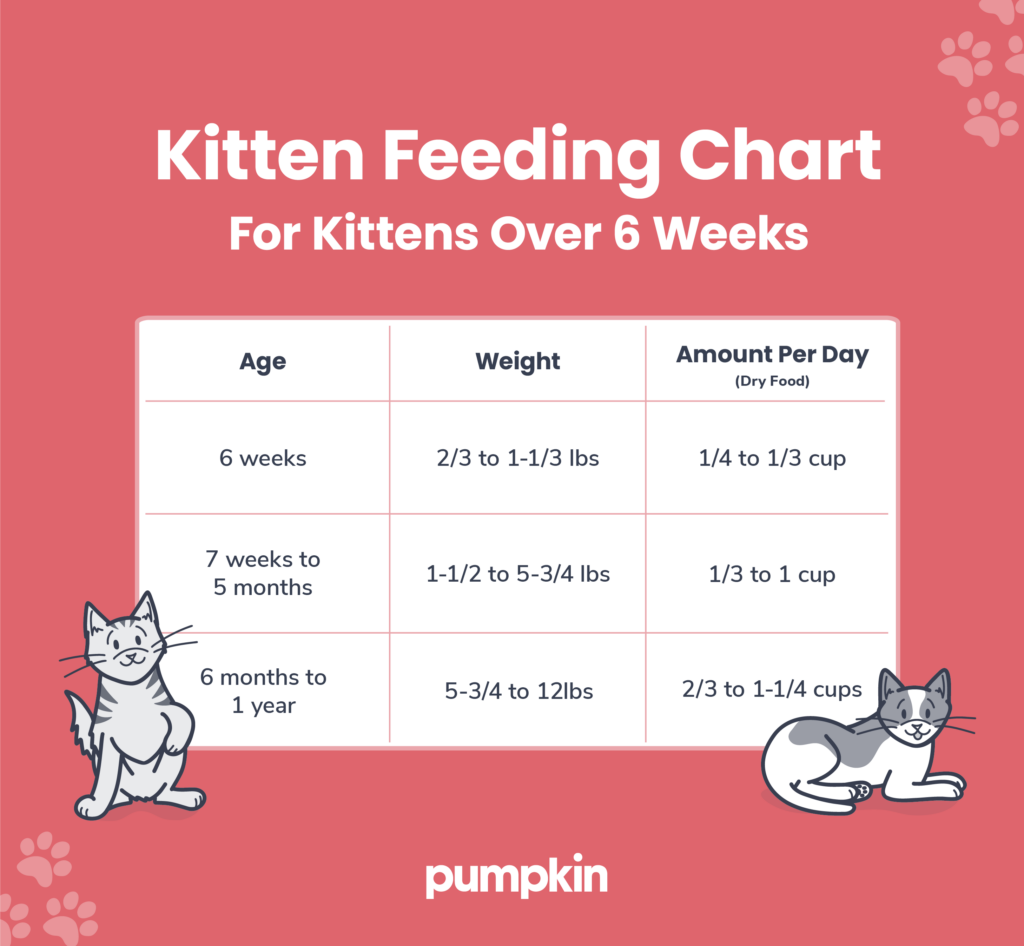
Credit: www.pumpkin.care
Creating A Cat Feeding Chart
Creating a cat feeding chart is essential for maintaining your feline friend’s health. It helps you monitor their food intake and ensure they receive the right nutrients. A well-structured chart simplifies feeding routines and minimizes wastage. Let’s explore how to design an effective feeding chart that suits your cat’s needs.
Understanding Your Cat’s Dietary Needs
Every cat has unique dietary requirements based on age, weight, and activity level. Younger cats often need more calories compared to older cats. Active cats burn more energy and require additional food. Knowing these factors helps tailor a feeding chart that meets their specific needs.
Choosing The Right Food Type
Dry kibble and wet food offer different nutritional benefits. Dry food is convenient and supports dental health. Wet food provides hydration and is often more palatable. A balanced mix can ensure your cat receives essential nutrients. Consider preferences and health conditions when selecting food types.
Determining Portion Sizes
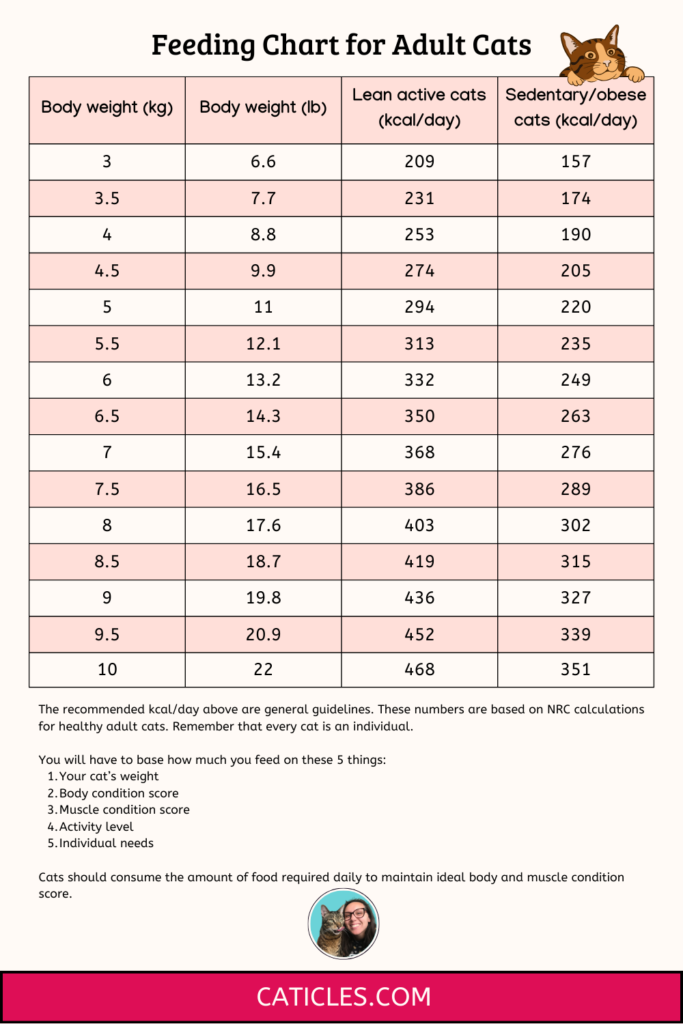
Portion size is crucial for maintaining your cat’s weight. Use a measuring cup to ensure accuracy. Overfeeding can lead to obesity and health issues. Consult your veterinarian for recommendations based on your cat’s specific needs. Regularly adjust portions as your cat’s requirements change.
Setting Feeding Times
Consistency in feeding times helps regulate your cat’s digestion. Most cats thrive on two meals a day. Choose times that fit your schedule and stick to them. This routine prevents overeating and reduces stress in cats. Monitor your cat’s response and adjust if necessary.
Monitoring And Adjusting The Chart
Regularly review your cat’s feeding chart for effectiveness. Observe changes in weight and energy levels. Adjust the chart as your cat ages or becomes more active. Keep track of food preferences and health conditions. This ensures that your cat’s dietary needs are consistently met.
Converting Cups To Cat Nutritional Needs
Understanding how much to feed your cat is crucial for its health and happiness. Converting the amount in cups to meet your cat’s nutritional needs can seem daunting. However, with a little knowledge and attention, you can easily ensure your feline friend gets exactly what it requires.
Understanding Cup Measurements And Their Impact
When you think about feeding your cat, you might wonder why the measurement is often suggested in cups. This is because cups provide a convenient way to measure dry cat food. But, what does a cup really mean for your cat’s diet?
Consider the nutritional content of the food in that cup. Does it meet your cat’s caloric needs? For example, one cup of high-calorie food might be too much for a small cat, while a larger cat might need more to maintain energy levels.
Calculating Your Cat’s Daily Caloric Needs
Determining the exact caloric needs of your cat is essential. Every cat is unique, and factors like age, weight, and activity level play a significant role in how much food they need. For instance, a younger, active cat will burn more calories than an older, sedentary one.
Did you know that a typical adult cat requires roughly 20 calories per pound of body weight? Using this as a baseline, you can start calculating the number of cups needed by checking the caloric content listed on your cat food packaging.
Adjusting Portions Based On Your Cat’s Health
Feeding your cat isn’t just about sticking to a chart. It’s also about observing your cat’s health and adjusting accordingly. If your cat gains weight, you might need to reduce the food portion.
Conversely, if your cat seems sluggish or underweight, it might require more food. Have you ever noticed your cat becoming more active after a slight increase in food portions? Such observations can guide you to adjust feeding more accurately.
Monitoring And Tweaking For Optimal Health
Keep an eye on your cat’s weight and energy levels. Regularly check if the feeding chart aligns with your cat’s health. It’s not just about following numbers blindly.
Are you considering changing your cat’s diet or food brand? If so, remember that different brands may have different caloric values per cup. This makes adjusting the amount essential to avoid overfeeding or underfeeding.
Practical Tips For Feeding Your Cat
- Measure food accurately using a standard measuring cup.
- Maintain consistency in feeding times to regulate metabolism.
- Consult your vet for personalized advice, especially if your cat has special dietary needs.
Feeding your cat is more than just filling a bowl. It’s about understanding and meeting their nutritional needs with precision and care. How do you ensure your feline gets the best nutrition possible?
Credit: serasi.tech
Frequently Asked Questions
Is 1 Cup Of Food A Day Too Much For A Cat?
A cup of food daily may be excessive for some cats. Consider their age, weight, and activity level. Typically, adult cats require around 200-250 calories per day. Consult your vet for precise dietary recommendations tailored to your cat’s needs. Proper portion sizes help maintain a healthy weight and prevent health issues.
How Many Cups A Day Does A Cat Need?
Cats typically need about 2/3 to 1 cup of dry food per day. Adjust portion based on weight, age, and activity level. Consult your veterinarian for personalized feeding advice. Proper hydration is crucial, so always provide fresh water alongside food.
How Do I Calculate How Much Food My Cat Needs?
Check your cat’s weight and use the feeding guidelines on the food package. Consider factors like age, activity level, and health. For precise advice, consult your veterinarian. Always provide fresh water alongside meals. Adjust portions if your cat gains or loses weight to maintain a healthy size.
Is 2 Meals A Day Enough For A Cat?
Feeding a cat 2 meals a day is generally sufficient. Ensure the meals are balanced and portioned correctly. Consult your vet for specific dietary needs based on age, weight, and health. Regular feeding routines help maintain healthy weight and digestion.
Always provide fresh water.
How Many Cups Of Food Should I Feed My Cat Daily?
Typically, cats need 1/3 to 1/2 cup of dry food daily. Adjust according to your cat’s size and activity level.
Conclusion
Feeding your cat the right amount is crucial. It keeps them healthy. A feeding chart helps you measure the cups correctly. Every cat is unique. Consider their age, weight, and activity level. Adjust food portions as needed. Regular vet visits ensure your cat’s diet stays balanced.
Use the chart as a guide. But always observe your cat’s condition. Make changes if necessary. Understanding your cat’s needs leads to a happy pet. Keep learning and adapting. Your cat’s health depends on it. Stay attentive and caring. Your furry friend will thank you.

Hi, I’m Taylor Morgan, the heart behind CATWhisk! As a lifelong cat enthusiast with a passion for feline care and behavior, I focus on providing reliable, practical, and engaging advice to cat parents everywhere. From health tips to fun DIY projects, my mission is to help you and your whiskered companions live your best lives together.