

Last Updated on June 17, 2026
Have you ever wondered about the best way to care for your cat’s teeth? You might be surprised to learn that your feline friend needs regular dental attention just like you do.
The question is: how often should you brush your cat’s teeth? Understanding the importance of feline dental health can make a big difference in your cat’s overall well-being. Imagine your cat with fresher breath, a happier demeanor, and fewer trips to the vet for costly dental procedures.
Discover the secrets to maintaining your cat’s oral health, and learn how often brushing can keep those pearly whites in top shape. This guide will give you the confidence to ensure your cat’s mouth stays healthy, making you both happier in the long run. Dive in to find out the ideal brushing frequency and the best practices to protect your cat’s dental health.
Importance Of Dental Care For Cats
Brushing your cat’s teeth regularly keeps them healthy and prevents dental issues. Aim for brushing at least two to three times a week. This practice helps in reducing tartar buildup and keeps gums healthy.
Importance of Dental Care for Cats Proper dental care for cats is crucial for their overall health and well-being. Just like humans, cats can suffer from dental issues that can lead to more serious health problems if left untreated. Regular dental care helps prevent these problems and ensures your feline friend stays happy and healthy.
Why Dental Health Matters For Cats
Dental health is more than just a bright smile for your cat. It affects their ability to eat and enjoy food. If your cat has dental problems, it can lead to pain and discomfort, which can make them less playful and more irritable. Ignoring your cat’s dental needs can also result in more severe conditions like infections that can spread to other parts of their body. When you take care of your cat’s teeth, you are actively contributing to their overall health and longevity.
Common Dental Problems In Cats
Cats can suffer from a range of dental problems. One of the most common is periodontal disease, which affects the gums and structures supporting the teeth. You may notice bad breath, red gums, or difficulty eating in your cat. Another issue is tooth resorption, where the tooth structure breaks down and can lead to painful infections. Regular dental check-ups can help catch these issues early, preventing more severe health problems down the line.
How To Brush Your Cat’s Teeth
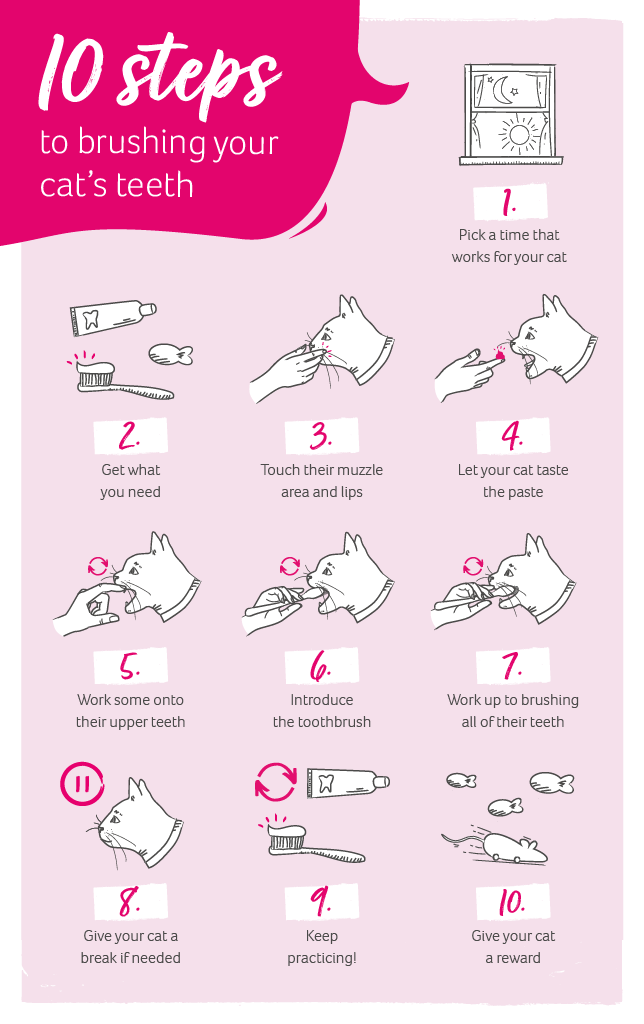
Brushing your cat’s teeth might sound daunting, but it can be manageable with patience. Begin by choosing a cat-specific toothbrush and toothpaste, as human products can be harmful to cats. Start slowly, letting your cat get used to the taste and feel of the toothpaste. Gradually increase to brushing their teeth for a few seconds, then a minute. Consistency is key, so try to make this a routine part of their care.
How Often Should You Brush Your Cat’s Teeth?
Brushing your cat’s teeth ideally should be a daily routine. However, if daily brushing is not feasible, aim for at least three times a week. Regular brushing prevents the buildup of plaque and tartar, reducing the risk of dental disease. If daily brushing seems overwhelming, consult your vet for advice on alternative dental care products that might help.
Alternative Dental Care Options
For those unable to brush their cat’s teeth regularly, there are alternative options. Dental treats and toys can help reduce plaque and tartar. You can also explore water additives that promote dental health. Always ensure any products you use are safe for cats, and consult with your vet for recommendations tailored to your pet’s needs.
By understanding the importance of dental care and committing to a regular routine, you can help your cat maintain a healthy mouth and enjoy a better quality of life. How will you make dental care a priority for your feline companion?
:max_bytes(150000):strip_icc()/woman-brushing-cat-teeth-1192741520-2000-401ecfb514bd43b59f61b5242b0daa80.jpg)
Credit: www.dailypaws.com
Recommended Brushing Frequency
Brushing your cat’s teeth is crucial for their dental health. But how often should you do it? Regular brushing helps prevent plaque buildup, gum disease, and bad breath. Understanding the right frequency can make a significant difference in your cat’s oral hygiene.
Veterinarians recommend brushing your cat’s teeth daily. It might sound challenging, but daily brushing keeps plaque away. Most cats tolerate brushing if introduced gradually. Start with short sessions to ease them into it.
Benefits Of Daily Brushing
Daily brushing reduces the risk of dental issues. It helps maintain healthy gums and teeth. Your cat will have fresher breath. Regular brushing also reduces veterinarian visits for dental problems.
Starting A Brushing Routine
Begin with a gentle approach. Use a cat-friendly toothbrush. Introduce the toothpaste slowly. Let your cat taste it first. Make the experience positive with treats afterward. Patience is key.
Signs Of Dental Problems
Watch for signs like red gums and bad breath. Drooling or difficulty eating are also indicators. If you notice these, consult a vet immediately. Early detection prevents serious issues.
Choosing The Right Tools
Use toothpaste made for cats. Human toothpaste can be harmful. Pick a small, soft-bristled toothbrush. Some cats prefer finger brushes. Experiment to see what works best.
Alternative Dental Care Methods
If brushing daily is difficult, consider dental treats. They help reduce plaque. Dental gels and water additives are other options. These can complement a brushing routine.
Consulting Your Veterinarian
Your vet can offer personalized advice. Regular check-ups are essential. They may suggest professional cleanings if needed. Always follow their recommendations for optimal dental care.
Tips For Effective Brushing
Brushing a cat’s teeth twice a week helps maintain dental health. Use a cat-friendly toothbrush and toothpaste. Regular brushing prevents plaque buildup and keeps gums healthy.
Brushing your cat’s teeth might not be the most glamorous task, but it’s essential for their health. You might wonder how often you should do this and how to make it effective without turning it into a wrestling match. The key is to make the experience as pleasant as possible for both you and your feline friend. Below are some practical tips to help you brush your cat’s teeth effectively.
Start Slowly And Stay Patient
Begin by introducing your cat to the taste of the toothpaste on your finger. Most pet stores offer flavors like chicken or fish that cats tend to like. Let them lick it off to get accustomed to the taste. Gradually move to brushing, being careful to reward your cat with praise or a treat. Have you ever thought about how much easier it is to train a pet when they’re having fun?
Choose The Right Tools
Selecting the right toothbrush and toothpaste is crucial. Opt for a cat-specific toothbrush, which is smaller and designed for their mouths. Human toothpaste isn’t suitable; it can upset your cat’s stomach. You wouldn’t want to brush your teeth with the wrong tools either, would you?
Establish A Routine
Consistency is vital. Aim to brush your cat’s teeth at least two to three times a week. Try to do it at the same time and place to make it part of your routine. Cats are creatures of habit, much like us. Does your cat have a favorite hangout spot where they feel comfortable?
Make It Short And Sweet
Keep brushing sessions brief—just a few minutes each time. Cats have a limited attention span, so you’ll need to work quickly but gently. If you sense your cat getting agitated, stop and try again later. Have you ever tried brushing a squirming cat? It’s not easy!
Watch For Warning Signs
During brushing, pay attention to any signs of discomfort or health issues such as redness, bleeding, or foul odor. These could indicate dental problems that need a vet’s attention. Wouldn’t you rather catch issues early than deal with an emergency later?
Reward And Reinforce
After each session, reward your cat with a treat or some extra playtime. Positive reinforcement helps them associate brushing with a pleasant experience. What’s your cat’s favorite reward? By following these tips, you can keep your cat’s teeth clean without the stress. Remember, your patience and consistency can lead to a lifetime of healthy teeth for your feline friend.
Credit: www.animalfriends.co.uk

Credit: www.expertcatcare.com
Frequently Asked Questions
Is It Okay To Not Brush Your Cat’s Teeth?
Neglecting your cat’s dental care can lead to gum disease and tooth decay. Regular brushing helps maintain oral health. Consult your vet for guidance on proper dental care routines for your cat.
How Often Do I Need To Brush My Cat’s Teeth?
Brush your cat’s teeth daily for optimal oral health. Regular brushing prevents plaque buildup and dental issues. Use a cat-friendly toothbrush and toothpaste to ensure safety and effectiveness. Consistent dental care contributes to a healthier, happier cat and can reduce vet visits related to dental problems.
Is It Necessary To Clean A Cat’s Teeth?
Yes, cleaning a cat’s teeth is essential to prevent dental issues. Regular brushing helps maintain oral health, reducing plaque and tartar buildup. Dental problems can lead to pain and serious health issues. Consult your vet for proper techniques and products to ensure your cat’s dental hygiene is well-maintained.
Do Vets Recommend Brushing Cats’ Teeth?
Vets often recommend brushing cats‘ teeth to prevent dental issues. Regular brushing maintains oral health and reduces plaque buildup. Use a cat-specific toothbrush and toothpaste. Start slowly and make it a positive experience for your cat. Consult your vet for tips on proper brushing techniques.
How Often Should You Brush A Cat’s Teeth?
Brushing daily is ideal. Cats often need regular dental care to prevent plaque and gum disease.
Conclusion
Brushing your cat’s teeth is crucial for their health. Aim for daily brushing. This helps prevent gum disease and bad breath. Start slowly if your cat resists. Use cat-friendly toothpaste and a soft brush. Make it a routine to ensure success.
Dental treats can help in between brushings. Regular vet check-ups are essential. They will spot any dental issues early. A clean mouth means a happy, healthy cat. Your efforts can add years to their life. Keep it simple and consistent.
Your cat will thank you with purrs and cuddles.

Hi, I’m Taylor Morgan, the heart behind CATWhisk! As a lifelong cat enthusiast with a passion for feline care and behavior, I focus on providing reliable, practical, and engaging advice to cat parents everywhere. From health tips to fun DIY projects, my mission is to help you and your whiskered companions live your best lives together.