

Last Updated on June 17, 2026
Have you ever wondered how long your male cat can remain a potential suitor in the feline dating world? Maybe you’re curious about the peak breeding age or when it’s time for your furry friend to retire from his role as a father.
Understanding the breeding lifespan of a male cat can be crucial, especially if you’re considering breeding or are simply fascinated by your pet’s natural instincts. We’ll unravel the secrets of your cat’s biological clock and explore the factors that influence his ability to sire kittens.
Get ready to uncover surprising insights and practical tips that will not only satisfy your curiosity but also help you make informed decisions about your cat’s health and wellbeing.
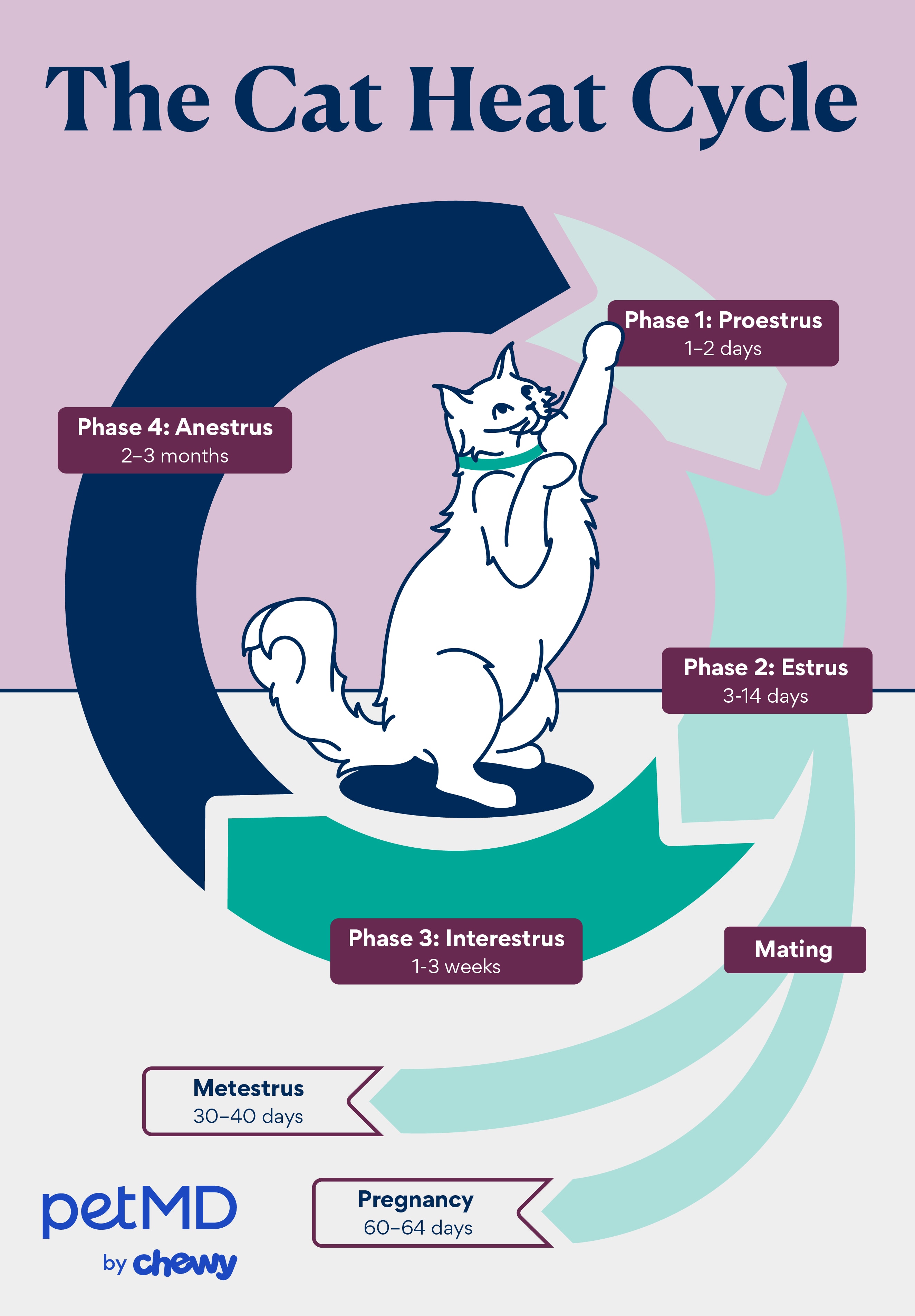
Credit: www.petmd.com
Feline Reproductive Lifespan
Male cats remain fertile throughout their lives, often breeding from six months old. Their ability to sire kittens continues well into their senior years, although fertility may decline with age. Regular veterinary care ensures their reproductive health stays optimal.
Understanding the lifespan of a male cat’s reproductive ability can be crucial for pet owners and breeders. Whether you’re considering breeding your cat or just curious about their natural life stages, knowing when a male cat can breed and for how long is essential. Let’s dive into the feline reproductive lifespan and what it means for your furry friend.
What Is The Typical Age Range For Male Cats To Breed?
Male cats, or toms, typically reach sexual maturity between six and twelve months of age. However, this can vary based on factors like breed and health. Some tomcats may start showing interest in mating as early as five months. As they mature, their reproductive abilities peak around two to four years of age. During this period, they are in their prime and most fertile. It’s the time when their chances of successfully siring a litter are highest.
How Long Can A Male Cat Breed?
Unlike female cats, male cats do not experience a menopause-like phase. They can technically breed well into their senior years. However, their fertility may decline with age. It’s not uncommon to see older male cats, even those over ten years old, still capable of siring kittens. But, the quality of their sperm and interest in mating may decrease. Regular vet check-ups can help monitor their health and reproductive capabilities.
What Factors Affect A Male Cat’s Breeding Potential?
Several factors can influence a male cat’s breeding lifespan. Health plays a significant role. A healthy diet, regular exercise, and routine vet visits ensure your cat remains in good reproductive health. Stress levels also impact a cat’s desire and ability to mate. A calm and stress-free environment promotes a healthier libido. Genetics can also play a part; some breeds naturally have longer reproductive lifespans.
Should You Consider Neutering?
Neutering is often recommended for non-breeding male cats. It helps prevent unwanted litters and can curb aggressive or territorial behavior. Neutered cats are often calmer and less prone to roam. If you’re not planning to breed your cat, neutering can improve their quality of life and reduce health risks. Consult with your vet to discuss the best time for this procedure.
Is Your Cat’s Reproductive Health In Check?
Regular vet visits are crucial in maintaining your cat’s reproductive health. Vets can provide insights into your cat’s fertility and address any concerns you might have. Have you ever noticed changes in your cat’s behavior or health as they age? This might be a cue to pay closer attention to their reproductive health. Engaging with your vet can help ensure your cat remains healthy and happy throughout their life. Understanding your male cat’s reproductive lifespan allows you to make informed decisions about their care. Whether you’re considering breeding or just want to know more about your pet’s natural life stages, this knowledge empowers you to provide the best environment for your furry companion.
Factors Influencing Fertility
Understanding the factors influencing a male cat’s fertility can be insightful. Male cats can breed at various ages, depending on several conditions. These factors dictate how long they stay fertile. Knowing these can help you care for your feline friend effectively.
Age And Health
A male cat’s age plays a significant role in fertility. Younger cats usually have higher fertility rates. As they age, their ability to breed may decrease. Health is crucial too. A healthy cat maintains its reproductive capabilities longer. Regular vet visits ensure your cat stays in top condition.
Genetic Makeup
Genetics influence a cat’s breeding capabilities. Some breeds naturally have longer breeding spans. Others may experience a decline sooner. Understanding your cat’s breed helps predict fertility patterns. This knowledge aids in planning for their reproductive years.
Nutrition And Lifestyle
A balanced diet supports a male cat’s fertility. Nutrients impact reproductive health. Ensure your cat receives quality food. Lifestyle affects fertility as well. Active cats often maintain higher fertility levels. Encouraging play and exercise can be beneficial.
Environmental Factors
Environment influences a cat’s breeding ability. Stress can negatively impact fertility. A calm and stable home environment is ideal. Limiting exposure to harsh conditions supports reproductive health. Your cat’s surroundings play a key role in their ability to breed.
Hormonal Changes
Hormones are crucial in a cat’s reproductive life. Hormonal imbalances can affect fertility. Regular check-ups can detect these issues early. Addressing hormonal changes improves a cat’s breeding potential. Monitoring hormone levels ensures long-term reproductive health.
Signs Of Declining Fertility
Male cats may breed successfully until around age 10. Fertility can decline with age, causing fewer successful matings. Noticeable signs include reduced interest in mating, lower sperm count, and decreased energy levels.
Understanding the signs of declining fertility in male cats is crucial for pet owners. As your feline friend ages, changes in his reproductive capabilities can occur. Recognizing these signs early can help you make informed decisions about his breeding potential and overall health.
Behavioral Changes
Has your cat lost interest in female cats? This can be a sign of declining fertility. A once active breeder might show less enthusiasm during mating seasons. Keep an eye on his interactions with female cats. If his interest wanes, it could indicate a decrease in his reproductive drive.
Reduced Sperm Quality
Age can impact sperm quality in male cats. You might notice a lower success rate in breeding attempts. Veterinarians can conduct tests to assess sperm health. Regular check-ups can provide insights into his fertility status.
Physical Health Issues
Physical health plays a significant role in fertility. Is your cat experiencing weight loss or lethargy? These can be signs of underlying health problems affecting fertility. Addressing these health issues can improve his overall well-being and potentially his breeding capabilities.
Changes In Hormonal Levels
Hormonal changes are another indicator of declining fertility. You might observe shifts in your cat’s mood or energy levels. Hormone imbalances can affect his ability to breed effectively. Consulting with a vet can provide clarity and potential treatment options.
Considerations For Senior Cats
As cats age, breeding can become more challenging. Have you noticed any changes in your senior cat’s behavior or health? It’s essential to evaluate whether breeding is still a viable option. Sometimes, prioritizing health over breeding becomes necessary. How do you decide when it’s time to retire your cat from breeding? Your observations and veterinary advice can guide you. It’s a delicate balance between your cat’s health and breeding potential.
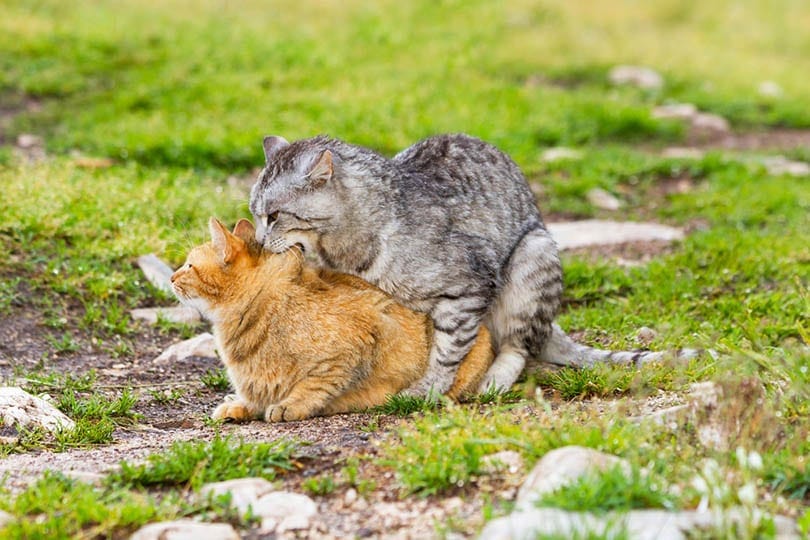
Credit: articles.hepper.com

Credit: www.reddit.com
Frequently Asked Questions
Can A 4 Month Old Male Cat Impregnate A Female?
A 4-month-old male cat usually cannot impregnate a female. Most male cats reach sexual maturity around 6 months. Always consult a vet for specific advice about your pet’s development and reproductive health.
What Age Can A Male Cat Reproduce?
Male cats can start reproducing as early as 5 to 6 months old. Ensure they are healthy and mature before breeding. Regular veterinary check-ups are recommended to confirm their readiness for mating. Early neutering can prevent unwanted litters and health issues.
Always consult a vet for best practices.
What Is The Best Age To Neuter A Male Cat?
The ideal age to neuter a male cat is around 4 to 6 months. Early neutering prevents unwanted behaviors and health issues. Consult your veterinarian for personalized advice.
Can A 10 Month Old Male Cat Mate?
A 10-month-old male cat can mate, as they typically reach sexual maturity between 6 to 12 months. Ensure proper health checks and monitor behavior to prevent unwanted mating.
What Is The Ideal Breeding Age For Male Cats?
Male cats can start breeding around 6 months old. Best age is 1 to 2 years.
Conclusion
Male cats can breed throughout most of their lives. Age impacts their ability, though. Young adulthood is prime time for fertility. As cats age, fertility may decrease. Still, older cats can father kittens. Health and genetics play crucial roles. Regular vet check-ups are vital.
This ensures your cat remains healthy and active. Understanding your cat’s breeding age helps in planning. It also supports responsible pet ownership. Always prioritize your cat’s well-being and health. Keep them happy and healthy for the best breeding outcomes.

Hi, I’m Taylor Morgan, the heart behind CATWhisk! As a lifelong cat enthusiast with a passion for feline care and behavior, I focus on providing reliable, practical, and engaging advice to cat parents everywhere. From health tips to fun DIY projects, my mission is to help you and your whiskered companions live your best lives together.