

You’re relaxing on your couch after a long day, and suddenly you catch a whiff of that unmistakable scent. Cat pee.
It’s not only unpleasant but can also feel like an impossible challenge to tackle. If you’re nodding your head right now, you’re not alone. Many cat owners face the frustration of trying to remove cat pee smell from their beloved furniture.
But don’t worry; you’re about to discover effective solutions that really work. Imagine your home smelling fresh again, and your furniture feeling as good as new. Intrigued? Read on to uncover simple, yet powerful techniques to banish that stubborn odor for good. Your nose will thank you!

Credit: sunrisechemdry.blog
Identifying Stains
Dealing with cat pee on furniture can be challenging. The first step is identifying the stains. This helps in tackling the problem effectively. Stains vary in appearance and smell. Recognizing them quickly is crucial for successful cleaning.
Visual Clues
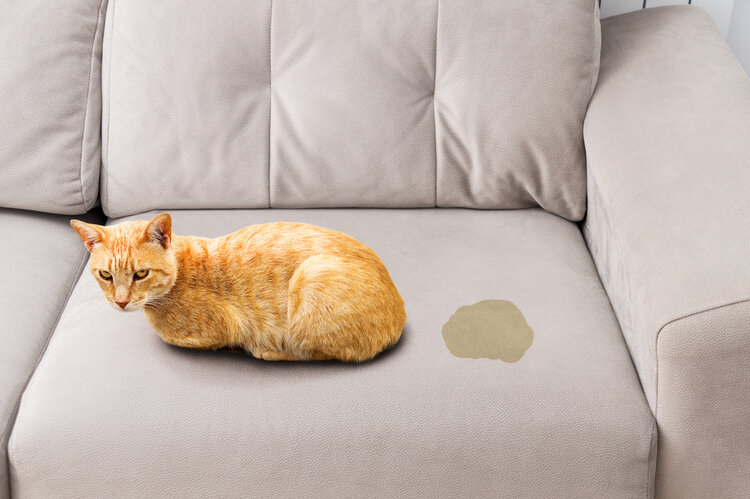
Look for wet spots on the furniture. Fresh stains often appear darker. They may also have a distinct, unpleasant odor. Older stains can leave yellowish patches. These are harder to spot but need attention.
Using A Black Light
A black light can help identify urine stains. It makes them glow under the light. This tool is useful for detecting old or hidden stains. Shine the light over the suspected area. Watch for any glowing patches.
Trust Your Nose
Your sense of smell can guide you to the stains. Cat pee has a strong, ammonia-like odor. Sniff around the furniture cautiously. Pay attention to spots with a lingering smell. This can point you to the source.
Feel For Dampness
Touch the surface gently to check for moisture. Fresh stains often feel damp. Be careful not to spread the stain further. Use gloves to protect your hands. Identifying the exact spot is crucial for effective cleaning.
:strip_icc()/remove-urine-odor-from-laundry-555190_FINAL-0c3497f65b8445819aab6fc316081a0e.png)
Credit: www.thesprucepets.com
Effective Cleaning Solutions
Eliminate cat pee odors from furniture with white vinegar and baking soda. First, blot the area with paper towels. Then, mix equal parts vinegar and water to spray the spot. Sprinkle baking soda, wait for it to dry, and vacuum.
Enjoy fresh-smelling furniture again.
Getting rid of cat pee smell from furniture can feel like a never-ending battle. The odor seems to linger, stubbornly clinging to your cherished pieces. But there’s hope. Effective cleaning solutions can come to your rescue. By choosing the right methods, you can restore freshness to your furniture and reclaim your living space. Let’s dive into some tried-and-true cleaning techniques.
Using Enzymatic Cleaners
Enzymatic cleaners are a lifesaver when dealing with cat urine. These cleaners break down the urine components, eliminating the smell at its source. Look for pet-specific enzymatic cleaners at your local store. Spray generously on the affected area, ensuring the solution reaches deep into the fabric or wood. Allow it to sit for at least 15 minutes before blotting with a clean cloth. Repeat if necessary to completely remove the odor.
White Vinegar And Baking Soda
White vinegar is a natural deodorizer and baking soda is a powerful odor absorber. Combine the two for an effective cleaning duo. Mix equal parts of water and white vinegar in a spray bottle. Lightly mist the urine spot, then sprinkle baking soda on top. Let it dry completely before vacuuming the residue. This method is great for upholstery and can be used on wood with caution.
Hydrogen Peroxide Solution
Hydrogen peroxide is another great option for tackling stubborn urine smells. It’s strong enough to break down urine without damaging most surfaces. Make a solution of hydrogen peroxide and water, adding a few drops of dish soap. Apply gently to the stained area. Use a brush or cloth to work the solution into the fabric or wood. Rinse with water and blot dry. Test on a small area first to ensure it doesn’t bleach or damage your furniture.
Essential Oils For Added Freshness
Once you’ve tackled the smell, you might want to add a pleasant scent to your furniture. Essential oils can help with this. After cleaning, add a few drops of lavender or citrus essential oil to a cloth and wipe down the surface. Not only do these oils smell great, but they also provide an extra layer of protection against future odors. Is there a method you haven’t tried yet? Sometimes experimentation leads to surprising results. Share your experiences or questions in the comments below.
Preventing Future Odors
Eliminate cat pee smell from furniture by cleaning thoroughly and using enzymatic cleaners. Regularly ventilate rooms and use odor-neutralizing sprays to prevent future odors. Protect furniture with washable covers to maintain freshness.
Preventing future odors is key to maintaining a fresh and clean-smelling home. After dealing with the immediate issue of cat pee on your furniture, it’s crucial to focus on strategies that will stop your feline friend from making a habit of it. By implementing preventive measures, you can save yourself time and effort while ensuring your living space remains pleasant.
Ensure Regular Litter Box Cleaning
Cats are finicky creatures. A dirty litter box might push them to find alternative places to relieve themselves. Make it a habit to scoop the litter box daily and change the litter at least once a week. A clean litter box is more inviting and can prevent accidents on your furniture.
Provide Multiple Litter Boxes
If you have more than one cat, one litter box might not suffice. Ensure you have one litter box per cat, plus one extra. This reduces territorial disputes and ensures each cat has easy access when nature calls.
Choose The Right Litter
Not all litters are created equal. Some cats might prefer one type over another. Experiment with different brands and types of litter to find one that your cat likes. A happy cat with a preferred litter type is less likely to avoid the litter box.
Identify Stress Triggers
Cats often urinate outside the litter box due to stress. Consider recent changes in your household. New pets, rearranged furniture, or even a new baby might be causing anxiety. Address these stressors by providing your cat with a safe, quiet space.
Use Furniture Protectors
Protect your furniture by using covers or throws that are easily washable. These can act as a barrier, making it less likely for odors to penetrate deeply into your furniture. Plus, they add a layer of style to your living space.
Train Your Cat With Positive Reinforcement
Reward your cat with treats or praise when they use the litter box. Positive reinforcement can encourage good habits. Over time, your cat will associate the litter box with positive experiences, reducing the likelihood of accidents.
Consult A Veterinarian
If your cat continues to urinate outside the litter box despite your efforts, it might be time to consult a vet. There could be underlying health issues at play. A professional can offer insights and solutions tailored to your pet’s needs. Have you ever had to deal with persistent odor issues from your cat? What solutions have worked best for you? Share your thoughts and experiences in the comments below.
Credit: www.catster.com
Frequently Asked Questions
What Kills Cat Urine Smell On Furniture?
Use an enzymatic cleaner to eliminate cat urine odor on furniture. Vinegar and baking soda can also help. Ensure the area is thoroughly cleaned and dried to prevent lingering smells.
How Do You Get Urine Smell Out Of Couch?
Blot the area with paper towels to absorb urine. Mix equal parts water and vinegar. Spray on the spot. Let it sit for 10 minutes. Blot with a clean cloth. Sprinkle baking soda, leave overnight, then vacuum. Repeat if necessary for lingering odor.
How Long Does Cat Pee Smell Last On Furniture?
Cat pee smell on furniture can last for weeks if not treated properly. Clean the area immediately with enzymatic cleaners to neutralize the odor. Regular airing and using odor-neutralizing sprays can help remove lingering smells. Prompt action is key to preventing the odor from embedding in the furniture.
What Removes Cat Urine Smell From Furniture?
Vinegar and baking soda work wonders. Mix them with water. Apply to affected area. Let it sit. Clean it thoroughly.
Can Cat Pee Smell Be Completely Eliminated?
Yes, it can. Use enzyme cleaners. They break down odor-causing proteins. Repeat as needed. Follow with ventilation.
Conclusion
Eliminating cat pee smell from furniture can be challenging. But it’s possible. Act quickly for the best results. Use natural solutions like vinegar and baking soda. Enzyme cleaners work well too. They break down odor-causing proteins. Always test any cleaner on a hidden spot first.
Be patient and persistent in your efforts. Regular cleaning helps prevent future accidents. Keeping your furniture fresh is achievable with the right approach. Your home can smell pleasant again. Enjoy a clean and comfortable living space. Remember, consistency is key.
Happy cleaning!

Hi, I’m Taylor Morgan, the heart behind CATWhisk! As a lifelong cat enthusiast with a passion for feline care and behavior, I focus on providing reliable, practical, and engaging advice to cat parents everywhere. From health tips to fun DIY projects, my mission is to help you and your whiskered companions live your best lives together.