

Last Updated on February 18, 2026
Are cat fleas driving you and your furry friend up the wall? You’re not alone.
These tiny pests can cause big problems for both you and your cat, turning your home into an itchy battleground. But don’t worry; you’re about to discover effective solutions that will help you reclaim your space and bring peace back to your household.
Imagine a life where your cat lounges comfortably without constant scratching, and you can relax without worrying about fleas. Sounds great, right? Stay with us as we dive into practical tips and tricks that will show you exactly how to get rid of cat fleas for good. Your journey to a flea-free home starts now.
Credit: www.petmd.com
Contents
Identifying Flea Infestations
Spotting flea infestations early is crucial. Tiny black specks on your cat’s fur may indicate fleas. Regular grooming and inspecting your pet’s skin can help identify these pesky parasites before they multiply.
Identifying flea infestations early is crucial for maintaining your cat’s health and comfort. Fleas can be more than just a nuisance; they can cause serious health issues for your pet and even infest your home. Knowing the signs of a flea infestation can help you take quick action to protect your furry friend.
What Are Fleas?
Fleas are tiny, wingless insects that thrive on the blood of animals, particularly cats and dogs. They are difficult to spot because they are only about 1/8 inch long. If you notice your cat scratching more than usual, it could be a sign of fleas. Fleas move quickly through your pet’s fur, making them hard to catch.
Common Signs Of Flea Infestation
One of the most obvious signs is excessive scratching. If your cat seems to be on a scratching frenzy, check for fleas. You might also notice small red bumps on your cat’s skin, especially around the neck, back, and tail. These are flea bites, and they can be very itchy for your cat.
Inspecting Your Cat’s Fur
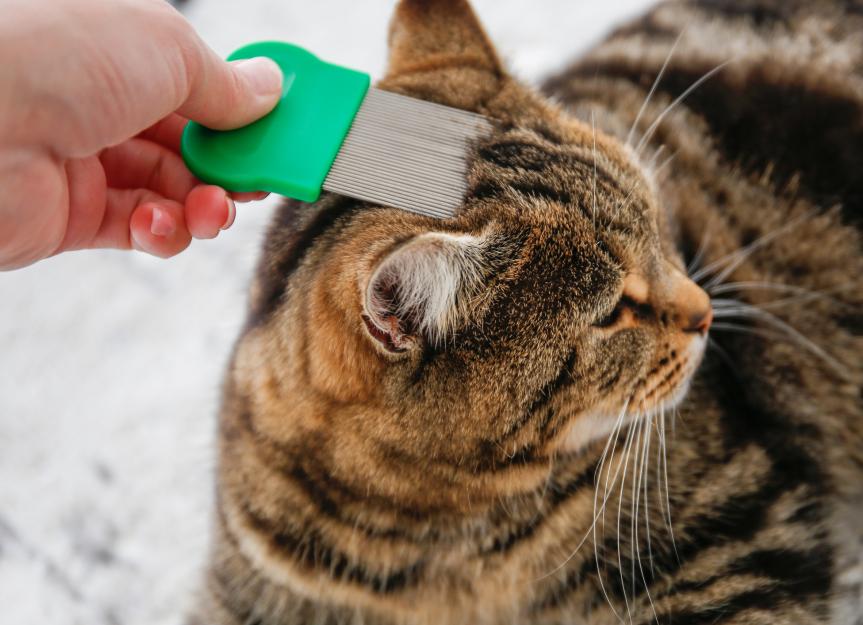
Use a fine-toothed flea comb to check your cat’s fur. Part the fur to look closely at the skin. Look for tiny black specks, commonly known as flea dirt. Flea dirt is actually flea feces, which is digested blood. If you find any, wipe it on a damp white paper towel. If it turns red, it’s a clear indication of fleas.
Checking Your Home Environment
Fleas don’t just stay on your pet. They can easily transfer to your home environment. Check your cat’s bedding, your carpets, and any upholstered furniture. If you see small, dark moving dots, you probably have fleas.
Using Technology To Help
In today’s digital age, even flea detection has gone high-tech. There are apps that can help you track flea activity in your area. These apps use data from other users to alert you of potential flea outbreaks. It’s like a neighborhood watch, but for fleas.
Personal Experience With Flea Infestations
I once noticed my cat, Whiskers, scratching incessantly. At first, I dismissed it as a minor itch. But when I found flea dirt on his favorite nap spot, I knew it was time for action. It made me realize how quickly a small issue can escalate into a larger problem if ignored. Have you ever found flea dirt or suspected a flea infestation on your pet? How did you tackle it? Detecting fleas early can save a lot of hassle and protect your pet’s health. Keep an eye out for these signs and act fast. Your pet—and your home—will thank you.
Home Remedies And Prevention
Dealing with cat fleas at home can be frustrating. These tiny pests can cause discomfort to your feline friend. They can also invade your home environment. Understanding home remedies and prevention can help manage these unwelcome guests. It’s essential to keep your home flea-free and your cat happy.
Home Remedies For Cat Fleas
Natural remedies can be effective in controlling fleas. Try a lemon spray on your cat’s fur. Boil sliced lemons and let them soak overnight. Spray the mixture lightly on your cat’s coat. The citrus scent repels fleas.
Baking soda can be another useful tool. Sprinkle it on carpets and furniture. Leave it for a few hours, then vacuum. This disrupts the flea life cycle.
Apple cider vinegar can also help. Mix equal parts of vinegar and water. Spray lightly on your cat’s fur. The smell deters fleas from settling.
Preventing Cat Fleas
Regular cleaning is key to prevention. Vacuum carpets and floors often. Wash pet bedding in hot water weekly. This reduces flea eggs in your home.
Brush your cat regularly. This helps in spotting fleas early. Use a flea comb for best results. Check areas like the neck and tail.
Consider using flea collars. They provide ongoing protection. They are simple to use and effective.
Keep your yard clean and tidy. Trim grass and remove debris. This limits places where fleas breed.
Veterinary Treatments And Products
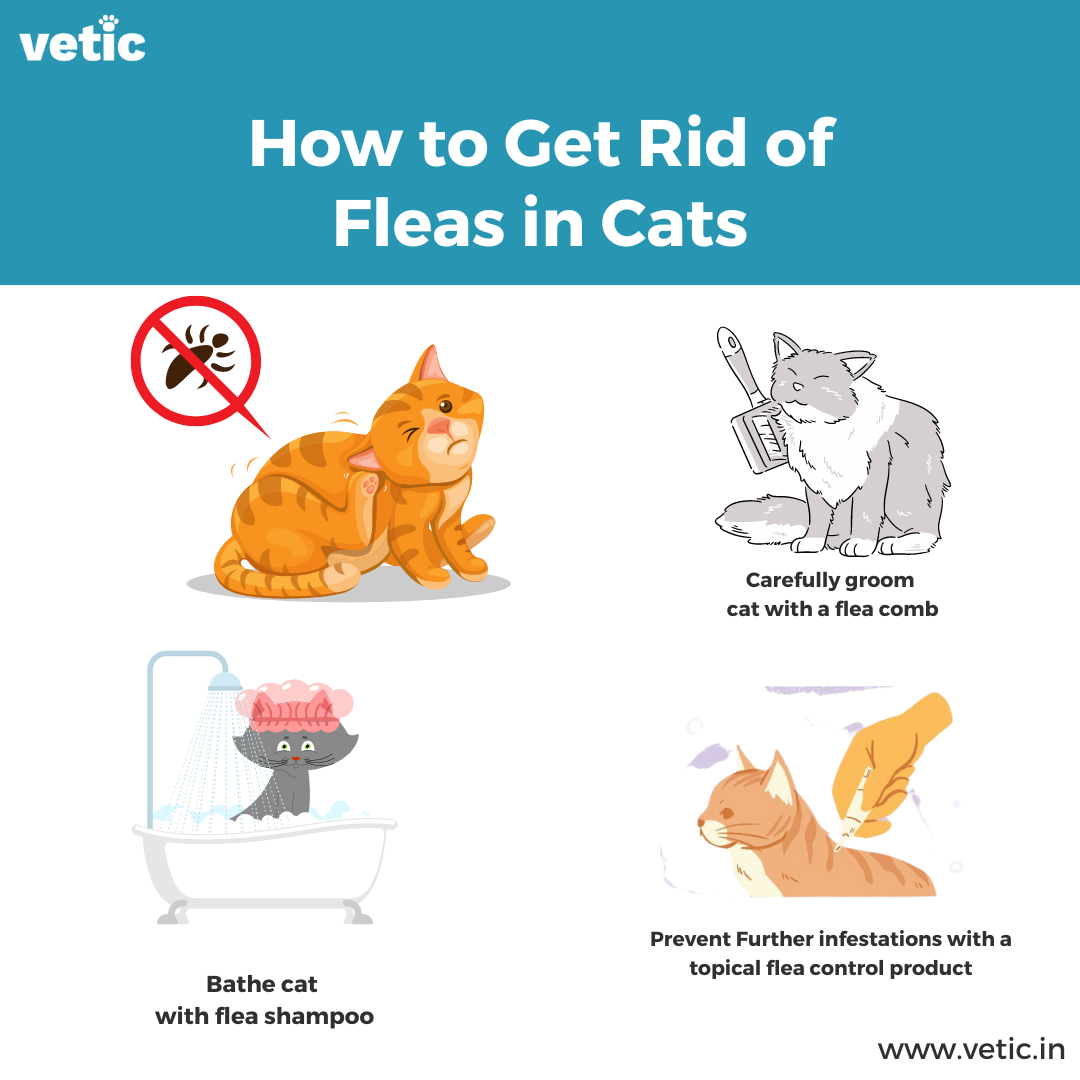
Eliminating cat fleas involves regular grooming and using flea-comb to catch pests. Employ vet-approved topical treatments for effective control. Keep your cat’s bedding clean and vacuum carpets to prevent infestations.
Getting rid of cat fleas can be a challenging task, but using veterinary treatments and products is often the most effective way to ensure your feline friend is flea-free. These products are specifically designed to target fleas and provide relief for your cat. Whether you’re dealing with a mild infestation or a severe one, veterinary solutions offer a reliable path to a flea-free home.
Topical Treatments
Topical treatments are applied directly to your cat’s skin, usually between the shoulder blades. They work by killing fleas on contact and can provide protection for several weeks. Products like Frontline and Advantage are popular choices among cat owners. Have you ever noticed your cat scratching incessantly despite using a flea collar? Topical treatments often succeed where collars fail, offering a more direct attack on fleas.
Oral Medications
Oral medications are another effective option, targeting fleas from the inside out. These pills can kill adult fleas and prevent eggs from hatching. Brands such as Comfortis and Capstar offer fast-acting relief. You might be hesitant about giving your cat a pill, but the results can be impressive. Imagine your cat resting peacefully without the constant itch of fleas.
Flea Shampoos And Sprays
Flea shampoos and sprays are excellent for immediate relief. They can quickly eliminate fleas on your cat’s coat. However, these are usually part of a broader flea control strategy, as they don’t provide long-term protection. Have you tried a flea shampoo and found that it only offered temporary relief? Pairing it with another treatment can enhance its effectiveness, ensuring your cat stays flea-free longer.
Flea Collars
Flea collars are a convenient option, releasing insecticide over time to kill and repel fleas. They’re great for cats that roam outdoors. Brands like Seresto provide months of protection. Does your cat love exploring the garden? A flea collar can offer peace of mind, knowing they’re protected even when they’re out adventuring.
Consult Your Veterinarian
Consulting your veterinarian is crucial when choosing a flea treatment. They can recommend products based on your cat’s specific needs and health conditions. It’s important to ensure the safety and efficacy of the treatment you choose. Have you ever felt overwhelmed by the choices available? A vet’s guidance can simplify the process, ensuring you choose the best option for your furry friend. Veterinary treatments and products are powerful tools in your battle against cat fleas. By understanding and utilizing these options, you can ensure your cat remains healthy and comfortable, free from the irritation of fleas. Which treatment will you try first to give your cat the comfort they deserve?

Credit: petfriendlybox.com
Credit: www.sunnybrookschools.org
Frequently Asked Questions
What Is The Fastest Way To Get Rid Of Fleas On A Cat?
Use a vet-recommended flea treatment for quick results. Apply topical solutions or oral medications. Regularly wash the cat’s bedding. Vacuum your home thoroughly to remove flea eggs. Consult a veterinarian for personalized advice and ensure your cat’s safety during treatment.
How To Get Rid Of Cat Fleas In Home?
Vacuum carpets and furniture regularly to remove fleas. Wash pet bedding in hot water. Use flea treatments on pets and spray insecticide in infested areas. Consider using diatomaceous earth on carpets for natural flea control. Maintain cleanliness to prevent re-infestation.
What Kills Fleas On Cats Naturally?
Use apple cider vinegar diluted with water as a spray to kill fleas on cats naturally. Flea combs remove fleas and eggs. Diatomaceous earth can be sprinkled on cat bedding for flea control. Regular vacuuming helps eliminate fleas from your home environment.
What Kills Fleas Immediately?
Capstar (Nitenpyram) kills fleas immediately on dogs and cats. It starts working within 30 minutes. Flea sprays with ingredients like permethrin or pyrethrin offer quick results. Always consult a vet for safe and effective flea control.
Conclusion
Getting rid of cat fleas takes patience and care. Start with a clean environment. Wash your pet’s bedding regularly. Use vet-approved flea treatments for your cat. Flea combs help remove fleas and eggs. Vacuum your home often to reduce infestation.
Consider natural remedies like lemon spray. Keep your cat indoors to prevent new fleas. Consult your vet for persistent problems. Stay consistent with your efforts. Protect your cat’s health and comfort. A flea-free home is possible with the right steps.
Your furry friend will thank you.

Hi, I’m Taylor Morgan, the heart behind CATWhisk! As a lifelong cat enthusiast with a passion for feline care and behavior, I focus on providing reliable, practical, and engaging advice to cat parents everywhere. From health tips to fun DIY projects, my mission is to help you and your whiskered companions live your best lives together.