
Last Updated on June 17, 2026
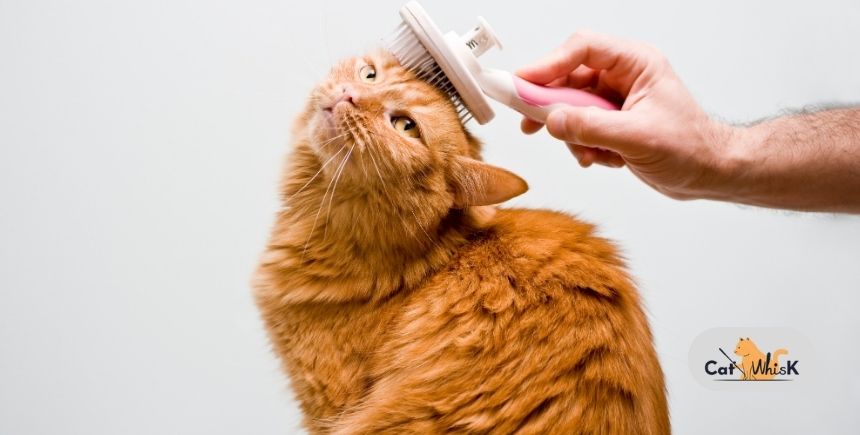
Grooming your cat at home can be a rewarding experience, both for you and your feline friend. Imagine the bond you’ll strengthen and the trust you’ll build as you pamper your pet with a soothing grooming session.
Plus, there’s nothing quite like the satisfaction of seeing your cat looking sleek and clean, knowing you did it yourself. But where do you start, and how can you ensure that grooming becomes a positive ritual for both of you?
By mastering a few simple techniques, you can transform grooming time into a special part of your routine. Stay with us as we guide you through each step, making sure you feel confident and prepared to groom your cat with ease.
Essential Grooming Tools
Grooming a cat at home requires specific tools for effective care. These tools help maintain your cat’s coat, skin, and overall hygiene. Using the right grooming tools ensures a smoother grooming process. The following are essential tools for grooming your cat at home.
Brushes And Combs
A good brush is vital for removing loose fur. It prevents matting and tangles in your cat’s coat. Combs work well for detangling hair and removing debris. Choose a brush based on your cat’s hair type. Short-haired cats need a soft bristle brush. Long-haired cats benefit from a slicker brush or wide-toothed comb.
Nail Clippers
Nail clippers keep your cat’s claws at a healthy length. Overgrown nails can cause discomfort and injury. Use a cat-specific clipper for safety. Trim nails carefully to avoid cutting too close to the quick. Start slow and be patient with your cat. Offer treats to make nail trimming a positive experience.
Shampoo And Conditioner
Choose cat-friendly shampoo for bath time. Human products can harm a cat’s sensitive skin. Look for gentle formulas without harsh chemicals. Use conditioner for cats with long hair. It helps keep fur smooth and manageable. Rinse thoroughly to remove all product residue.
Ear And Eye Cleaning Solutions
Ear and eye cleaning solutions are crucial for hygiene. They help prevent infections and irritation. Use a vet-approved solution for safety. Gently clean the outer ear with a cotton ball. Avoid inserting anything into the ear canal. Clean around the eyes to remove debris and discharge.
Toothbrush And Toothpaste
Dental care is often overlooked in cat grooming. Use a toothbrush designed for cats. Pair it with cat-friendly toothpaste for best results. Regular brushing helps prevent dental issues. It also keeps your cat’s breath fresh. Start slowly and gradually introduce dental care into your routine.

Credit: www.wikihow.com
Step-by-step Grooming Process
Grooming your cat at home can be a rewarding experience. A step-by-step process ensures your cat remains comfortable and clean. Follow these simple steps to keep your feline friend looking their best. Regular grooming can also help detect health issues early.
Prepare Your Tools
Gather your grooming tools before starting. You’ll need a brush, comb, and nail clippers. A quiet location helps keep your cat calm. Lay down a towel for easy cleanup.
Brush Your Cat’s Fur
Start with gentle brushing. Use a brush suitable for your cat’s fur type. Begin from the head and work toward the tail. Remove tangles carefully to avoid hurting your cat.
Check For Mats And Tangles
Inspect your cat’s fur for mats or tangles. Use a comb to gently untangle any knots. Persistent mats may need careful trimming. Be cautious to avoid cutting the skin.
Trim Your Cat’s Nails
Hold your cat’s paw gently. Use nail clippers designed for cats. Trim the tip of each nail, avoiding the quick. Regular trimming prevents scratching and injury.
Clean The Ears
Inspect your cat’s ears for dirt or wax. Use a damp cloth or cotton ball. Clean gently to avoid hurting the ear canal. Regular cleaning prevents infections.
Wipe The Eyes
Check your cat’s eyes for debris or discharge. Use a clean, damp cloth. Wipe gently around the eyes. This keeps them clear and healthy.
Finish With A Reward
End the grooming session with a treat. Praise your cat for being cooperative. This builds trust and makes future grooming easier.
Handling Common Grooming Challenges
Grooming a cat at home can be challenging. Regular brushing helps reduce shedding and prevents matting. Trim nails carefully to avoid injury and keep your cat calm during grooming sessions.
Grooming your cat at home can be a rewarding experience, but it often comes with its own set of challenges. You might be wondering how to manage those tricky situations. From dealing with a squirmy feline friend to tackling tangled fur, every cat owner faces these hurdles. The key is to approach each challenge with patience and the right techniques. This section will guide you through handling common grooming challenges, helping you and your cat enjoy the grooming routine more.
Understanding Your Cat’s Personality
Every cat has a unique personality, and recognizing this is crucial for a stress-free grooming session. Some cats love being brushed, while others may shy away. Observe your cat’s reactions to different grooming tools and techniques. Is your cat nervous about the noise of clippers? Consider alternatives like quiet scissors for trimming. Tailor the grooming process to suit your cat’s comfort level.
Dealing With Mats And Tangles
Matted fur is a common issue, especially for long-haired cats. Regular brushing can prevent mats from forming, but sometimes they sneak up on you. Use a detangling spray or a specialized comb to gently work through the knots. Avoid pulling or tugging on the fur, as this can be painful for your cat. Instead, work slowly and patiently, allowing your cat to relax during the process.
Managing Shedding
Shedding can be overwhelming, especially during seasonal changes. Regular brushing is your best defense against fur-covered furniture. Consider investing in a de-shedding tool designed to reach the undercoat. Does your cat resist brushing? Try incorporating grooming into a play session. Engage your cat with toys, then sneak in some grooming strokes while your cat is distracted.
Trimming Nails Without The Drama
Trimming a cat’s nails can be daunting. It’s important to approach this task with confidence. Use sharp nail clippers designed for cats, and focus on cutting just the tip of the nail. If your cat is anxious, try trimming one or two nails at a time. Reward your cat with treats and praise to create positive associations with the process. You might be surprised at how quickly your cat adapts!
Handling Ear And Eye Cleaning
Ear and eye cleaning are often overlooked but are essential parts of grooming. Use a damp cotton ball for gentle cleaning. Avoid using anything too wet, as this can cause discomfort. Check for signs of irritation or infection. If you notice anything unusual, consulting your vet is wise. Remember, a little attention to these areas can go a long way in maintaining your cat’s health.
Building A Routine
Routine is your ally in grooming. Establish a regular schedule that both you and your cat can anticipate. Consistency helps in reducing anxiety and resistance. Does your cat have favorite times of day? Use these moments to introduce grooming. Building a habit takes time, but with patience, you’ll find your cat begins to enjoy the process. Engage with your cat, and ask yourself: What does your cat enjoy the most during grooming? Use these insights to make grooming a bonding experience.
Credit: www.tiktok.com

Credit: www.youtube.com
Frequently Asked Questions
How Do I Immobilize My Cat For Grooming?
Hold your cat gently but firmly with one hand under its chest. Use the other hand to secure its hind legs. Use calming techniques like soothing talk or treats to keep your cat relaxed during grooming. Always ensure the cat feels safe and comfortable to prevent stress or injury.
Can I Groom My Cat By Myself?
Yes, you can groom your cat yourself. Brush regularly, trim nails, and clean ears gently. Use cat-friendly products. Be patient and gentle to ensure a stress-free experience for your cat.
How Do You Groom An Indoor Cat?
Brush your indoor cat regularly to reduce shedding and prevent mats. Trim their nails carefully to avoid overgrowth. Clean their ears gently with a vet-approved solution. Bathe them occasionally using cat-safe shampoo. Provide dental care with cat toothbrushes and treats to maintain oral health.
How Do You Groom A Cat That Won’t Let You?
Calm your cat with treats or toys. Use a gentle brush to remove loose fur. Start with short grooming sessions. Gradually increase the duration as your cat gets comfortable. Always reward with praise or treats to build positive association with grooming.
Seek professional help if needed.
How Often Should I Groom My Cat?
Groom your cat weekly. It helps reduce shedding and keeps their coat healthy.
Conclusion
Grooming a cat at home is simple and rewarding. Regular brushing keeps fur healthy and reduces shedding. Bathing is rarely needed but can help with dirt. Trim nails carefully to avoid pain and scratches. Check ears and eyes for cleanliness, preventing infections.
Use treats to make grooming enjoyable for your cat. Patience and consistency build a good routine. With these steps, you can keep your cat clean and happy. Remember, a well-groomed cat is a healthy and contented companion. Enjoy the bonding moments while grooming your feline friend.

Hi, I’m Taylor Morgan, the heart behind CATWhisk! As a lifelong cat enthusiast with a passion for feline care and behavior, I focus on providing reliable, practical, and engaging advice to cat parents everywhere. From health tips to fun DIY projects, my mission is to help you and your whiskered companions live your best lives together.