

Imagine coming home after a long day, only to find your favorite couch marked by your feline friend. Frustrating, right?
You love your cat, but their unexpected bathroom habits can leave you puzzled and stressed. The good news is, you’re not alone, and there’s hope! This guide will help you understand why your cat might be peeing on your furniture and, more importantly, what you can do about it.
With simple, effective strategies, you’ll regain control of your home and strengthen the bond with your pet. So, if you’re ready to transform your living space into a no-pee zone, read on!
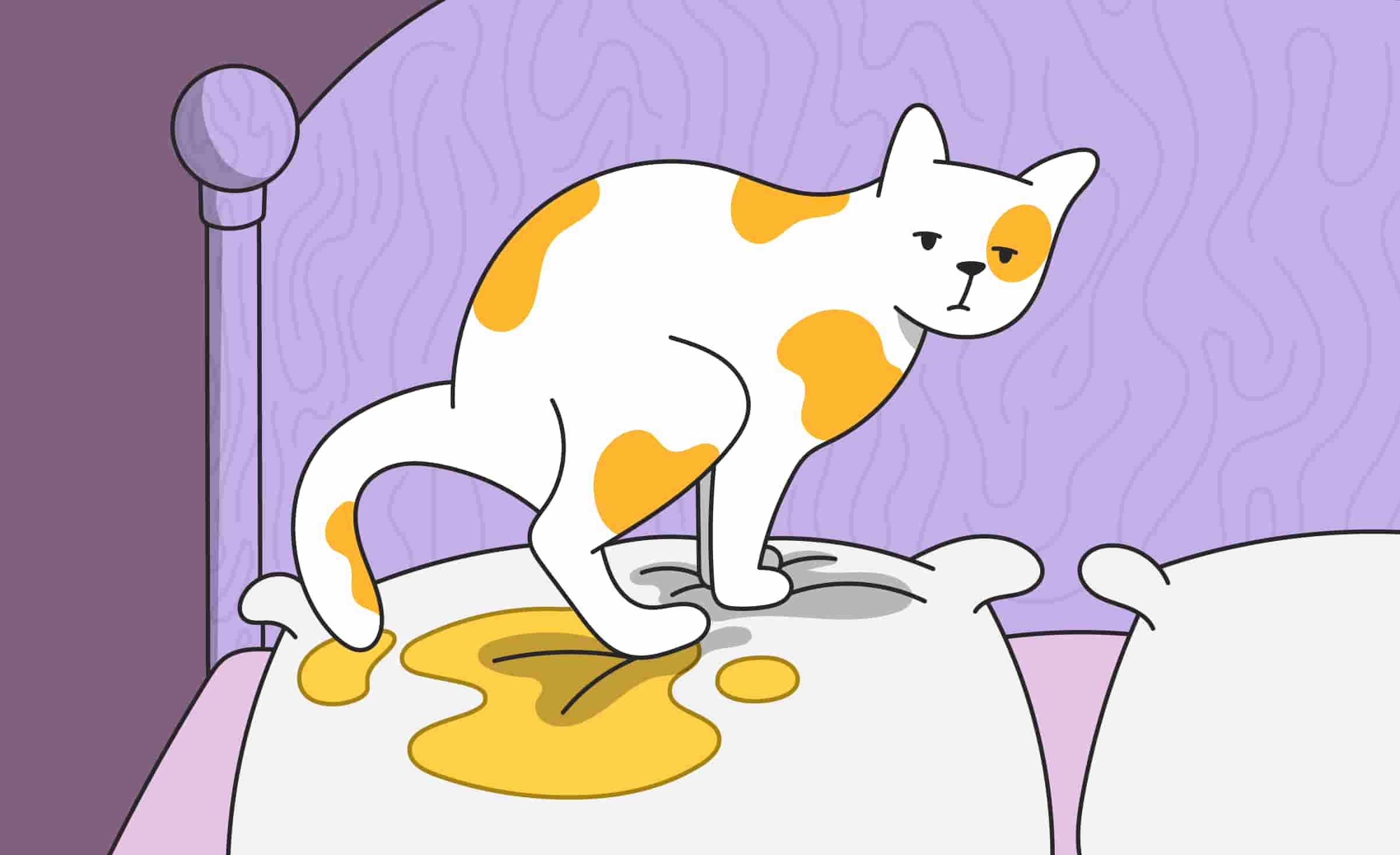
Credit: petcube.com
Identify The Cause
Understanding why your cat is peeing on furniture is crucial. Identifying the cause helps solve the problem effectively. Cats may urinate outside their litter box for various reasons. Stress, health issues, or behavioral changes can trigger this behavior. Knowing the root cause is the first step in addressing it.
Medical Issues
Cats might urinate on furniture due to medical problems. Urinary tract infections or kidney issues are common culprits. Observe your cat for signs of discomfort. If your cat strains to urinate, consult a vet. Early diagnosis can prevent further complications.
Stress And Anxiety
Stress affects cats’ behavior significantly. Changes in environment or routine can lead to anxiety. Loud noises or new pets may trigger stress-related urination. Identifying stressors helps in managing your cat’s environment. Provide a calm, safe space for your feline friend.
Territorial Marking
Territorial marking is a natural feline behavior. Cats mark their territory through urination. This is especially true for unneutered males. Neutering can reduce this behavior. Observe if your cat marks specific areas repeatedly.
Litter Box Issues
Litter box problems often lead to furniture urination. Cats may avoid a dirty or poorly placed litter box. Ensure the litter box is clean and accessible. Try different types of litter if your cat seems unhappy. Location and cleanliness are key to litter box acceptance.
Changes In Routine
Cats are creatures of habit. Any change in routine may cause discomfort. Moving homes or changing feeding schedules can affect them. Keep consistency in daily routines to comfort your cat. Small changes can have a big impact on their behavior.
Credit: www.reddit.com
Effective Training Techniques
Training a cat to stop peeing on furniture demands patience and consistency. Cats are naturally curious and can be trained to use the litter box. Understanding their behavior is key to effective training. Let’s explore some techniques that work well.
Identify The Underlying Cause
Observe your cat’s behavior carefully. Stress, health issues, or territory marking can lead to accidents. Identifying the root cause helps address the issue correctly.
Use Positive Reinforcement
Reward your cat for using the litter box. Treats and praise encourage good behavior. Cats respond well to positive reinforcement.
Establish A Routine
Consistency is crucial. Regular feeding and cleaning schedules help. A routine gives your cat a sense of security.
Limit Access To Affected Areas
Block access to furniture where accidents occur. Use barriers or closed doors. This prevents repeated incidents.
Clean Accidents Thoroughly
Use enzymatic cleaners to remove urine odor. Cats return to places with their scent. Thorough cleaning deters them.
Provide A Comfortable Litter Box
Ensure the litter box is clean and accessible. Cats prefer a quiet, private spot. Regular cleaning is essential for comfort.
Consult A Veterinarian
If training fails, consult a vet. Health issues might be causing accidents. Early intervention can prevent complications.
Utilize Deterrents And Cleaners
Cats are beloved pets, but their peeing habits can be troublesome. Using deterrents and cleaners can help manage this behavior. These tools can safeguard your furniture and maintain peace at home. Let’s explore how deterrents and cleaners can assist you.
Understanding Cat Deterrents
Cat deterrents discourage unwanted behavior. They keep cats away from specific areas or items. These deterrents can be sprays, scents, or physical barriers. Choose one that suits your home and cat’s needs.
Choosing The Right Deterrent Spray
Deterrent sprays release scents cats dislike. Citrus or lavender scents often work. Spray these on furniture to discourage peeing. Test the spray on a small area first.
Employing Natural Smells
Natural scents can deter cats effectively. Vinegar, citrus, and peppermint repel them. Place soaked cotton balls near affected areas. Refresh them regularly for best results.
Using Physical Barriers
Physical barriers can protect your furniture. Aluminum foil or plastic mats deter cats. They dislike the texture and sound. Covering furniture with these materials can help.
Importance Of Cleaning Affected Areas
Cleaning removes odors that attract cats. Use enzymatic cleaners for best results. These break down urine molecules, eliminating the smell. Regular cleaning prevents repeat behavior.
Selecting Effective Enzymatic Cleaners
Enzymatic cleaners target urine odor at the source. They are safe for most surfaces. Always follow the product instructions. They ensure complete removal of smells.
Homemade Cleaning Solutions
Homemade cleaners can be effective too. Mix vinegar and water for a simple solution. Use baking soda to neutralize odors. These ingredients are affordable and accessible.
Maintaining A Clean Environment
Keep your home clean to deter peeing. Regularly clean litter boxes and furniture. A clean environment reduces stress for your cat. It also prevents unwanted peeing.
Credit: www.reddit.com
Frequently Asked Questions
How Do I Stop My Cat From Peeing On The Couch?
Identify stress triggers and eliminate them. Clean couch thoroughly with enzymatic cleaner. Provide a clean litter box. Use pheromone sprays to calm your cat. Consult a vet for health issues.
What Smell Will Keep Cats From Peeing On Furniture?
Cats dislike the smell of citrus, lavender, and vinegar. Use these scents to deter them from peeing on furniture.
How To Discipline A Cat For Peeing On Stuff?
Clean the area thoroughly to remove odors. Provide a clean litter box. Use positive reinforcement for correct behavior. Consult a vet if the issue persists. Avoid punishment, as it can cause stress.
What Is The Best Homemade Spray To Stop Cats From Peeing?
Create a homemade cat deterrent spray using equal parts water and vinegar. Add a few drops of essential oil like lavender or citrus. Spray this mixture on areas where cats tend to pee. The scent deters cats and helps prevent unwanted urination.
Always test on a small area first.
Why Does My Cat Pee On Furniture?
Cats might pee on furniture due to stress or medical issues. They may also mark territory or dislike their litter box.
Conclusion
Stopping your cat from peeing on furniture takes patience and consistency. Try to understand your cat’s behavior. Create a clean and welcoming environment. Ensure litter boxes are accessible and clean. Use deterrents like sprays or covers for furniture. Reward positive behavior with treats or affection.
Consult a vet if problems persist. Addressing this issue can save your furniture and strengthen your bond with your cat. Remember, a little effort goes a long way. Keep your cat happy, and your furniture dry.

Hi, I’m Taylor Morgan, the heart behind CATWhisk! As a lifelong cat enthusiast with a passion for feline care and behavior, I focus on providing reliable, practical, and engaging advice to cat parents everywhere. From health tips to fun DIY projects, my mission is to help you and your whiskered companions live your best lives together.