
Last Updated on February 18, 2026
Is your beloved feline friend feeling under the weather? As a devoted cat owner, you want nothing more than to see your pet happy and healthy.
But the thought of a stressful trip to the vet can be overwhelming for both you and your cat. What if there were simple, effective ways to care for your sick cat right at home? You’re in the right place! In this guide, we’ll reveal some practical steps you can take to help your cat feel better without the need for a vet visit.
Imagine having the peace of mind knowing that you can provide comfort and relief to your furry companion with ease. Keep reading to discover how you can be the hero your cat needs, without ever leaving your home.
Identify Symptoms
Recognizing signs of illness in your cat is crucial. Cats are experts at hiding discomfort, making it vital to notice subtle changes. Early identification of symptoms can lead to effective home care, potentially avoiding stressful vet visits.
Physical Changes
Observe any physical transformations in your cat. Look for fur loss or skin irritations. Check for unusual lumps or bumps. These changes might indicate health issues.
Behavioral Shifts
Notice any sudden behavioral changes. Increased aggression or withdrawal can signal distress. Excessive sleeping or a lack of energy might indicate illness.
Eating And Drinking Habits
Pay attention to your cat’s eating habits. A decrease in appetite can be a warning sign. Monitor water intake. Increased thirst can signal health problems.
Bathroom Habits
Keep an eye on the litter box. Frequent urination or diarrhea might suggest issues. Constipation can also be a symptom of illness.
Respiratory Issues
Listen for abnormal breathing. Wheezing or coughing might indicate respiratory problems. Sneezing or nasal discharge are also signs to watch for.
Eyes And Ears
Check your cat’s eyes for discharge or redness. Inspect the ears for unusual odor or discharge. These can indicate infections or allergies.
Weight Changes
Monitor your cat’s weight regularly. Sudden weight loss or gain can be a sign of illness. Keep track of any drastic changes in appearance.

Credit: www.pinterest.com
Home Remedies
Caring for a sick cat at home involves simple remedies. Ensure a warm, quiet space for rest. Offer easy-to-eat foods, like soft chicken, to encourage eating. Keep water fresh to maintain hydration. Regularly monitor your cat’s behavior and comfort level.
Caring for a sick cat can be worrying, especially when you’re not in a position to visit a vet immediately. Luckily, there are several home remedies you can explore to bring comfort to your feline friend. These remedies can often be found right in your kitchen or medicine cabinet, and they offer a gentle way to alleviate common symptoms. The key is to be observant and patient, ensuring you’re responding to your cat’s needs effectively.
Ensure Hydration
A dehydrated cat can quickly become more ill. Encourage your cat to drink by offering fresh water frequently. You might even try adding a little chicken broth to the water, as the flavor can entice them to drink. If your cat is refusing to drink, consider using a syringe to gently administer fluids.
Boost Appetite With Nutritious Foods
Cats often lose their appetite when feeling unwell. Entice them with small portions of bland, easy-to-digest foods like boiled chicken or rice. You can also try warming the food slightly to make it more appealing. Be cautious not to overfeed, as a sudden increase in food can upset their stomach.
Use Herbal Remedies
Certain herbs can be beneficial for your cat’s health. Chamomile tea, cooled to room temperature, can be soothing for upset stomachs. Catnip can sometimes relieve minor stress or anxiety. Always ensure any herbs you use are safe for cats and consult with a vet if you’re unsure.
Monitor And Adjust The Environment
Create a calm and quiet space for your cat to rest. Reduce noise and keep the area warm and cozy, possibly using a soft blanket. Make sure their litter box is easily accessible. A comfortable environment can play a significant role in their recovery.
Observe And Record Symptoms
Keep a close eye on any changes in your cat’s behavior or symptoms. Note down anything unusual, like changes in eating habits or energy levels. This can help you identify patterns and decide if a vet visit might eventually be necessary. Could these simple steps actually make a difference in your cat’s well-being? Sometimes, the smallest adjustments can yield the biggest improvements. Remember, the goal is to make them as comfortable as possible while monitoring their recovery.
Preventive Care
Preventive care is crucial for maintaining your cat’s health. By focusing on preventive measures, you can keep your feline friend happy and healthy. This care helps avoid illnesses and reduces the need for frequent vet visits. Understanding simple home remedies can also be a lifesaver. Let’s dive into some effective preventive care practices.
Regular Grooming
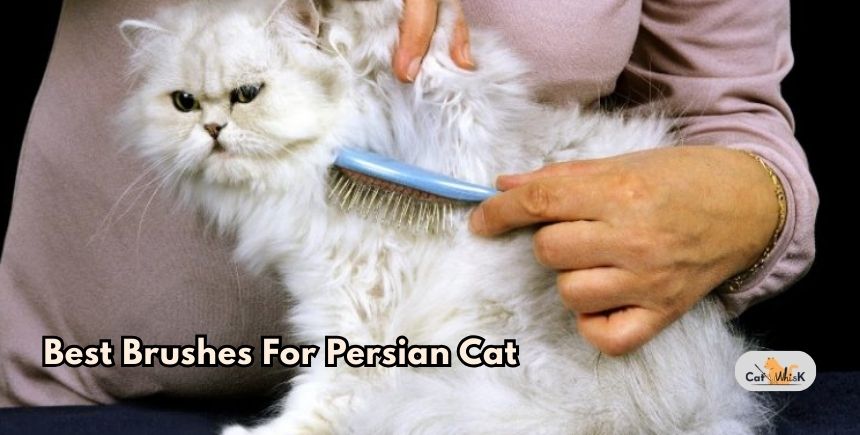
Grooming keeps your cat’s fur clean and free from tangles. Brushing helps remove loose hair and prevents hairballs. It also allows you to check for any skin issues or parasites. A clean coat contributes to overall health and comfort.
Balanced Diet
Diet plays a major role in your cat’s health. Provide high-quality food suitable for their age and activity level. Ensure they get the right mix of proteins, fats, and vitamins. Fresh water is equally important for hydration and digestion.
Clean Environment
Keeping your cat’s environment clean prevents diseases. Regularly clean their litter box and food bowls. A clean space reduces the risk of infections and stress. It also helps in monitoring any changes in your cat’s routine.
Exercise And Play
Exercise is vital for your cat’s physical and mental health. Encourage playtime with toys and interactive games. It helps maintain a healthy weight and keeps their mind sharp. A playful cat is often a healthy cat.
Observation Skills
Observe your cat’s behavior for any signs of illness. Changes in appetite, mood, or energy levels might indicate health issues. Early detection allows for quick action and can prevent complications. Your keen observation can be your first line of defense.
Stress Reduction
Reduce stress to improve your cat’s well-being. Create a calm and stable environment. Minimize sudden changes or loud noises. A relaxed cat is less likely to fall ill. Stress can weaken their immune system and lead to health problems.

Credit: www.wikihow.pet
:strip_icc()/signs-your-cat-is-sick-4165142_color-52a34ab4c5cd4e89aa285e7f291ecf04.jpg)
Credit: www.thesprucepets.com
Frequently Asked Questions
How Can I Treat A Sick Cat At Home?
Monitor your cat’s symptoms closely and ensure it has a comfortable resting area. Provide fresh water and nutritious food. Consult a vet for advice and follow prescribed treatments. Keep your cat’s environment clean to prevent infections. Regularly check for any changes in behavior or health.
How Do I Tell If My Cat Is Seriously Ill?
Watch for symptoms like lethargy, loss of appetite, vomiting, diarrhea, or difficulty breathing. Seek veterinary help promptly.
What Medicine Is Good For Sick Cats?
Consult a veterinarian for proper diagnosis and treatment. Common medicines include antibiotics, anti-inflammatories, and dewormers. Always follow the vet’s prescription and dosage instructions. Avoid giving human medications to cats without veterinary advice.
Can A Sick Cat Heal On Its Own?
A sick cat might recover naturally, but professional veterinary care is crucial for proper diagnosis and treatment. Cats often hide illnesses, so regular check-ups and attention to symptoms are essential for their well-being. Always consult a vet if your cat appears unwell.
Conclusion
Caring for a sick cat at home is possible with caution. Always keep a close eye on symptoms. Offer plenty of water and rest. Provide familiar food to comfort them. Make a cozy spot for recovery. Clean the litter box often.
Herbal remedies can help but use them safely. Consult online resources for guidance. Remember, a vet is crucial for serious symptoms. Your cat’s well-being is important. With love and attention, you can support their recovery. But, never hesitate to seek professional help if needed.
Your furry friend depends on you.

Hi, I’m Taylor Morgan, the heart behind CATWhisk! As a lifelong cat enthusiast with a passion for feline care and behavior, I focus on providing reliable, practical, and engaging advice to cat parents everywhere. From health tips to fun DIY projects, my mission is to help you and your whiskered companions live your best lives together.