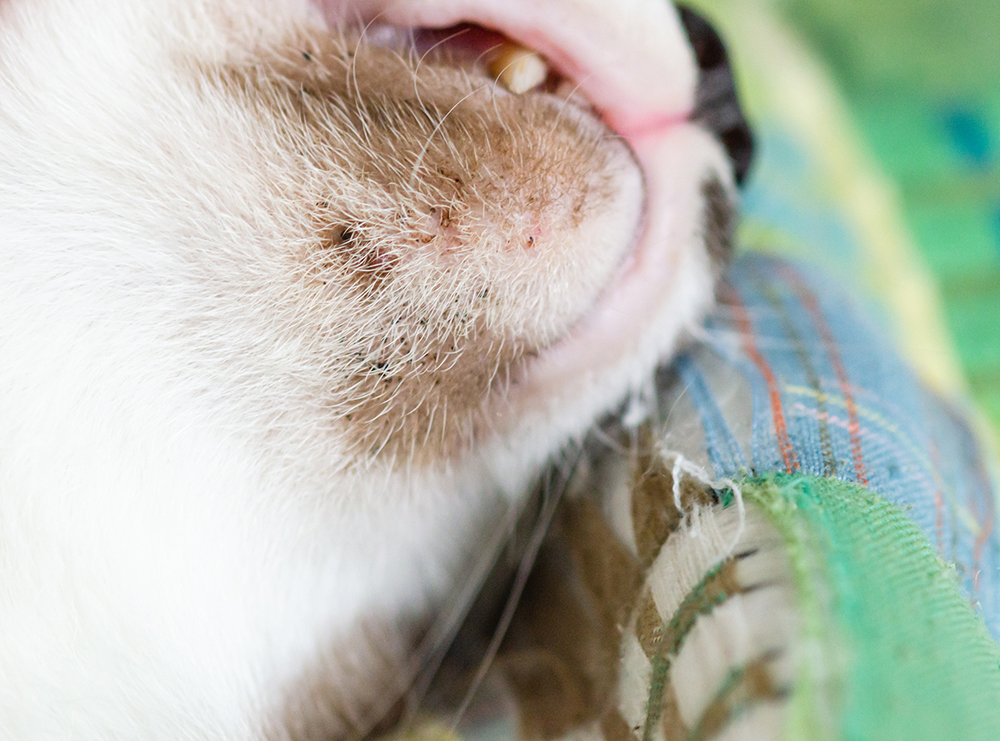
Are you worried about the tiny blackheads or pimples popping up on your cat’s chin or around its mouth? Cat acne might not be a topic you expected to research, but if you’re noticing these pesky blemishes on your furry friend, you’re not alone.
This common condition can be a bit unsettling, but don’t worry—it’s usually manageable and treatable. You want the best for your cat, and understanding how to effectively treat cat acne is a step in the right direction. You’ll discover simple yet effective ways to help clear up your cat’s skin, ensuring their comfort and health.
Keep reading to learn more about this peculiar feline issue and how you can make it a thing of the past, ensuring your kitty feels as fabulous as they look!
Credit: bouldervet.com
Causes Of Cat Acne
Cats can develop acne due to blocked hair follicles or excess oil production. Keeping your cat’s chin clean can help treat and prevent these outbreaks. Regular grooming and vet-recommended treatments also play a vital role in managing cat acne effectively.
Cat acne may sound unusual, but it’s actually quite common. Understanding its causes can help you manage your feline friend’s skin better. Just like humans, cats can also suffer from blocked pores. Knowing the root causes can assist you in preventing flare-ups and keeping your cat’s chin spot-free.
Blocked Hair Follicles
Cat acne often starts with blocked hair follicles. Dirt and oil can accumulate on your cat’s chin, leading to these blockages. Are you using plastic bowls for feeding? They can harbor bacteria which might contribute to this issue. Switching to stainless steel or ceramic bowls can be a simple yet effective solution.
Poor Grooming Habits
Some cats are meticulous groomers, while others might not be as diligent. If your cat isn’t grooming well, dirt and oil can build up. This can make your cat more prone to acne. Regularly check if your cat is grooming properly, especially around the chin area.
Allergies And Sensitivities
Cats can have allergies just like people do. Food allergies or reactions to grooming products can irritate your cat’s skin. If you’ve changed your cat’s diet or grooming routine, consider if these might be the culprits. Sometimes, going back to basics with hypoallergenic products can clear things up.
Stress And Hormonal Changes
Did you know stress can affect your cat’s skin? Just like in humans, stress can lead to breakouts. Hormonal changes, especially in younger cats, can also play a role. Observing your cat’s behavior and environment can give you clues about possible stressors.
Underlying Medical Conditions
Sometimes, cat acne is a sign of something more serious. Conditions like bacterial infections or immune system issues can manifest as skin problems. If your cat’s acne persists despite your efforts, consulting your vet is a wise step. They can rule out any underlying conditions that might need treatment. Understanding these causes can empower you to take proactive steps in caring for your cat. What changes can you make today to help your furry friend? Small tweaks in their environment and care routine can make a big difference.
Effective Home Remedies
Cat acne can be a puzzling condition for pet owners. It appears as blackheads or pimples on a cat’s chin or lips. Though not usually serious, it can be uncomfortable for your feline friend. Home remedies offer effective and gentle solutions. These remedies not only treat cat acne but also prevent future outbreaks.
Warm Compresses
Warm compresses help reduce swelling and clear clogged pores. Soak a soft cloth in warm water. Gently press it against the affected area for a few minutes. Repeat this process twice a day. It soothes the skin and promotes healing.
Apple Cider Vinegar
Apple cider vinegar has natural antibacterial properties. Mix it with equal parts of water. Dip a cotton ball in the solution. Dab gently on the acne spots. This helps cleanse the skin and fight bacteria. Avoid using undiluted vinegar to prevent irritation.
Aloe Vera Gel
Aloe vera gel can soothe irritated skin. Apply a small amount directly to the acne. Its anti-inflammatory properties help reduce redness and swelling. Use pure aloe vera for the best results. Your cat will appreciate its calming effect.
Oatmeal Baths
Oatmeal baths provide relief and cleanse the skin. Grind oatmeal into a fine powder. Add it to warm water and stir. Allow your cat to soak for several minutes. This remedy is gentle and effective for sensitive skin.
Dietary Changes
Nutrition plays a role in skin health. Introduce omega-3 fatty acids into your cat’s diet. These promote a healthy coat and skin. Consider high-quality cat food with essential nutrients. A balanced diet can prevent acne from developing.
Clean Environment
A clean environment helps prevent acne. Regularly wash your cat’s bedding and dishes. Remove dirt and bacteria that can cause skin issues. Keep your cat’s living space tidy and hygienic. This simple step can significantly reduce acne occurrences.
When To Consult A Vet
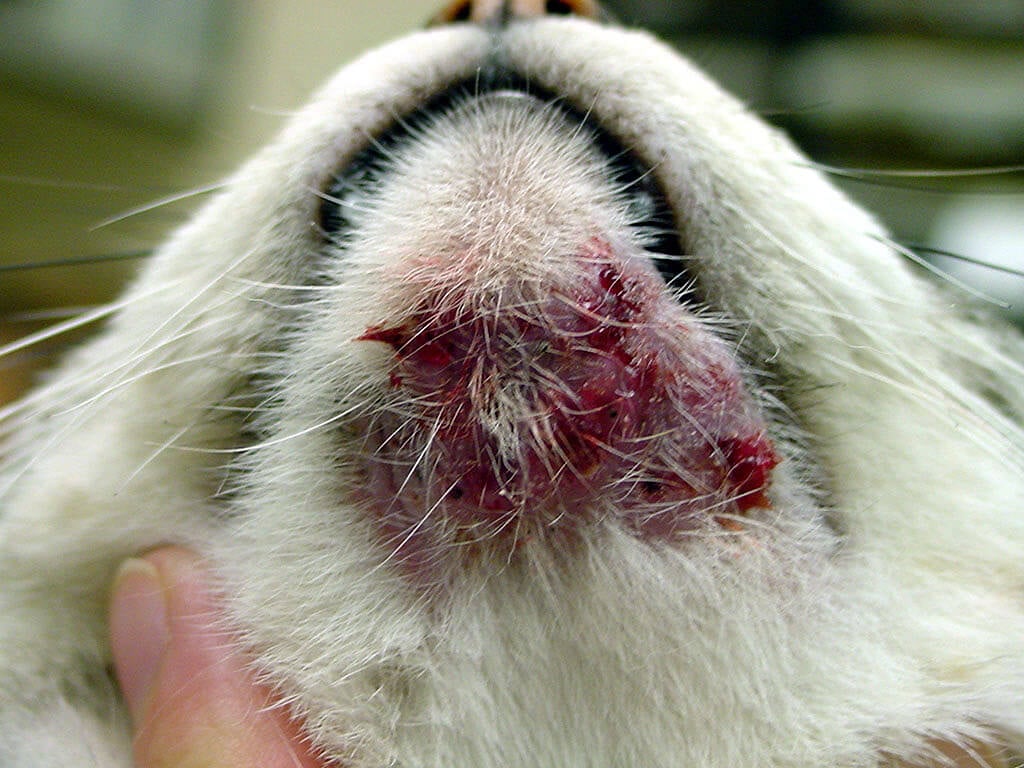
Spotting signs of cat acne might prompt a vet visit. Red bumps or blackheads on a cat’s chin need attention. Treating cat acne involves proper cleaning and possibly vet-recommended treatments.
When dealing with cat acne, it’s crucial to know when to seek professional help. While most cases are manageable at home, there are times when your feline friend needs expert care. Understanding these situations can make all the difference in your cat’s health and happiness.
Recognizing Severe Symptoms
Noticing severe symptoms can be a sign to consult a vet. If your cat’s acne looks inflamed or has pus, it’s time to act. Persistent scratching or rubbing against surfaces can also indicate discomfort that requires professional attention.
Persistent Acne
If acne persists despite your best efforts, it might be more than a simple case. Consider how long you’ve been treating it at home. If weeks go by with no improvement, a vet’s insight could be crucial in identifying underlying issues.
Changes In Behavior
Behavior changes in your cat can be a red flag. Are they more irritable or hiding away? These shifts might be linked to the discomfort of acne. A vet can determine if the acne is affecting your cat’s overall well-being.
Scarring And Skin Damage
Scarring or skin damage suggests a deeper problem. This can occur if your cat is constantly scratching or if acne is left untreated. A vet can offer solutions that prevent further damage and promote healing.
Personal Experience
Reflect on your own experiences with pet care. Have you ever noticed a condition that seemed minor but needed a vet’s touch? Recognizing when to consult a vet can save your pet from unnecessary suffering and ensure they receive the best care possible. When you weigh these factors, remember that a vet’s guidance can be invaluable. Don’t hesitate to reach out if you’re unsure. Your cat depends on you for their health and comfort. By knowing when to consult a vet, you can ensure their acne is treated effectively and safely.
Credit: www.peta.org
:strip_icc()/feline-chin-acne-possible-causes-signs-treatment-3384889_color-7f05b25d223e44dcadf81a86f5cf9920.jpg)
Credit: www.thesprucepets.com
Frequently Asked Questions
How Can I Treat My Cat’s Acne At Home?
Clean your cat’s chin with a mild antibacterial soap. Use a warm compress to soothe the area. Apply a vet-approved acne treatment. Ensure your cat’s food and water bowls are stainless steel or glass to prevent bacteria buildup. Consult a vet for persistent issues.
Can Cat Acne Heal On Its Own?
Yes, cat acne can sometimes heal on its own. Mild cases may improve with regular cleaning and monitoring. If symptoms persist or worsen, consult a veterinarian for proper treatment. Maintaining a clean environment can prevent recurrence. Always ensure your cat’s health and comfort by addressing any persistent issues promptly.
What Causes Cat Acne?
Cat acne is often caused by stress or dirty environments. Plastic bowls may also trigger it.
How Can I Treat Cat Acne At Home?
Clean the area with warm water and mild soap. Avoid harsh chemicals.
Can Diet Affect Cat Acne?
Yes, diet can play a role. Ensure a balanced, healthy diet for your cat.
Conclusion
Treating cat acne involves simple, consistent care. Start with a clean environment. Gently clean your cat’s chin daily. Use vet-approved products for safe treatment. Watch your cat’s diet to prevent flare-ups. Seek professional help if acne persists. Patience and consistency are key.
Avoid harsh chemicals; they can irritate. Remember, each cat is unique. What works for one might not work for another. Stay observant and adjust as needed. Your cat deserves comfort and health. With these steps, you help your cat stay acne-free.
Enjoy a happy, healthy pet.

Hi, I’m Taylor Morgan, the heart behind CATWhisk! As a lifelong cat enthusiast with a passion for feline care and behavior, I focus on providing reliable, practical, and engaging advice to cat parents everywhere. From health tips to fun DIY projects, my mission is to help you and your whiskered companions live your best lives together.