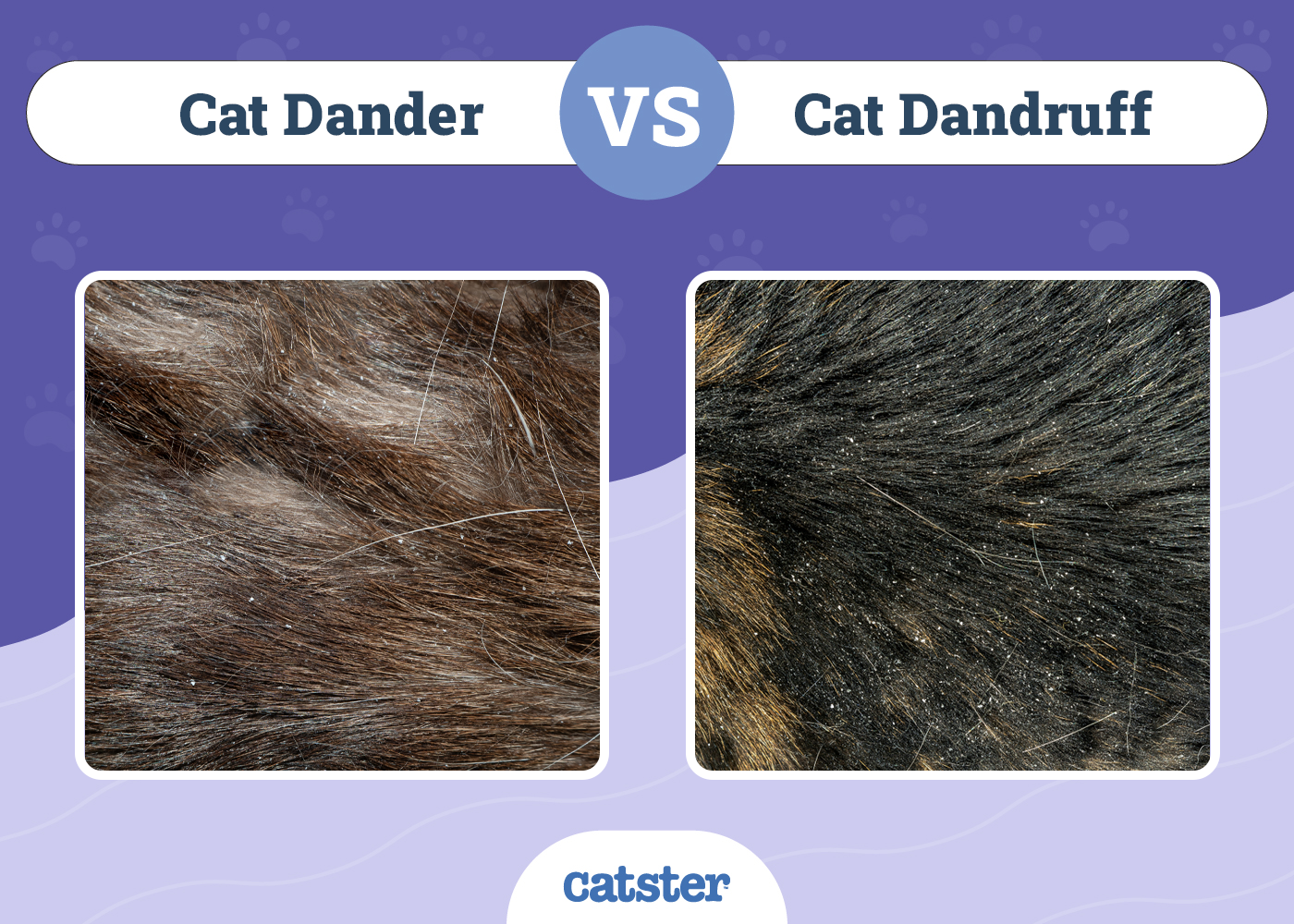
Is your furry friend leaving a trail of white flakes all over the house? If you’ve noticed dandruff on your cat, you’re not alone.
Just like humans, cats can experience dandruff too, and it’s a sign that something might be amiss with their skin health. But don’t worry—solving this issue might be easier than you think. By understanding the causes and learning effective treatments, you can help your feline companion feel comfortable and flake-free again.
Imagine your cat with a shiny, healthy coat, free from irritation and discomfort. Keep reading to discover simple, yet powerful, tips to tackle cat dandruff and ensure your pet’s skin stays in top condition.
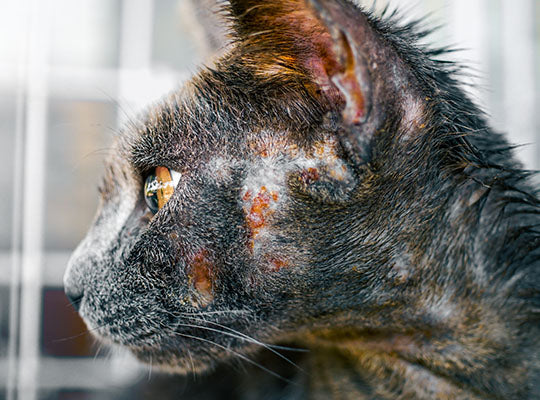
Identify Causes
Pinpoint the underlying reasons for your cat’s dandruff. Dry skin, allergies, or poor diet are common culprits. Identifying the cause helps guide effective treatment.
Understanding the causes of cat dandruff is the first step towards effective treatment. By identifying what’s causing your feline friend’s flaky skin, you can choose the best solution to keep their coat shiny and healthy. Let’s explore some common causes and how you can address them.
Dry Skin
Cats, like humans, can suffer from dry skin, especially during colder months when indoor heating reduces humidity. You might notice your cat scratching more often. Consider using a humidifier in your home to add moisture to the air.
Poor Diet
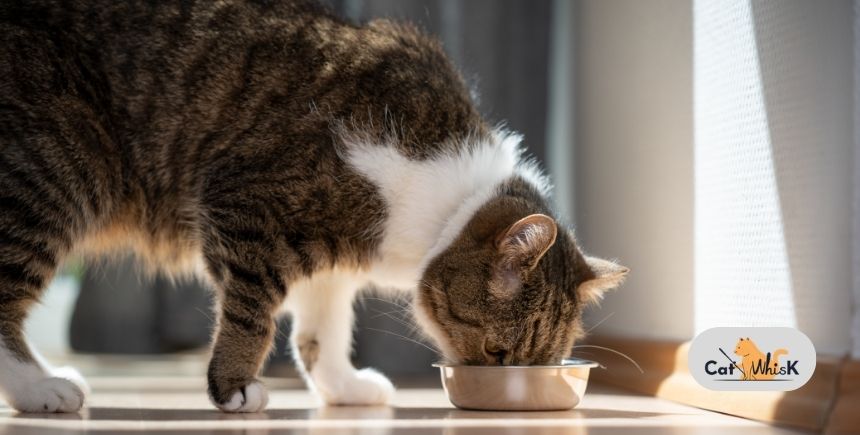
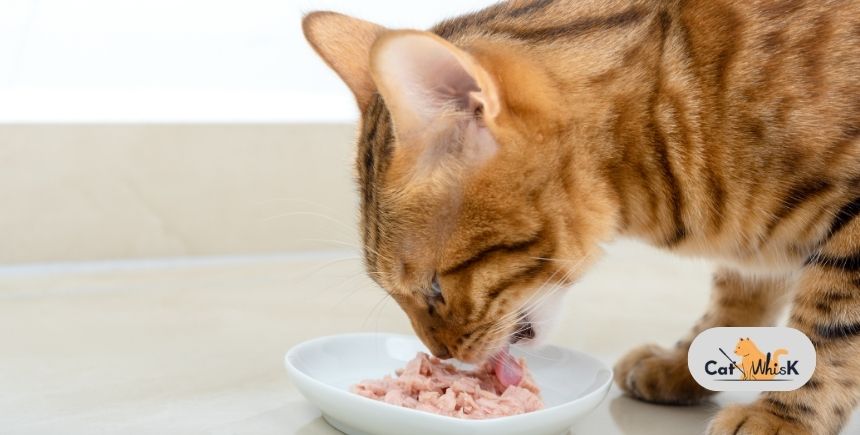
A diet lacking in essential nutrients can lead to unhealthy skin and dandruff. Ensure your cat’s food contains omega-3 fatty acids, which are great for skin health. You could also discuss with your vet about adding supplements to their diet.
Allergies
Just like us, cats can have allergic reactions to their environment or food. Think about any recent changes in their diet or surroundings that could be triggering an allergy. If you suspect an allergy, consult your vet for allergy testing.
Parasites
Fleas and ticks are not just annoying but can also cause skin issues, including dandruff. Regularly check your cat for parasites and use appropriate flea and tick prevention methods. Do you have a monthly routine for checking your cat?
Grooming Habits
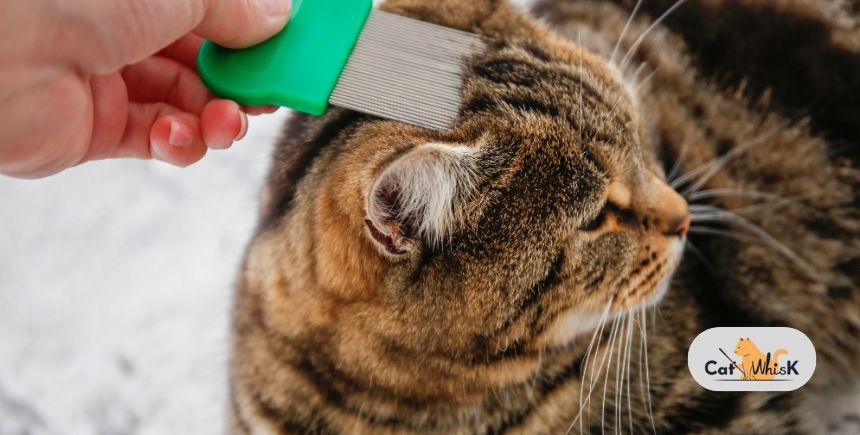
Cats are usually good at grooming themselves, but older or overweight cats might struggle. If your cat isn’t grooming properly, they might need a little help from you. Regular brushing can prevent dandruff and enhance your bond with your cat. Understanding what causes your cat’s dandruff can lead to simple and effective solutions. Have you noticed any other causes that weren’t listed here? Identifying the cause is key to keeping your cat comfortable and dandruff-free.
Credit: www.innovetpet.com
Home Remedies
Battling cat dandruff at home involves simple remedies like regular grooming and adding moisture-rich foods to their diet. Olive oil massages can soothe the skin, while a humidifier helps maintain skin hydration.
Dealing with cat dandruff can be a bit of a nuisance, but there are several home remedies you can try to help your feline friend get rid of those pesky flakes. It’s comforting to know that you might already have the ingredients you need right in your kitchen. These remedies are simple, natural, and can make a big difference in your cat’s coat and skin health.
Olive Oil Treatment
Adding a teaspoon of olive oil to your cat’s food once or twice a week can be a game-changer. Olive oil is rich in omega-3 fatty acids, which are great for promoting healthy skin. You might notice your cat’s coat becoming shinier and dandruff diminishing over time. Have you tried this with your cat?
Brushing Regularly
Regular brushing can help distribute your cat’s natural oils evenly, reducing dandruff. Use a soft brush to gently groom your cat, especially if they have long hair. This can also be a bonding experience. How often do you brush your cat?
Humidifier Usage
Dry air can exacerbate dandruff issues. Using a humidifier in your home can add moisture to the air, helping your cat’s skin stay hydrated. Notice if your cat’s dandruff improves with a humidifier nearby. Is your home too dry?
Oatmeal Baths
Oatmeal has soothing properties that can help alleviate dry skin. Grind plain oatmeal into a powder and mix it with warm water for a gentle bath. Make sure to rinse thoroughly. Would your cat enjoy a relaxing oatmeal bath?
Dietary Adjustments
Sometimes, dandruff is a sign that your cat needs more nutrients. Consider adding foods rich in omega-3 and omega-6 fatty acids to your cat’s diet. Fish oil supplements are also an option. Have you checked your cat’s diet lately?
Coconut Oil Massage
Massaging a small amount of coconut oil into your cat’s fur can moisturize the skin and reduce dandruff. Coconut oil is natural and safe for cats, but moderation is key. Would your cat enjoy a little pampering session? Implementing these home remedies can lead to noticeable improvements in your cat’s skin health. Which remedy will you try first? Share your thoughts and experiences!
Professional Treatments
Treat cat dandruff with gentle shampoos and regular grooming. Ensure a balanced diet for healthy skin. Consult a vet for persistent issues.
Treating cat dandruff can sometimes require professional intervention, especially when home remedies and over-the-counter solutions fall short. Turning to professional treatments ensures your feline friend receives the care they need to live comfortably. Let’s dive into how veterinarians can help manage your cat’s dandruff effectively.
Consultation With A Veterinarian
Booking an appointment with your veterinarian is a crucial first step. They can assess the severity of the dandruff and underlying causes. It could be anything from allergies to skin infections. During your visit, ask about potential treatment plans tailored to your cat’s specific needs. Veterinarians can provide insights that are not available through general research.
Medicated Shampoos
One professional treatment option is the use of medicated shampoos. These shampoos are formulated to target dandruff specifically. They often contain ingredients that soothe irritation and moisturize the skin. Your vet can recommend a shampoo that is safe and effective for your cat. Follow their instructions carefully to ensure your pet’s skin responds positively.
Prescription Diets
Sometimes, dandruff is linked to dietary deficiencies. A veterinarian may prescribe a special diet to address these issues. Prescription diets are designed to improve skin health and overall well-being. Switching your cat’s food can make a noticeable difference. Your vet will guide you on how to transition your cat to the new diet smoothly.
Topical Treatments
In certain cases, topical treatments may be recommended. These are applied directly to the skin and can provide immediate relief from irritation. Always consult your vet before using any topical product. They can suggest the best option based on your cat’s condition.
Follow-up Visits
After starting professional treatments, regular follow-up visits are important. They help monitor your cat’s progress and ensure treatments are working effectively. Your vet can make adjustments to the treatment plan if needed. Are you ready to take the next step in ensuring your cat’s skin health?
Credit: www.catster.com

Credit: www.innovetpet.com
Frequently Asked Questions
What Causes Dandruff In Cats?
Dandruff in cats can be caused by dry skin, allergies, or poor diet. Sometimes, it indicates health issues.
Can Diet Help Reduce Cat Dandruff?
Yes, a balanced diet rich in omega fatty acids can improve skin health. Consult your vet for advice.
Are There Shampoos For Treating Cat Dandruff?
Yes, there are cat shampoos designed for dandruff. Look for moisturizing or hypoallergenic options. Always follow product instructions.
How Often Should I Groom My Cat To Prevent Dandruff?
Regular grooming helps. Brush your cat weekly to remove dead skin and fur. It also improves circulation.
Is Dandruff A Sign Of Serious Health Problems In Cats?
Sometimes. Persistent dandruff might indicate an underlying issue. If dandruff persists, consult your veterinarian for an evaluation.
Conclusion
Caring for your cat’s dandruff is simple with the right steps. Focus on a healthy diet and regular grooming. These can significantly reduce dandruff. Use gentle shampoos designed for cats. They help in maintaining skin health. Ensure your cat stays hydrated.
Water is essential for skin moisture. Consult a vet if dandruff persists. They can offer specialized advice. Keep your cat stress-free for better skin. A happy cat often has healthier skin. Remember, consistent care makes a difference. Your feline friend deserves a comfortable, flake-free life.
Enjoy the bond with your healthy, happy cat.

Hi, I’m Taylor Morgan, the heart behind CATWhisk! As a lifelong cat enthusiast with a passion for feline care and behavior, I focus on providing reliable, practical, and engaging advice to cat parents everywhere. From health tips to fun DIY projects, my mission is to help you and your whiskered companions live your best lives together.