Are you tired of watching your furry friend scratch and itch relentlessly? Cat fleas can turn your beloved pet’s life into a nightmare and disrupt the peace in your home.
These tiny pests aren’t just a nuisance; they can lead to severe health issues for your cat and even affect your family. You might have tried various solutions, but the problem persists. Don’t worry! You’re about to discover effective strategies to treat cat fleas and prevent them from coming back.
This comprehensive guide is designed just for you, offering proven methods that will ensure your cat remains happy and flea-free. Ready to transform your pet’s life and restore harmony in your household? Keep reading to find out how!
Credit: vetic.in
Identifying Fleas In Cats
Spotting fleas on your cat can seem daunting. But with a keen eye, it becomes manageable. Fleas are pesky and can cause discomfort to your furry friend. Identifying them early can help in managing the infestation effectively.
Recognizing Flea Dirt
Flea dirt looks like black specks on your cat’s skin. It’s actually flea feces. To confirm, place the specks on a wet paper towel. If they turn red, it’s flea dirt. This indicates fleas are present.
Observing Excessive Scratching
Cats often scratch due to flea bites. If your cat scratches a lot, check for fleas. They might use their teeth and claws to relieve the itch. This behavior signals discomfort caused by fleas.
Checking For Red Bumps
Flea bites can cause red bumps on your cat’s skin. These are usually found on the neck and back. Inspect these areas if your cat seems irritated. Red bumps often indicate flea bites.
Spotting Adult Fleas
Adult fleas are small and brown. They move quickly through fur. Use a fine-toothed flea comb to find them. Pay attention to the base of the tail and behind the ears. These are favorite spots for fleas.
Monitoring For Hair Loss
Fleas can cause hair loss in cats. Look for bald patches on your cat. These are often a result of excessive licking and scratching. Hair loss can indicate a flea problem.

Credit: www.walmart.com
Effective Flea Treatments
Cat fleas can be a nuisance for both pets and owners. Effective flea treatments are essential to keep your feline friend comfortable. These treatments not only alleviate flea infestations but also prevent future occurrences. Let’s explore some effective methods to tackle this pesky problem.
Topical Flea Treatments
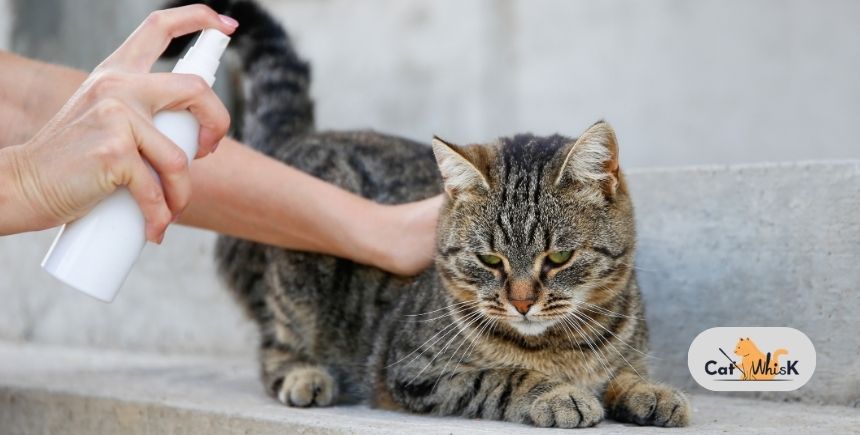
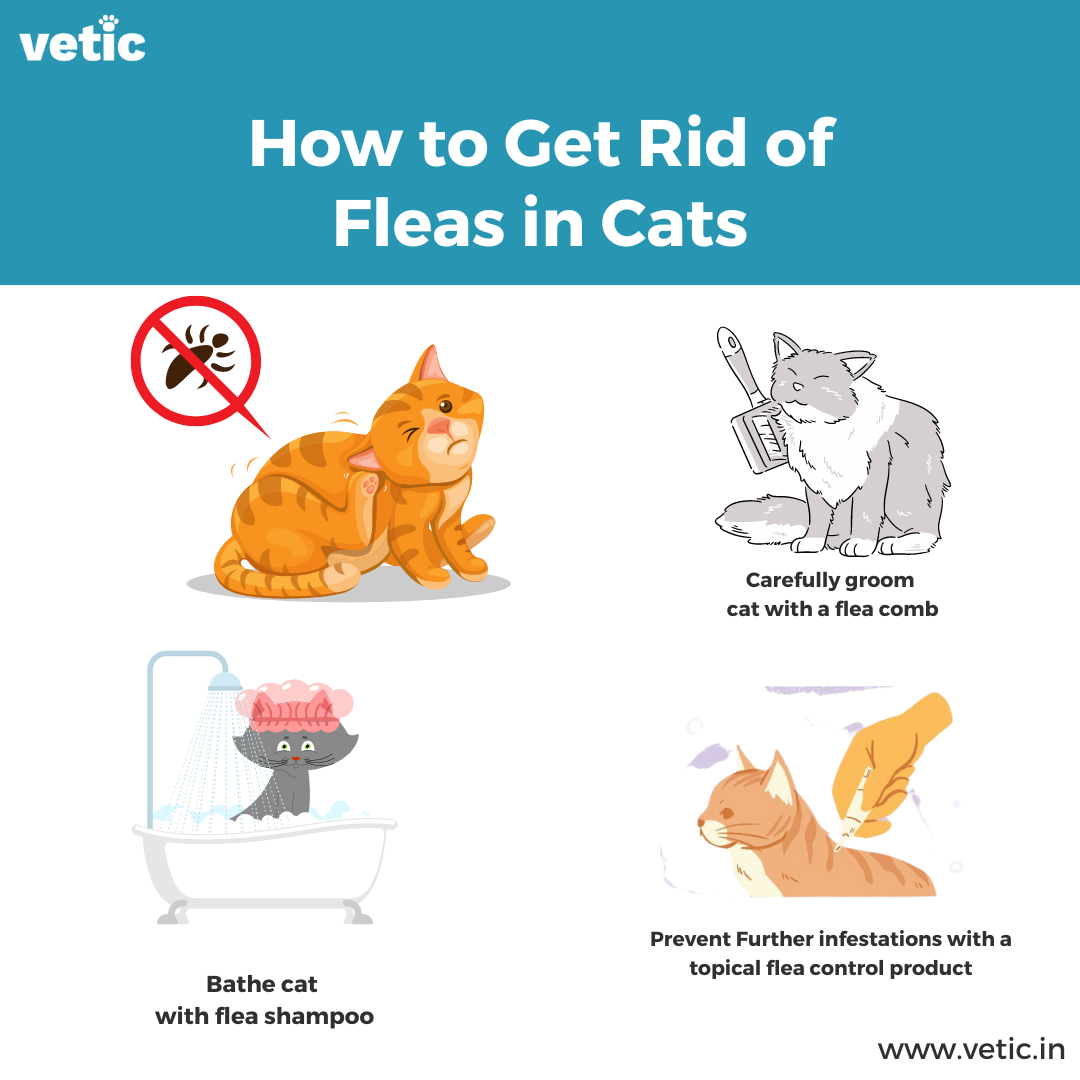
Topical treatments are popular for controlling fleas. They are applied directly to your cat’s skin. These treatments often provide immediate relief. Active ingredients kill adult fleas and prevent eggs from hatching. Most brands offer monthly protection.
Oral Flea Medications
Oral medications are another powerful option. These pills are easy to administer. They work from the inside out. Oral treatments disrupt the flea life cycle. They are effective within hours. Consult your vet for the best option.
Flea Collars
Flea collars offer long-term protection. They release active ingredients over time. Collars can last several months. They help repel fleas before they bite. Ensure the collar fits well and is comfortable.
Natural Remedies
Some prefer natural solutions. Essential oils like lavender repel fleas. Apple cider vinegar can deter them too. These options may not be as fast. They can be combined with other treatments.
Regular Grooming
Frequent grooming helps manage fleas. Comb your cat regularly. Use a fine-toothed flea comb. It removes fleas and eggs. Regular baths with mild soap can help. Grooming keeps your cat’s coat healthy.
Preventing Future Infestations
Preventing future infestations is crucial for your cat’s health and comfort. Once fleas invade, they can quickly multiply and cause problems. Taking proactive steps ensures your home stays free from these pests. Following some simple practices can help keep fleas away for good.
Regular Cleaning
Vacuum your home frequently. Focus on areas where your cat spends time. This removes fleas and their eggs. Wash your cat’s bedding weekly. Use hot water and detergent. Clean carpets and rugs thoroughly.
Use Flea Prevention Products
Apply flea prevention treatments. Spot-on treatments are effective. Choose products designed for cats. Consult your vet for recommendations. Flea collars are another option. They offer long-term protection.
Maintain Outdoor Spaces
Keep your yard tidy. Trim grass and bushes. Fleas thrive in tall grass. Remove debris and fallen leaves. Limit your cat’s outdoor access. Fewer chances of picking up fleas outside.
Check Your Cat Regularly
Examine your cat’s fur often. Look for flea dirt or bites. Early detection prevents infestations. Use a flea comb to catch them. Groom your cat frequently.
Healthy Diet
Feed your cat a balanced diet. Healthy cats resist fleas better. Strengthen their immune system. Good nutrition helps avoid skin issues. Discuss dietary needs with your vet.
Credit: vetic.in
Frequently Asked Questions
What Is The Fastest Way To Get Rid Of Fleas On A Cat?
Use a vet-approved flea treatment for quick results. Bathe the cat with flea shampoo. Clean home thoroughly, including vacuuming carpets. Wash pet bedding in hot water. Consult vet for advice on persistent infestations.
Do I Need To Treat My House If My Cat Has Fleas?
Yes, treat your house if your cat has fleas. Fleas can spread quickly and infest carpets, furniture, and bedding. Cleaning and vacuuming, along with using flea treatments, helps eliminate them. Regularly wash pet bedding and use sprays or powders designed for home flea control.
Do Cat Fleas Live On Humans?
Cat fleas do not live on humans. They may bite but prefer living on cats or dogs. Fleas jump onto humans for a quick meal and then leave. Regular pet flea control helps prevent bites.
What Kills Fleas Naturally On Cats?
Natural remedies like apple cider vinegar and diatomaceous earth can kill fleas on cats. Regularly bathing and combing your cat helps remove fleas. Essential oils like cedarwood and lavender, diluted properly, can also repel fleas. Always consult a vet before using any treatment on your cat.
Conclusion
Treating cat fleas requires patience and consistency. Regularly check your cat’s fur. Use vet-approved flea treatments. Keep your home clean and vacuum often. Wash your cat’s bedding weekly. Consider using natural remedies like apple cider vinegar. Consult your vet for the best advice.
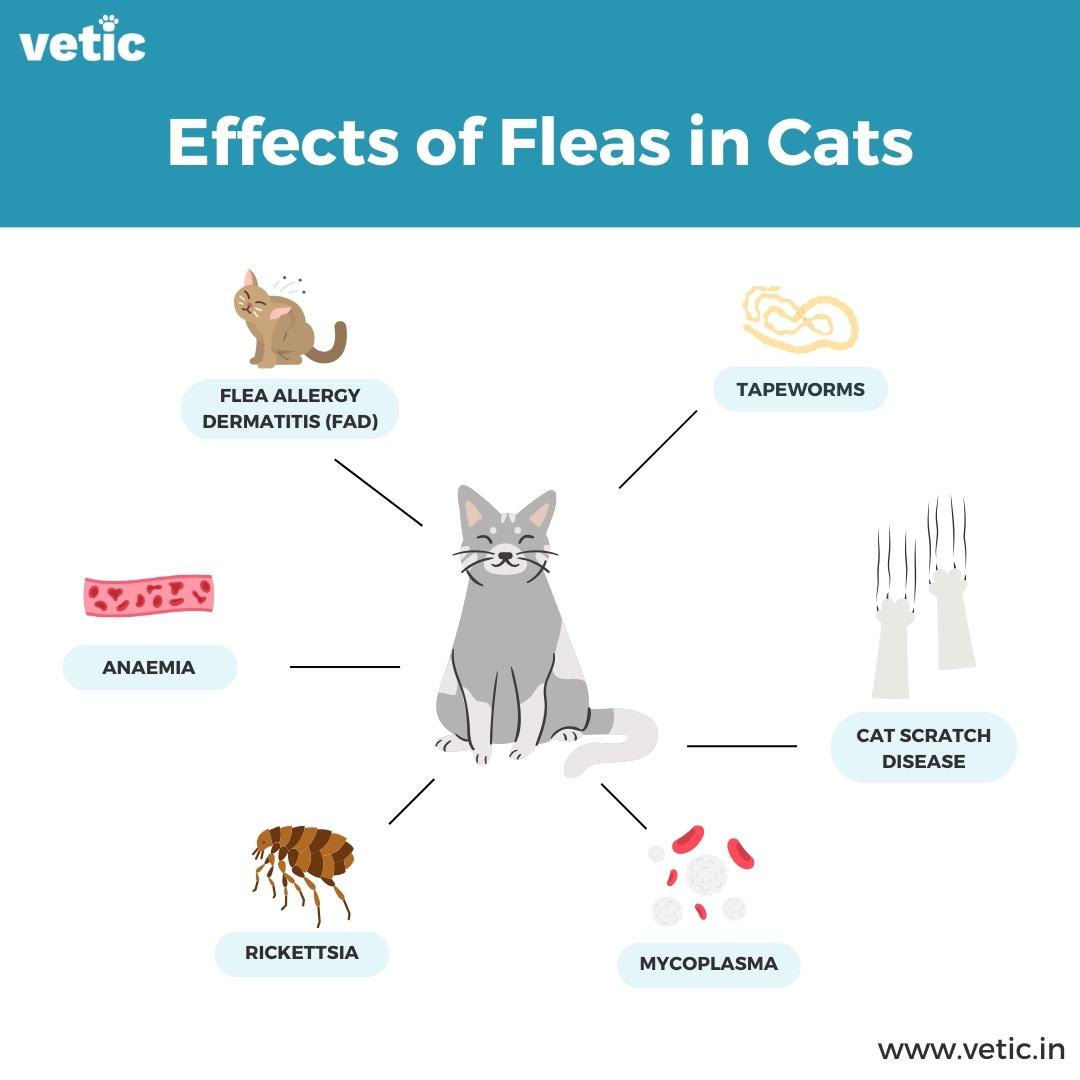
Fleas can cause discomfort and health issues. Addressing them quickly ensures your cat stays healthy and happy. Keep a close eye on your cat’s behavior. Notice any signs of fleas or irritation? Act promptly. Flea prevention is an ongoing task, but it’s worth the effort for your pet’s comfort.

Hi, I’m Taylor Morgan, the heart behind CATWhisk! As a lifelong cat enthusiast with a passion for feline care and behavior, I focus on providing reliable, practical, and engaging advice to cat parents everywhere. From health tips to fun DIY projects, my mission is to help you and your whiskered companions live your best lives together.