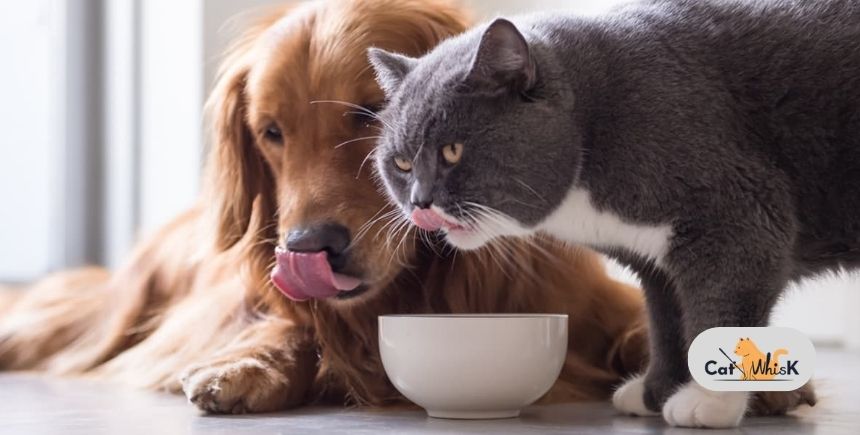
Have you ever caught your dog nibbling on cat food and wondered if it’s safe? You’re not alone.
Many pet owners find themselves curious about whether cat food can be a tasty treat or a harmful snack for their canine companions. This question can leave you puzzled, especially when you see how eagerly your dog devours it. Understanding the differences between cat and dog nutrition is crucial for your pet’s health.
Dive in to discover if sharing is caring or if it’s time to keep the kibble separate. You might be surprised by what you learn about your furry friend’s dietary needs!

Credit: greensafaris.com
Nutritional Differences
Have you ever wondered if cat food is suitable for your dog? The nutritional differences between cat and dog food are significant and understanding them can be crucial to your pet’s health. Let’s break down these differences to help you make informed choices.
Protein Content
Cat food is typically higher in protein than dog food. Cats are obligate carnivores, meaning they require a diet rich in protein. Dogs, while also needing protein, can thrive on a more varied diet. Feeding your dog cat food occasionally might not harm them, but it could lead to nutritional imbalances if done regularly.
Essential Nutrients
Cats require taurine, an amino acid found in animal tissues, which is essential for their heart and vision. Dog food doesn’t need this in the same amounts. Imagine your dog missing out on other essential nutrients because it’s eating cat food. It’s crucial to ensure your dog gets a balanced diet tailored to its needs.
Fat Levels
Cat food tends to have higher fat content, which can be appealing to dogs. However, excessive fat intake might not be ideal for your dog’s health. Think about how a high-fat diet could affect your dog’s weight and overall health. Ensuring your dog consumes appropriate fat levels is essential for maintaining a healthy weight and energy levels.
Fiber Needs
Dogs usually require more fiber in their diet compared to cats. Cat food generally has less fiber, which might lead to digestive issues in dogs if consumed regularly. Consider how fiber affects your dog’s digestion and ensure they have enough of it for a healthy gut.
Personal Insights
I once fed my dog with leftover cat food, thinking it wouldn’t matter. She seemed to love the taste but developed an upset stomach soon after. This experience made me realize the importance of understanding nutritional needs. Have you had a similar experience, or do you think mixing pet foods might be harmless?
Recognizing these nutritional differences can help you make better choices for your pets. Next time you consider feeding your dog cat food, ask yourself if it’s meeting their nutritional needs adequately. Balancing their diet is key to their health and happiness.
Potential Health Risks
Cat food is specifically designed for cats, and feeding it to your dog can pose several health risks. While dogs might find the taste appealing, the differences in nutritional needs between cats and dogs are significant. Before you let your pup indulge in your feline friend’s meals, it’s crucial to understand the potential risks involved.
Nutritional Imbalance
Cat food is rich in proteins and fats, designed to meet the carnivorous needs of cats. Dogs, on the other hand, require a more balanced diet with grains, fruits, and vegetables. Feeding your dog cat food regularly can lead to nutritional imbalance, as it lacks essential nutrients like fiber and carbohydrates that are vital for a dog’s health.
Obesity Concerns
Due to its high-fat content, cat food can lead to obesity in dogs. Cats need more fat for energy, but in dogs, excessive fat intake can result in weight gain. Obesity in dogs can cause serious health issues like joint problems, diabetes, and heart disease. Monitor your dog’s weight and ensure its diet is appropriate for maintaining a healthy physique.
Digestive Issues
Dogs might experience digestive problems when consuming cat food. Diarrhea and vomiting are common symptoms indicating your dog’s stomach is not handling the cat food well. Dogs have different digestive systems compared to cats, making them less capable of processing the rich content found in cat food.
Pancreatitis Risk
High levels of protein and fat can increase the risk of pancreatitis in dogs. This painful condition occurs when the pancreas becomes inflamed, leading to severe abdominal pain. If your dog frequently eats cat food, be aware of signs like lethargy, vomiting, and loss of appetite, which may indicate pancreatitis.
Have you ever noticed your dog sneaking cat food from the bowl? While it might seem harmless, the long-term effects can be concerning. Would you risk your dog’s health for a moment of curiosity? Understanding these risks can help you make informed decisions about your pet’s diet and overall well-being.
Safe Feeding Practices
Cats and dogs have different dietary needs. Cat food often lacks the nutrients dogs require for good health. Feeding cat food to dogs occasionally might not harm them, but regular consumption can lead to nutritional deficiencies. Always provide food specifically formulated for dogs to ensure balanced nutrition.
Feeding practices are crucial when it comes to ensuring the health and well-being of your pets. You might wonder if it’s safe to let your dog nibble on cat food. While occasional snacking might not harm your dog, regular feeding of cat food can lead to nutritional imbalances. This section will guide you through safe feeding practices, ensuring your furry friends stay healthy and happy.
Understanding Nutritional Needs
Dogs and cats have different nutritional requirements. Cat food typically contains higher protein levels to meet feline needs. Dogs require a balanced diet with proteins, carbohydrates, and fats. Feeding your dog cat food regularly can lead to excessive protein intake, potentially causing kidney issues over time. Always ensure your dog’s diet is specifically tailored to their needs.
Mixing Foods With Caution
You might occasionally find your dog munching on cat food. While a small amount won’t harm them, it’s essential to prevent this from becoming a habit. Consider keeping cat food out of reach or feeding your pets in separate areas. This way, you can control their diets and ensure they’re not overindulging in inappropriate food sources.
Monitoring Health Signs
Keep an eye on your dog’s health if they sneak cat food. Look for signs like digestive upset, weight changes, or lethargy. These could indicate dietary issues. If you notice any unusual symptoms, consult your veterinarian immediately. A proactive approach helps in maintaining their health effectively.
Creating A Pet-friendly Environment
Design your home to support safe feeding practices. Invest in separate feeding bowls for each pet and place them strategically. This ensures each pet enjoys their meal without interference. You could also schedule different feeding times to maintain order and prevent food mix-ups.
Engaging Your Pets
Keeping your pets entertained can distract them from seeking each other’s food. Provide toys and activities that stimulate their minds and bodies. Engaged pets are less likely to focus on food that’s not theirs. What creative methods can you use to keep your pets happily occupied? Safe feeding practices not only prevent dietary issues but also foster a harmonious home environment. By understanding and applying these insights, you can ensure your pets receive the nutrition they need without compromising their health.
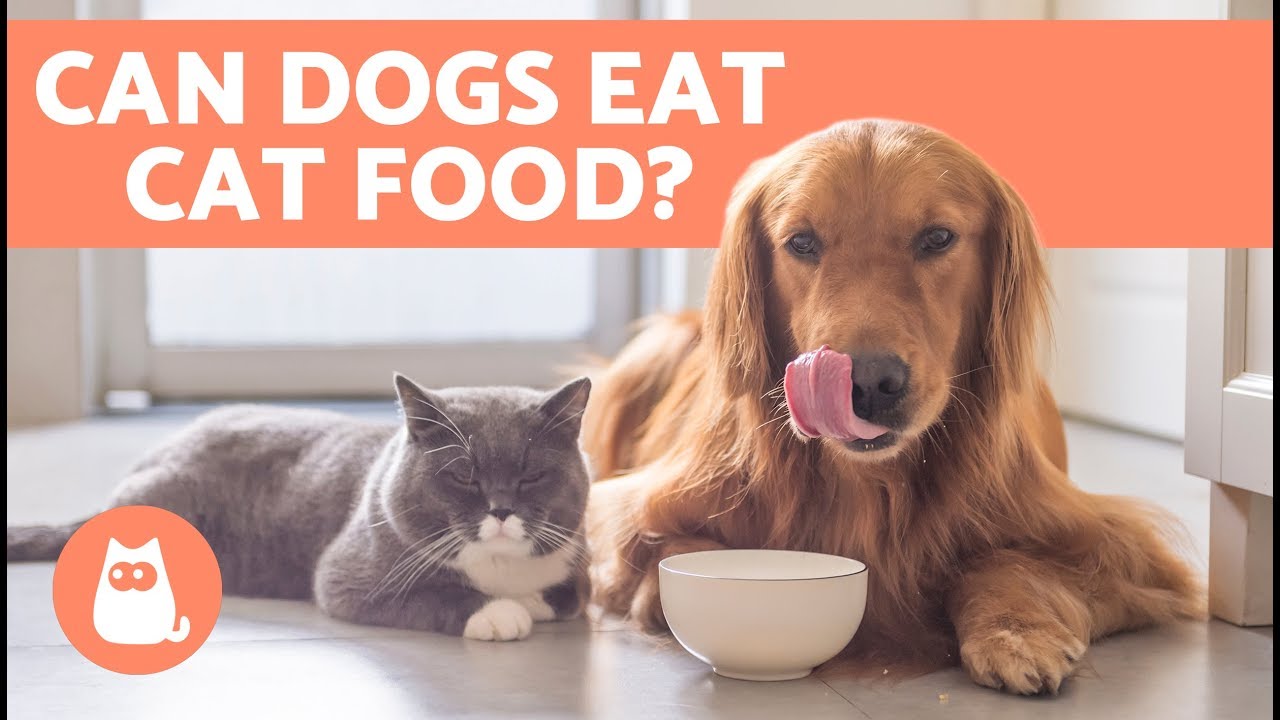
Credit: www.youtube.com
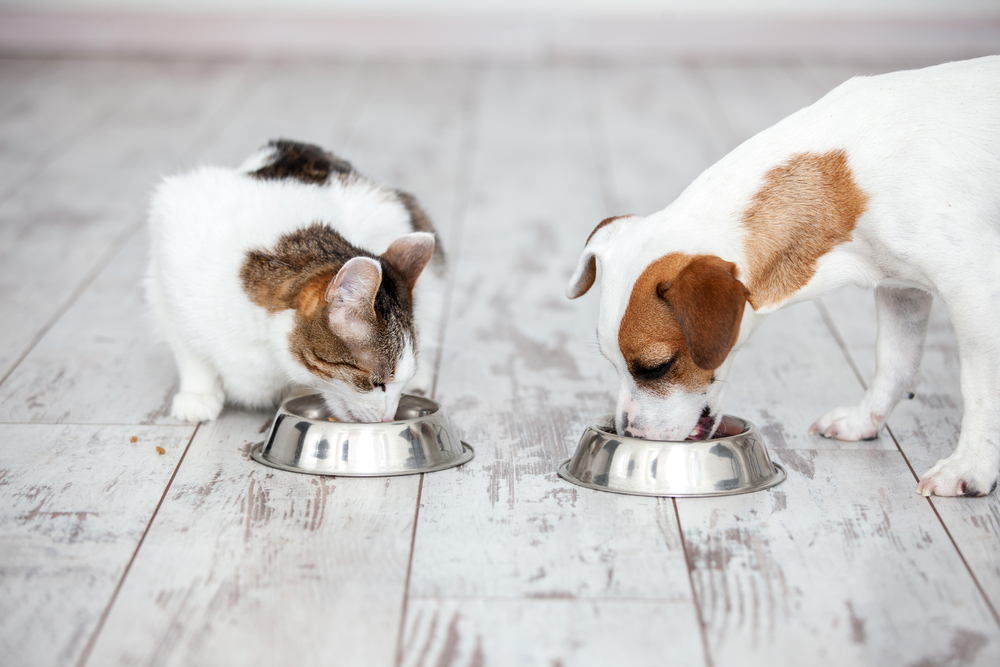
Credit: www.vets-now.com
Frequently Asked Questions
What Happens If My Dog Eats Cat Food?
Dogs eating cat food occasionally might experience digestive upset. Cat food lacks essential nutrients dogs need. Regular consumption can lead to obesity and nutritional deficiencies. If your dog eats cat food often, consult a veterinarian for advice. Ensure to keep cat food out of your dog’s reach.
Is It Safe To Feed Cat Food To Dogs?
Feeding cat food to dogs is not safe. Cat food lacks essential nutrients dogs need. It’s higher in protein and fat, which can lead to health issues for dogs. Always choose food specifically formulated for your dog’s dietary needs. Consult a veterinarian for guidance on proper nutrition for your pet.
Can Dogs Eat Cat Food Occasionally?
Yes, but it’s not ideal. Cat food lacks nutrients dogs need.
What Happens If A Dog Eats Cat Food?
Dogs may have stomach upset. Long-term, it can lead to health issues.
Is Cat Food Safe For Dogs?
Not completely. Cat food is high in fat and protein, not balanced for dogs.
Conclusion
Feeding dogs cat food isn’t a good idea. Dogs have different nutritional needs. Cat food is richer in proteins and fats. This may upset a dog’s stomach. It can also lead to health issues over time. Balance is key in a dog’s diet.
Dog food meets their specific nutritional requirements. Always consult a vet for diet changes. Keeping your pet healthy is the priority. Choose food tailored for dogs. It’s the best way to ensure they thrive. Remember, what works for cats doesn’t always work for dogs.
Stay informed and keep your furry friend safe.

Hi, I’m Taylor Morgan, the heart behind CATWhisk! As a lifelong cat enthusiast with a passion for feline care and behavior, I focus on providing reliable, practical, and engaging advice to cat parents everywhere. From health tips to fun DIY projects, my mission is to help you and your whiskered companions live your best lives together.