

Last Updated on February 18, 2026
Have you ever felt the sharp sting of a cat’s nail scratch and wondered just how dangerous it might be? You’re not alone.
Many cat owners have experienced that sudden swipe, leaving them with more than just a temporary mark. But what lies beneath the surface of this seemingly harmless encounter? Is it just a simple scratch, or could it be a potential health risk?
We’ll delve into the hidden truths about cat scratches, unraveling the mystery behind those tiny claws. Get ready to uncover vital information that might just change how you view your feline friend’s playful antics. Stay with us, as the answers you seek might surprise you and keep you and your furry companion safe and happy.
Credit: ninjacart.com
Contents
Risks Of Cat Scratches
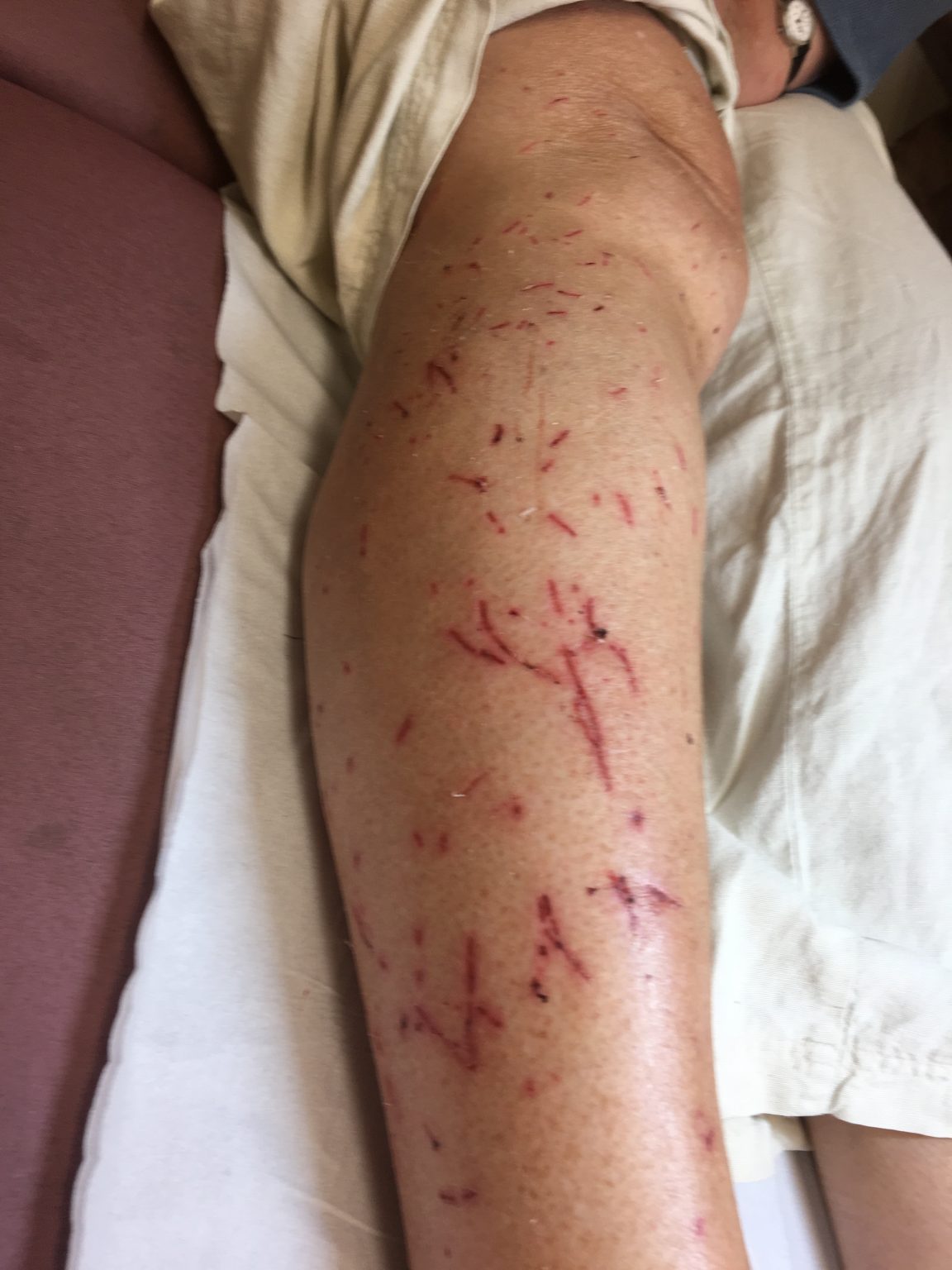
Have you ever been scratched by a cat and wondered if it’s something to worry about? Cat scratches might seem harmless, but they can pose certain risks, especially if not properly treated. This section explores the potential dangers of cat scratches and provides insights on how to handle them effectively.
What Can A Cat Scratch Lead To?
Cat scratches can lead to infections due to the bacteria present on a cat’s claws. It’s not just the surface wound you should be concerned about. The bacteria can penetrate deeper into the skin, causing complications like Cat Scratch Fever, a bacterial infection. You might notice swelling, redness, and even a fever.
How To Recognize An Infection?
Recognizing an infection early can prevent serious health issues. Look for signs like increased redness around the scratch, pus, or tenderness. If you experience unusual symptoms such as persistent pain or fever, it’s crucial to seek medical advice. You might be surprised how quickly a simple scratch can escalate.
Preventative Measures You Can Take
Prevention is always better than cure. Regularly trimming your cat’s nails can significantly reduce the risk of deep scratches. This not only protects you but also keeps your feline friend comfortable. Consider using scratch posts to help your cat maintain healthy claws without harming you.
Immediate Actions After A Scratch
What should you do immediately after a scratch? Clean the area thoroughly with soap and water. Applying an antiseptic can help in minimizing the risk of infection. Keep the scratch covered if it’s severe, and monitor it for any signs of infection. Remember, a swift response can make all the difference.
When To Consult A Professional?
Wondering if it’s time to see a doctor? If the scratch doesn’t heal or shows signs of infection, professional advice is necessary. Don’t ignore persistent symptoms such as fever or swollen lymph nodes. Your health should always be a priority, so when in doubt, consult a healthcare professional.
Credit: www.youtube.com
Health Complications
Cat scratches are common for pet owners. But are they dangerous? Sometimes, these scratches can lead to health issues. It’s essential to know the risks. Here’s what you should understand about cat nail scratch complications.
Understanding Infection Risks
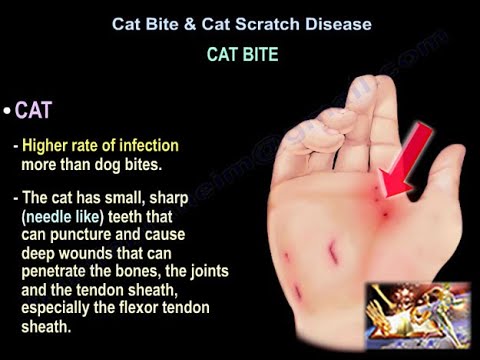
Cat scratches can break the skin. Bacteria can enter through these breaks. This may cause infections like cellulitis. Swelling, redness, and pain are signs of infection. Seek medical advice if symptoms appear.
Bartonella Henselae: Cat Scratch Disease
Some cats carry Bartonella henselae. This bacteria causes cat scratch disease. People can get infected through scratches. Symptoms include fever and swollen lymph nodes. Treatment may require antibiotics.
Allergic Reactions To Cat Scratches
Cat scratches may trigger allergies. People with pet allergies are more at risk. Symptoms may include itching and rash. Allergy medication can help relieve symptoms.
Risk For Immunocompromised Individuals
Those with weakened immune systems face greater risks. Cat scratches can lead to severe infections. Extra care is needed to avoid scratches. Regularly check for signs of infection.
Preventing Health Complications
Keep cat nails trimmed. This reduces the chances of deep scratches. Clean any scratches immediately. Use antiseptic to prevent infection. Monitor scratches for unusual changes.
Preventive Measures
Cats are playful creatures, often using their claws during play. Scratches might seem harmless, but they can pose risks. Understanding preventive measures can help keep you safe and your feline friend happy.
Regular Claw Trimming
Trim your cat’s nails regularly to minimize scratch risks. Shorter nails cause less damage. Use clippers designed for pets. Trim carefully to avoid discomfort or injury.
Provide Scratching Posts
Offer scratching posts to your cat. Cats love scratching surfaces. It keeps them entertained and their nails healthy. Choose sturdy posts with varied textures.
Use Nail Caps
Nail caps are tiny covers for cat claws. They prevent sharp scratches. They are safe and easy to apply. Choose caps that fit your cat’s nails well.
Train Gentle Play
Encourage gentle play with your cat. Use toys instead of your hands. Teach them to avoid scratching humans. Reward calm behavior during playtime.
Regular Vet Check-ups
Schedule regular check-ups with your vet. They can assess your cat’s health. Discuss any concerns about claw-related issues. Ensure your cat’s nails are healthy and well-maintained.
Credit: www.compleetfeet.co.uk
Frequently Asked Questions
What Happens When A Cat’s Nail Scratches You?
A cat scratch can break the skin, causing pain, bleeding, or infection. Clean and disinfect the wound immediately. Watch for signs of infection like redness or swelling. If symptoms worsen, consult a doctor. Regularly trimming your cat’s nails can help prevent scratches.
Keep tetanus shots updated for safety.
Do I Need Rabies Vaccine For Cat Scratch?
Rabies vaccine is usually not needed for cat scratches. Rabies is rare in domestic cats. Consult a doctor if the cat seems ill or the scratch is severe. Keep your tetanus shots updated for protection against infections. Always monitor the wound for signs of infection and seek medical advice if needed.
Is Minor Cat Nail Scratch Dangerous?
Minor cat scratches can sometimes lead to infections. Clean the wound immediately with soap and water. Monitor for redness, swelling, or pus. Seek medical advice if symptoms worsen. Cat scratch fever, a bacterial infection, is rare but possible. Keep your cat’s nails trimmed to minimize risks.
Should I Go To The Er If A Cat Scratches Me?
Visit the ER if a cat scratch is deep, bleeding heavily, or shows signs of infection. Look for redness, swelling, or pus. Seek medical attention for fever or if you have a weakened immune system. Keep the wound clean and monitor for any worsening symptoms.
Conclusion
Cat scratches can pose health risks. They might cause infections or allergies. Keep your cat’s nails trimmed and clean. Consult a vet for proper nail care advice. Watch for signs of infection after a scratch. Redness or swelling should be checked by a doctor.
Educate children about handling cats safely. Cats have instincts that can lead to scratches. Understanding cat behavior helps prevent incidents. Take precautions for a safe and loving pet relationship. Enjoy your furry friend’s company with peace of mind. Stay informed and protect both yourself and your cat.

Hi, I’m Taylor Morgan, the heart behind CATWhisk! As a lifelong cat enthusiast with a passion for feline care and behavior, I focus on providing reliable, practical, and engaging advice to cat parents everywhere. From health tips to fun DIY projects, my mission is to help you and your whiskered companions live your best lives together.