
Last Updated on June 17, 2026
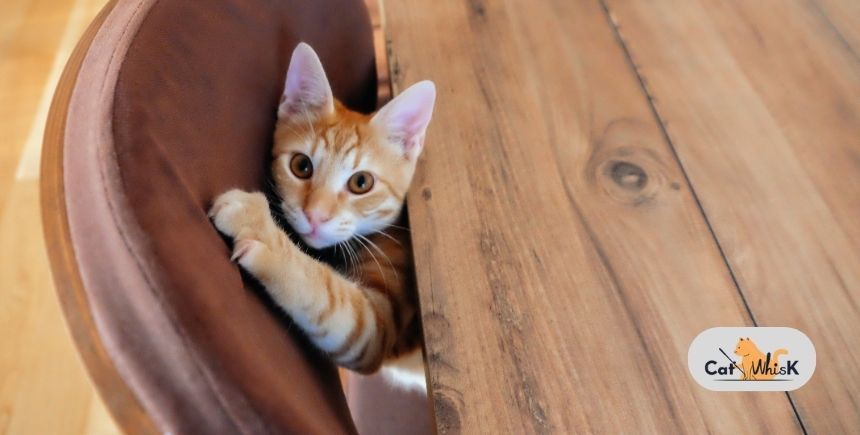
Are you tired of finding your beloved furniture shredded and scratched up by your furry friend? You’re not alone.
Many pet owners face the same challenge and often feel frustrated, wondering if their home will ever be free from those unsightly marks. But what if there was a way to protect your furniture while keeping your pet happy and stress-free?
Imagine a home where your pet can satisfy their scratching instincts without turning your couch into a scratching post. Sounds like a dream, right? In this guide, you’ll discover simple, effective methods to train and redirect your pet’s scratching behavior. You’ll learn how to maintain a harmonious living space without sacrificing style or comfort. Ready to transform your home into a scratch-free haven? Let’s dive into the secrets of successful pet training and redirection!

Credit: www.wayofcats.com
Understanding Feline Behavior
Cats often scratch furniture to mark territory or stretch. Train them with positive reinforcement and redirect their attention to scratching posts. Provide various textures and locations to keep their interest.
Understanding why your cat scratches furniture can be a game-changer in redirecting this behavior. Cats scratch not just to annoy you but to communicate something important. They have natural instincts and needs that scratching helps fulfill.
Why Do Cats Scratch?
Cats scratch for several reasons. It’s a way to mark their territory, stretch their muscles, and keep their claws sharp. Imagine your cat saying, “This is my space!” every time they scratch your sofa. It’s not just an act of destruction; it’s a fundamental part of who they are.
Recognizing The Emotional Needs
Scratching can also signal emotional needs. Is your cat stressed or bored? When my cat started scratching the furniture excessively, it was a sign she needed more interaction and playtime. Your cat might be telling you it’s time for a new toy or more cuddles.
Creating A Cat-friendly Environment
Consider your home from your cat’s perspective. Do they have enough scratching posts and interactive areas? Having a dedicated scratching post can save your furniture. I found that placing a scratching post near my cat’s favorite scratching spot helped redirect her energy.
Training Techniques That Work
Training your cat involves patience and consistency. Use rewards like treats or praise when they use the scratching post. Redirect them gently when they start scratching furniture. A little guidance goes a long way in fostering good habits.
Consistency Is Key
Stay consistent with your approach. Cats respond well to routine, so make sure their environment supports their natural behaviors. It’s not about changing your cat; it’s about understanding and accommodating them.
Ask Yourself
What message is your cat sending when they scratch? Is it time to reevaluate your cat’s environment? Your answers might just lead to a happier home for both you and your feline friend.
Training Techniques For Cats
Cats are lovable creatures, but their scratching habits can be challenging. Training them effectively can save your furniture and enhance their well-being. Using positive reinforcement and understanding their needs are key. Let’s explore some techniques to train your cat to scratch in the right places.
Understanding Your Cat’s Needs
Cats scratch to mark their territory and stretch their muscles. Providing them with suitable outlets is crucial. Observe their favorite scratching spots and offer alternatives.
Providing Scratching Posts
Scratching posts should be sturdy and tall. Cats love to stretch while scratching. Place them where your cat spends most of their time.
Using Positive Reinforcement
Reward your cat when they use the scratching post. Treats or praise can encourage them. Make sure to offer rewards immediately after they scratch the post.
Redirecting Scratching Behavior
If your cat scratches furniture, gently redirect them to the post. Use toys to lure them towards the scratching post. Be patient and consistent with redirection.
Creating An Inviting Environment
Sprinkle catnip on the scratching posts. Cats are attracted to the smell. This can make the posts more appealing.
Consistency Is Key
Training a cat takes time. Consistent efforts lead to better results. Stick to the techniques and be patient.
Redirecting Scratching Habits
Cats have an innate need to scratch. It helps them stretch and maintain their claws. It’s also a way to mark territory. Yet, scratching furniture can be frustrating. Redirecting these habits is crucial. It preserves your home and keeps your cat happy.
Start by observing your cat’s favorite scratching spots. They often choose couches or curtains. It’s important to understand these preferences. Try placing scratching posts near these areas. This can draw their attention away from your furniture.
Choose The Right Scratching Post
Not all scratching posts are equal. Select a post that suits your cat’s needs. It should be tall enough for a good stretch. Choose materials like sisal or cardboard. These mimic natural textures cats love. Ensure the post is stable and won’t tip over.
Use Positive Reinforcement
Encourage your cat to use the scratching post. Praise them when they do. Treats can be a good incentive. Reward them immediately after using the post. This reinforces the behavior you want.
Discourage Furniture Scratching
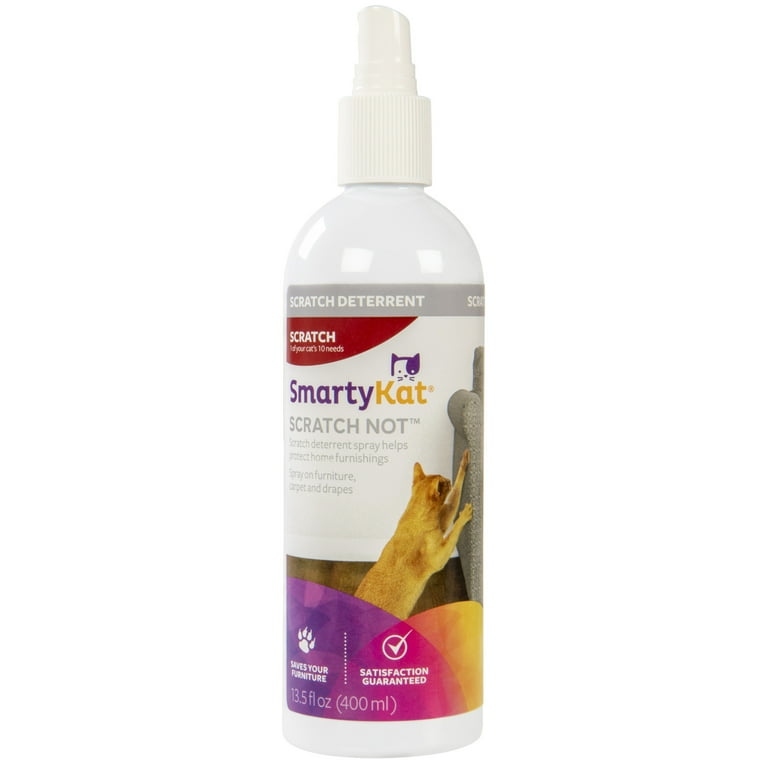
Make furniture less appealing to scratch. Use double-sided tape or aluminum foil. These textures are unpleasant for cats. Spray furniture with scents they dislike. Citrus or menthol are good options. This can deter them from scratching there.
Offer Variety In Scratching Options
Provide multiple scratching surfaces. Cats enjoy diversity. Offer horizontal and vertical options. Different textures keep them engaged. Rotate these options every few weeks. This keeps their interest alive.
Regularly Trim Your Cat’s Claws
Trim your cat’s claws regularly. This reduces the damage from scratching. Use cat nail clippers for safety. Be gentle and calm during the process. It helps prevent accidental injury.

Credit: www.amazon.com
Credit: www.walmart.com
Frequently Asked Questions
How To Discipline A Cat From Scratching Furniture?
Provide a scratching post near the furniture. Reward your cat for using it. Use double-sided tape on furniture. Trim your cat’s nails regularly. Spray deterrents on furniture to discourage scratching.
How To Redirect Cat Scratching?
Provide a scratching post near areas your cat frequents. Encourage use with toys or catnip. Reward with treats when used. Protect furniture with covers or double-sided tape. Trim your cat’s nails regularly to minimize damage.
What Is The Best Homemade Spray To Stop Cats From Scratching Furniture?
Create a homemade spray using equal parts water and white vinegar. Add a few drops of citrus essential oil. Cats dislike the smell, helping deter them from scratching furniture. Spray it lightly on areas they target. Always test on a small area first to ensure it doesn’t damage the fabric.
How To Discipline A Cat After Scratching You?
Use a firm voice to say “No” and redirect your cat to a scratching post. Reward good behavior with treats. Avoid physical punishment, as it can cause fear or aggression. Trim nails regularly to minimize scratching. Provide toys and interactive play to prevent boredom-induced scratching.
Why Do Cats Scratch Furniture?
Cats scratch furniture to mark territory, stretch muscles, and remove old claw sheaths. It’s natural behavior.
Conclusion
Training your cat to avoid scratching furniture is achievable. Use patience and consistency. Redirect their scratching to designated areas. Choose sturdy scratching posts. Place them near favorite spots. Praise your cat when they use them. Negative reinforcement harms trust, so avoid it.
Understand your cat’s needs and preferences. Scratching is natural behavior. Provide outlets for their energy. Toys and interactive play help. Encourage positive habits. A harmonious home benefits everyone. With effort, furniture stays scratch-free. Cats remain happy. Both thrive together. Keep training sessions brief.
Stay calm and patient. Success follows with time and love.

Hi, I’m Taylor Morgan, the heart behind CATWhisk! As a lifelong cat enthusiast with a passion for feline care and behavior, I focus on providing reliable, practical, and engaging advice to cat parents everywhere. From health tips to fun DIY projects, my mission is to help you and your whiskered companions live your best lives together.