Last Updated on June 17, 2026
Imagine coming home after a long day, only to find your feline friend has been stressed in your absence. Maybe they’ve knocked over a vase or are meowing more than usual.
If this sounds familiar, your cat might be experiencing separation anxiety. It’s a common issue many cat owners face, yet it often goes unnoticed. You care deeply about your pet’s well-being, and understanding separation anxiety is the first step in helping them feel more secure.
You’ll discover the telltale signs of separation anxiety in cats and explore calming routines that can make a world of difference. Dive in to learn how you can transform your cat’s anxious moments into periods of calm and comfort.

Credit: www.barkandwhiskers.com
Recognizing Signs Of Anxiety
Cats can experience separation anxiety just like humans. Recognizing these signs early can help provide comfort. Understanding your cat’s behavior is key to managing anxiety.
Changes In Eating Habits
Notice if your cat eats less when alone. Loss of appetite can indicate stress. Monitor their eating patterns closely.
Increased Vocalization
Cats may meow excessively when anxious. This can happen before or after you leave. Loud or persistent meowing is a sign of distress.
Destructive Behavior
Destruction of furniture or scratching walls may occur. Anxiety can lead to such behaviors. Providing toys can help reduce this tendency.
Excessive Grooming
Your cat might groom more than usual. This behavior often signals stress. Check for bald patches or irritated skin.
Bathroom Accidents
Urinating outside the litter box is a clear sign. Anxiety can disrupt normal bathroom habits. Ensure the litter box is clean and accessible.
Effective Calming Techniques
Separation anxiety in cats is a common issue. Cats feel stressed when left alone. This stress can lead to unwanted behaviors. Fortunately, there are effective calming techniques to ease their anxiety. These methods help your feline friend feel more secure and relaxed.
Interactive Playtime
Engaging your cat in play can greatly reduce anxiety. Use toys that mimic prey to stimulate their hunting instincts. Regular play sessions keep them active and mentally engaged. A tired cat is a happy cat.
Soothing Music
Music can calm anxious cats. Soft, classical tunes often work best. Play music during times you are away. It creates a soothing atmosphere for your pet.
Comforting Environment
Create a safe space for your cat. This space should be quiet and cozy. Include their favorite blanket or toy. Familiar smells and textures provide comfort.
Use Of Pheromone Diffusers
Pheromone diffusers can ease stress. They emit calming scents that mimic feline facial pheromones. These scents signal safety and relaxation. Place diffusers in areas your cat frequents.
Gradual Desensitization
Gradual desensitization can reduce anxiety over time. Start with short absences and gradually increase. This helps your cat adjust to being alone. Always return calmly to reinforce a sense of safety.
Positive Reinforcement
Reward calm behavior with treats or affection. Positive reinforcement encourages desired behaviors. It helps build confidence in your pet. Consistency is key in reinforcing calmness.
Creating A Comforting Environment
Cats often show signs of separation anxiety, such as excessive meowing and destructive behavior. Establishing calming routines can help ease their stress. A comforting environment with familiar scents and toys can make your cat feel safe and secure.
Creating a comforting environment for your cat can ease their separation anxiety. Cats thrive in spaces that feel safe and familiar. A well-structured environment helps them relax when you’re away. Let’s explore some effective strategies to create a soothing atmosphere for your feline friend.
Establish A Safe Space
Cats love having their own secure area. Set up a cozy spot where they can retreat. Use soft bedding and calming scents. This space should be quiet and away from disturbances. The goal is to make it their sanctuary.
Provide Interactive Toys
Interactive toys keep cats engaged and distracted. Puzzle feeders or battery-operated toys work well. These encourage play and mental stimulation. They help reduce stress and prevent boredom.
Use Calming Sounds
Soft, soothing music can calm anxious cats. Choose melodies designed for pets. Classical or nature sounds work wonders. Play these sounds at a low volume to create a peaceful ambiance.
Maintain Consistent Routines
Consistency is key for cats. Stick to regular feeding and playtimes. Predictable routines make them feel secure. It helps them anticipate your return, easing anxiety.
Consider Comforting Scents
Certain scents have calming effects on cats. Use lavender or chamomile sprays. These should be pet-safe and lightly applied. Avoid overpowering fragrances that might irritate them. Creating a comforting environment involves understanding your cat’s needs. With the right setup, their anxiety can significantly decrease. A few changes make a big difference in their wellbeing.

Credit: www.amazon.com
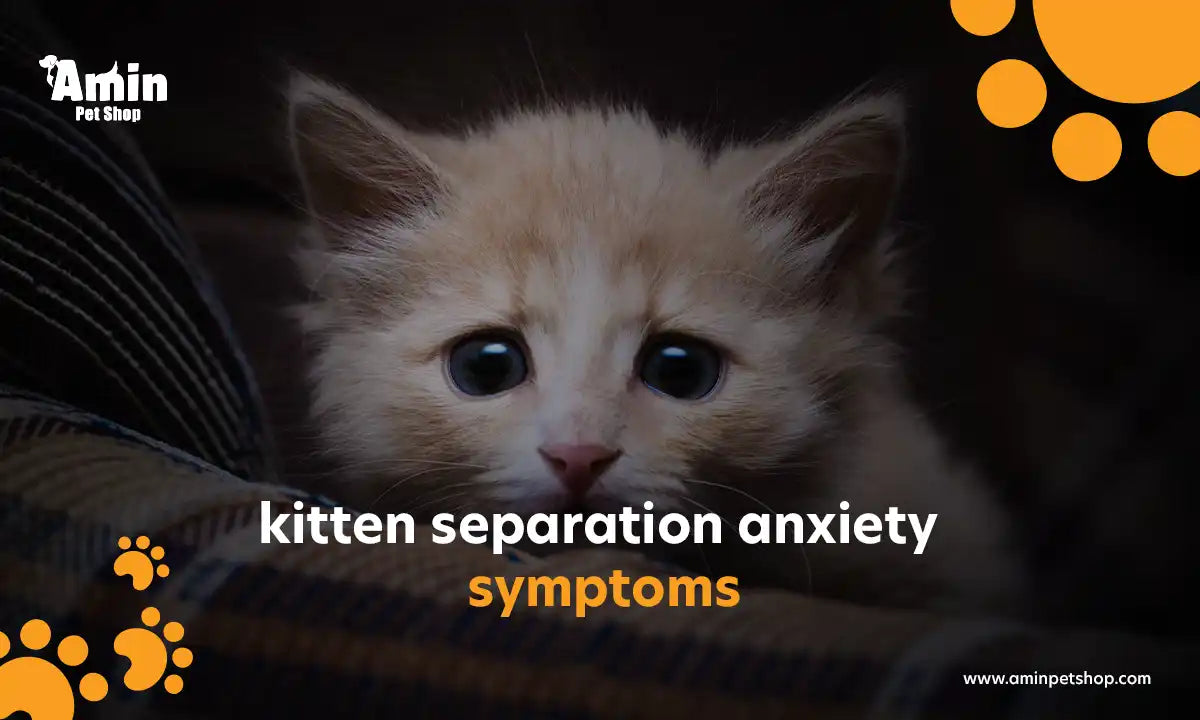
Credit: aminpetshop.com
Frequently Asked Questions
What Do Cats Do When They Have Separation Anxiety?
Cats with separation anxiety may become vocal, destructive, or excessively groom themselves. They might refuse food, hide, or act clingy. Providing interactive toys, a cozy environment, and gradual desensitization can help alleviate their stress. Ensure their comfort when you’re away to minimize anxiety symptoms.
How To Calm An Anxious Cat Naturally?
Use calming pheromone diffusers and ensure a quiet, safe space for your cat. Engage them with interactive toys. Provide plenty of affection and maintain a consistent routine. Consider natural supplements like valerian root, but consult your vet first.
What Are The Signs Of A Stressed Cat?
Signs of a stressed cat include excessive grooming, hiding, aggression, decreased appetite, and increased vocalization. Watch for changes in litter box habits, pacing, or destructive behavior. Tail flicking and dilated pupils can also indicate stress. Regularly monitor your cat’s behavior for any unusual changes.
How To Get Your Cat To Stop Meowing When You Leave?
Train your cat to enjoy solo play by using interactive toys. Establish a comforting goodbye routine. Leave a worn piece of clothing for familiarity. Gradually increase time spent away. Reward your cat for quiet behavior with treats. Consistency is key for reducing meowing when you leave.
What Are Common Signs Of Cat Separation Anxiety?
Cats may become clingy, vocalize more, or stop using the litter box.
Conclusion
Cats can feel anxious when alone. It’s important to notice the signs. Changes in behavior, excessive meowing, and hiding are clues. Creating a calming routine helps. Try soothing music or gentle play. A cozy spot or a favorite toy may comfort them.
Spend quality time together. Patience and understanding are key. Each cat is unique. Tailor routines to fit their needs. Small steps can ease their anxiety. With love, they’ll feel secure. A happy cat means a happier home. Remember, their emotional well-being matters.
Keep observing, keep caring, and enjoy the bond.

Hi, I’m Taylor Morgan, the heart behind CATWhisk! As a lifelong cat enthusiast with a passion for feline care and behavior, I focus on providing reliable, practical, and engaging advice to cat parents everywhere. From health tips to fun DIY projects, my mission is to help you and your whiskered companions live your best lives together.