
Last Updated on February 18, 2026
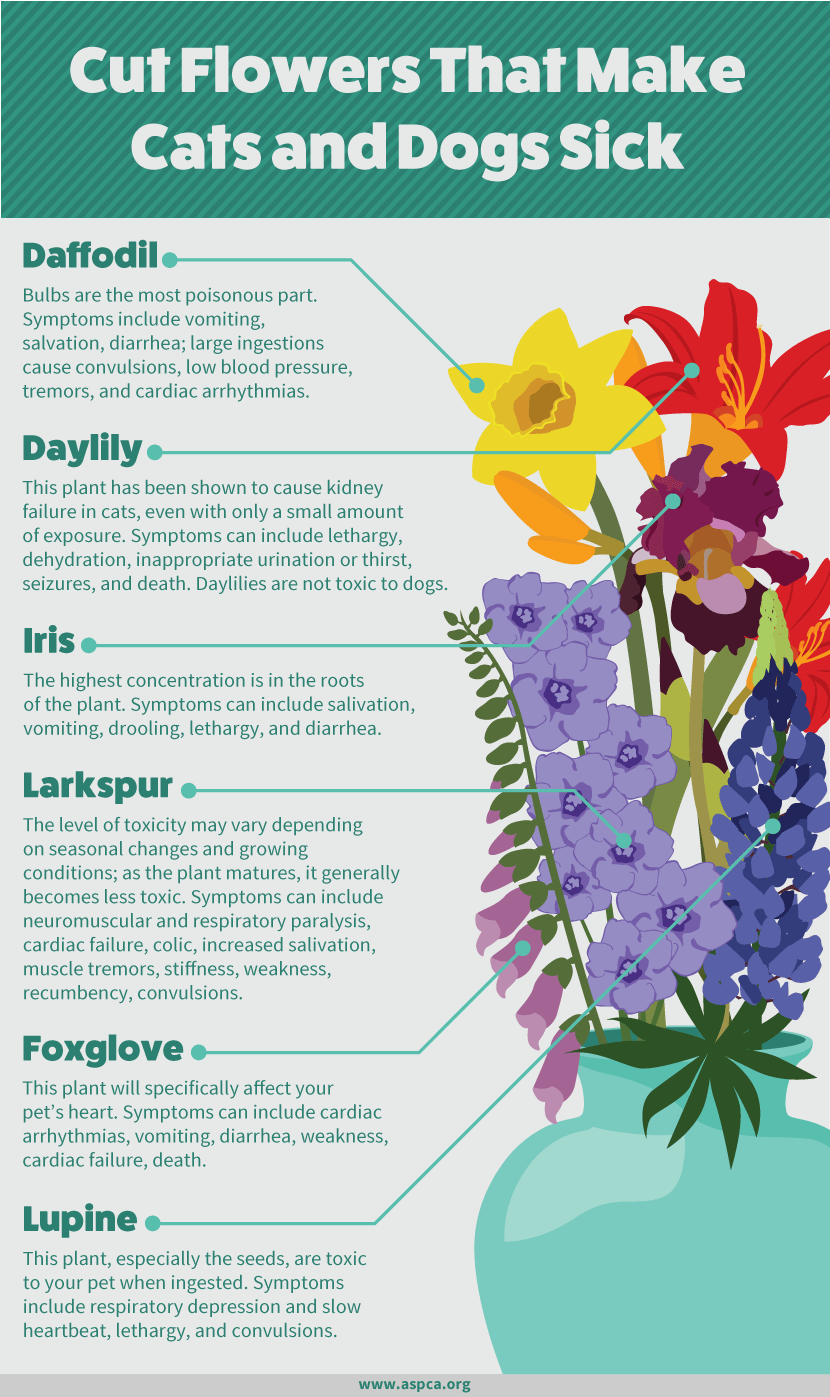
Picture this: your home is filled with lush, vibrant houseplants, each one adding a touch of nature’s beauty to your living space. But if you’re a cat owner, these green companions could pose unseen risks to your furry friend.
Cats are naturally curious creatures, and that curiosity often leads them to nibble on leaves or flowers. The question is, are these plants safe or toxic for your beloved pet? In this guide, we’ll help you navigate the world of houseplants with your cat’s safety in mind.
You’ll discover which plants are safe to keep around and which ones might be harmful. Plus, we’ll equip you with crucial emergency steps to take if your cat accidentally ingests something toxic. Your peace of mind is our priority, so let’s dive in and ensure your home is both beautiful and safe for your curious companion.
Credit: www.fix.com
Contents
Common Toxic Houseplants
Houseplants can add a touch of nature to your home, but did you know some can be harmful to your feline friends? It’s crucial to identify common toxic houseplants for cats to ensure their safety. You might be surprised by how many popular plants can pose a threat. Let’s dive into some specific plants you should be cautious about.
Peace Lily (Spathiphyllum)
Peace Lilies are elegant and easy to care for, making them a popular choice. However, they contain compounds that can irritate your cat’s mouth and stomach. If your cat chews on a Peace Lily, you might notice drooling or difficulty swallowing.
Snake Plant (Sansevieria)
Also known as Mother-in-law’s Tongue, the Snake Plant is a common sight in homes due to its resilience. Unfortunately, it’s toxic to cats. Ingesting it can lead to nausea, vomiting, and diarrhea. Despite its hardy nature, it’s best kept out of reach of curious paws.
Sago Palm (Cycas revoluta)
Sago Palms are attractive but extremely dangerous for cats. Every part of the plant is toxic, especially the seeds. Ingestion can cause severe liver damage, so if you have one, consider relocating it to a spot your cat cannot access.
Philodendron
Philodendrons are loved for their lush leaves and easy care. However, they contain calcium oxalate crystals, which can cause oral irritation and swelling. If your cat loves to nibble on greenery, this plant might not be the best choice.
Pothos (Epipremnum aureum)
Pothos, or Devil’s Ivy, is known for its trailing vines and versatility. Despite its beauty, it’s toxic to cats, potentially causing vomiting or irritation. Consider hanging it high or choosing a non-toxic alternative.
Have you noticed your cat eyeing your plants suspiciously? It’s essential to be proactive. Swap out harmful plants for safer options to keep your furry friend healthy. What steps will you take to ensure your home is a safe haven for your cat?
Remember, knowing which plants are toxic is just one part of the puzzle. Always have a plan for emergencies and consider consulting your vet for advice tailored to your pet’s needs.
Credit: aercmn.com
Safe Plant Choices For Cats
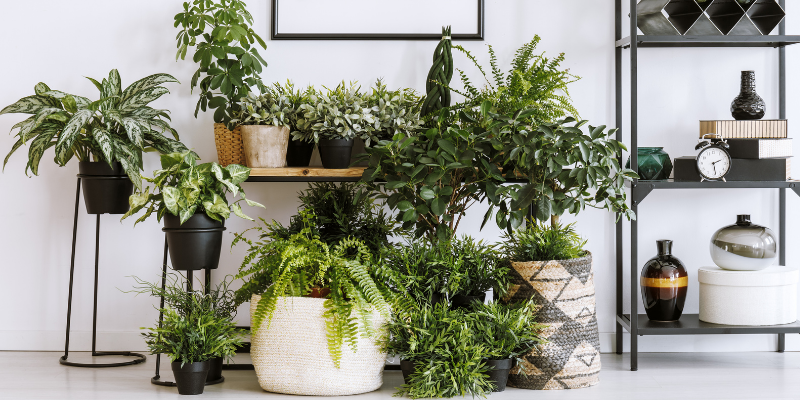
Choosing houseplants for cat owners requires caution. Some plants can harm cats, while others are safe. Know the difference to keep your feline friend healthy and happy.
Safe plant choices for cats are essential for pet owners who love greenery but want to ensure their feline friends are safe. Not all plants are toxic to cats; some are perfectly safe and can even enhance your home’s ambiance without risking your pet’s health. As a cat owner, I once faced the dilemma of choosing between a lush, vibrant home and my cat’s safety. It was a relief to discover that you don’t have to choose one over the other. You can have both a beautiful indoor garden and a happy, healthy cat.
Spider Plant
Spider plants are a fantastic option for cat lovers. These hardy plants are not only easy to care for but also safe for your feline companions. Their long, arching leaves can be fun for cats to play with. Plus, they help purify the air, making your home healthier for both you and your pet.
Bamboo Palm
Bamboo palms are another safe choice for your furry friend. Known for their elegant appearance, these plants can thrive indoors with minimal care. Cats tend to ignore them, which is a bonus for pet owners. Imagine having a plant that adds a touch of tropical elegance to your living room without worrying about your cat’s curiosity.
Boston Fern
Boston ferns are not only safe for cats but also add a lush, green touch to any room. These plants require a bit more humidity, which can be a fun challenge for plant enthusiasts. Have you ever thought about creating a mini indoor jungle? Boston ferns can be a great starting point.
Areca Palm
Areca palms are a safe bet for homes with cats. Their feathery fronds can add a touch of sophistication to your space. They’re non-toxic, so you won’t have to worry about your cat nibbling on them.
Calathea
Calathea plants are as safe as they are stunning. Their colorful leaves can brighten up any corner of your home. Cats generally leave them alone, letting you enjoy their beauty without any fuss.
Prayer Plant
Prayer plants are known for their unique leaf patterns and are safe for your feline friends. They add a splash of color to your home, creating a cozy environment for both you and your cat.
Are you ready to transform your home into a cat-friendly oasis filled with vibrant, safe plants? With these options, you can ensure your cat’s safety while enjoying the beauty and benefits of indoor greenery.
Tips For Cat-friendly Gardening
Discover essential tips for creating a cat-friendly garden by learning which houseplants are toxic or safe for cats. Keep your feline friends safe with a comprehensive list of plants and emergency steps if needed. Ensure your garden remains a safe haven for your beloved pets.
Gardening with cats in mind can be a rewarding endeavor. Not only does it ensure the safety of your furry friend, but it also allows you to create a serene environment both you and your cat can enjoy. You might be surprised at how easy it is to cultivate a cat-friendly garden without sacrificing aesthetics or variety. So, what steps can you take to ensure your garden is a safe haven for your feline companion?
Choose Non-toxic Plants
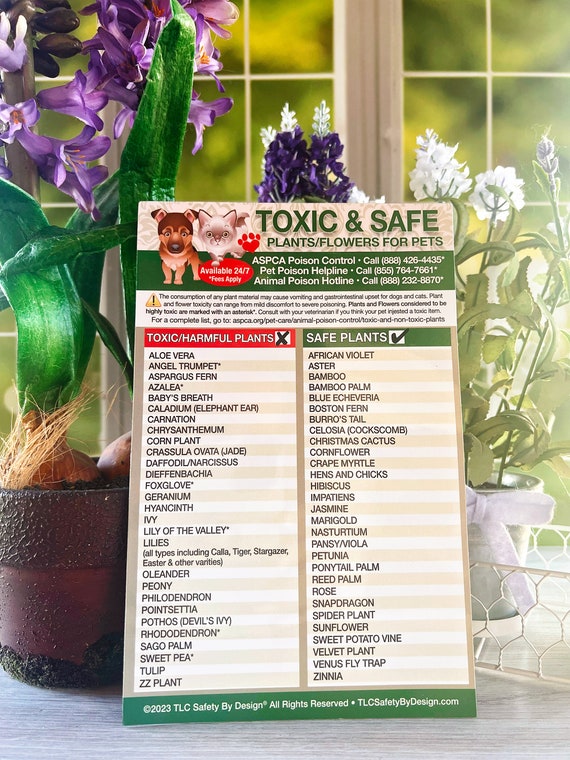
Start by selecting plants that are safe for your cat. Spider plants, bamboo palms, and Boston ferns are great choices. These are not only safe but also add lush greenery to your space. Be mindful, though, as your cat might be tempted to nibble on them occasionally.
Use Raised Planters
Consider using raised planters to keep certain plants out of your cat’s reach. Cats are curious and love exploring, but raised planters can act as a barrier. This also makes gardening easier on your back, providing dual benefits.
Create A Dedicated Cat Zone
Designate a special area of your garden for your cat to explore freely. You can add cat grass and catnip here, which are both safe and enjoyable for cats. This zone can serve as a playground, keeping your cat entertained while steering clear of the main garden.
Regularly Inspect Plants
Inspect your plants regularly for signs of damage or disease. Healthy plants are less likely to attract pests that could be harmful to your cat. Regular checks ensure that your garden remains a safe environment.
Use Natural Pest Control
Opt for natural pest control methods instead of harsh chemicals. Neem oil and diatomaceous earth are safe alternatives that won’t pose a risk to your cat. This approach not only protects your plants but also keeps your cat safe from harmful substances.
Engage With Your Cat
Spend time in the garden with your cat. Monitor their behavior and interests. What plants do they gravitate towards? Use this observation to adjust your garden accordingly, ensuring it remains a safe and engaging space.
Creating a cat-friendly garden is more than just selecting the right plants. It’s about understanding your cat’s behavior and ensuring their safety while fostering a harmonious environment. Have you ever caught your cat nibbling on a plant? What steps did you take to prevent it? Your experiences could guide others in their gardening journey.
Credit: www.etsy.com
Frequently Asked Questions
What Is The Most Toxic House Plant For Cats?
The most toxic houseplant for cats is the lily. Ingesting even small amounts can cause kidney failure. Keep lilies out of reach to protect your cat’s health. Always choose cat-safe plants for your home.
What Is The Easiest Indoor Plant To Keep Alive Safe For Cats?
The spider plant is an easy indoor plant to keep alive and safe for cats. It requires minimal care and bright, indirect light. Regular watering and occasional misting keep it healthy. It’s non-toxic, making it a pet-friendly choice.
What Plants Are 100 Safe For Cats?
Cat-safe plants include spider plants, bamboo palms, and Boston ferns. These are non-toxic and safe for cats. Consider growing cat grass, which is loved by felines. Herbs like basil, cilantro, and rosemary are also safe options. Always verify plant safety before introducing them to your home.
What Plants Are Poisonous To Cats In Aspca?
Common plants poisonous to cats include lilies, azaleas, sago palms, tulips, and oleander. The ASPCA advises avoiding these plants to ensure cat safety. Always check ASPCA’s toxic plant list for more information.
What Houseplants Are Toxic To Cats?
Some common toxic houseplants include lilies, pothos, and philodendron. They can cause vomiting or worse.
Conclusion
Caring for cats involves choosing safe plants. Toxic plants can harm pets. Keep the list of safe houseplants handy. It helps in making better choices. Always supervise your cat around new plants. Quick action is crucial in emergencies. Visit a vet if ingestion occurs.
Prevention is better than cure. Select pet-friendly plants for a safer home. This ensures your cat stays healthy and happy. Remember, a safe environment benefits both pets and owners. Stay informed and protect your furry friend.

Hi, I’m Taylor Morgan, the heart behind CATWhisk! As a lifelong cat enthusiast with a passion for feline care and behavior, I focus on providing reliable, practical, and engaging advice to cat parents everywhere. From health tips to fun DIY projects, my mission is to help you and your whiskered companions live your best lives together.