
Last Updated on February 18, 2026
Have you ever come across a stunning tortoiseshell cat and wondered about its breed? These cats are captivating with their striking blend of colors, and they often leave you curious to learn more.
You might be surprised to know that “tortoiseshell” doesn’t refer to a specific breed but rather to a unique and beautiful coat pattern. This may leave you wondering: what breeds can have this mesmerizing pattern? If you’re intrigued and want to unravel the mystery of tortoiseshell cats, you’re in the right place.
Dive into the world of these enchanting felines and discover what makes them so special. Let’s find out what breed a tortoiseshell cat could be and explore the fascinating genetics behind their distinctive appearance.
:strip_icc()/tortoiseshell-cat-profile-554703-hero-d3b7f76b15004a55bbd3e1530a3da342.jpg)
Credit: www.thesprucepets.com
Contents
Tortoiseshell Cat Characteristics
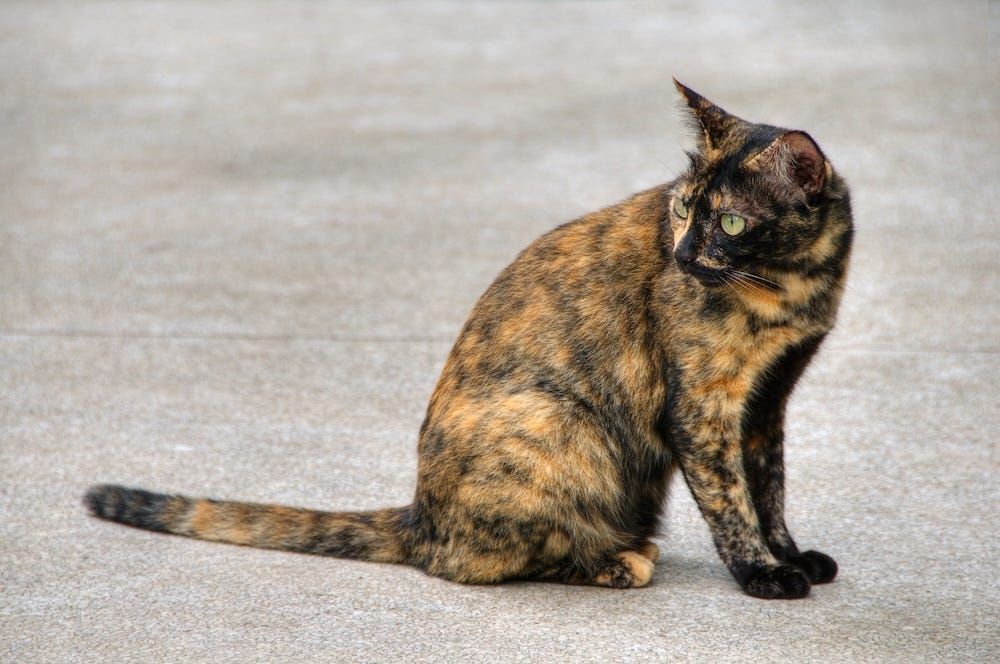
Tortoiseshell cats are renowned for their striking coats. Their unique patterns captivate cat lovers worldwide. These cats aren’t a specific breed. Instead, they represent a color pattern present in various breeds. Despite this, tortoiseshell cats exhibit certain characteristics that set them apart. Their vibrant personalities often match their vivid appearances.
Physical Appearance
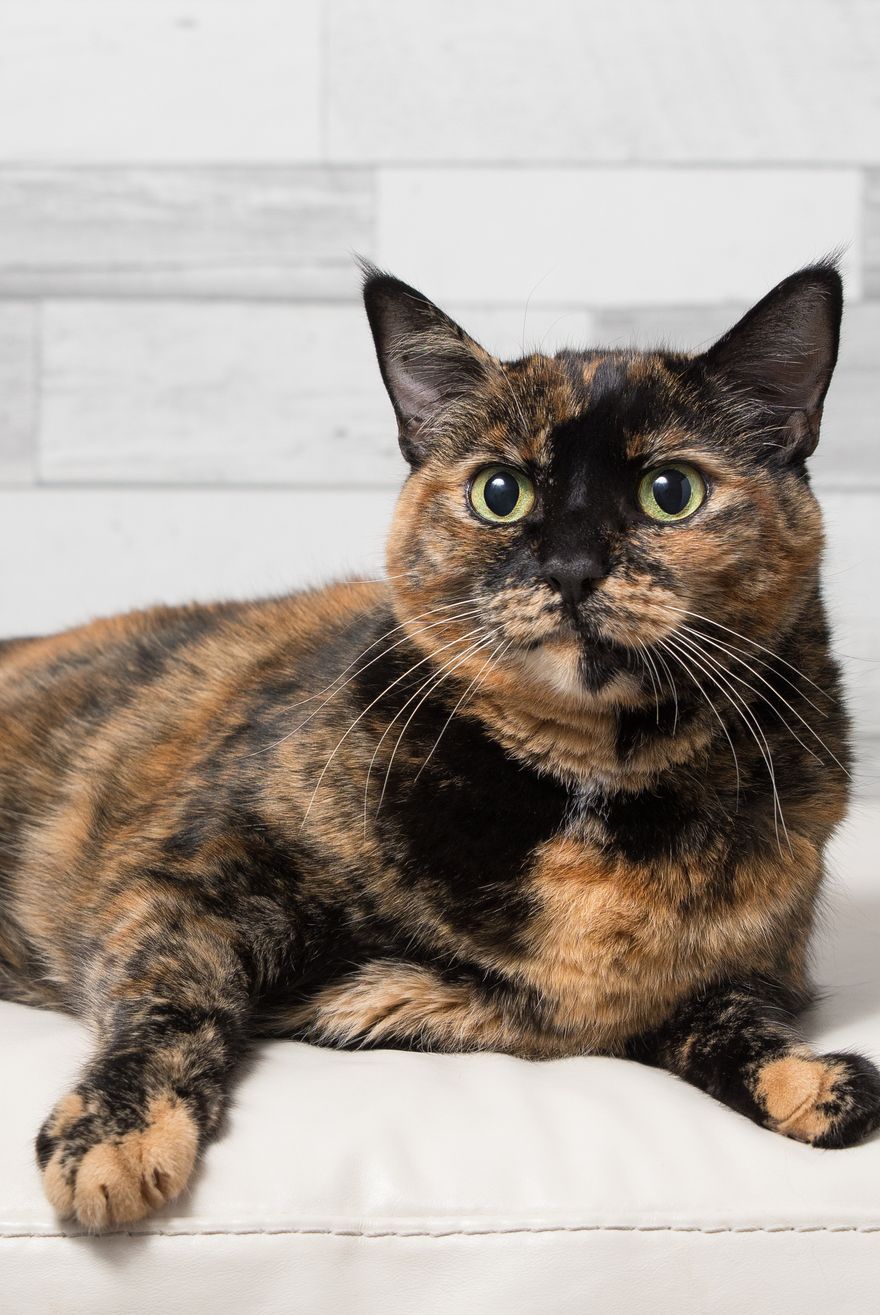
Tortoiseshell cats boast a mosaic of colors. Their coats mix reds, blacks, and oranges. Some have white patches, called “calico.” Each cat’s pattern is unique. No two tortoiseshell cats look alike. Their eyes often shine bright green or gold.
Personality Traits
Many tortoiseshell cats display lively personalities. They’re known for being energetic. Some call them “tortitude” for their strong will. They often enjoy playtime. These cats can be quite vocal. Their meows and purrs are expressive.
Social Behavior
Tortoiseshell cats can be affectionate. They often bond closely with owners. Some may be wary of strangers. They tend to be independent. Despite this, they enjoy companionship. These cats often seek attention. They love being the center of attention.
Health Considerations
Tortoiseshell cats are generally healthy. Their lifespan varies by breed. Regular vet visits keep them in good shape. A balanced diet is essential. Ensure they get exercise. Monitor their weight regularly. Their vibrant coats require grooming. Brush them often for a healthy shine.
Credit: www.goodhousekeeping.com
Genetic Makeup
Have you ever wondered what makes tortoiseshell cats so unique? The answer lies in their fascinating genetic makeup. Understanding the genetics behind these colorful felines can reveal why they sport such diverse and vibrant coats. If you’ve ever seen a tortoiseshell cat, you might have been captivated by their patchwork of colors and curious about what creates this natural masterpiece.
The Role Of X Chromosomes
Tortoiseshell cats owe their distinctive coats to the X chromosomes. Female cats have two X chromosomes, allowing for a mix of color genes. This is why most tortoiseshell cats are female. Male tortoiseshells are rare and typically have an XXY chromosome pattern, which is unusual.
Color Genes: Red And Black
Two main color genes are responsible for the tortoiseshell pattern: red and black. The combination of these genes creates the signature patches. Have you noticed how no two tortoiseshell cats look the same? Their unique patterns are a testament to their genetic diversity.
The Mystery Of Mosaic Patterns
Mosaic patterns in tortoiseshell cats are a genetic marvel. These patterns emerge when genes randomly express themselves. This randomness gives each cat its unique coat design. Have you ever thought about how genetics can create such beautiful chaos?
As you admire the colorful coat of a tortoiseshell cat, consider its genetic complexity. Isn’t it amazing how nature can blend science and beauty so effortlessly? What other genetic wonders can you discover in the animal kingdom?
Popular Breeds With Tortoiseshell Patterns
Tortoiseshell cats are known for their beautiful, mottled coats. These unique patterns occur in various breeds, adding a touch of charm and individuality. Though often mistaken as a breed itself, tortoiseshell refers to the coat color and pattern. Many cat breeds can exhibit this striking appearance, each bringing their own distinct traits and personalities.
American Shorthair
The American Shorthair is a popular breed with tortoiseshell patterns. Known for its adaptable nature, this breed is friendly and easy-going. Their coats are dense and come in various colors, including the tortoiseshell pattern. They enjoy both playtime and relaxation, making them great companions.
British Shorthair
British Shorthairs are admired for their plush, dense fur. This breed often displays the tortoiseshell pattern. They are calm and gentle, perfect for families. Their round faces and large eyes add to their appeal. British Shorthairs are low-maintenance, enjoying quiet environments.
Maine Coon
Maine Coons are large cats with a majestic presence. Known for their long, fluffy coats, they often sport tortoiseshell patterns. They are sociable and affectionate, loved for their friendly demeanor. Maine Coons are intelligent and playful, thriving in active households.
Persian
Persians are famous for their long, luxurious coats. Tortoiseshell Persians are particularly striking. This breed is gentle and enjoys a serene lifestyle. Their sweet nature makes them ideal lap cats. Regular grooming keeps their beautiful coats in top condition.
Oriental Shorthair
Oriental Shorthairs are sleek and elegant. Their coats can showcase the tortoiseshell pattern. They are curious and intelligent, with a playful spirit. This breed loves interaction and thrives on attention. Their slender bodies and large ears make them stand out.
Credit: www.litter-robot.com
Frequently Asked Questions
What Breed Makes A Tortoiseshell Cat?
Tortoiseshell cats are not a specific breed. Their unique coat pattern appears in various breeds. Common breeds include American Shorthair, British Shorthair, Persian, and Maine Coon. The tortoiseshell pattern results from specific genetic combinations affecting fur color. These cats are usually female due to chromosomal factors.
How Do I Tell What Breed My Tortoiseshell Cat Is?
Examine physical traits like fur pattern, size, and eye color to identify your cat’s breed. Consider DNA testing for precise results. Consult a vet or cat expert for insights. Online breed databases can also help. Keep an eye out for distinctive features that match specific breeds.
Why Are Tortie Cats So Special?
Tortie cats are special due to their unique multicolored fur patterns. Each tortie has a one-of-a-kind appearance. They often have lively, playful personalities. Torties are believed to bring good luck and positive energy. Their rarity and distinct charm make them beloved by cat enthusiasts.
What Are Tortoiseshell Cats Mixed With?
Tortoiseshell cats are not a specific breed. They have a unique coat pattern with black, orange, and sometimes white. This pattern results from specific genetic combinations, often occurring in mixed-breed cats. They are known for their vibrant and distinctive appearance.
What Is A Tortoiseshell Cat?
A tortoiseshell cat is not a breed. It’s a color pattern. Typically, these cats have a mix of black, orange, and brown fur.
Conclusion
Tortoiseshell cats amaze with their vibrant, unique coats. They’re not a breed but a color pattern. Found in many breeds, they captivate with their mosaic fur. Each cat’s pattern is one-of-a-kind. This makes them special. Their fiery colors often match their spirited personalities.
These cats are known for their lively and independent nature. Adopting a tortoiseshell cat brings joy and color into your life. Consider visiting a local shelter to meet one. You’ll find a companion full of character and charm. Tortoiseshell cats truly stand out in the feline world.
They might just be your perfect furry friend.
Hi, I’m Taylor Morgan, the heart behind CATWhisk! As a lifelong cat enthusiast with a passion for feline care and behavior, I focus on providing reliable, practical, and engaging advice to cat parents everywhere. From health tips to fun DIY projects, my mission is to help you and your whiskered companions live your best lives together.