
Finding a stray cat can tug at your heartstrings, and you might feel an urgent need to help. You want to offer a helping hand, but what should you feed a stray cat to ensure it’s safe and healthy?
This question might seem simple, but it holds the key to making a significant difference in a stray cat’s life. With the right knowledge, you can provide nourishment that helps the cat regain its strength and health. Stick with us as we explore the best food options for stray cats, ensuring you’re prepared to make a positive impact.
Don’t just satisfy your curiosity—equip yourself with the information to truly help a stray cat in need.
Safe Foods For Stray Cats
Feeding stray cats can be a compassionate act. However, ensuring their safety is crucial. Choosing the right food can make a significant difference. This section will guide you through safe foods for stray cats. Learn how to provide nutritious meals without harm.
Cooked Chicken
Cooked chicken is an excellent choice for stray cats. It’s high in protein and easy to digest. Avoid seasoning or adding sauces. Plain, boiled chicken pieces work best. Ensure the meat is boneless to prevent choking hazards.
Canned Tuna
Canned tuna can be a treat for stray cats. Opt for tuna packed in water, not oil. Oil can upset a cat’s stomach. Tuna provides essential nutrients. Limit frequency to avoid mercury exposure.
Dry Cat Food
Dry cat food is convenient and nutritious. Choose brands with natural ingredients. Check for high protein content. Ensure the kibble size suits cats of all sizes. Store properly to maintain freshness.
Cooked Eggs
Cooked eggs are a safe and nutritious option. Eggs provide protein and vitamins. Serve scrambled or boiled eggs. Avoid adding salt or spices. Cool before serving to prevent burns.
Plain Rice
Plain rice is gentle on a cat’s stomach. It can help with digestion issues. Combine rice with other foods for balanced nutrition. Ensure the rice is fully cooked and soft. Avoid adding butter or oil.
Fresh Water
Always provide fresh water for stray cats. Hydration is vital for their health. Change the water daily to keep it clean. Use shallow bowls for easy access. Monitor water levels regularly.
:max_bytes(150000):strip_icc()/__opt__aboutcom__coeus__resources__content_migration__mnn__images__2019__07__feeding_stray_cat-c8780cdf93e44ce8b39c2a0ae75438e7.jpg)
Credit: www.greensafaris.com
Foods To Avoid
Feeding a stray cat can be a rewarding experience. Yet, knowing what foods to avoid is crucial. Some foods can harm or even poison them. Let’s explore what you should steer clear of.
1. Chocolate
Chocolate is toxic for cats. It contains theobromine, which cats can’t process. Even small amounts can cause serious health issues.
2. Onions and Garlic
Onions and garlic can damage a cat’s red blood cells. They may lead to anemia. Avoid these ingredients in any form.
3. Grapes and Raisins
Grapes and raisins can cause kidney failure in cats. Never offer these as treats. They can be deadly.
4. Raw Eggs
Raw eggs may harbor bacteria. These can lead to infections. Cooked eggs are safer but should be given in moderation.
5. Caffeine
Caffeine is harmful to cats. It can lead to heart palpitations and restlessness. Keep tea and coffee away from them.
6. Alcohol
Alcohol is extremely dangerous for cats. It affects their liver and brain. Even a small sip can be fatal.
7. Dairy Products
Many cats are lactose intolerant. Dairy can cause stomach upset and diarrhea. Water is a safer choice.
8. Dog Food
Dog food lacks essential nutrients for cats. It won’t meet their dietary needs. Always choose cat-specific food.
Choosing the right food for stray cats ensures their health and safety. Avoid these harmful foods to protect them.
Feeding Tips For Stray Cats
Stray cats benefit from nutritious meals like canned tuna or chicken. Dry cat food is also a good option. Avoid feeding them milk, as it can upset their stomachs.
Feeding stray cats can be a rewarding experience. It not only helps the cats but also gives you a sense of fulfillment. Yet, you might wonder what’s best to offer these wandering felines. Understanding the right feeding tips can make a big difference in their lives and ensure they get the nutrition they need.
Choose The Right Food
Cats are obligate carnivores, meaning they thrive on meat-based diets. Offer canned cat food or dry kibble. If you don’t have these, cooked chicken or turkey can be a good alternative. Avoid spicy or seasoned food, as it might upset their stomach.
Establish A Feeding Routine
Consistency is key. Feed stray cats at the same time each day to build trust and reduce anxiety. This routine helps them know when to expect food, making them feel more secure.
Provide Clean Water
Water is essential for hydration. Always accompany food with a bowl of clean, fresh water. This is especially important if you’re feeding dry kibble, as it can be dehydrating.
Keep The Feeding Area Clean
A clean feeding area reduces the risk of disease and pests. After each feeding, clean the bowls and the surrounding area. This small effort goes a long way in keeping the cats healthy.
Monitor Their Health
Take note of their health and behavior. Are they eating well? Do they seem lethargic or lively? Regular observation can alert you to any health issues, prompting timely intervention.
Avoid Overfeeding
It’s easy to overfeed when you see a hungry cat. However, this can lead to obesity and health problems. Offer portions that are reasonable for their size and activity level.
Consider Nutritious Supplements
Sometimes, stray cats need more than just regular food. Adding vitamin supplements can boost their immunity and overall health. Consult with a vet for suitable options.
Think About Long-term Care
Feeding is just the start. If you can, consider trapping and neutering them to prevent overpopulation. This humane approach ensures better health and quality of life for stray cats.
Engage With Local Animal Services
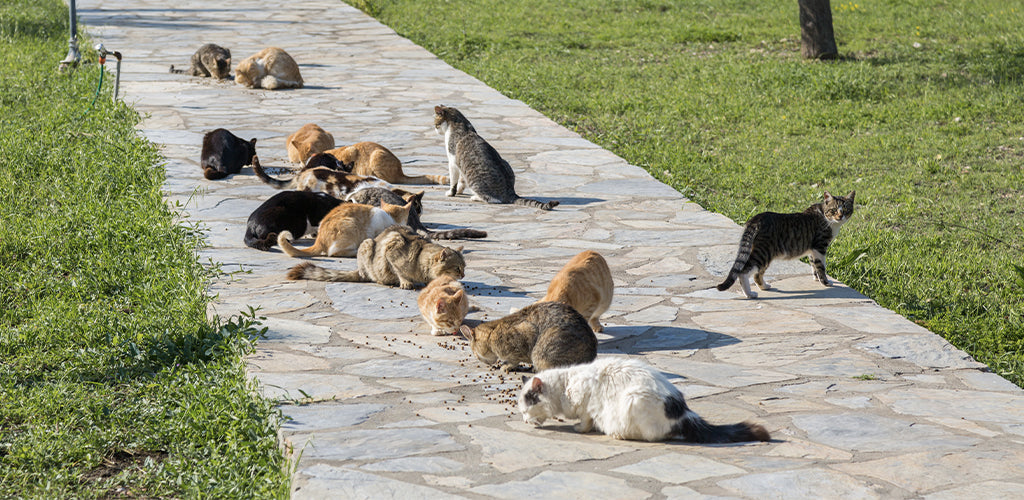
Collaborate with local shelters or animal groups. They might offer resources or advice on the best practices for feeding and caring for stray cats. Plus, they often have programs for neutering and medical care. Wouldn’t it be wonderful if each stray cat had a safe place and enough food to eat? Your thoughtful actions can make this dream a reality.

Credit: www.facebook.com
Credit: supertails.com
Frequently Asked Questions
Will A Stray Cat Come Back If You Feed It?
Feeding a stray cat increases the chance of it returning. Cats remember food sources and feel safe where they’re fed. Provide consistent meals and a calm environment to encourage repeat visits. Building trust takes time, but patience can foster a lasting bond.
Keep interactions gentle to ensure its comfort.
What Do Stray Cats Like To Eat The Most?
Stray cats often prefer eating meat-based foods like chicken, fish, or beef. They also enjoy cat food, both wet and dry. Providing them with fresh water is crucial too. Always approach feeding stray cats with care and ensure the food is safe and suitable for them.
Can I Give Milk To A Street Cat?
It’s best to avoid giving milk to street cats. Many cats are lactose intolerant, which can cause digestive issues. Offer fresh water and cat food instead to ensure they receive proper nutrition.
What Do You Feed A Starving Stray Cat?
Offer canned cat food or cooked chicken to a starving stray cat. Avoid feeding dairy and seasoned foods. Provide fresh water alongside food. Gradually introduce dry cat food to support nutrition. Ensure a safe feeding environment to avoid stress for the cat.
What Foods Are Safe For Stray Cats?
Cooked chicken, turkey, or fish are safe options. Avoid spicy, seasoned, or raw meats. They can upset their stomach.
Conclusion
Feeding a stray cat shows compassion. Offer simple, nutritious foods. Cooked chicken, fish, or plain rice work well. Avoid spicy or seasoned foods. Fresh water is crucial. Always keep a bowl nearby. Regular feeding helps build trust. Cats may become more friendly.
Local shelters can offer extra advice. Remember, every cat is different. Observe their preferences closely. Your kindness makes a big difference. Stray cats deserve care and love. They might become a loyal friend. Thank you for helping them. Your efforts truly matter.

Hi, I’m Taylor Morgan, the heart behind CATWhisk! As a lifelong cat enthusiast with a passion for feline care and behavior, I focus on providing reliable, practical, and engaging advice to cat parents everywhere. From health tips to fun DIY projects, my mission is to help you and your whiskered companions live your best lives together.