
Last Updated on February 18, 2026
Have you ever noticed your cat scratching more than usual or looking a bit under the weather? The culprit might be lurking in their tiny, furry body—worms.
These pesky parasites can wreak havoc on your feline friend’s health if not identified and treated promptly. But what exactly do cat worms look like? This is a question every cat owner should know the answer to. Understanding how to spot these intruders can make all the difference in keeping your cat healthy and happy.
By the end of this article, you’ll be equipped with the knowledge to protect your beloved pet from these unwelcome guests. Curious to learn more? Keep reading, because what you discover might just surprise you.
Contents
Types Of Cat Worms
Understanding the types of cat worms is crucial for every cat owner. These pesky parasites can affect your feline friend’s health and wellbeing. By knowing the different types, you can take steps to ensure your cat remains worm-free and healthy.
Roundworms
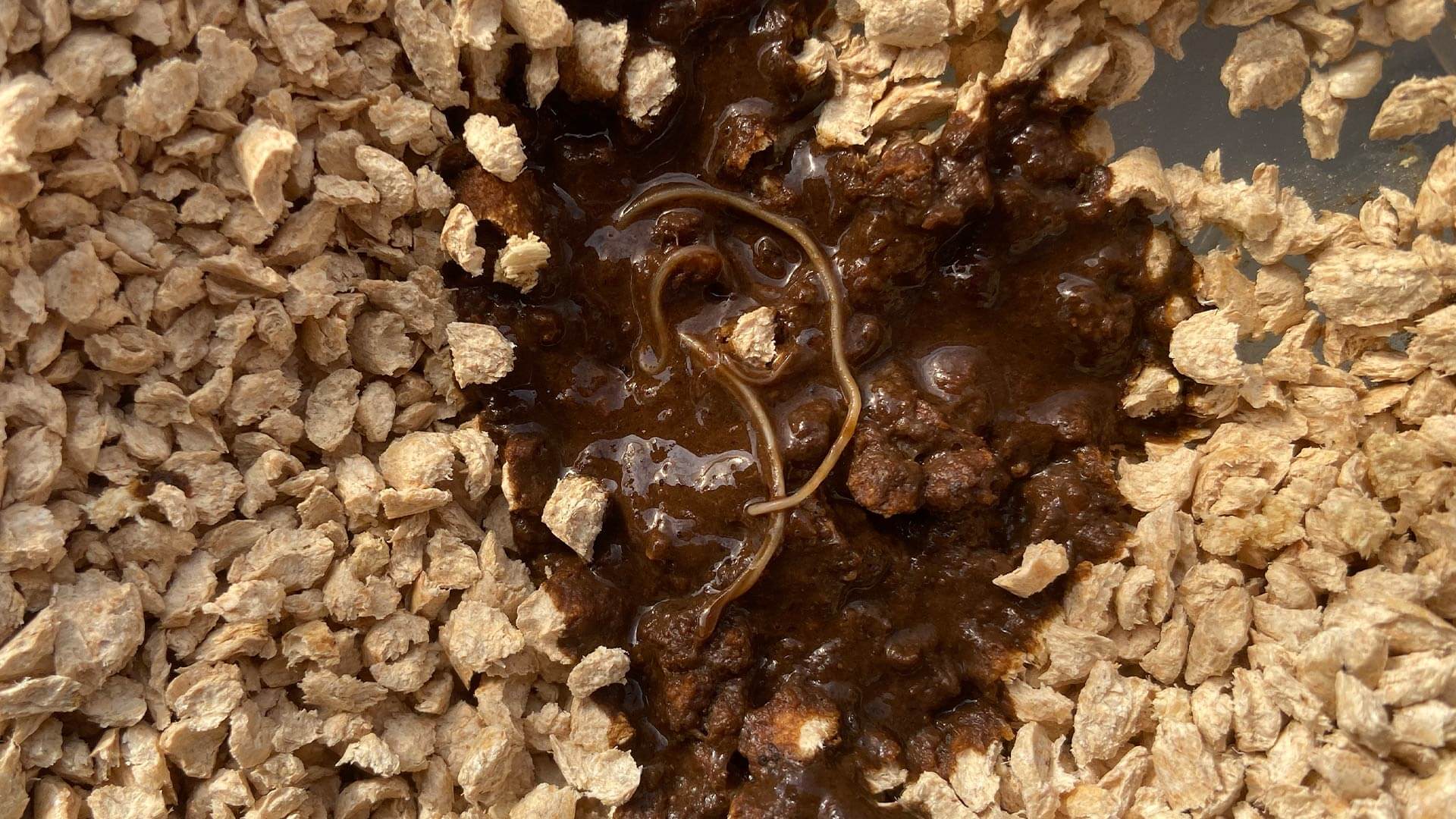
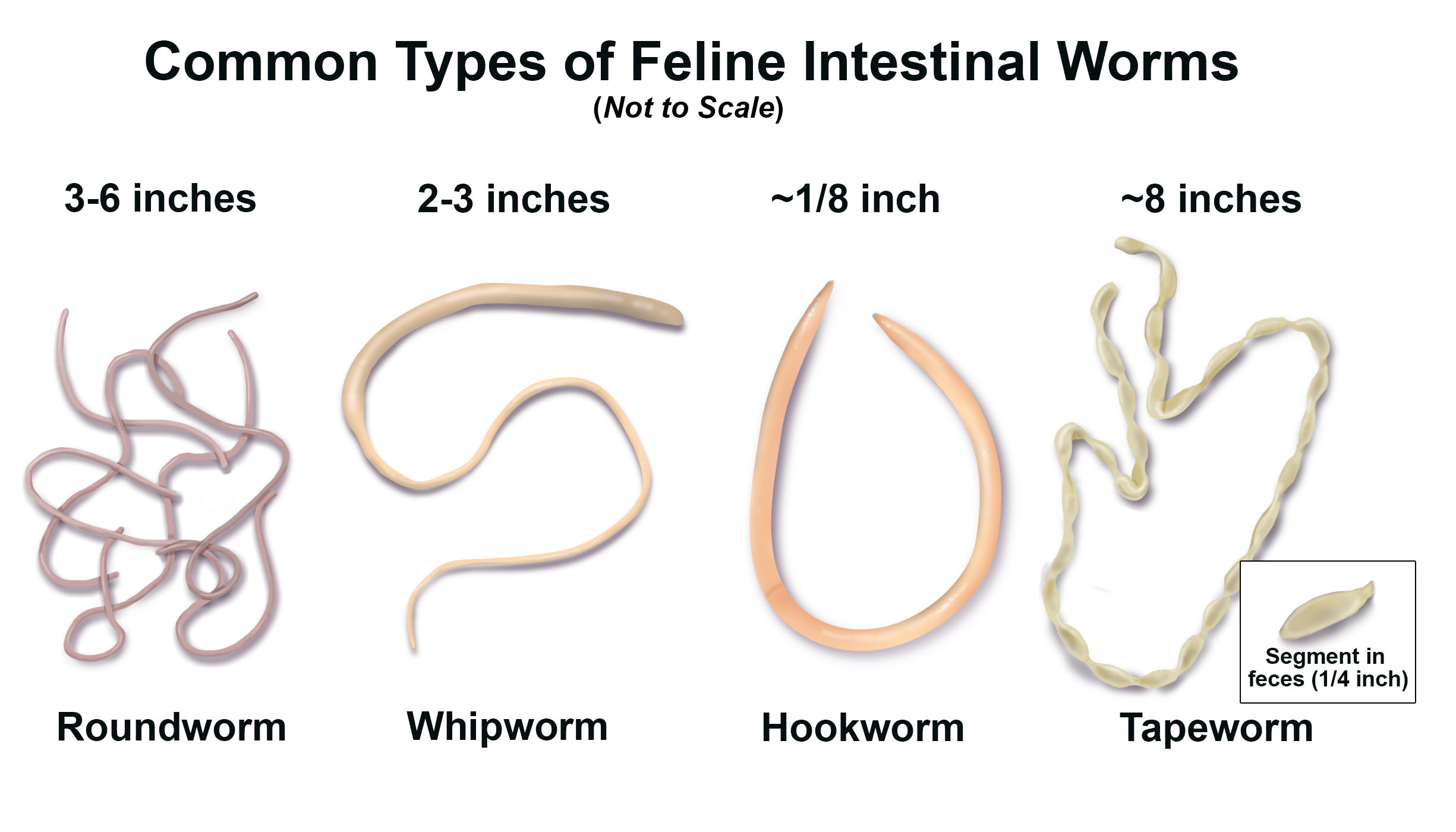
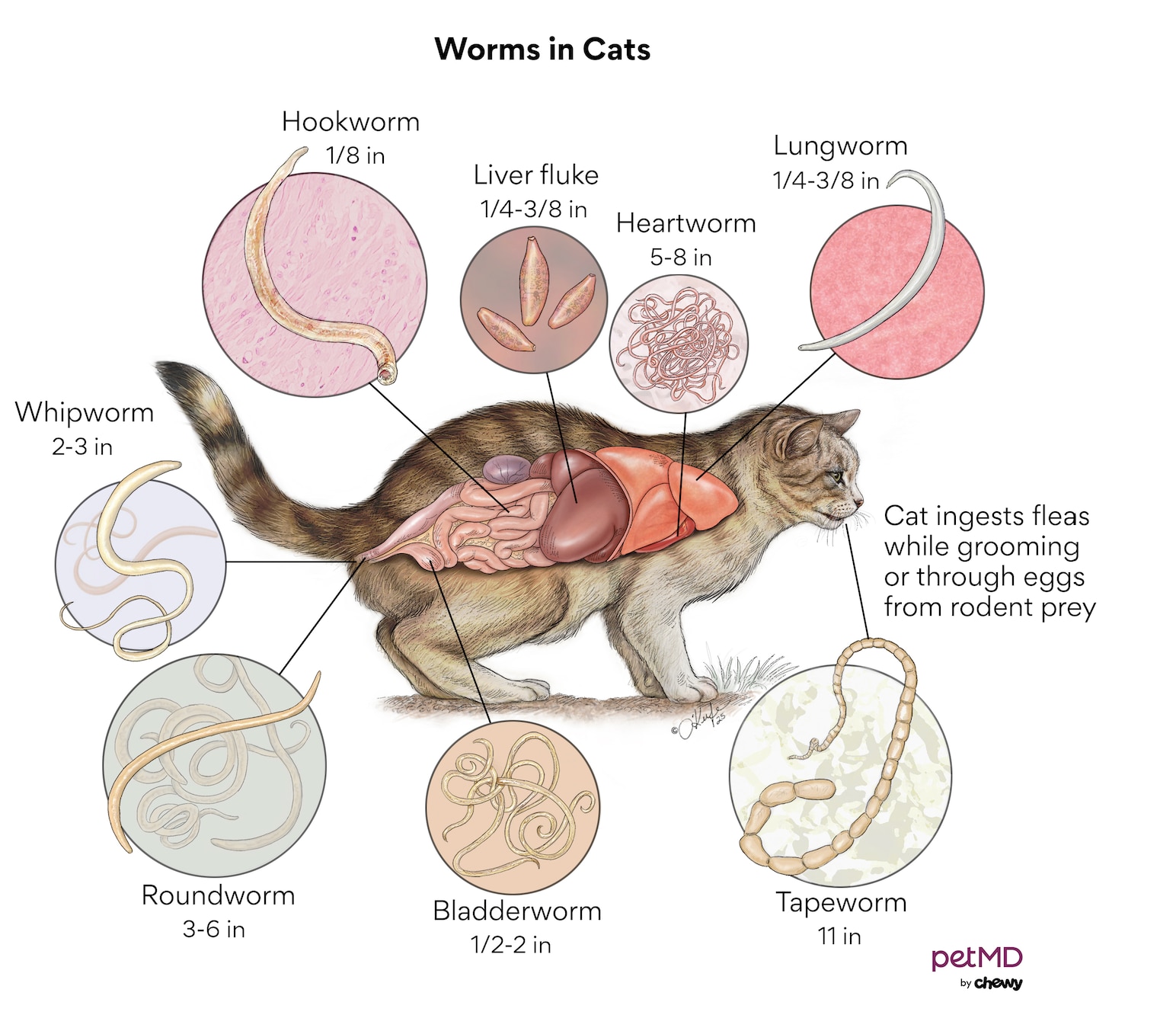
Roundworms are common and often look like spaghetti noodles. They can grow up to several inches long. If you’ve ever noticed your cat vomiting or experiencing diarrhea, roundworms might be the culprit. These worms live in the intestines and can cause malnutrition. Have you ever wondered why your cat’s belly seems bloated? Roundworms could be the reason.
Tapeworms
Tapeworms are another type of worm that can infest cats. They often look like grains of rice and are found around the cat’s anus or in feces. These worms can lead to weight loss and irritation. You might have seen your cat dragging its rear across the floor. It’s their way of dealing with the discomfort caused by tapeworms. Have you noticed your cat constantly grooming its rear? It could be a sign of tapeworms.
Hookworms
Hookworms are smaller than roundworms and tapeworms but equally troublesome. They attach to the intestinal wall and suck blood, causing anemia. If your cat seems unusually tired or has pale gums, hookworms might be to blame. They can be hard to spot, but their impact on your cat’s health is significant. Have you ever had to deal with anemic symptoms in your cat? Hookworms could be the hidden cause.
Being aware of these types of worms equips you to better care for your cat. Regular vet visits and preventative treatments can help keep these parasites at bay. How do you ensure your cat remains worm-free? Share your tips in the comments below!
Credit: www.drontal.co.uk
Signs And Symptoms
Cat worms can appear as small, white spaghetti-like strands in the feces or around the anus. Other signs include weight loss, bloated belly, and visible worms in vomit. Regular check-ups can help detect and treat these parasites early.
Signs and symptoms of cat worms can be subtle. Observing your cat closely helps identify potential issues early. Understanding these indicators aids in ensuring your pet’s health.
Physical Indicators
Cats with worms often show visible signs. You might see worms in their feces or around their anus. These can look like small, rice-like particles or spaghetti-like strands. A bloated belly is another common sign. If your cat’s abdomen appears unusually round or swollen, it might indicate worms. Weight loss despite a regular diet is also a physical indicator. Cats losing weight quickly should be checked for worms.
Behavioral Changes
Cats infected with worms may act differently. They might seem more lethargic, sleeping longer than usual. Increased scratching or licking of the anal area is another sign. Cats may also rub their bottom on the ground. This behavior shows discomfort caused by worms. Some cats may become less active and playful. Changes in behavior should not be ignored.
Health Impacts
Worm infestations can affect a cat’s overall health. Anemia is a common impact, making them weak and pale. A dull coat often indicates poor health from worms. Cats may experience diarrhea or vomiting. These symptoms can lead to dehydration. If untreated, worms can lead to serious health issues. Regular vet check-ups ensure your cat remains healthy and worm-free.
Diagnosis And Treatment
Understanding cat worms is crucial for pet owners. These parasites can affect feline health. Identifying and treating them is essential. The process involves proper diagnosis and effective treatment methods. Regular check-ups help detect worms early. This ensures the cat’s well-being and prevents complications. Let’s explore the steps involved.
Veterinary Examination
A vet examines your cat thoroughly. They check for signs of worms. Stool samples are often analyzed. This helps identify the type of worm. Vets may also perform blood tests. These tests confirm the presence of parasites. Accurate diagnosis is vital for effective treatment.
Medication Options
Various medications treat cat worms. Dewormers are commonly prescribed. They eliminate parasites efficiently. Treatment depends on the worm type. Some medications require multiple doses. Vets guide the proper dosage and schedule. Always follow the vet’s instructions carefully.
Preventative Measures
Prevention is key in managing cat worms. Regular vet check-ups help monitor health. Maintain a clean living environment. Keep litter boxes clean and sanitized. Parasite control products are useful. These include topical treatments and oral medications. Regular grooming also minimizes infection risks.
Credit: www.vet.cornell.edu
Credit: www.petmd.com
Frequently Asked Questions
How Can I Tell If My Cat Has A Worm?
Watch for signs like vomiting, diarrhea, bloated belly, weight loss, or visible worms in feces. Increased appetite or dull coat may also indicate worms. Always consult a vet for proper diagnosis and treatment. Regular deworming can prevent infestations.
What Is The Fastest Way To Get Rid Of Worms In Cats?
Administer a vet-recommended deworming medication for fast results. Ensure proper dosage based on your cat’s weight. Follow up with regular vet check-ups to prevent re-infestation. Maintain cleanliness in your cat’s environment to support treatment effectiveness. Always consult your veterinarian for the best treatment plan.
Can I Touch My Cat If It Has Worms?
Yes, you can touch your cat if it has worms. Wash your hands thoroughly afterward. Consider treating your cat promptly and maintaining good hygiene to prevent transmission. Regular veterinary check-ups are essential to manage and prevent worm infestations effectively.
Are Cat Worms Contagious To Humans?
Cat worms can be contagious to humans. Roundworms and hookworms are common types that can transfer. Practicing good hygiene, like washing hands and cleaning litter boxes, reduces the risk. It’s essential to consult a vet for proper prevention and treatment.
Conclusion
Understanding cat worms is crucial for your pet’s health. These parasites can harm your cat. Early detection helps prevent serious issues. Regular vet visits are important. Treatments are available and effective. Always check your cat for signs of worms. Watch for weight loss, vomiting, or diarrhea.
Keep your cat’s living area clean. A clean environment helps prevent infections. Good hygiene is key to your cat’s well-being. You ensure a happy, healthy cat by being vigilant. Your cat’s health is in your hands. Take action today for a safer tomorrow.
Stay informed, stay proactive. Your cat will thank you.

Hi, I’m Taylor Morgan, the heart behind CATWhisk! As a lifelong cat enthusiast with a passion for feline care and behavior, I focus on providing reliable, practical, and engaging advice to cat parents everywhere. From health tips to fun DIY projects, my mission is to help you and your whiskered companions live your best lives together.