

Last Updated on June 17, 2026
Have you ever caught your cat scratching more than usual and wondered if it might be fleas? You’re not alone.
Fleas are tiny, pesky parasites that can cause big problems for your furry friend. But what do fleas actually look like on a cat? Understanding their appearance is the first step in tackling these unwelcome guests. Imagine the peace of mind you’ll feel once you can identify fleas quickly and take action to protect your beloved pet.
Stick around, and you’ll discover how to recognize these critters, ensuring your cat stays happy and itch-free.

Credit: www.protect-mypet.com
Identifying Fleas On Cats
Identifying fleas on cats can be tricky for many pet owners. Fleas are small and often hide deep in the fur. But knowing what to look for can help. This section will guide you through the process.
What Do Fleas Look Like?
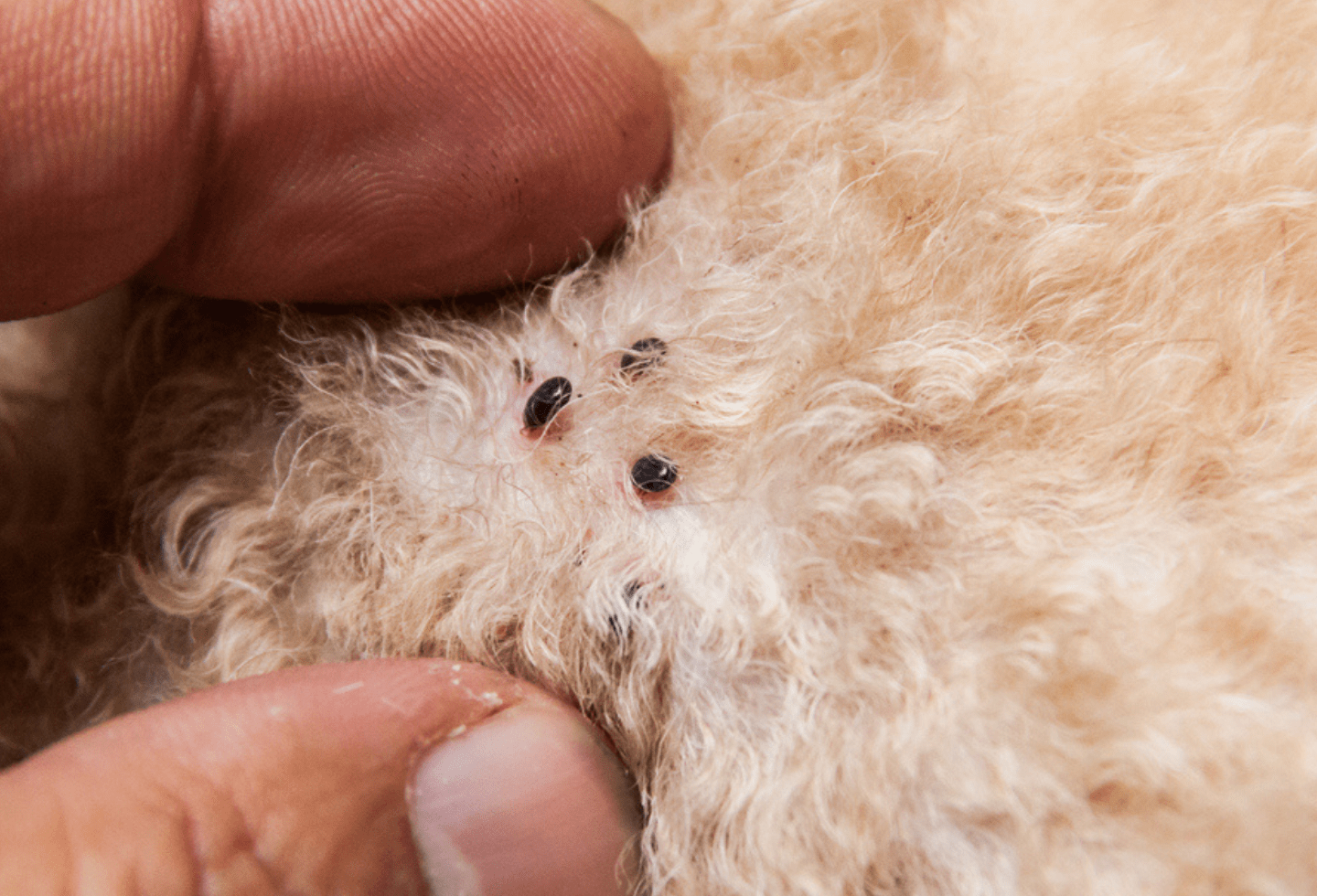
Fleas are tiny, dark brown insects. They are about the size of a pinhead. Their bodies are flat and hard. This makes them tough to crush. They can jump great distances. This helps them move from one host to another.
Signs Of Fleas On Your Cat
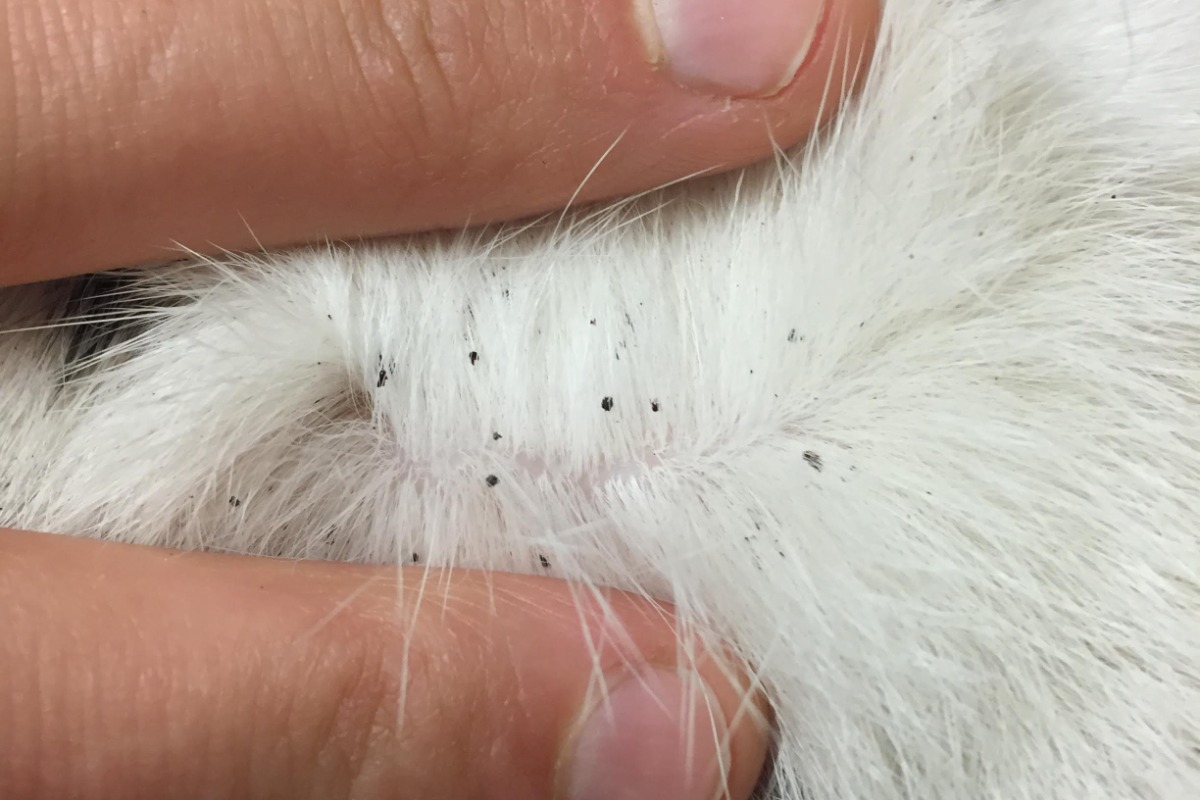
Look for small black specks in your cat’s fur. These are flea droppings, also known as flea dirt. You might also see tiny white grains. These are flea eggs. Your cat might scratch more than usual. This is a sign of irritation caused by fleas.
Checking Your Cat For Fleas
Part your cat’s fur to check the skin. Look for flea dirt or actual fleas. Use a flea comb for better results. Run the comb through your cat’s fur. Check for fleas or flea dirt stuck in the comb’s teeth.
Common Areas To Find Fleas
Fleas often gather around the neck and tail. These areas are warm and easy for fleas to hide. Check these spots carefully during your inspection.
Behavioral Changes In Your Cat
Your cat might seem restless. They may groom or scratch more often. These actions indicate flea irritation. Pay attention to these behavioral changes.
Credit: www.itchpet.com
Signs Of Flea Infestation
Tiny, jumping insects, fleas, are often visible on a cat’s fur as small, dark specks. Scratching and red bumps can indicate a flea problem. Close inspection might reveal these pests moving quickly through the coat.
When your cat starts scratching more than usual, it’s natural to worry about fleas. These tiny pests can cause big discomfort for your feline friend. Recognizing the signs of a flea infestation is crucial to keep your cat healthy and happy. But what should you be looking for?
Visible Fleas
You might spot fleas crawling through your cat’s fur. They’re small, brown, and quick-moving. Fleas thrive in warm areas, like your cat’s belly or behind their ears. Have you noticed any unusual movement in these spots?
Excessive Scratching
If your cat is constantly scratching or grooming, fleas might be the culprit. They bite and leave itchy marks. This often leads to irritated skin and fur loss. Does your cat seem more restless than usual?
Flea Dirt
Check for flea dirt, which looks like tiny black specks. It’s actually flea feces. Take a damp paper towel and rub it on your cat’s fur. If it turns reddish-brown, it’s flea dirt. Could your cat’s coat be hiding these telltale signs?
Red Bumps And Skin Irritation
Flea bites can lead to red bumps and skin irritation. These are often found near the base of the tail or on the neck. Inspect these areas closely. Have you noticed any unusual skin changes?
Behavioral Changes
Fleas can make your cat agitated or anxious. You might see them acting differently or avoiding certain areas. Could fleas be affecting your cat’s behavior?
Hair Loss
In severe cases, fleas can cause hair loss due to excessive scratching. Check for thinning fur, especially around the back and tail. Is your cat’s coat as thick as it used to be? Recognizing these signs early can prevent a full-blown infestation. Regular grooming and inspection can save your cat from discomfort. It’s worth taking a closer look to ensure your cat’s environment remains flea-free. Have you checked your cat for fleas lately?
Examining Flea Appearance
Understanding what fleas look like on a cat is crucial. These tiny pests can cause discomfort and health issues for your furry friend. Identifying them early helps you take action quickly. Fleas are small insects that feed on blood. Here, we will explore their appearance in detail.
Size And Shape
Fleas are very small, often just a few millimeters long. They have a flat, narrow body, making it easy to move through fur. Their size is similar to a grain of rice. Spotting them can be challenging due to their tiny size.
Color And Texture
Fleas are usually reddish-brown or dark brown. Their bodies are hard and shiny, allowing them to survive in tough conditions. This color helps them blend in with the fur, making detection harder.
Movement And Behavior
Fleas are agile jumpers, capable of leaping long distances. They move quickly, making them difficult to catch or see. Their jumping ability helps them travel from one host to another.
Signs On Your Cat
Look for flea dirt, which resembles tiny black specks. These specks are flea droppings and are often found on a cat’s skin. Scratching or biting can indicate flea presence. Check areas like the neck and tail base for these signs.
Using A Flea Comb
A flea comb helps in identifying fleas. Run the comb through your cat’s fur, especially around the ears and neck. The comb catches fleas, making them visible to the naked eye. Regular combing helps in managing flea infestation.
Credit: www.whiskerdocs.com
Frequently Asked Questions
How Can You Tell If A Cat Has Fleas?
Cats with fleas often scratch excessively and have visible flea dirt on their fur. Check for tiny, moving insects on the skin. Flea bites may cause redness and irritation, especially around the neck and tail. Regular grooming and inspection can help identify fleas early.
What Can Be Mistaken For Fleas On Cats?
Dust, dandruff, and skin allergies can be mistaken for fleas on cats. Lice or other parasites might also resemble fleas. Always consult a vet for accurate diagnosis.
What Kills Fleas On Cats Immediately?
Capstar (Nitenpyram) tablets kill fleas on cats within 30 minutes. It provides fast relief by killing adult fleas. Always consult a vet before using any flea treatment for your cat.
Can Humans Catch Fleas From Cats?
Yes, humans can catch fleas from cats. Fleas jump from pets to humans, causing itchy bites. Regular flea control on cats reduces the risk. Use flea treatments and keep your home clean to prevent infestations. Always consult a vet for safe flea prevention methods.
Conclusion
Spotting fleas on your cat is important for their health. Fleas are tiny, dark, and fast-moving pests. They often hide in the cat’s fur. Regular checks can help find them early. Look for itching, biting, or red bumps. These signs might mean fleas are present.
A flea comb can help detect them. Consult a vet if you see fleas. Treating fleas quickly can prevent more issues. Keep your cat comfortable and healthy by staying alert. Remember, early detection is key to managing fleas effectively.

Hi, I’m Taylor Morgan, the heart behind CATWhisk! As a lifelong cat enthusiast with a passion for feline care and behavior, I focus on providing reliable, practical, and engaging advice to cat parents everywhere. From health tips to fun DIY projects, my mission is to help you and your whiskered companions live your best lives together.