Dealing with a cat that has diarrhea can be a worrisome situation for any pet owner. You might find yourself asking, “What did I do wrong?”
Or “How can I help my furry friend feel better? ” Rest assured, you’re not alone in this. Knowing what to feed a cat with diarrhea is crucial in getting your beloved pet back to its playful and happy self.
In this guide, you’ll discover simple, effective dietary tips that can make a world of difference. Imagine the relief and comfort you’ll both feel once your cat’s tummy troubles are a thing of the past. So, let’s dive into the essentials to ensure your cat gets the care it needs to bounce back quickly.

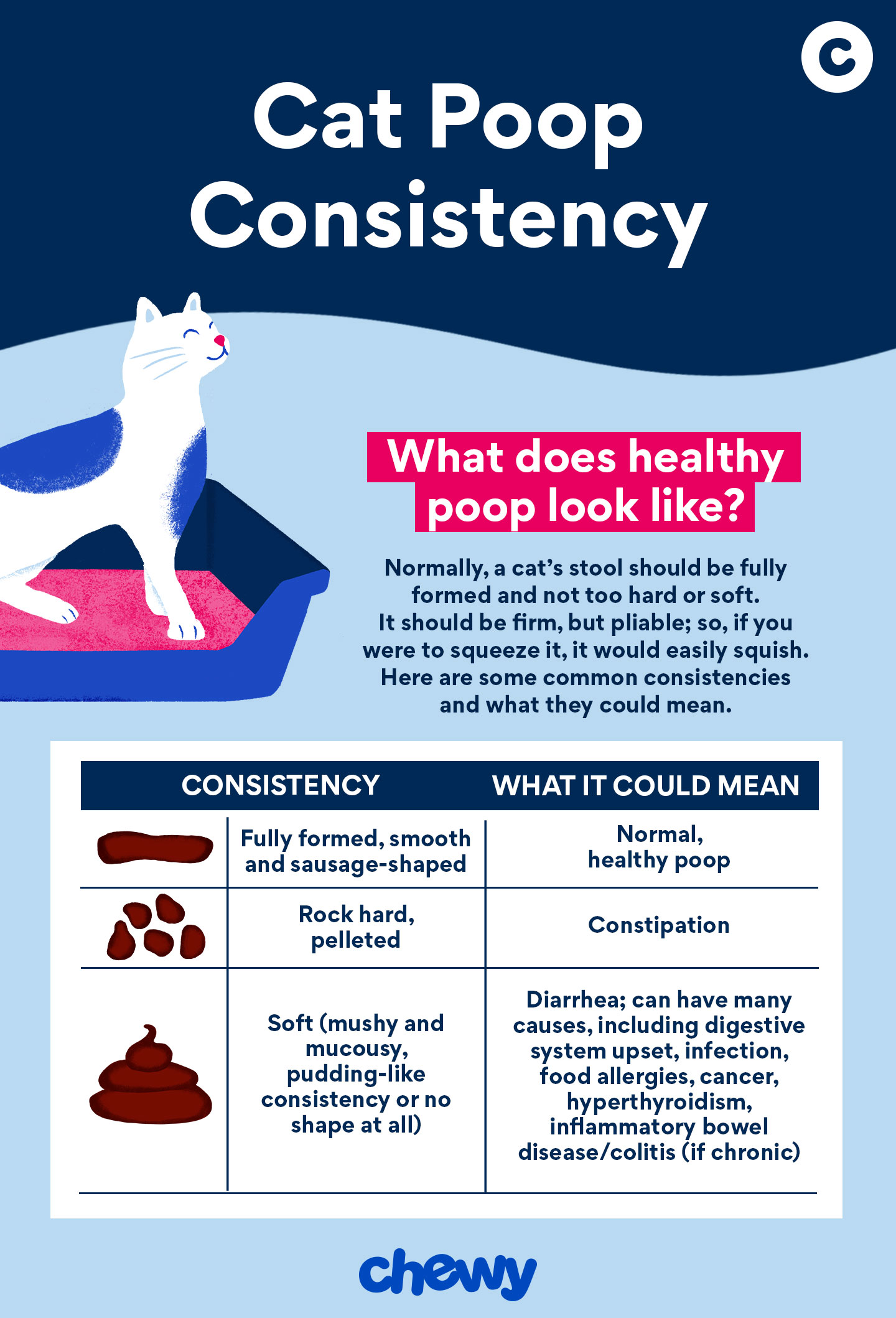
Credit: www.chewy.com
Causes Of Diarrhea In Cats
Diarrhea in cats can be concerning for pet owners. Understanding the causes can help in managing this condition. Various factors can trigger diarrhea in cats. Identifying these causes is crucial for treatment and prevention. Let’s explore some common reasons for feline diarrhea.
1. Dietary Changes
Sudden changes in diet can upset a cat’s stomach. Switching food too quickly may lead to digestive issues. It’s best to introduce new foods gradually.
2. Food Intolerances
Cats can develop intolerances to certain ingredients. Dairy products often cause issues. Monitor your cat for any signs of intolerance.
3. Parasites
Parasites like worms can lead to diarrhea. Regular vet check-ups can help detect and treat these infestations. Ensure your cat is on a good parasite prevention plan.
4. Infections
Bacterial or viral infections can cause diarrhea. These infections may require veterinary intervention. Prompt treatment can prevent further health issues.
5. Stress
Stress can affect a cat’s digestive system. Moving to a new home or changes in routine can trigger stress-related diarrhea. Providing a calm environment can help ease stress.
6. Allergies
Food or environmental allergies may lead to diarrhea. Identifying allergens can be challenging. Consultation with a vet can help in identifying and managing allergies.
7. Chronic Conditions
Some chronic conditions cause diarrhea. Conditions like IBD or thyroid issues may be the culprit. Regular vet visits can help manage these conditions effectively.
Dietary Adjustments For Ailing Cats
Managing a cat’s diet is crucial during illness. Diarrhea can be distressing for cats and owners. Proper dietary adjustments can help recovery. Feeding suitable foods ensures your cat gets the nutrients it needs. It also helps soothe the digestive system. Offering the right meals can significantly aid in the healing process.
Easily Digestible Foods
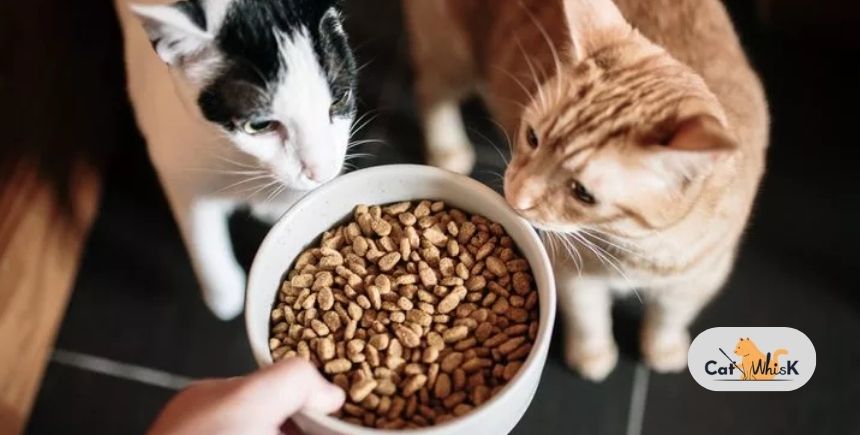
Opt for foods that are gentle on the stomach. Boiled chicken is a great choice. It’s light and easy to digest. Rice can also help firm up stools. Cook it well, until soft. Pumpkin puree is another good option. It’s high in fiber and aids digestion. Avoid foods with spices or strong flavors. These can irritate the cat’s stomach.
Hydration And Fluid Intake
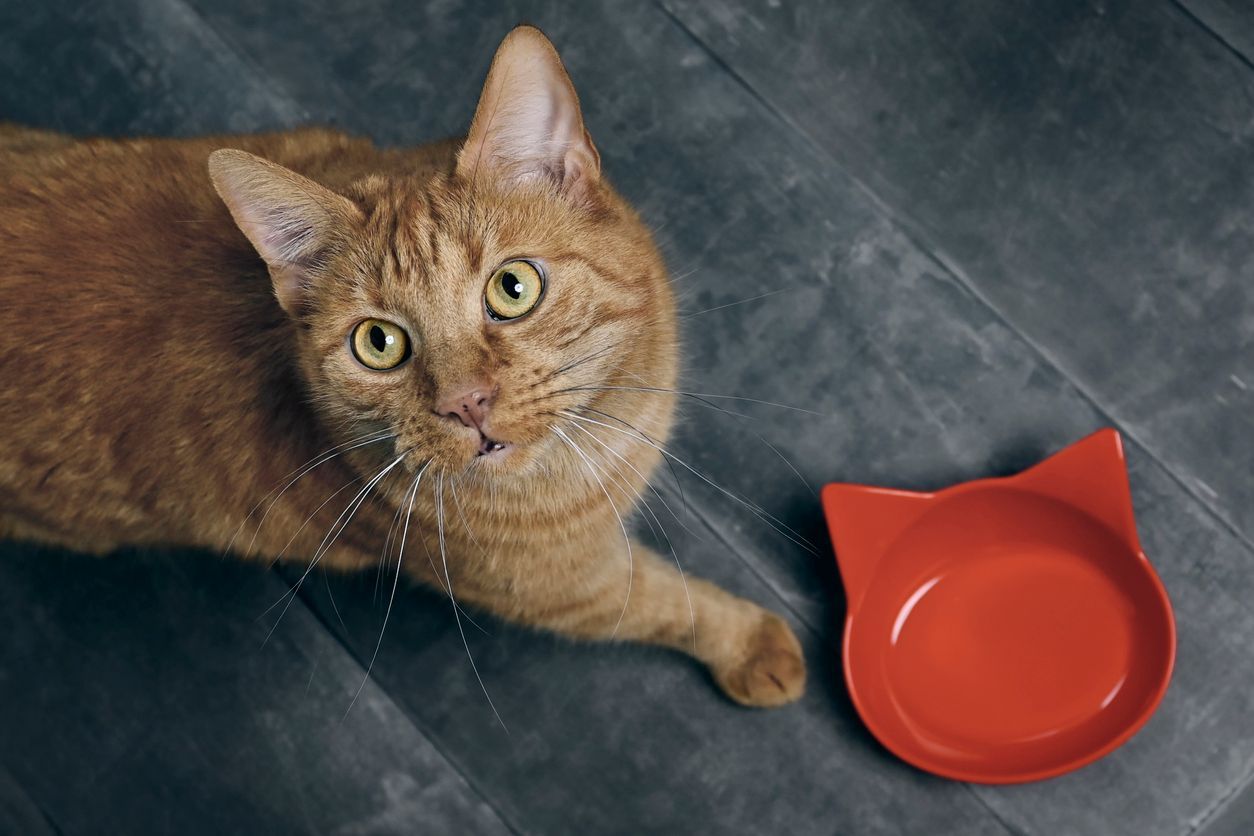
Keep your cat well hydrated. Diarrhea often leads to dehydration. Ensure fresh water is always available. Consider offering electrolyte solutions. They can replace lost fluids and minerals. Wet food can also boost hydration. It contains more moisture than dry food. Monitor your cat’s water intake closely. Encourage drinking by using a cat fountain.
Frequency And Portion Control
Small, frequent meals are best. Large meals can overwhelm an upset stomach. Feed small portions throughout the day. This helps maintain energy without straining digestion. Observe your cat’s reaction to each meal. Adjust portions based on their comfort and response. Gradually increase portion size as health improves.
Foods To Avoid
Cats with diarrhea should avoid dairy, spicy foods, and rich, fatty meals. These can worsen digestive issues. Stick to bland foods.
When your cat is experiencing diarrhea, pinpointing the right diet can be crucial for recovery. However, knowing what foods to avoid is just as important as knowing what to feed them. Certain foods can exacerbate the problem, leading to prolonged discomfort for your furry friend. Let’s dive into some common triggers and allergens that should be kept off your cat’s menu during this sensitive time.
Common Triggers
Certain foods have a reputation for causing digestive distress in cats. High-fat foods are one of the main culprits. Even though some fats are essential for a cat’s diet, excessive amounts can lead to digestive upset. Another common trigger is dairy products. Despite the stereotype, many cats are lactose intolerant. Giving your cat milk or cheese might cause more harm than good. Artificial additives and preservatives can also irritate a cat’s stomach. Many commercial cat foods contain these ingredients, so always check labels carefully.
Human Foods To Exclude
It’s tempting to share your meals with your feline companion, but certain human foods should be off-limits, especially when they’re unwell. For example, onions and garlic, even in small amounts, can be toxic to cats and worsen diarrhea. Chocolate is another no-go. While it’s common knowledge that chocolate is bad for dogs, it’s equally harmful to cats. The compounds in chocolate can lead to serious digestive issues. Spicy foods are also a poor choice. Cats don’t handle spice the same way humans do. A bit of chili or pepper can lead to an upset stomach and aggravated diarrhea.
Allergenic Ingredients
Cats can have food allergies just like humans. Some ingredients are notorious for causing allergic reactions. Common allergens include fish, beef, and chicken. If your cat has a known allergy, it’s crucial to avoid these proteins. Grains like corn and wheat are other potential allergens. They are often fillers in cat food, but can cause digestive problems for sensitive cats. Dyes and artificial coloring can also trigger allergies. These are often added to make food visually appealing but can cause unnecessary stress to your cat’s system. Have you noticed your cat reacting adversely to certain foods? It might be worth keeping a food journal to track what they eat and how they respond. This can help you identify patterns and avoid problematic ingredients in the future. Remember, your cat relies on you to make safe choices. Choosing wisely can help alleviate their discomfort and aid their recovery.
Credit: francisurology.com
Credit: vetster.com
Frequently Asked Questions
What Can I Feed My Cat To Stop Diarrhea?
Feed your cat boiled chicken or turkey with white rice. Avoid dairy products and consult your vet for guidance. Hydration is essential, so ensure your cat drinks plenty of water. Introduce a high-fiber diet gradually to improve digestion. Consider probiotics for better gut health.
How Can I Firm Up My Cat’s Diarrhea?
To firm up your cat’s diarrhea, provide a bland diet like boiled chicken and rice. Ensure they stay hydrated. Gradually reintroduce their regular food. Consider probiotics to support gut health. Consult a vet if diarrhea persists or worsens.
Should I Stop Giving My Cat Wet Food If They Have Diarrhea?
Consult your vet before changing your cat’s diet. Wet food can be beneficial for hydration. However, certain ingredients might worsen diarrhea. Your vet can recommend a suitable diet plan. Always ensure fresh water is available.
What To Do If My Cat Has Diarrhea But Is Acting Normal?
Monitor your cat’s hydration by providing fresh water. Feed a bland diet like boiled chicken and rice. If diarrhea persists, consult a vet. Keep the litter box clean to track changes. Ensure your cat stays comfortable and stress-free during recovery.
What Foods Help A Cat With Diarrhea?
Boiled chicken or rice can help. They are gentle on the stomach.
Conclusion
Caring for a cat with diarrhea needs careful attention to diet. Simple, bland foods help soothe their stomach. Cooked chicken or rice are safe choices. Always ensure fresh water is available. Monitor their condition closely. Consult a vet if symptoms persist.
Quick intervention can prevent complications. A balanced diet helps recovery. Tailor meals to their needs. Keep their health a priority. Adjusting their diet can offer relief. With patience, your cat can feel better soon. Understanding their needs is key. Provide comfort and support during this time.
Your cat’s well-being is in your hands.

Hi, I’m Taylor Morgan, the heart behind CATWhisk! As a lifelong cat enthusiast with a passion for feline care and behavior, I focus on providing reliable, practical, and engaging advice to cat parents everywhere. From health tips to fun DIY projects, my mission is to help you and your whiskered companions live your best lives together.