
Last Updated on February 18, 2026
When your furry friend is under the weather and refuses to eat, it can be incredibly stressful. You want to do everything you can to help your sick cat feel better, but where do you start?
Understanding what to feed a sick cat that won’t eat is crucial, as the right nutrition can make a world of difference in their recovery. Imagine the peace of mind you’ll have knowing exactly how to nourish your beloved pet back to health.
Stay with us, and we’ll guide you through the most effective strategies to entice your feline friend to eat, ensuring they regain their strength and vitality. Your cat’s health is important, and with a few simple tips, you can make a significant impact on their well-being. Let’s explore how you can turn this challenging situation into a triumph of care and love for your cherished companion.
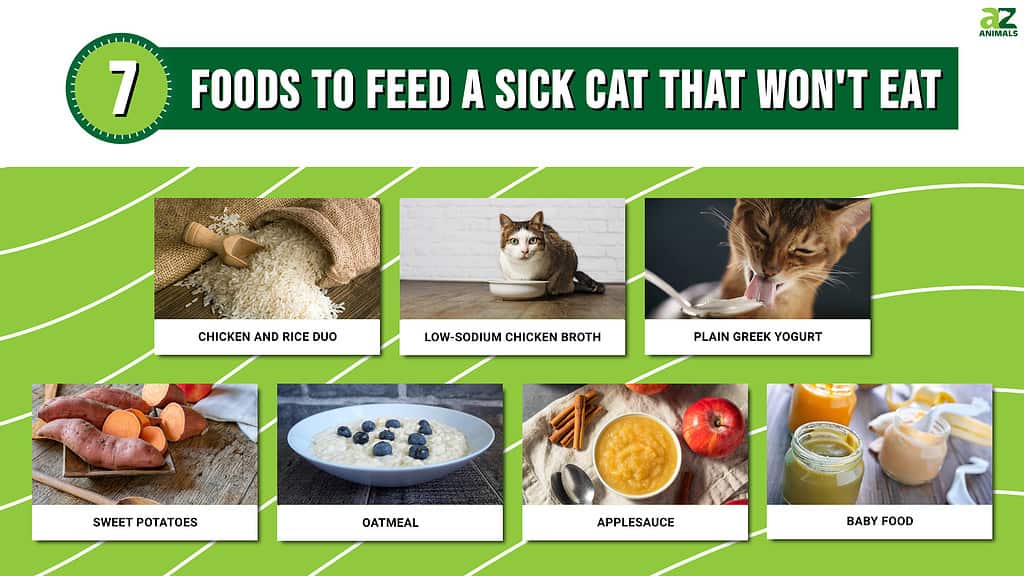
Credit: a-z-animals.com
Contents
Causes Of Appetite Loss
Understanding why a cat refuses food is crucial for pet owners. Appetite loss in cats can signal various underlying issues. Identifying these causes helps in addressing the problem effectively.
Medical Conditions
Many illnesses can cause a cat to stop eating. Common conditions include kidney disease, liver problems, and infections. These medical issues may cause discomfort or pain, reducing their appetite.
Stress And Anxiety
Cats are sensitive creatures. Changes in their environment can stress them out. Moving to a new home or introducing a new pet can trigger anxiety. Stress often leads to a decrease in appetite.
Dental Issues
Painful teeth or gums can deter a cat from eating. Dental diseases make it difficult for them to chew food. Regular dental check-ups can prevent these issues.
Recent Vaccination
Vaccinations are essential for a cat’s health. Sometimes, they cause temporary side effects. A cat might feel a bit off after a shot. This can result in short-term appetite loss.
Food Preferences
Cats can be picky eaters. They might simply dislike the taste or texture of certain foods. Trying different brands or flavors can help determine their preference.
Encouraging Eating In Sick Cats
Encouraging a sick cat to eat can be challenging. Cats often lose appetite when unwell. It’s crucial to ensure they consume enough nutrients. Proper nutrition aids recovery and strengthens the immune system. Finding ways to stimulate their appetite is vital. Let’s explore some effective strategies.
Creating A Comfortable Eating Environment
Set up a quiet, cozy space for meals. Sick cats need peace while eating. Loud noises can scare them away. Ensure the area is clean and free from distractions. A calm environment can encourage them to eat.
Offering Variety In Food Choices
Try different food textures and flavors. Wet food might appeal more to sick cats. It has a strong aroma that can attract them. Mix favorite treats with meals to spark interest. Variety can make meals more enticing.
Warming Up Their Food
Warm food releases enticing smells. Heat the food slightly before serving. Avoid making it too hot, though. The aroma can stimulate their appetite. Warm food is easier for sick cats to digest.
Using Appetite Stimulants
Consult your vet about appetite stimulants. They can prescribe safe options. These stimulants can help sick cats regain interest in food. Ensure you follow the vet’s instructions carefully.
Feeding Small, Frequent Meals
Offer small portions several times a day. Large meals can overwhelm sick cats. Smaller meals are easier to handle. Frequent feeding helps maintain energy levels. Monitor their eating patterns closely.
Recommended Foods And Supplements
Finding the right food for a sick cat that refuses to eat can be challenging. Certain foods and supplements can help stimulate appetite and improve health. Knowing what to offer can make a difference in their recovery.
Recommended Foods
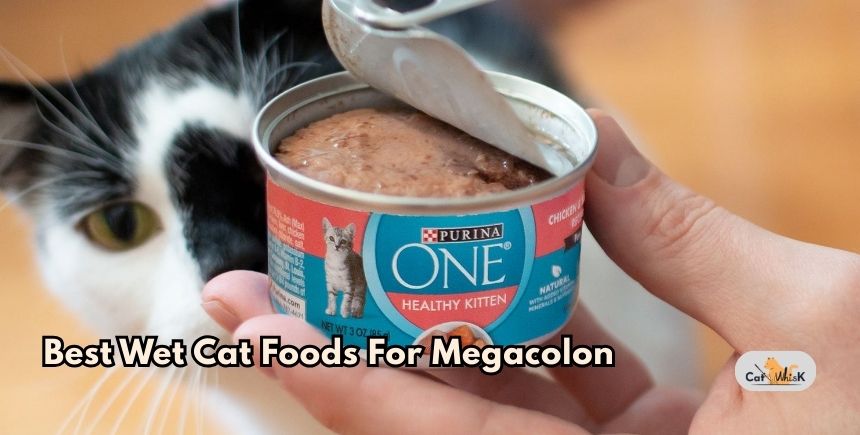
Wet food often appeals more to cats. It’s softer and easier to eat. Choose high-quality canned options with real meat. Chicken, turkey, and fish are popular choices. Ensure the food is low in additives and preservatives.
Baby food can be a gentle option. Choose plain meat varieties without onions or garlic. These can be easy on a sick cat’s stomach.
Broth And Hydration
Offer chicken or beef broth. It provides hydration and flavor, encouraging cats to eat. Ensure the broth is low in sodium and free from harmful spices.
Hydration is crucial for sick cats. Consider adding water to their food to increase fluid intake.
Supplements To Stimulate Appetite
Appetite stimulants can encourage eating. Consult a vet for safe options. B vitamins are known to boost appetite in cats. Omega-3 supplements can improve health and appetite.
Always discuss supplements with your vet. They can guide you on the right dosage and type.
Offering Small Meals
Small, frequent meals can be less overwhelming. This approach can help sick cats eat more. Try dividing meals into smaller portions.
Place food in a quiet area. Reduce stress and distractions to encourage eating.

Credit: www.memphisveterinaryspecialists.com

Credit: richardrowlands.com
Frequently Asked Questions
What Can I Feed My Sick Cat With No Appetite?
Offer your sick cat warm, aromatic wet food to stimulate appetite. Try baby food with meat or plain boiled chicken. Consult a vet for appetite stimulants if necessary. Always provide fresh water and ensure a quiet feeding environment.
How To Tell When A Cat’s Body Is Shutting Down?
Signs of a cat’s body shutting down include reduced appetite, lethargy, decreased grooming, and labored breathing. Watch for withdrawal, disinterest in surroundings, and significant weight loss. Consult a vet promptly for guidance and support. Monitor pain levels and ensure comfort during this difficult time.
How Long Should I Let My Sick Cat Go Without Eating?
A sick cat shouldn’t go without eating for more than 24 hours. Consult a vet if it refuses food. Prolonged fasting can harm the liver and lead to serious health issues. Always monitor its condition closely to ensure its well-being.
How Do You Stimulate A Sick Cat’s Appetite?
Warm up wet food to enhance aroma and appeal. Offer small, frequent meals. Try different flavors and textures. Use appetite stimulants recommended by a vet. Provide a stress-free eating environment.
Conclusion
Caring for a sick cat can be challenging. Offer small, tempting meals to encourage eating. Try warming food slightly to enhance aroma. Wet food often appeals more than dry kibble. Chicken broth or tuna water can entice a reluctant eater.
Consult with a vet for specific dietary advice. Hydration is crucial, so provide fresh water regularly. Keep your cat’s comfort in mind. Be patient and gentle. Monitor your cat’s progress closely. Adjust the diet as needed. A little love and care go a long way.
Your cat’s health and happiness are worth the effort.

Hi, I’m Taylor Morgan, the heart behind CATWhisk! As a lifelong cat enthusiast with a passion for feline care and behavior, I focus on providing reliable, practical, and engaging advice to cat parents everywhere. From health tips to fun DIY projects, my mission is to help you and your whiskered companions live your best lives together.