

Last Updated on June 17, 2026
Ever found yourself wondering, “When does a kitten become a cat?” You’re not alone.
Understanding this transition can help you provide the best care for your furry friend. As you watch your kitten grow, it’s fascinating to see the changes they go through. But pinpointing exactly when they become a cat can be a bit of a mystery.
With the right insights, you can unlock the secrets to their development and ensure you’re nurturing them at every stage. Stay with us as we unravel this intriguing transformation, giving you the knowledge to better connect with your beloved pet. Ready to discover the magic of this journey? Let’s dive in!

Credit: www.aaha.org
Kitten Growth Stages
Kittens grow quickly, passing through several exciting stages. Each stage marks significant changes in their development. Understanding these stages helps you provide better care. Watch as your playful kitten transforms into a graceful cat.
Neonatal Stage (0-2 Weeks)
In this stage, kittens are vulnerable. They rely entirely on their mother. Their eyes remain closed, and they barely move. They spend most of their time sleeping. Feeding every few hours is essential for growth.
Transitional Stage (2-4 Weeks)
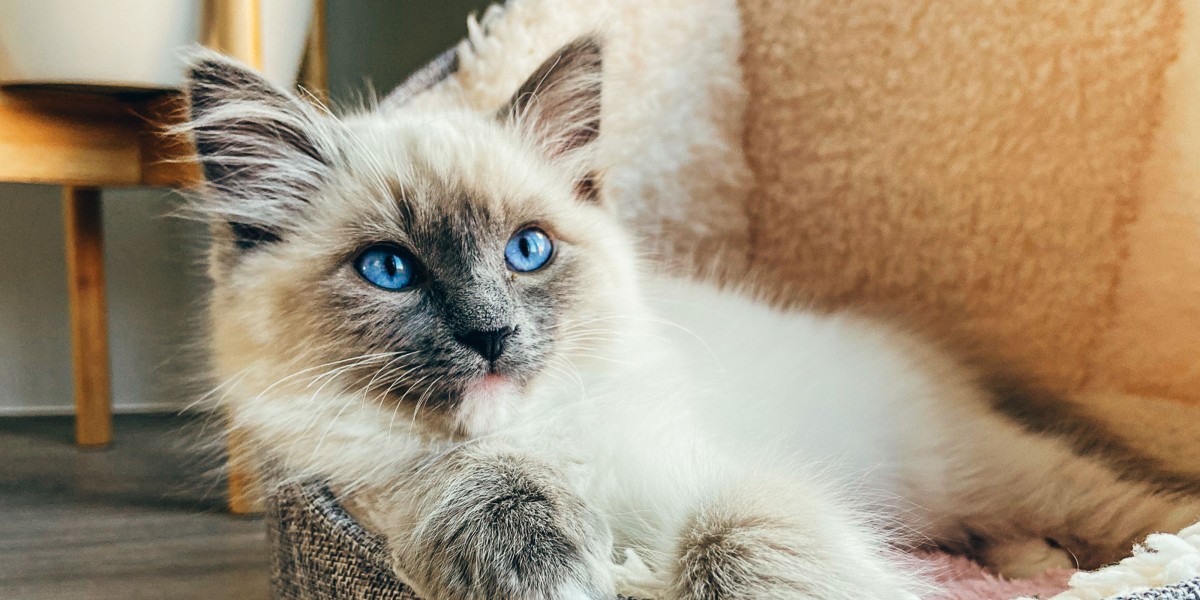
At this stage, kittens start exploring their surroundings. Their eyes begin to open, revealing blue hues. They take their first wobbly steps. Hearing improves, and they respond to sounds.
Socialization Stage (4-12 Weeks)
During this stage, kittens are very active. They learn social skills through play. Interaction with siblings and humans is crucial. Their personalities begin to shine. They start eating solid food.
Juvenile Stage (3-6 Months)
Kittens grow rapidly during these months. Their coordination improves significantly. They become more independent. This is a critical period for training. They develop strong hunting instincts.
Adolescent Stage (6-12 Months)
Kittens begin to look more like adult cats. Energy levels remain high, and play is frequent. They continue learning about their environment. Full growth is reached around one year. Maturity depends on breed and genetics.
Credit: www.purina.com
Physical And Behavioral Changes
Kittens grow quickly, evolving into adult cats in a matter of months. Understanding their physical and behavioral changes helps pet owners care for them better. These transformations mark the journey from playful kitten to a more mature cat. Let’s explore the fascinating changes that occur during this transition.
Physical Changes
As kittens grow, their bodies undergo significant transformation. Their bones and muscles strengthen, providing more stability and agility. Weight gain is noticeable, with most kittens doubling or tripling their weight in a few months. The fur becomes thicker and more defined, often changing texture. Teeth development is another key change; baby teeth fall out, replaced by adult teeth.
Eye color might shift as well. Many kittens are born with blue eyes, which gradually change to their permanent color. Growth spurts are common, leading to longer limbs and a more proportionate body. Tail length increases, adding balance to their movements. These physical changes signal their readiness to explore more of the world.
Behavioral Changes
Behavioral transformations accompany physical growth. Kittens initially show high energy levels, playing and exploring tirelessly. As they mature, their curiosity becomes more focused. They start understanding boundaries and develop problem-solving skills. Social behaviors also evolve. They learn to communicate with humans and other pets more effectively.
Independence grows over time. Kittens become less reliant on their mothers for comfort and support. Interaction patterns change, with more solitary play sessions. Their hunting instincts sharpen, showing interest in toys that mimic prey movements. These behaviors are crucial for their adaptation to adult life.
Sleep patterns adjust as well. Kittens sleep less than before, allowing more time for activity. They establish routines, becoming more predictable in their actions. This stability aids in training and bonding with their owners. Observing these changes helps in understanding their needs and nurturing their development.
Transition To Adulthood
Kittens are adorable bundles of energy and curiosity. As they grow, changes occur. This period is known as the transition to adulthood. It marks a significant stage in a kitten’s life. Understanding this transition helps in nurturing their development.
Physical Growth And Development
Between six months and a year, kittens experience rapid physical growth. Their muscles strengthen, and bones mature. Some may look more slender, shedding their baby fat. The kitten’s size increases considerably during this time.
Behavioral Changes
Adolescence brings noticeable behavioral shifts. Kittens start exploring more and testing boundaries. They may exhibit increased independence. Playtime becomes more strategic and purposeful. These changes reflect their evolving maturity.
Social Dynamics
Social interactions evolve during this stage. Kittens learn to communicate with other pets. They adapt to household dynamics, showing distinct personalities. This is when social skills develop significantly.
Dietary Adjustments
As kittens grow, dietary needs change. They require balanced nutrition for healthy development. Adult cat food becomes more suitable. Proper diet supports their growing bodies.
Health And Veterinary Care
Regular veterinary check-ups become crucial during this period. Vaccinations, spaying, or neutering might occur. These measures ensure long-term health. Monitoring growth and health is essential.
Emotional Maturity
Emotional maturity is a key part of this transition. Kittens develop deeper bonds with humans. They start showing affection in unique ways. Understanding their emotional needs is vital.

Credit: icatcare.org
Frequently Asked Questions
What Age Is A Cat No Longer A Kitten?
Cats are no longer kittens at around 12 months old. By this age, they reach adulthood. Some breeds may mature slower, extending kittenhood to 18 months. Regular vet checks help track maturity. Transitioning from kitten to adult food is also advised during this time for optimal health.
What Is The 3-3-3 Rule For Kittens?
The 3-3-3 rule for kittens outlines their adjustment period: 3 days to feel secure, 3 weeks to learn routines, and 3 months to establish a bond with their new environment. This guideline helps owners understand the time needed for kittens to adapt comfortably to their new home.
What Age Are Kittens The Naughtiest?
Kittens are typically the naughtiest between 3 to 6 months old. They explore and test boundaries during this playful stage. This age marks their increased curiosity and energy, making them more mischievous. Providing toys and engaging activities can help manage their playful antics.
Are 1 Year Old Cats Still Kittens?
Yes, cats aged 1 year are still considered kittens. They mature into adults around 12-18 months. During this phase, they continue to grow and develop, displaying playful and energetic behavior. Early adulthood begins after this period, marking the transition from kittenhood to full maturity.
When Does A Kitten Become A Cat?
A kitten typically becomes a cat at about one year of age. Growth slows after this point.
Conclusion
Cats grow and change quickly. Kittens become cats around one year old. As they grow, their behavior shifts. Playful kitten antics turn into mature cat habits. They start to explore more. Their diet changes too. Adult food becomes essential. Watch for these signs.
You’ll know your kitten is now a cat. Enjoy the journey. Their transformation is fascinating. Spend time observing them. Each stage is unique. Cherish these moments. Cats are wonderful companions. They bring joy and comfort. Embrace their growth. Celebrate their milestones.
Your kitten’s journey into adulthood is special. Keep nurturing them. They’ll thrive and grow beautifully.

Hi, I’m Taylor Morgan, the heart behind CATWhisk! As a lifelong cat enthusiast with a passion for feline care and behavior, I focus on providing reliable, practical, and engaging advice to cat parents everywhere. From health tips to fun DIY projects, my mission is to help you and your whiskered companions live your best lives together.