
Last Updated on April 28, 2026
Bringing a new kitten into your home is an exciting time, but introducing this little newcomer to your resident cat can feel daunting. You’ve probably heard stories of fur flying and hissing matches, and you want to avoid that drama.
The good news is, with the right approach, you can create a peaceful and harmonious environment for both your feline friends. Imagine your home filled with playful purrs instead of territorial tantrums. By taking a few thoughtful steps, you can make this transition smooth and stress-free for everyone.
So, how do you go about it? Stick around, because you’re about to discover the secrets to a successful introduction that will leave your cats purring with contentment.
Credit: www.friendshiphospital.com
Preparing Your Home
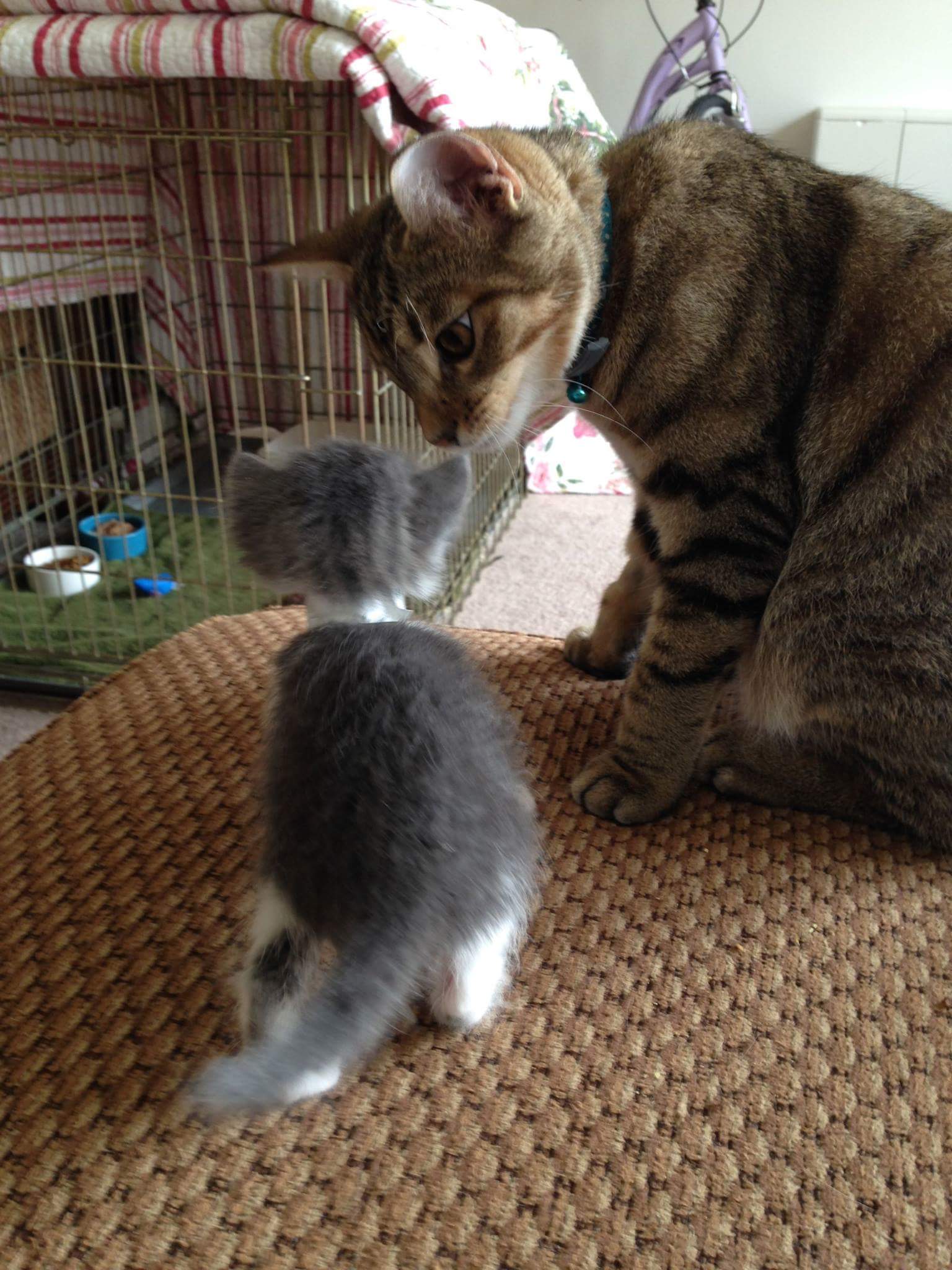
Introducing a new kitten to a cat requires patience and care. Create a safe, separate space for the kitten. Gradually allow interactions to build trust and comfort between them.
Bringing a new kitten into a home that already has a cat can be both exciting and nerve-wracking. Before the adorable bundle of fur arrives, it’s crucial to prepare your home to ensure a smooth transition for both the new kitten and your resident cat. Creating a safe and welcoming environment can help ease tensions and foster a peaceful coexistence.
Designate A Safe Space For The Kitten
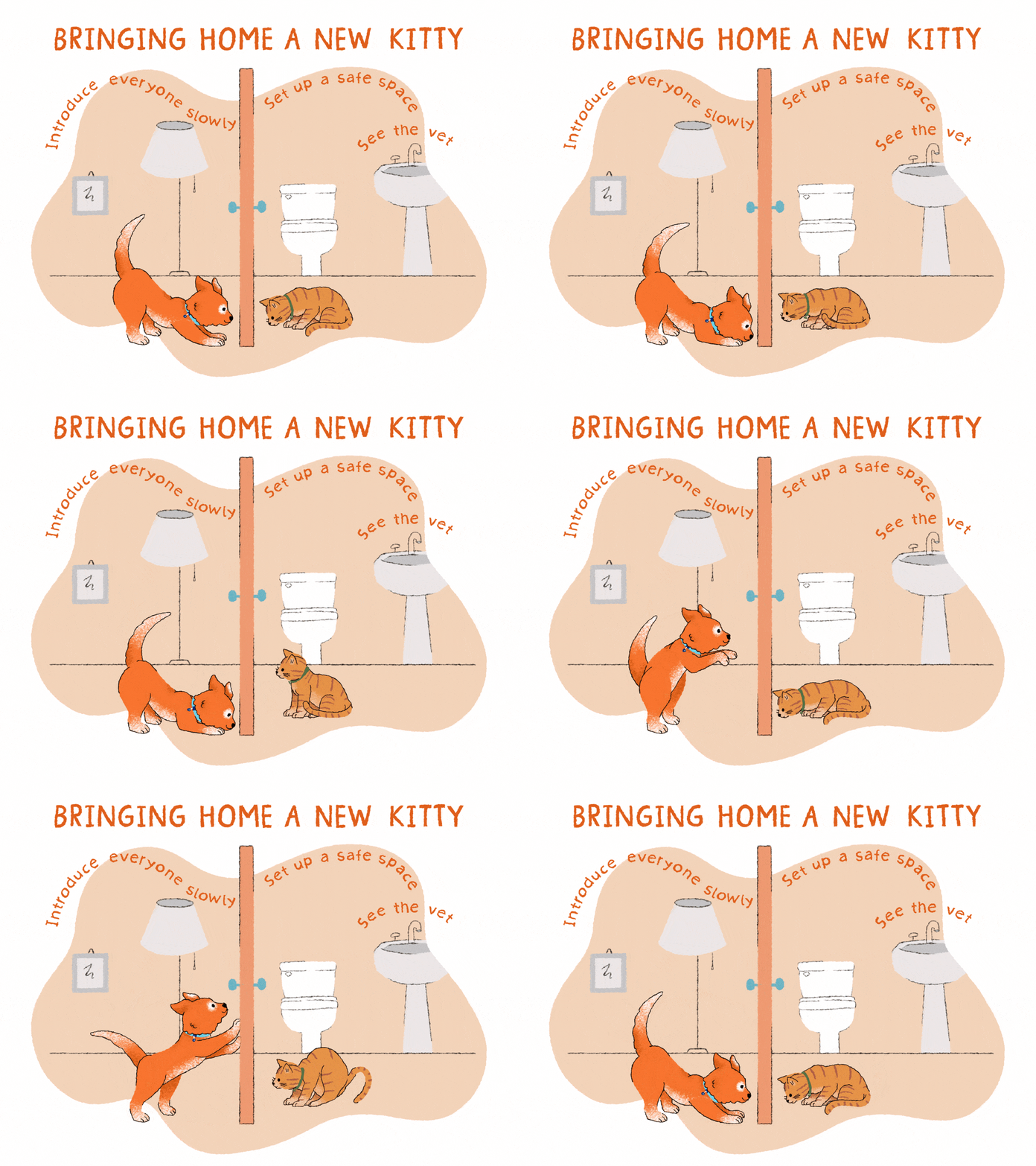
Start by setting up a designated area where your new kitten can feel secure. This could be a spare room or a cozy corner with all the essentials: a bed, litter box, food, and water. Having a separate space gives your kitten a chance to acclimate without feeling overwhelmed. It also allows your resident cat to adjust to the new scent at their own pace.
Invest In Necessary Supplies
Ensure you have all the necessary supplies ready before bringing your kitten home. Stock up on kitten food, a small litter box, and some toys to keep the kitten entertained. Consider getting a few scratching posts to prevent your furniture from becoming their scratching target. Do you have enough feeding bowls for both pets? Small details like these can make a big difference.
Plan For Gradual Introductions
Introduce your kitten to your resident cat gradually. Start by allowing them to sniff each other’s scents through a door or a baby gate. This method lets both cats become familiar with each other without direct contact. Have you thought about using a blanket or toy to transfer scents between them?
Establish Separate Feeding Areas
Cats are territorial, especially when it comes to food. Set up separate feeding areas to avoid any food-related aggression. Feeding your cats in different locations ensures they feel secure during meal times. It’s also a good way to observe their eating habits and adjust if one seems more stressed.
Create Vertical Spaces
Cats love to climb and observe from heights. Ensure your home has enough vertical spaces, such as cat trees or shelves, to allow both cats to retreat when they need personal space. Vertical spaces help reduce tension by giving each cat their own territory. It’s fascinating how just a little elevation can change their perspective and mood. Preparing your home thoughtfully can make a world of difference in introducing a new kitten to your resident cat. Have you covered all the bases to ensure harmony in your multi-cat household?
Credit: www.banfield.com
Initial Meeting Tips
Introducing a new kitten to your older cat can be a delicate process. It’s essential to ensure a smooth transition for both pets. The initial meeting sets the tone for their future relationship. Follow these tips to create a positive experience.
Separate Spaces
Start by giving them separate spaces. This helps them adjust without stress. Each pet should have its own food, water, and litter area. Gradually, they will become curious about each other.
Controlled Introduction
Use a barrier for the first meeting. A baby gate or screen works well. This allows them to see and smell each other safely. Observe their reactions and ensure calm behavior.
Short Meetings
Keep initial interactions short. Five to ten minutes is enough. Increase time as they become more comfortable. Watch for signs of aggression or fear.
Use Treats
Treats can encourage positive associations. Reward both pets for calm behavior. This reinforces a friendly atmosphere and reduces tension.
Monitor Body Language
Pay attention to their body language. Look for signs of stress like hissing or raised fur. Calm them with soothing words and gentle petting.
Gradual Increase
Gradually increase time together. Allow them to explore each other at their own pace. Ensure they feel secure and comfortable.
Building Long-term Harmony
Introducing a new kitten to a cat takes patience and care. Begin with separate spaces for each, letting them sniff through closed doors. Gradually allow short meetings, ensuring both are calm and supervised.
Introducing a new kitten to your existing cat can be a delightful yet challenging experience. Building long-term harmony between the two requires patience, understanding, and a few strategic steps. Successfully integrating a kitten can result in a joyful companionship that enriches both their lives and yours. Let’s dive into effective strategies to ensure your feline friends live happily together.
Start With Separate Spaces
Begin by setting up separate areas for your kitten and cat. This allows them to acclimate to each other’s scent without direct confrontation. Use a room divider, or designate different rooms, ensuring each has comfortable bedding and toys. Gradually swap their bedding or toys to familiarize them with each other’s scent. This helps them associate the scent with positive experiences.
Controlled Introductions
Once both pets seem comfortable, you can introduce them in a controlled manner. Use a pet gate or a see-through barrier during these initial meetings. This helps them see each other without feeling threatened. Observe their body language closely. Positive signs like curious sniffing indicate readiness for closer interaction. Any signs of aggression, such as hissing or growling, mean you should give them more time apart.
Shared Playtime
Engage both your kitten and cat in shared playtime. Use interactive toys like feather wands or laser pointers to capture their attention. Play can be a bonding tool, encouraging them to associate fun with each other’s presence. Ensure the play session is lively and engaging for both pets. This can lead to mutual enjoyment and foster a sense of companionship.
Balanced Attention
Balance your attention between the kitten and the cat to prevent jealousy. Spend quality time with each pet individually and together. This reinforces that both are valued members of the family. Watch for signs of favoritism. Ensuring equal attention helps in reducing competition and fosters a harmonious environment.
Addressing Conflicts
Conflicts may arise, but addressing them promptly is key. If a scuffle occurs, calmly separate the pets and give them time to cool off. Avoid punishing either pet; this can lead to fear or resentment. Think about what triggered the conflict. Adjusting their environment or routine can prevent future issues and promote peace.
Encourage Positive Reinforcement
Use treats and praise to reinforce positive interactions between your kitten and cat. Reward them when they play or nap peacefully near each other. Positive reinforcement encourages repetition of good behavior. Consider what motivates each pet, whether it’s treats, toys, or affection. Tailoring your approach can enhance their bonding experience.
Monitor Progress
Keep track of their interactions over time. A journal can help you note positive developments and any setbacks. This will guide your approach and help in making necessary adjustments. Are there specific times or situations when they get along better? Understanding their dynamic can lead to long-term harmony. Building a harmonious relationship between your kitten and cat requires time and effort. With patience and understanding, you’ll create a loving environment where both pets thrive. Your dedication to their bond can transform a simple introduction into a lifelong friendship.

Credit: justforfriends.uk
Frequently Asked Questions
How Long Does It Take For A Cat To Get Used To A New Kitten?
Cats usually take a few weeks to adjust to a new kitten. The process depends on their temperament and past experiences. Gradual introductions and providing separate spaces help ease the transition. Patience and supervision are key for a harmonious relationship between your cat and the new kitten.
What Is The 3-3-3 Rule For Kittens?
The 3-3-3 rule for kittens refers to their adaptation period. It suggests three days to feel less scared, three weeks to start settling in, and three months to fully adjust to their new home. This rule helps new pet owners understand the kitten’s adjustment process.
Will My 1 Year Old Cat Be Ok With A New Kitten?
Introducing a new kitten to your 1-year-old cat can be successful. Monitor their interactions closely. Ensure separate spaces initially, then gradually allow them to mingle. Use positive reinforcement to encourage friendly behavior. Cats often adapt with time, but patience is key.
Consult a vet for guidance if necessary.
Where Should A Kitten Sleep The First Night?
Place the kitten in a quiet, cozy spot with a soft bed. Ensure the area is safe and warm. Provide familiar scents like a blanket or toy from the previous home. This helps the kitten feel secure and comfortable during the first night in a new environment.
How Long Does It Take For A Cat To Accept A Kitten?
Acceptance varies. Some cats adjust within days, others take weeks. Be patient and observe their interactions.
Conclusion
Introducing a kitten to a cat takes patience and care. Start slow to build trust. Monitor their interactions closely. Use separate spaces for each pet initially. Gradually let them spend more time together. Offer treats and praise for good behavior.
Keep an eye on their body language. Look out for signs of stress or aggression. A calm environment helps them adjust. Be consistent with routines. Every cat is different, so adapt as needed. Your understanding will help them form a strong bond.
Soon, they may become inseparable companions. Enjoy watching them grow together!

Hi, I’m Taylor Morgan, the heart behind CATWhisk! As a lifelong cat enthusiast with a passion for feline care and behavior, I focus on providing reliable, practical, and engaging advice to cat parents everywhere. From health tips to fun DIY projects, my mission is to help you and your whiskered companions live your best lives together.