
Last Updated on June 17, 2026
Welcoming a new kitten into your home is an exciting time, but it can also bring a bit of anxiety, especially if you already have a cat. The introduction between your beloved feline and the curious new arrival is crucial for harmony.
You might be wondering how to make this transition smooth and stress-free for both of your pets. Don’t worry, you’re not alone in this! Many pet owners face the same challenge, and with the right approach, you can foster a peaceful relationship between your cat and kitten.
This guide will walk you through practical steps to help your furry companions become the best of friends. By understanding their needs and behaviors, you can create a loving environment that makes everyone feel at home. Keep reading to discover how to set the stage for a happy and harmonious household.
Credit: www.vets4pets.com
Preparing The Environment
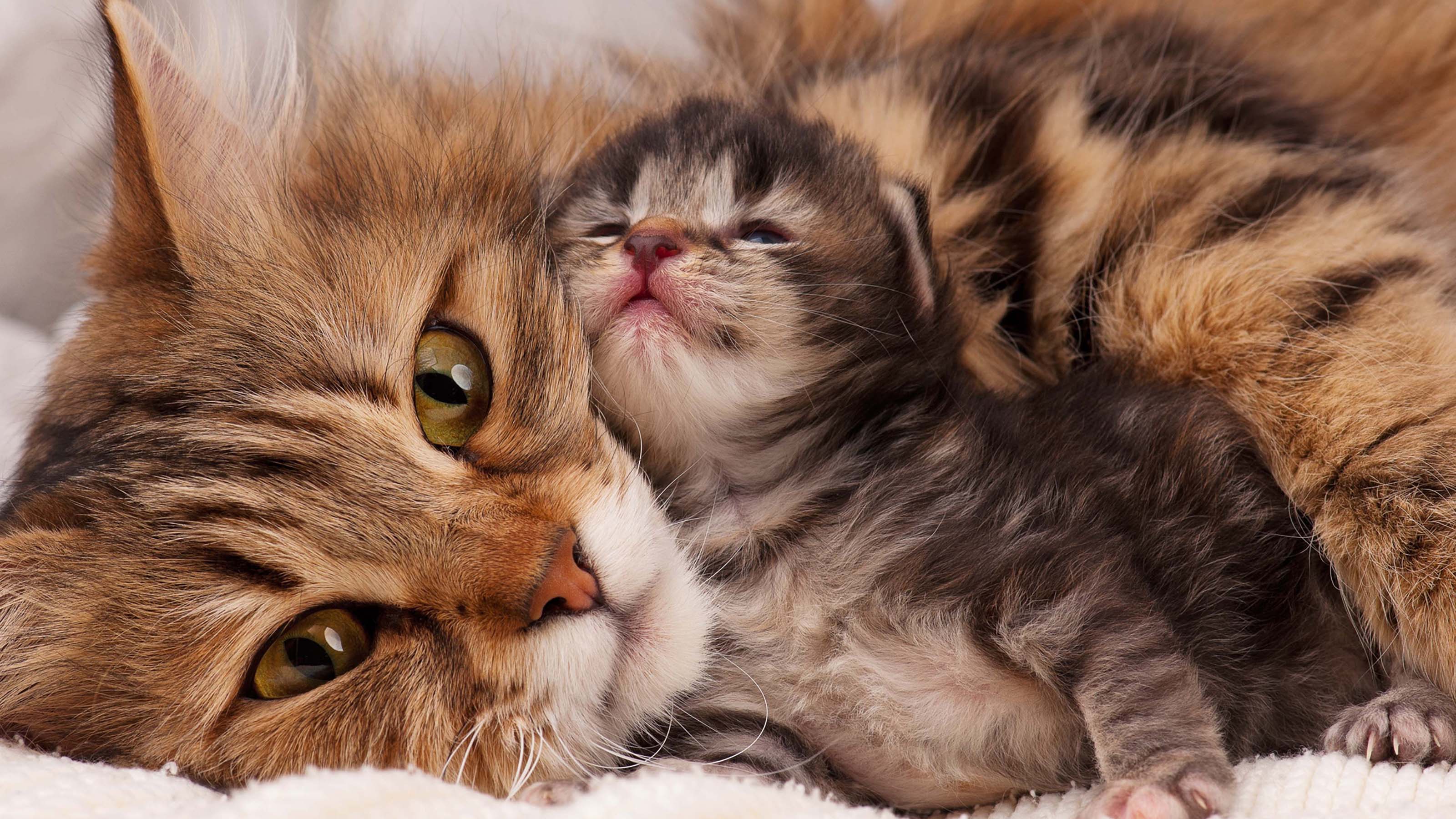
Creating a calm space is crucial for introducing a cat to a kitten. Separate their living areas initially. Allow them to explore each other’s scent before meeting face-to-face.
Introducing a new kitten to your resident cat can be a thrilling yet challenging experience. The key to a smooth transition lies in how well you prepare the environment for both felines. A carefully arranged space can ease tensions and help establish a harmonious relationship right from the start.
Designate Separate Spaces
Start by designating separate areas for your cat and kitten. This prevents immediate confrontations. Each should have their own sleeping, eating, and litter box areas. This will help them feel secure and less threatened.
Create Safe Zones
Ensure both pets have access to safe zones where they can retreat. These are spots where they can hide or climb. Cats love vertical spaces. Consider adding a tall cat tree or shelves. This gives them an overview of their environment and a sense of control.
Introduce Familiar Scents
Swap bedding between the cat and the kitten before they meet. This helps them get acquainted with each other’s scent. The sense of smell is crucial for cats. Familiar scents reduce anxiety and foster acceptance.
Control Initial Visuals
Use a baby gate or a screen door for the first visual introductions. This allows them to see each other without physical contact. It’s a safe way to gauge their reactions. Are they curious or aggressive? This step will help you determine how to proceed.
Monitor Feeding Times
Feed them on opposite sides of a closed door. This creates a positive association with each other’s presence. They’ll begin to link the smell of the other cat with something pleasant. Gradually move their feeding spots closer until they can eat in the same room.
Minimize Stressful Noises
Keep the environment calm by reducing loud noises and disruptions. Cats are sensitive to their surroundings. A noisy environment can increase stress levels and hinder the introduction process. How can you make your home more peaceful for them?
Use Interactive Toys
Engage both cats with interactive toys. This not only distracts them but also promotes playtime together. Toys like feather wands or laser pointers can be shared without direct contact. It’s a fun way to encourage camaraderie. By thoughtfully preparing the environment, you’re setting the stage for a successful introduction. How will you adapt your home for your new furry family member?
Credit: www.banfield.com
First Meeting Strategies
Introducing a cat to a kitten requires patience and calmness. Start by keeping them in separate rooms. Gradually allow them to explore each other’s scents through closed doors.
Introducing a new kitten to your resident cat can be a delicate process, but with the right first meeting strategies, you can set the stage for a harmonious relationship. The first encounter is crucial; it can shape their future interactions. Your goal is to make this initial meeting as stress-free and positive as possible for both pets.
Prepare Their Environment
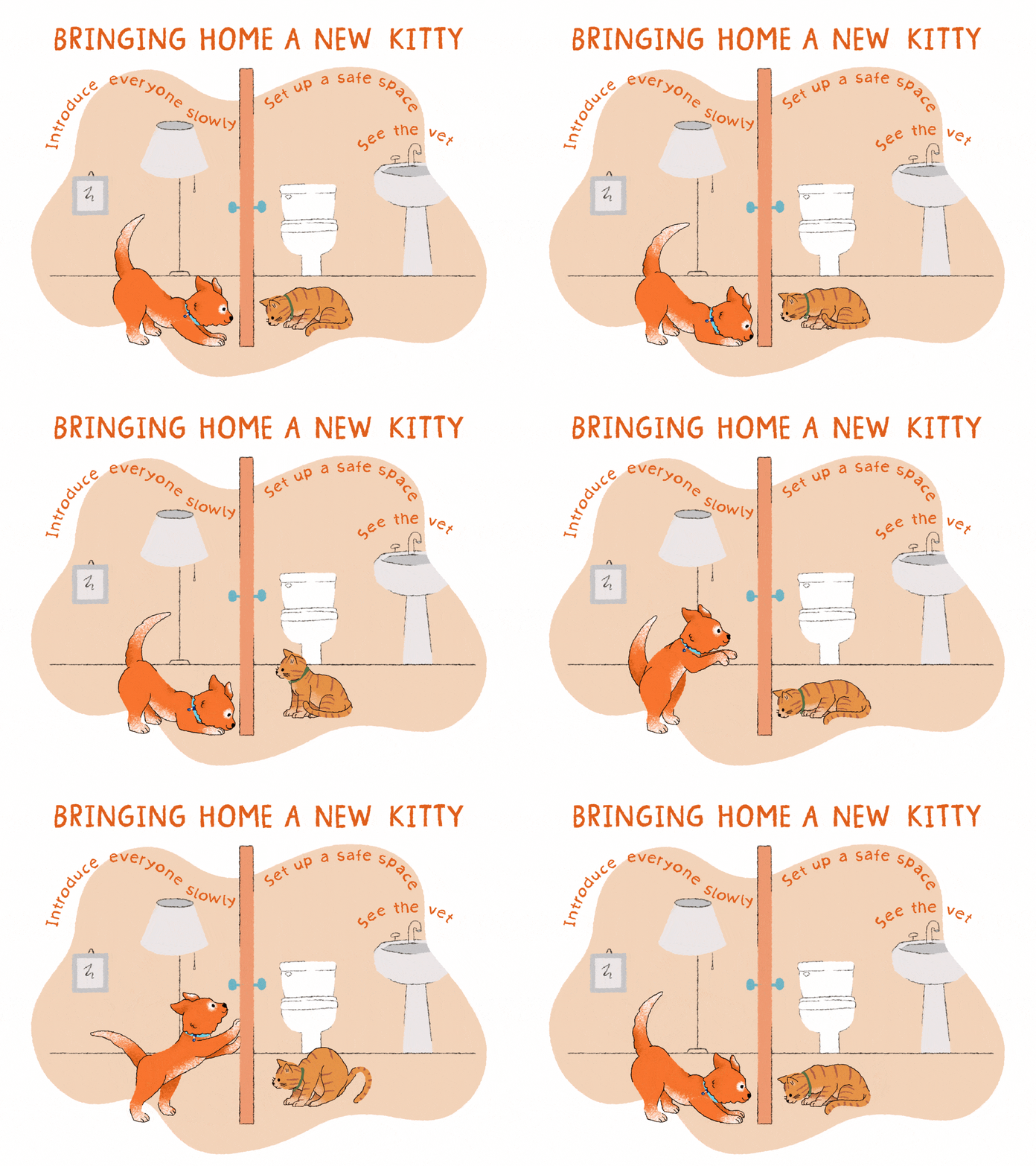
Before their first meeting, ensure that each pet has its own space. This means separate food bowls, litter boxes, and sleeping areas. Keep them apart initially, allowing your cat and kitten to become accustomed to each other’s scent. You can swap blankets or toys between them to facilitate this. Consider using a baby gate or a partially closed door during their first visual introduction. This creates a safe barrier while allowing them to observe each other.
Timing Matters
Choose a time when both pets are calm and relaxed. After a meal or a play session is often ideal. Avoid introducing them when your cat is agitated or your kitten is overly energetic. This timing helps prevent stress or aggression.
Keep It Short And Sweet
For the first meeting, keep interactions brief. A few minutes is enough. Watch for signs of discomfort or aggression such as hissing or swatting. If either pet appears stressed, separate them and try again later. Positive reinforcement plays a key role here. Reward calm behavior with treats and praise.
Engage Their Senses
During the meeting, engage their senses with toys or treats. This distraction can help ease tension. Using treats can create positive associations with each other’s presence. Interactive play can also be a bonding experience. Use toys they both enjoy to foster shared activities.
Observe Body Language
Pay close attention to their body language. Look for signs of curiosity, playfulness, or fear. Your cat might be more cautious, while your kitten could be more eager. This difference is natural, but understanding their cues helps you manage the situation better.
Adjust And Repeat
Remember, patience is key. If the first meeting doesn’t go smoothly, don’t be discouraged. Adjust your strategy and repeat the process. Each interaction builds familiarity and trust. Ask yourself: how can you make their next meeting more comfortable? Consider changes in environment or timing. By thoughtfully planning their first meeting, you’re laying the foundation for a lasting friendship between your cat and kitten.
Building A Harmonious Relationship
Building a harmonious relationship between a cat and a kitten requires patience. Establishing trust is key for a smooth transition. Cats are territorial by nature, and introducing a new member can be challenging. Understanding their behavior helps in creating a peaceful bond. A well-prepared approach ensures a friendly companionship.
Understanding Feline Behavior
Observe your cat’s behavior before introducing the kitten. Cats communicate through body language. Watch for signs of stress or aggression. Familiarize yourself with calming techniques. These help in easing tension during introductions.
Creating Safe Spaces
Provide separate areas for each pet initially. This ensures comfort and security. Place beds, toys, and litter boxes for both. Gradual exposure reduces territorial disputes. Allow them to explore each other’s scent safely.
Slow And Steady Introductions
Use gradual introductions to build comfort. Start with brief, supervised meetings. Monitor their reactions closely. Increase interaction time slowly. Positive experiences foster friendship.
Encouraging Positive Interaction
Reward positive behavior with treats and praise. Gentle play sessions help them bond. Use toys to distract and engage them. This promotes healthy interaction. Avoid forcing contact if they seem stressed.
Monitoring Progress
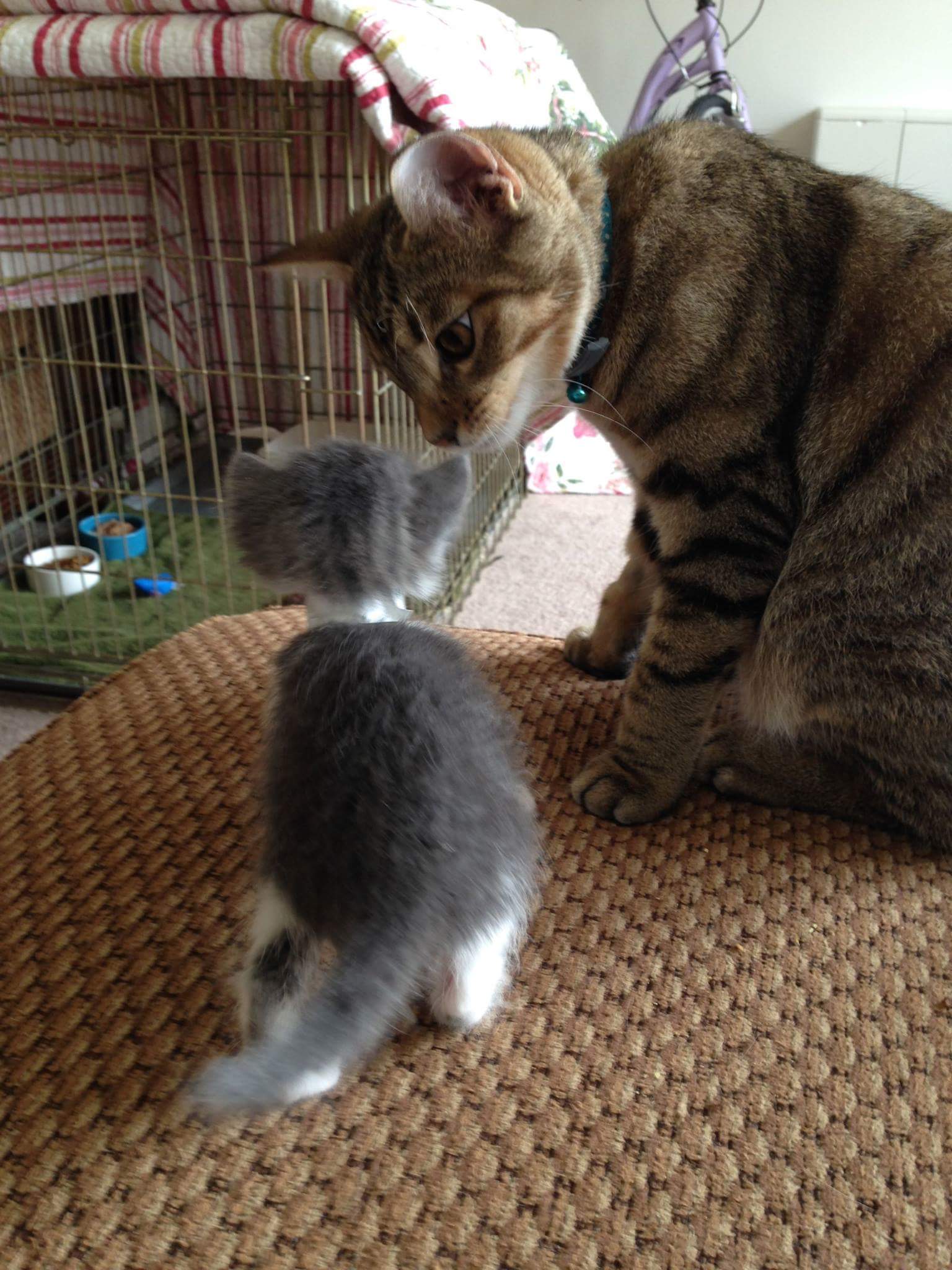
Keep an eye on their relationship dynamics. Look for signs of acceptance. Mutual grooming indicates growing trust. Note any aggressive behavior. Intervene if necessary to maintain peace.
Credit: www.friendshiphospital.com
Frequently Asked Questions
How Long Does It Take For A Cat To Get Used To A New Kitten?
Cats usually take a few days to a few weeks to adjust to a new kitten. Introduce them gradually and supervise their interactions for a smoother transition. Patience and positive reinforcement help create a harmonious environment.
What Is The 3-3-3 Rule For Kittens?
The 3-3-3 rule for kittens involves three days to adjust, three weeks to settle, and three months to feel completely at home. This guideline helps manage expectations and provides a timeline for kittens to adapt to new environments.
Should I Let My Cat Growl At My New Kitten?
Letting your cat growl at your new kitten can be natural. Supervise their interactions and ensure safety. Gradually introduce them to minimize stress. Provide separate spaces and monitor behavior closely to foster a positive relationship between them. Seek advice from a vet if aggressive behavior persists.
How Do I Introduce My Cat To A Kitten?
Introduce the kitten in a separate room. Gradually swap scents using blankets. Allow brief supervised interactions. Reward positive behavior with treats. Monitor closely for aggression or stress.
How Do Cats React To New Kittens?
Cats can be territorial. Introduce slowly to avoid stress. Monitor reactions closely for aggression or fear.
Conclusion
Introducing a new kitten to your cat can be smooth. Follow simple steps for success. Ensure both pets feel safe and comfortable. Start with short, supervised interactions. Gradually increase their time together. Provide individual spaces for each pet. Use treats and toys to create positive experiences.
Monitor their behavior closely. Patience is key. Building a bond takes time. Soon, they will enjoy each other’s company. A happy home for both your cat and kitten. With these tips, harmony is within reach. You can create a peaceful environment for all.
Your furry friends will thank you.

Hi, I’m Taylor Morgan, the heart behind CATWhisk! As a lifelong cat enthusiast with a passion for feline care and behavior, I focus on providing reliable, practical, and engaging advice to cat parents everywhere. From health tips to fun DIY projects, my mission is to help you and your whiskered companions live your best lives together.