

Last Updated on April 28, 2026
Are you worried about how much food your cat should be eating? You’re not alone.
Many cat owners find themselves puzzled over feeding guidelines and portion sizes. The truth is, feeding your feline friend isn’t just about filling a bowl. It’s about ensuring they receive the right nutrients for a healthy life. That’s where a feeding chart can be incredibly helpful.
It takes the guesswork out of mealtime, ensuring your cat gets the perfect amount of food every day. Curious to find out how much you should be feeding your furry companion? Let’s dive into the details and discover the ideal feeding chart for your cat’s needs.
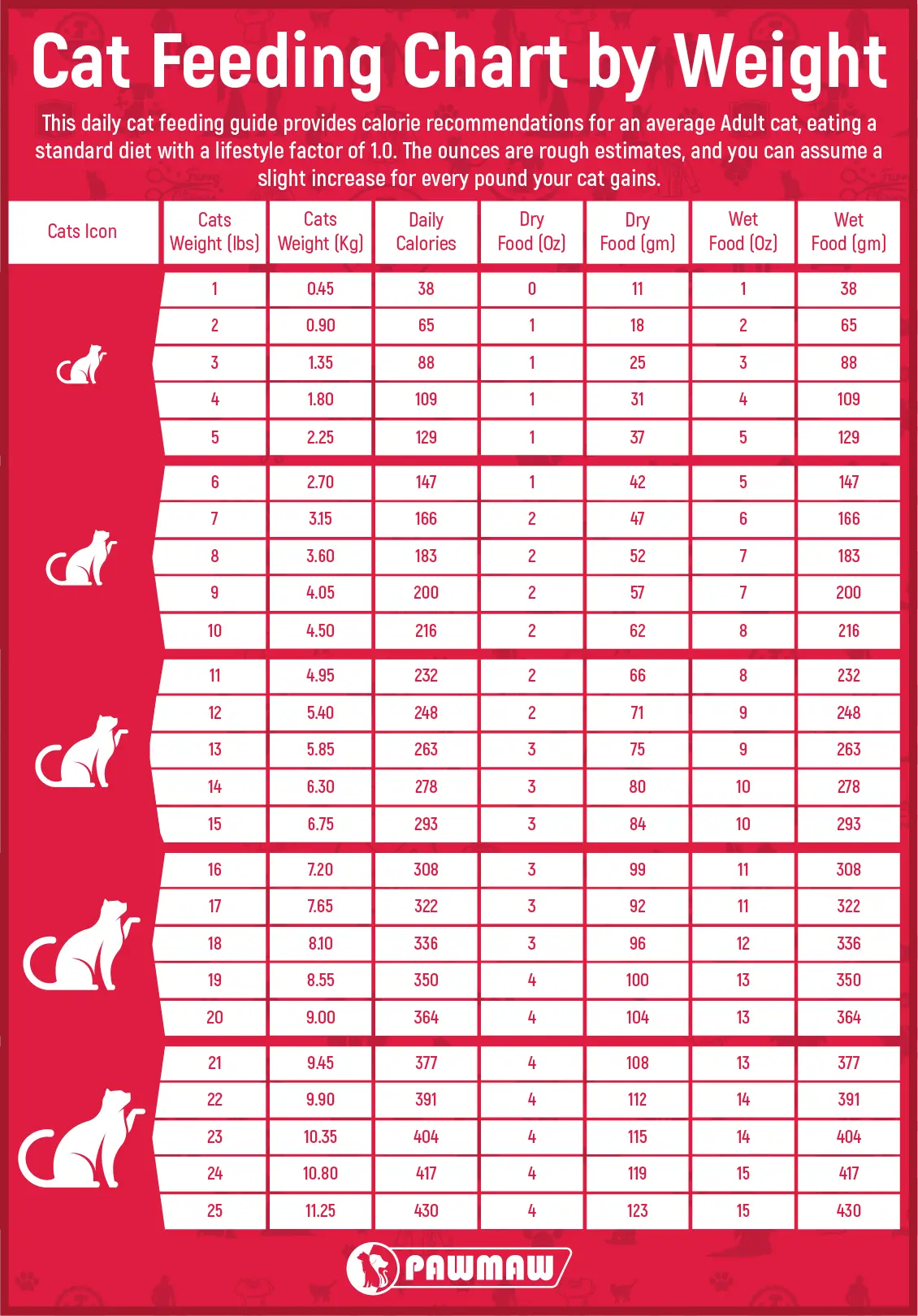
Credit: www.pawmaw.com
Feeding Amounts For Different Cat Ages
Determining the right feeding amount for cats varies by age. Kittens need frequent, smaller meals. Adult cats benefit from two balanced meals daily. Senior cats might require adjusted portions for health needs. A feeding chart helps guide proper nutrition across these life stages, ensuring your cat stays healthy and happy.
Feeding your cat the right amount of food is crucial for their health and happiness. As your cat grows, their nutritional needs change. Understanding these needs ensures they get the right balance of nutrients at every stage of their life. Let’s explore how much you should feed your cat based on their age.
Feeding Kittens (0-6 Months)
Kittens are tiny powerhouses of energy and growth. They require more calories per pound than adult cats. Ideally, you should feed them small meals throughout the day. A common practice is to offer food four times daily. This helps support their rapid growth and high energy levels. Always ensure the food is specifically formulated for kittens.
Feeding Young Adults (7 Months – 2 Years)
As your cat transitions into a young adult, their energy levels remain high, but their growth slows. You can reduce meals to twice a day. This age group thrives on a balanced diet that includes proteins and fats. Consider a mix of wet and dry food to maintain hydration and dental health.
Feeding Adults (3 – 6 Years)
Adult cats require fewer calories than their younger counterparts. Feeding them twice a day is usually sufficient. Pay attention to their weight and activity level to adjust portions as needed. Too much food can lead to obesity, a common issue in adult cats. Use a measuring cup to ensure you’re not overfeeding.
Feeding Mature Cats (7 – 10 Years)
Mature cats start to slow down a bit. Their metabolism decreases, requiring fewer calories. Maintain their feeding schedule at twice daily but adjust portion sizes. Look for foods formulated for mature cats, which offer the right balance of nutrients. Regular vet check-ups can help you monitor their health closely.
Feeding Senior Cats (11+ Years)
Senior cats might need more frequent meals in smaller portions. Their dietary needs become more specific, focusing on joint support and kidney health. High-quality senior cat food can address these needs. Always provide fresh water and monitor their intake closely. Consult your vet for personalized feeding advice. Have you noticed any changes in your cat’s eating habits as they age? Adjusting their diet can make a world of difference in their quality of life. Keep a close eye on their weight and health, and consult your vet if you have any concerns.
Factors Influencing Cat Feeding
Determining the right amount to feed a cat depends on several factors, including age, weight, and activity level. A cat feeding chart helps owners balance portions for optimal health. Adjustments are necessary for unique needs, such as health conditions or specific dietary requirements.
Feeding your cat isn’t just about pouring kibble into a bowl. Many factors come into play that can affect how much your feline friend should eat. Understanding these factors is crucial for maintaining your cat’s health and happiness. Have you ever wondered why your cat’s diet might differ from your neighbor’s cat? Let’s dive into the key elements that influence how much to feed your cat.
Age And Life Stage
Your cat’s age plays a significant role in determining its dietary needs. Kittens require more calories than adult cats because they’re growing rapidly. Senior cats, on the other hand, may need fewer calories as their metabolism slows down. Are you feeding your cat according to its life stage?
Size And Weight
A cat’s size and weight are essential factors in calculating its food intake. Larger cats typically need more food than smaller ones. It’s important to regularly weigh your cat and adjust its meals accordingly. Have you checked your cat’s weight recently to ensure proper feeding?
Activity Level
An active cat that spends hours exploring and playing will burn more calories than a sedentary one. If your cat is a couch potato, it might need less food to prevent weight gain. Think about your cat’s daily activities—how active is it really?
Health Conditions
Certain health issues can affect how much food your cat needs. Conditions like diabetes or hyperthyroidism may require special diets or adjusted feeding amounts. It’s always best to consult a vet if your cat has any health concerns. Could your cat’s health be affecting its diet?
Breed
Different breeds have varying nutritional requirements. For instance, a Maine Coon might require more food than a Siamese due to its larger size. Breed-specific feeding guides can be helpful. Have you considered your cat’s breed when determining its diet?
Neutering Status
Neutered cats often require fewer calories because their metabolism can slow down post-surgery. Adjusting your cat’s food intake after it’s been neutered can help prevent weight gain. Is your cat neutered, and have you adjusted its diet accordingly?
Environment
The environment your cat lives in can influence its feeding needs. An indoor cat might need fewer calories than one that ventures outside regularly. Consider your cat’s lifestyle when planning its meals. Where does your cat spend most of its time? By considering these factors, you can tailor your cat’s feeding plan to meet its unique needs. Remember, every cat is different, and what works for one may not work for another. Are you ready to adjust your cat’s diet based on these insights?
Creating A Balanced Diet
Determining the right amount to feed your cat ensures a balanced diet. A feeding chart can help guide portion sizes. Consider age, weight, and activity level when using it. Always check with a vet for specific needs. Proper feeding keeps your cat healthy and happy.
Creating a balanced diet for your cat isn’t just about filling their bowl. It’s about ensuring that your furry friend gets all the nutrients they need to lead a healthy life. But how do you know what’s enough? A feeding chart can be your best ally in this mission. Choosing the right food is the first step. This involves understanding the difference between wet and dry food, and knowing what your cat prefers. Some cats thrive on kibble, while others are happiest with a mix. Have you noticed your cat’s enthusiasm for certain meals? Observing their behavior can provide valuable clues.
Understanding Nutritional Needs
Cats are obligate carnivores, meaning they need protein to thrive. This means their diet should be rich in meat-based protein sources. Check labels for high-quality ingredients, avoiding fillers like corn and wheat. Is your cat getting enough protein from their current diet?
Portion Control
Too much or too little food can affect your cat’s health. Use a feeding chart to determine the right amount based on their weight and age. Adjust portions as they grow or if they gain weight. Have you ever wondered if you’re overfeeding your cat? The answer might be simpler than you think.
Variety For Balanced Nutrition
A mix of flavors and textures can keep your cat interested in their meals. Rotate between different types of protein sources, such as chicken, fish, and beef. This not only keeps meals exciting but also ensures a balanced nutrient intake. How often do you change up your cat’s diet?
Monitoring Health And Weight
Keep an eye on your cat’s weight and energy levels. Regular vet visits can help spot any nutritional deficiencies early. A healthy cat is active and has a shiny coat. Have you noticed any changes in your cat’s fur or energy? It might be time to reassess their diet.
Adjusting Based On Life Stages
Kittens, adults, and senior cats have different dietary needs. Use specific feeding charts for each life stage. This ensures your cat gets the right nutrients at every phase of life. Are you feeding your senior cat the same diet as your kitten? It might be time for a change. Creating a balanced diet for your cat is about more than just food quantity. It’s about making informed choices that cater to their unique needs. So, what’s your next step in ensuring your cat’s health through their diet?

Credit: wb-iisg.com
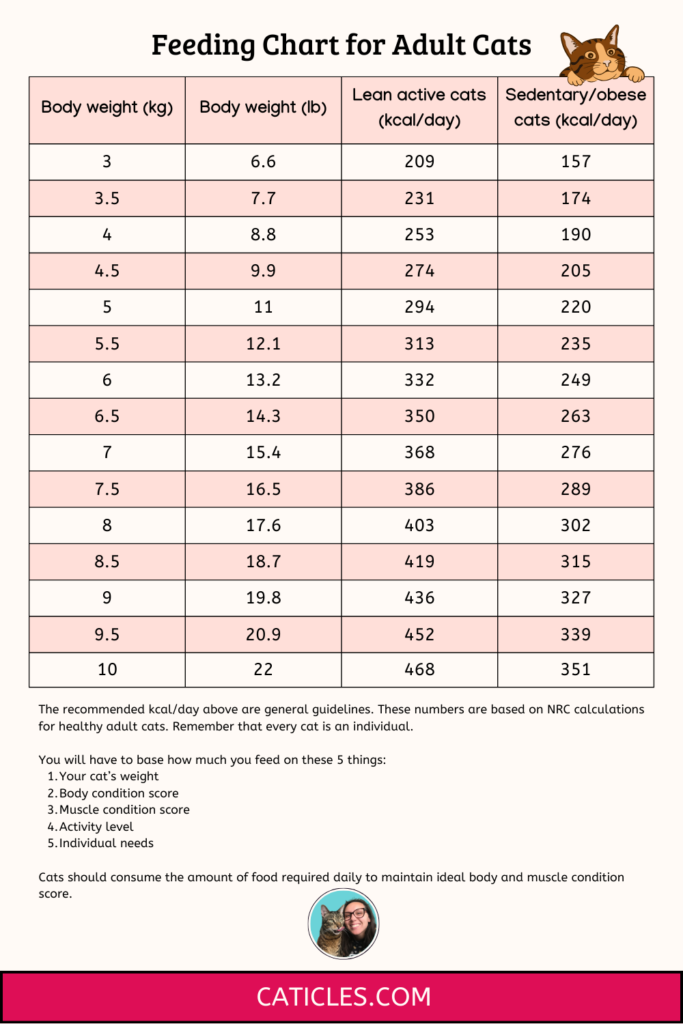
Credit: serasi.tech
Frequently Asked Questions
Is 1/2 Cup Of Food A Day Enough For A Cat?
1/2 cup of food daily might not be enough for a cat. Nutritional needs vary by age, weight, and activity. Consult a veterinarian for tailored feeding recommendations. Ensure your cat receives a balanced diet to maintain optimal health.
How Much Food Should A Cat Be Fed Per Day?
Feed an average adult cat 20 calories per pound of body weight daily. For example, a 10-pound cat needs about 200 calories. Check the cat food label for serving guidelines. Adjust based on activity level, age, and health. Always consult a vet for personalized advice.
What Is The 25 Rule For Cat Food?
The 25% rule states that cat food labeled as containing a specific ingredient must include at least 25% of that ingredient. This guideline helps ensure transparency in pet food labeling, allowing owners to understand what their cats are consuming.
Is 2 Meals A Day Enough For A Cat?
Yes, two meals a day can be enough for a cat. Portion size matters for maintaining a healthy weight. Consult your vet for specific dietary needs based on age, health, and activity level. Ensure fresh water is always available. Regular feeding routines help cats feel secure and balanced.
How Much Should I Feed My Cat Daily?
Feed your cat 1/4 to 1/2 cup of dry food daily. Adjust based on age and activity.
Conclusion
Feeding your cat the right amount is important. It keeps them healthy and happy. Use the feeding chart as a guide. Adjust based on your cat’s age, weight, and activity level. Always check with your vet if unsure. They can offer personalized advice.
Proper nutrition helps cats live longer, healthier lives. Remember to provide fresh water daily. Watch for any changes in weight or appetite. These could signal health issues. Feed your cat well, and they’ll thrive. A well-fed cat is a happy cat.
Your furry friend deserves the best care possible. Keep them healthy.

Hi, I’m Taylor Morgan, the heart behind CATWhisk! As a lifelong cat enthusiast with a passion for feline care and behavior, I focus on providing reliable, practical, and engaging advice to cat parents everywhere. From health tips to fun DIY projects, my mission is to help you and your whiskered companions live your best lives together.