
Last Updated on April 28, 2026
Are you tired of the constant struggle with indoor pests? The endless cycle of spraying harmful chemicals, only to find these unwelcome guests returning time and again?
It’s time to break free from this frustrating routine. Understanding why pests invade your home and discovering effective solutions can save you time, effort, and the peace of mind you deserve. We’ll explore the reasons behind indoor pest problems, offer quick fixes that deliver immediate relief, and discuss long-term strategies to keep your home pest-free.
Imagine a living space where you no longer have to worry about creepy crawlies or the health risks associated with chemical sprays. Dive in to learn how you can create a safe, comfortable, and pest-free environment for you and your family.

Credit: www.facebook.com
Immediate Alternatives To Indoor Spraying
Spraying indoors can bring quick relief. But it often leads to more problems. Health risks and environmental harm are common issues. Exploring immediate alternatives is crucial. These alternatives are safer and effective.
Natural Repellents
Natural repellents are a safe choice. Essential oils like peppermint work well. They repel insects without harming your home. Mix a few drops with water. Spray the mixture in problem areas. This method is both easy and effective.
Traps And Baits
Traps and baits offer a non-toxic solution. Sticky traps capture insects without chemicals. Place them in corners and dark spots. Baits attract pests and eliminate them. They work slowly but efficiently.
Seal Entry Points
Preventing entry is key to keeping pests out. Examine your home for cracks and gaps. Use caulk or weather-stripping to seal them. This stops pests from entering. It is a long-term and effective solution.
Regular Cleaning
Cleanliness deters pests. Regular cleaning removes food sources and hiding spots. Vacuum floors and wipe counters daily. Keep trash bins sealed and emptied often. This reduces the attraction for pests.
Using Barriers
Physical barriers block pests effectively. Use door sweeps and window screens. They stop insects from entering. Barriers are simple yet efficient. They protect your home without chemicals.
Long-term Pest Prevention Strategies
Pests can be a nuisance, causing damage and health risks indoors. While quick fixes provide immediate relief, long-term strategies ensure a pest-free environment. Implementing these strategies requires dedication, but they offer lasting peace of mind.
Seal Entry Points
Pests often enter through gaps and cracks. Inspect your home thoroughly. Identify potential entry points. Seal them using caulk or weatherstripping. Regularly check doors and windows. This simple task stops pests from invading.
Maintain Cleanliness
Clean homes deter pests. Keep floors and surfaces tidy. Avoid leaving food out. Store items in sealed containers. Regularly take out trash. A clean environment is less attractive to pests.
Landscaping Practices
Proper landscaping can prevent pests. Trim bushes and trees near your home. Keep grass short and tidy. Remove debris and standing water. These practices reduce habitats for pests.
Regular Inspections
Inspect your home regularly. Look for signs of pests. Check hidden areas, like basements and attics. Early detection prevents infestations. Schedule professional inspections yearly for thorough checks.
Use Natural Predators
Encourage natural predators. Birds and insects can control pests. Plant flowers that attract beneficial insects. Install birdhouses to invite birds. Nature can help maintain balance.
Invest In Pest-resistant Materials
Choose pest-resistant materials for home projects. Consider treated wood for construction. Use metal or plastic for storage. These materials withstand pest damage better. They offer long-term protection.
Natural And Eco-friendly Solutions
Spraying indoors can be a persistent issue. Many seek solutions that don’t harm the environment. Natural and eco-friendly methods are gaining popularity. They offer safe alternatives without harmful chemicals. Let’s explore how these solutions can help keep your home fresh and clean.
Homemade Vinegar Solutions
Vinegar is effective against odors and stains. It neutralizes smells and cleans surfaces. Mix vinegar with water in a spray bottle. Use it to tackle tough spots on furniture or floors. This simple solution is both safe and cost-effective.
Baking Soda Deodorizer
Baking soda absorbs unwanted odors. Sprinkle it on carpets and let it sit. Vacuum it after a few hours for a fresh scent. For a quicker fix, place bowls of baking soda around the home. It’s a natural way to keep indoor spaces smelling pleasant.
Essential Oils Air Freshener
Essential oils offer a natural fragrance boost. Add a few drops to a spray bottle with water. Lavender or lemon are popular choices. Spray the mix around the room for a calming aroma. It’s a chemical-free alternative to commercial fresheners.
Plants As Air Purifiers
Indoor plants improve air quality naturally. They absorb toxins and release oxygen. Spider plants and peace lilies are excellent options. Place them in various rooms for enhanced air purity. This not only freshens the air but adds beauty to your space.
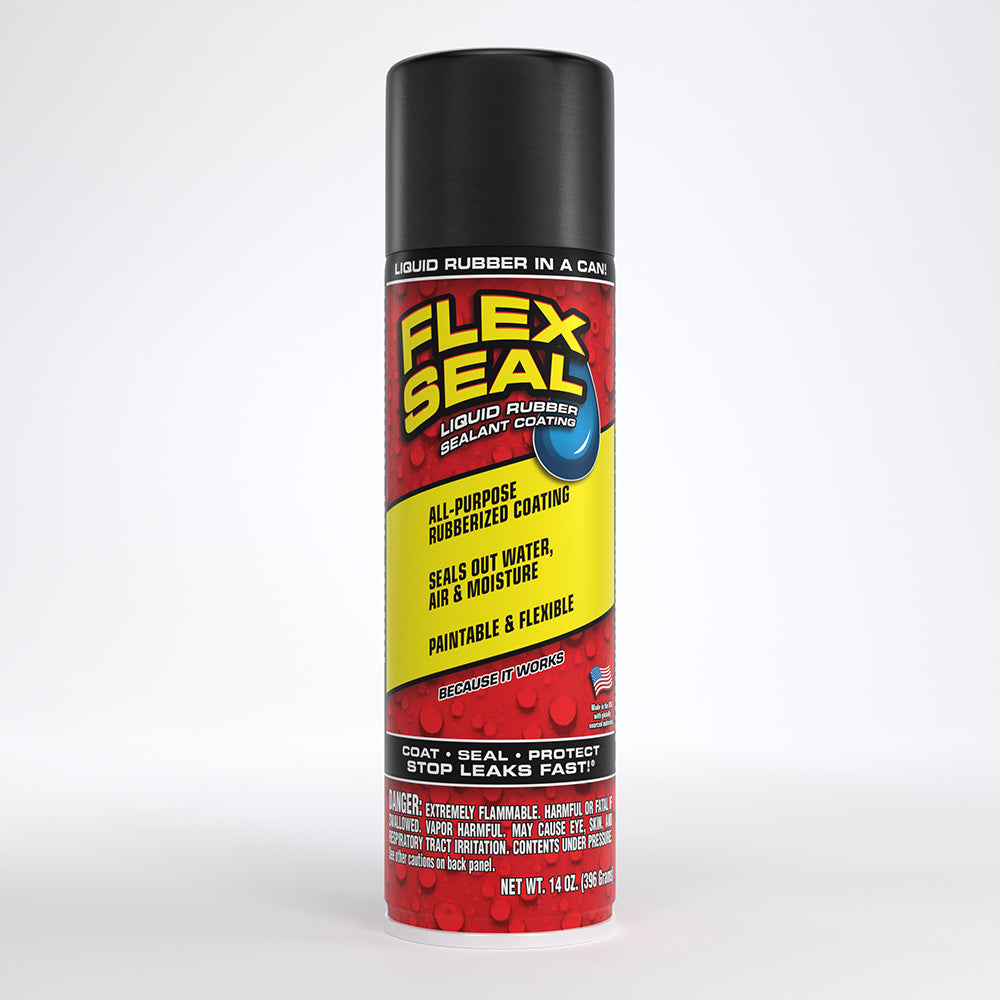
Credit: flexsealproducts.com
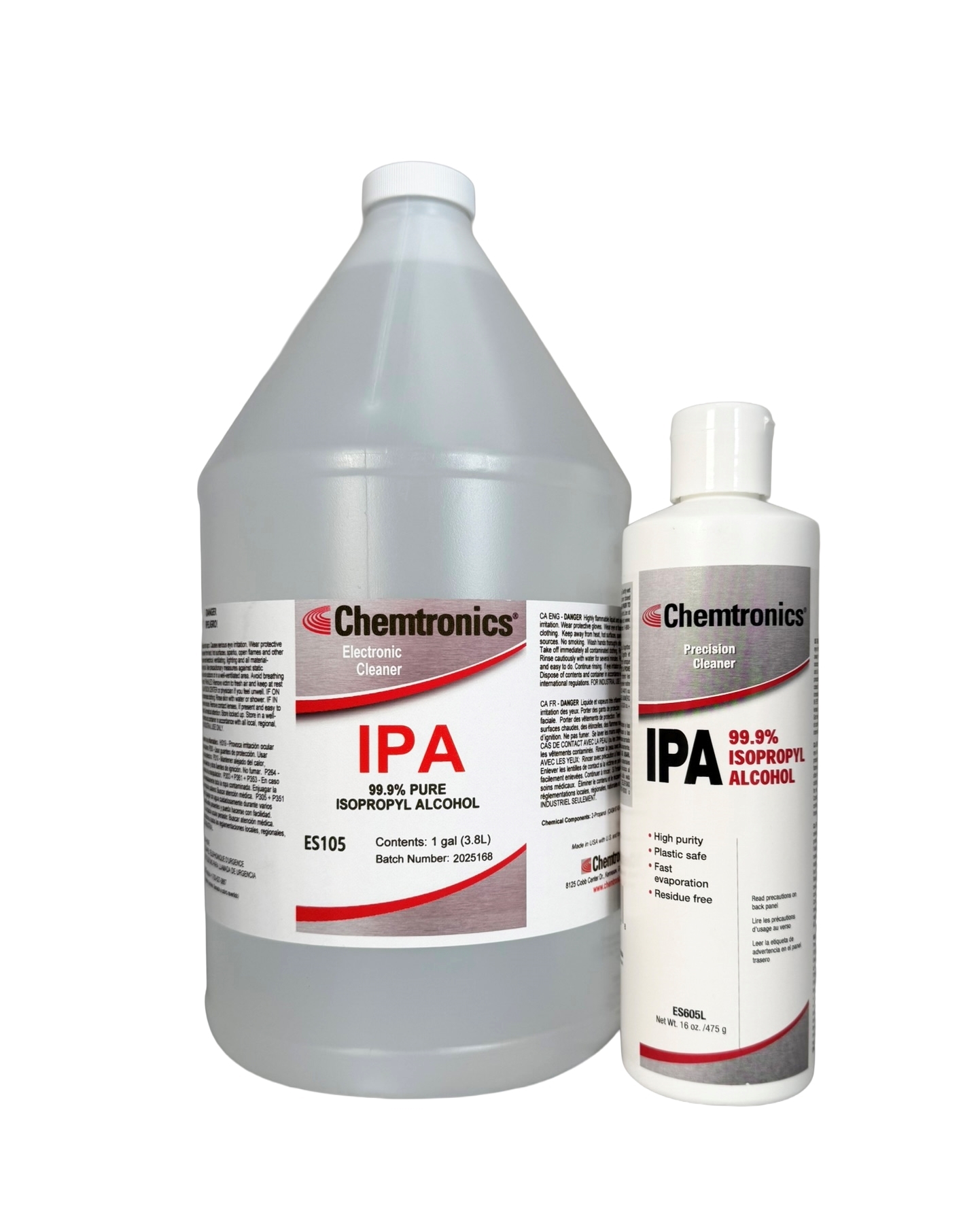
Credit: www.chemtronics.com
Frequently Asked Questions
Can You Train A Male Cat Not To Spray In The House?
Yes, you can train a male cat not to spray indoors. Neuter him early, ensure a clean litter box, and reduce stress. Use positive reinforcement to encourage good behavior. Consider consulting a vet or behaviorist for persistent issues.
How Long Does It Take For A Cat To Stop Spraying After Getting Fixed?
Cats may stop spraying immediately after being fixed, but it can take up to six months. Hormonal changes influence this timeline. Ensure a stress-free environment to aid the process. Consult a vet if spraying persists beyond six months for further guidance.
How Do I Get To Stop Spraying?
Reduce spraying by identifying the pest problem first. Use natural repellents or traps. Maintain a clean environment to deter pests. Consider professional pest control for severe issues.
What Home Remedy Can I Use To Stop My Cat From Spraying Indoors?
Clean sprayed areas with vinegar and water to neutralize odor. Use citrus scents to deter your cat.
Why Should You Stop Spraying Indoors?
Indoor spraying harms air quality and can cause health issues. It often doesn’t solve pest problems long-term.
Conclusion
Preventing indoor spraying is crucial for a clean home. Quick fixes provide immediate relief. Long-term solutions ensure lasting peace. Identify triggers to address the root cause. Maintain consistent cleaning habits. Use natural deterrents for safety. Consult experts for persistent issues.
Indoor spraying disrupts harmony. Act now to restore comfort. Your home deserves a fresh start. Simple changes make a big difference. A pest-free space is achievable. Stay committed to these strategies. Enjoy a healthier living environment. Feel empowered to keep pests away.
Embrace these solutions for lasting benefits. Your home can be pest-free.

Hi, I’m Taylor Morgan, the heart behind CATWhisk! As a lifelong cat enthusiast with a passion for feline care and behavior, I focus on providing reliable, practical, and engaging advice to cat parents everywhere. From health tips to fun DIY projects, my mission is to help you and your whiskered companions live your best lives together.