Last Updated on June 17, 2026
Imagine the soft, luxurious feel of your long-haired cat’s fur gliding through your fingers. It’s a delightful experience, isn’t it?
But when that silky fur turns into tangled mats, it can be frustrating for both you and your feline friend. You might wonder how to keep their coat in perfect condition without turning grooming sessions into a battle. The secret lies in using the right tools, mastering easy techniques, and preventing those pesky mats before they even form.
In this guide, you’ll discover exactly how to do just that, ensuring your cat stays comfortable and their coat remains stunningly beautiful. Get ready to transform your grooming routine into a stress-free, bonding experience that both you and your cat will love.

Credit: www.amazon.com
Choosing The Right Tools
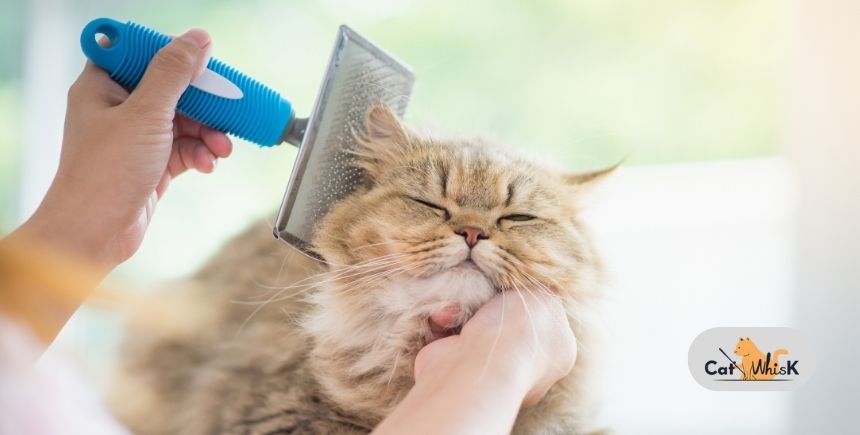
Proper grooming of a long-haired cat requires the right tools. Use a slicker brush to remove tangles. A wide-tooth comb helps in mat prevention. Regular brushing keeps your cat’s coat healthy and shiny.
Choosing the right tools for grooming your long-haired cat can make all the difference in maintaining a healthy and tangle-free coat. With so many options available, it might seem overwhelming at first. However, understanding the specific needs of your furry friend will guide you in making the best choices. Let’s dive into the essentials that will keep your cat looking and feeling their best.
Understanding Your Cat’s Coat Type
Not all long-haired cats are the same. Some have thick, double-layered coats, while others might have silky, single layers. Knowing your cat’s coat type helps in selecting the right tools. A slicker brush might work wonders for one cat, while a wide-tooth comb is better for another.
Essential Tools For Grooming
Every cat grooming toolkit should have a few key items. A slicker brush is perfect for removing loose fur and preventing mats. A steel comb is excellent for those tricky spots and finishing touches. Don’t forget a dematting tool for stubborn tangles. These tools can make grooming sessions smoother for both you and your cat.
Choosing The Right Brush
Choosing the right brush is crucial. A slicker brush is great for detangling and can help prevent mats from forming. However, if your cat has sensitive skin, a soft bristle brush might be more comfortable. Keep your cat’s comfort in mind when selecting brushes, and consider trying different types to see what works best.
Importance Of A Good Comb
A good comb can complement your brushing routine. Wide-tooth combs are ideal for gently working through knots and tangles without pulling on your cat’s skin. Regular combing sessions can prevent painful mats from forming, keeping your cat happy and stress-free.
Bonus Tools For Effortless Grooming
There are additional tools that can enhance your grooming routine. Grooming gloves can be a gentle way to remove loose hair while petting your cat. Mat splitters can be invaluable for stubborn tangles that are tough to manage. These tools can save time and make grooming a pleasant experience for both you and your cat. Choosing the right tools is not just about convenience—it’s about creating a comfortable and enjoyable grooming experience. Have you found a tool that your cat loves? Share your experiences and help fellow cat owners in the comments!
Credit: blog.homesalive.ca
Brushing Techniques
Proper brushing techniques are vital for maintaining a long-haired cat’s coat. Regular grooming prevents mats and tangles, keeping your pet comfortable. Understanding different methods can make the brushing process smoother.
Use Gentle Strokes
Start with gentle strokes to avoid pulling your cat’s fur. This helps in reducing discomfort and makes the cat more relaxed. Always brush in the direction of hair growth.
Divide The Coat Into Sections
Divide the fur into small sections for thorough brushing. Focus on one section at a time for efficient grooming. This ensures every part of the coat is attended to.
Work From Neck To Tail
Begin brushing at the neck and move toward the tail. This method helps in organizing the brushing routine. It ensures a comprehensive grooming session.
Address Tangles Promptly
Identify and address tangles as you brush. Gently work through knots with a comb or detangling brush. Avoid forceful brushing to prevent pain.
Regular Sessions
Schedule regular brushing sessions to prevent mat formation. Frequent grooming keeps the coat healthy and shiny. It also strengthens the bond with your pet.
Maintaining A Mat-free Coat
Brushing a long-haired cat keeps its coat mat-free. Use a wide-toothed comb and slicker brush. Regular grooming reduces tangles and prevents mats.
Maintaining a mat-free coat for your long-haired cat isn’t just about aesthetics; it’s crucial for their comfort and health. Mats can pull on their skin, leading to irritation or even infections. Regular grooming can prevent these issues, making your cat happier and more comfortable. Let’s dive into the essentials of keeping your cat’s coat smooth and free of tangles.
Regular Brushing Routine
Consistency is key when it comes to brushing a long-haired cat. Aim to brush your cat at least three times a week. This prevents tangles from forming and keeps their coat healthy. Choose a time when your cat is relaxed, perhaps after a meal or playtime. This way, they associate brushing with positive experiences. Not all brushes are created equal. For long-haired cats, a slicker brush and a wide-toothed comb work wonders. The slicker brush helps remove loose fur and prevents mats from forming. The wide-toothed comb tackles deeper tangles without pulling on the skin.
Techniques For Effective Grooming
Start brushing from the head and move toward the tail in short, gentle strokes. This mimics natural grooming and feels comfortable for your cat. If you encounter a knot, don’t yank it. Hold the base of the fur near the skin, then gently tease out the tangle.
Pay Attention To Problem Areas
Cats often develop mats in specific areas, like under the legs or behind the ears. Check these spots regularly. Feel for any bumps in the fur. If you find a mat, gently work through it before it becomes a bigger problem.
Using Detangling Sprays
Detangling sprays can be lifesavers for stubborn mats. Look for cat-safe products that soften the fur and ease brushing. Spray lightly on the mat, wait a few minutes, then gently brush through. This can help avoid unnecessary pulling.
Understanding Your Cat’s Needs
Not all cats enjoy grooming. Watch your cat’s behavior and adapt your routine accordingly. If your cat gets agitated, give them a break. Reward them with treats or praise after a successful session.
Professional Help
Sometimes, mats can be too tough to handle alone. Don’t hesitate to seek professional grooming help. A groomer can safely remove stubborn mats without causing discomfort to your cat. Plus, they can offer tips tailored to your cat’s coat type.
Ask Yourself: Are You Doing Enough?
Reflect on your grooming routine. Are you brushing often enough? Are you using the right tools? Your cat depends on you to keep their coat in top shape. Assess your approach, and make adjustments for the best results. By maintaining a regular grooming routine with the right tools and techniques, you can ensure your cat’s coat remains mat-free. This contributes to their overall well-being and strengthens the bond you share.

Credit: www.amazon.com
Frequently Asked Questions
How To Prevent Mats In Long-haired Cats?
Brush your cat daily to prevent mats. Use a detangling spray for easier grooming. Trim problem areas like underarms and belly. Regularly check for knots and tangles. Consult a professional groomer if mats persist.
What Is The Best Tool To Groom A Long-haired Cat?
The best tool for grooming a long-haired cat is a slicker brush. It effectively removes tangles and loose fur. Regular use prevents matting and keeps your cat’s coat healthy and shiny. Choose a brush with fine, flexible bristles for gentle grooming.
How To Groom A Long-haired Cat With Matted Fur?
Gently comb the fur to remove loose hair. Use a detangling spray or conditioner to ease mats. Carefully cut out stubborn mats with scissors. Regularly brush to prevent future tangles. Consult a vet if mats are severe.
How To Properly Brush A Long-haired Cat?
Brush your long-haired cat gently using a wide-toothed comb. Remove tangles and mats carefully to avoid hurting your cat. Regular brushing prevents knots and reduces shedding. Pay extra attention to areas prone to matting, like underarms and belly. Finish with a soft bristle brush for a smooth coat.
What Tools Are Best For Brushing Long-haired Cats?
Use a slicker brush and a wide-tooth comb. These prevent tangles and remove loose fur efficiently.
Conclusion
Caring for a long-haired cat requires the right tools and techniques. Regular brushing prevents painful mats and keeps fur shiny. Choose a gentle brush for best results. Focus on areas prone to tangles, like the belly and behind the ears.
Consistent grooming sessions strengthen your bond with your cat. Plus, they help you spot any skin issues early. Remember, patience and gentleness make grooming a pleasant experience. With these tips, your cat stays comfortable and happy. Enjoy the process and cherish the moments together.
Your cat deserves the best care.

Hi, I’m Taylor Morgan, the heart behind CATWhisk! As a lifelong cat enthusiast with a passion for feline care and behavior, I focus on providing reliable, practical, and engaging advice to cat parents everywhere. From health tips to fun DIY projects, my mission is to help you and your whiskered companions live your best lives together.