

Last Updated on February 18, 2026
Have you ever noticed your cat scratching excessively and wondered if fleas could be the culprit? If you’re concerned about whether fleas can make your beloved feline friend sick, you’re not alone.
Understanding the impact of these tiny pests on your cat’s health is crucial. Fleas might seem like a mere annoyance, but they can lead to serious health issues for your cat if not dealt with promptly. As a cat owner, you want to ensure your furry companion stays healthy and happy, free from discomfort and illness.
Dive into this article to uncover the surprising effects fleas can have on your cat’s well-being and learn how to protect your pet from these pesky invaders. Your cat’s health is worth it!
Credit: www.whiskerdocs.com
Contents
Flea Infestations In Cats
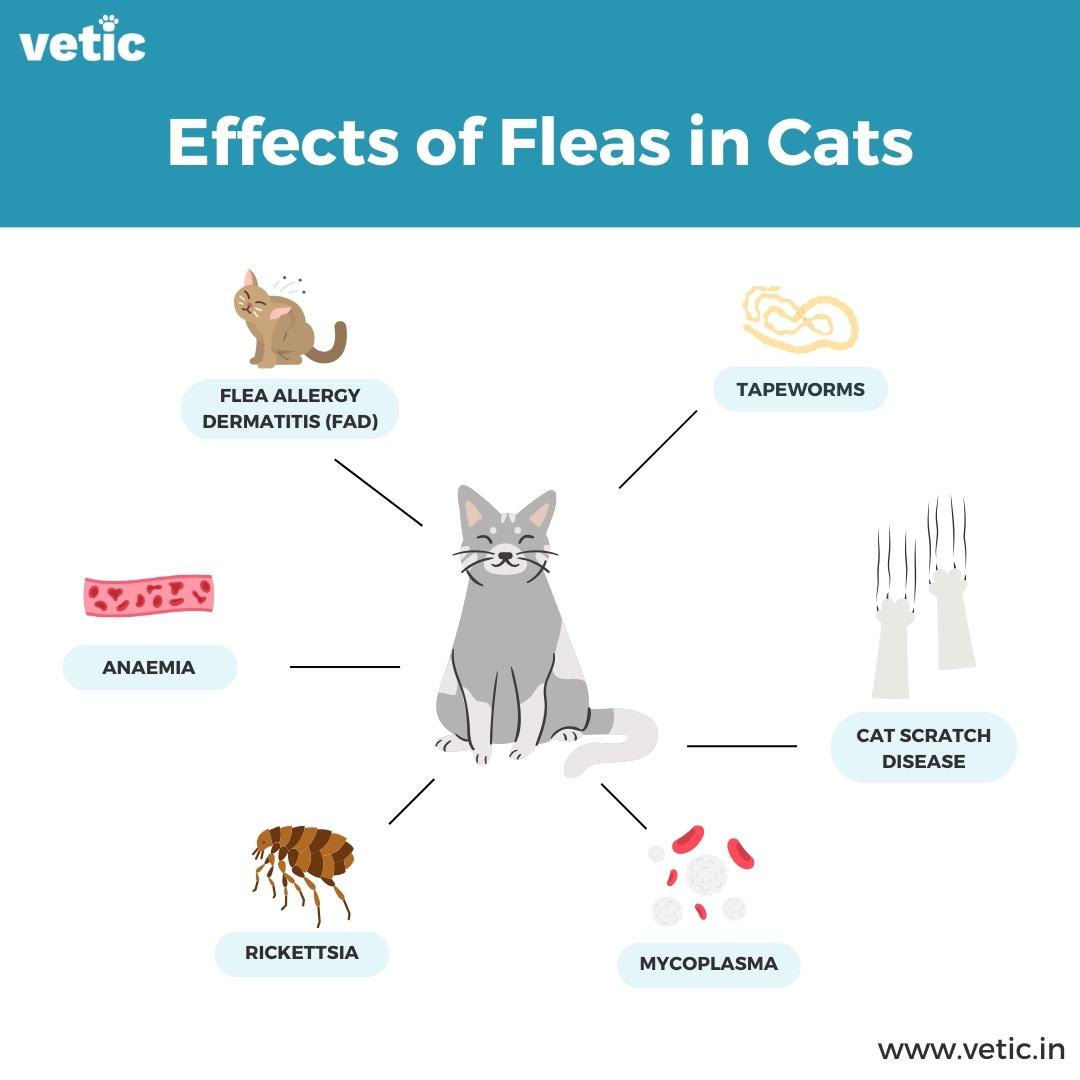
Fleas can seriously harm a cat’s health. These tiny pests cause itching, skin infections, and even anemia. Cats may also develop tapeworms from swallowing infected fleas. Regular flea control is essential to keep your feline friend healthy and comfortable.
Flea Infestations in Cats Fleas are more than just a nuisance for cats; they can lead to serious health issues. These tiny pests can quickly multiply, turning a minor problem into a full-blown infestation. It’s crucial to understand how fleas impact your cat’s well-being and what steps you can take to protect them.
Understanding Flea Behavior
Fleas are notorious for their rapid reproduction. A single flea can lay up to 50 eggs in one day. This means your cat can go from having a few fleas to hundreds in no time. The worst part? Fleas spend most of their life cycle in your home, not on your cat.
Health Risks Associated With Fleas
Fleas can cause more than just itching. They can lead to skin infections, allergic reactions, and even anemia in severe cases. Anemic cats may appear lethargic, have pale gums, and show decreased appetite. It’s a reminder of how something so small can have a big impact.
Signs Your Cat Might Have Fleas
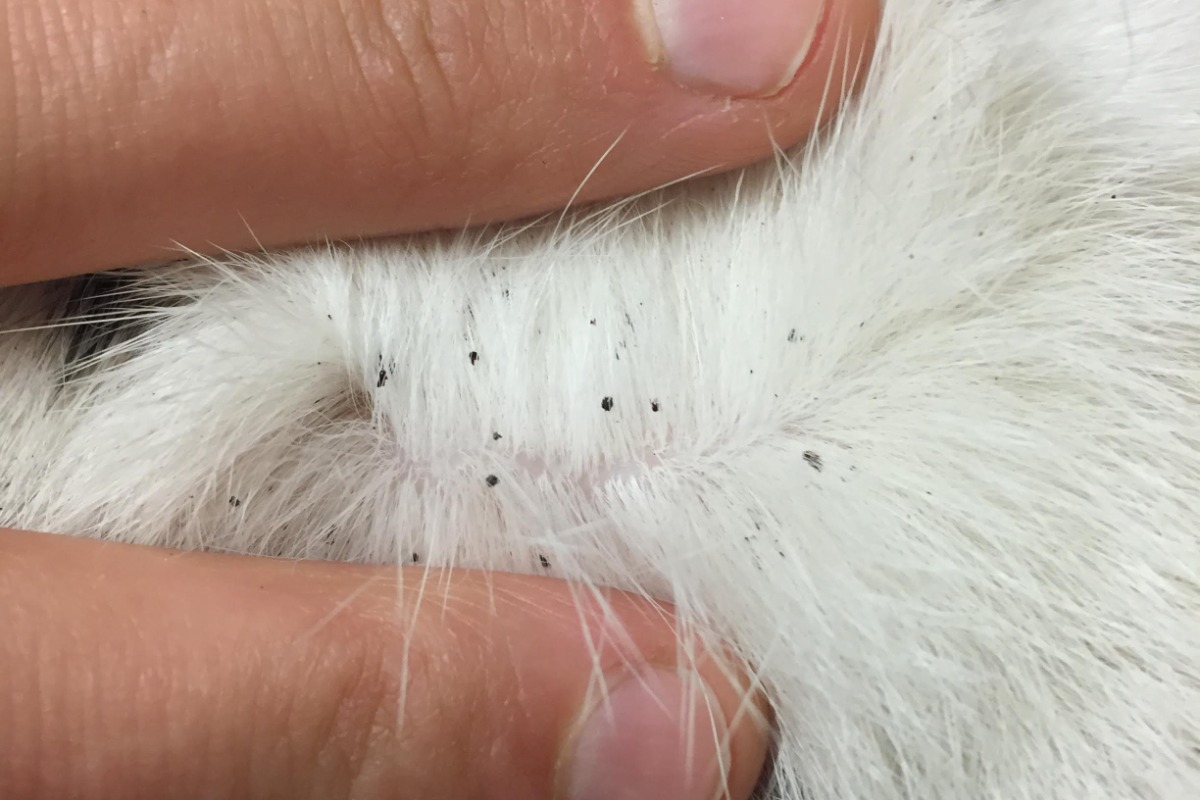
Look for excessive scratching, biting, or grooming. Fleas leave behind “flea dirt,” which looks like tiny black specks on your cat’s skin. You might also notice hair loss or scabs from constant irritation. Regularly checking your cat can help catch a flea problem early.
Effective Flea Prevention
Prevention is better than cure. Regular flea treatment is essential, especially if your cat spends time outdoors. Consult your vet for the best options. Keep your home clean by vacuuming often and washing your cat’s bedding. This reduces the chances of fleas taking over.
Personal Experience With Flea Infestations
I once ignored my cat’s scratching, thinking it was just dry skin. A week later, my home was overrun with fleas. It taught me that taking immediate action is vital. Don’t wait until it gets out of control. Your cat’s health and comfort depend on your vigilance.
Do Fleas Affect Indoor Cats?
Yes, even indoor cats aren’t safe from fleas. Fleas can hitch a ride on humans or other pets, entering your home unnoticed. It’s a common misconception that indoor cats are immune to flea problems. Regular checks and treatments are necessary regardless of your cat’s lifestyle. What steps will you take today to ensure your cat stays flea-free? Remember, the health of your furry friend is in your hands.
Health Risks From Fleas
Fleas are more than just a nuisance for cats. These tiny parasites pose significant health risks. They can lead to serious health issues if not addressed promptly. Understanding these risks is crucial for every cat owner. Prevention and timely treatment play a key role in safeguarding your pet’s health.
How Fleas Cause Anemia
Fleas feed on your cat’s blood. A large infestation can lead to anemia. This is a condition where there are not enough red blood cells. Anemic cats may appear weak or tired. You might notice pale gums or a rapid heartbeat. Immediate vet consultation is essential.
Flea Allergy Dermatitis
Some cats are allergic to flea saliva. This causes flea allergy dermatitis. It leads to intense itching and discomfort. Your cat might scratch or bite their skin excessively. This can result in hair loss and open sores. These sores can become infected if left untreated.
Transmission Of Tapeworms
Fleas can carry tapeworm larvae. Cats ingest fleas during grooming. This can lead to tapeworm infections. Signs include weight loss and irritation around the anus. You might see segments in your cat’s feces. Regular deworming is recommended to prevent this.
Risk Of Bartonella Infection
Bartonella bacteria, spread by fleas, cause cat scratch fever. It affects both cats and humans. Infected cats may show no symptoms. But they can pass it to humans through scratches or bites. Maintaining a flea-free environment is vital to reduce risks.
Secondary Skin Infections
Flea bites cause itching and irritation. Cats scratch excessively, leading to skin damage. Open wounds may develop, which can get infected. Bacterial infections require medical treatment. Preventing fleas helps avoid these secondary complications.
Fleas can cause health problems in cats, like anemia, allergic reactions, or tapeworm infections. These tiny pests can harm a cat’s well-being significantly. Keeping cats flea-free helps prevent illness and promotes health.
Preventing flea-related illnesses in cats is crucial to ensure their health and happiness. Fleas aren’t just a minor nuisance; they can lead to serious health issues if not addressed promptly. Taking proactive measures to protect your feline friend from these tiny pests can make a significant difference in their overall well-being.
Regular Grooming And Inspection
Regular grooming is your first line of defense against fleas. Brush your cat frequently to remove any flea eggs or larvae. While grooming, inspect their fur and skin for signs of fleas. Look out for flea dirt, which resembles small black specks. A flea comb can be particularly useful for catching these pests early.
Maintain A Clean Environment
A clean environment is essential for preventing flea infestations. Vacuum your home regularly, especially areas where your cat spends most of their time. Wash your cat’s bedding weekly in hot water. Consider using flea-preventive sprays or powders on carpets and furniture.
Use Flea Preventive Products
Flea preventive products are effective tools in your arsenal. Options include spot-on treatments, oral medications, and flea collars. Consult with your veterinarian to select the best product for your cat. Remember, not all flea products are suitable for every cat, so professional guidance is crucial.
Outdoor Precautions
If your cat ventures outdoors, take extra precautions. Keep your yard tidy by mowing regularly and removing debris. Fleas thrive in tall grass and piles of leaves. Consider setting up a flea trap or using insect growth regulators in your garden. These steps can reduce the risk of fleas hitching a ride on your cat.
Monitor Your Cat’s Health
Stay vigilant about your cat’s health. Fleas can cause anemia, allergic reactions, and transmit diseases. If your cat shows signs of lethargy, scratching excessively, or has red irritated skin, it might be time for a vet visit. Early intervention can prevent serious flea-related illnesses.
Engage Your Cat In Play
Engage your cat in regular play sessions. Active cats tend to be healthier and less prone to flea-related issues. Provide toys and interactive activities to keep them moving. This not only boosts their immune system but also helps in spotting any unusual behavior that might indicate a flea problem. Consider these strategies as essential steps in keeping your cat flea-free. By implementing them, you’re not just preventing flea infestations but also safeguarding your cat’s health. How would you feel knowing your furry friend is safe and sound?
Credit: vetic.in

Credit: propertiesanimalclinic.com
Frequently Asked Questions
How Sick Can Cats Get From Fleas?
Cats can get very sick from fleas. They may suffer from anemia, tapeworms, or allergic reactions. Fleas can cause severe itching, leading to skin infections. In young or weak cats, heavy flea infestations can be life-threatening. Regular flea prevention is crucial for your cat’s health.
How Do I Know If Fleas Are Killing My Cat?
Check for signs like excessive scratching, hair loss, pale gums, lethargy, and black specks in fur. Consult a vet immediately if these symptoms appear to ensure proper treatment and prevent severe health issues.
Can Fleas Make A Cat Throw Up?
Yes, fleas can cause a cat to vomit. Flea bites may lead to irritation and allergic reactions. This can stress the cat’s digestive system. Fleas can also carry parasites like tapeworms, which may result in vomiting. Regular flea prevention helps maintain a cat’s overall health.
What Are The Symptoms Of Flea Fever In Cats?
Cats with flea fever may show signs like fever, lethargy, swollen lymph nodes, and loss of appetite. Watch for excessive grooming or scratching. Prompt veterinary care can help manage symptoms and prevent complications. Regular flea control measures are essential for prevention.
Conclusion
Fleas can indeed make your cat sick. They cause discomfort and health issues. Regular checks and treatments are crucial. Flea infestations lead to anemia and infections. Cats can develop allergic reactions. Keeping your cat’s environment clean is vital. Consult a vet for the best flea prevention methods.
This ensures your cat stays healthy and happy. A proactive approach is key. Protect your furry friend from these tiny pests. Your cat’s well-being depends on it. Stay informed and take action early. Your cat deserves the best care possible.

Hi, I’m Taylor Morgan, the heart behind CATWhisk! As a lifelong cat enthusiast with a passion for feline care and behavior, I focus on providing reliable, practical, and engaging advice to cat parents everywhere. From health tips to fun DIY projects, my mission is to help you and your whiskered companions live your best lives together.