Last Updated on June 17, 2026
Your beloved feline friend has always been a source of joy and companionship, but lately, you’ve noticed some changes in their behavior and health. Perhaps they’re drinking more water, losing weight, or just not as lively as they used to be.
These could be signs of diabetes, a condition that affects not only humans but also our furry companions. Understanding diabetes in cats can feel overwhelming, but it doesn’t have to be. We’ll delve into the symptoms you should look out for, the basics of insulin treatment, and how to manage your cat’s daily routine to keep them healthy and happy.
By the end, you’ll feel empowered and equipped with the knowledge to provide the best care for your diabetic cat. So, if you’re ready to take control and ensure your kitty’s well-being, read on to discover the essentials of managing diabetes in cats.
Credit: www.banfield.com
Recognizing Feline Diabetes
Understanding feline diabetes is crucial for cat owners. Cats with diabetes may show subtle signs that are easy to overlook. Recognizing these symptoms early can make a big difference in managing their health. Let’s explore the key signs that may indicate your cat is suffering from diabetes.
Increased Thirst And Urination
One of the first signs of feline diabetes is increased thirst. You might notice your cat drinking more water than usual. This often leads to more frequent urination. Keep an eye on their litter box habits. An increase in urine could be a red flag.
Unexplained Weight Loss
Weight loss in cats with a good appetite is concerning. Diabetic cats often eat well but lose weight. This happens because their bodies can’t process glucose properly. They start burning fat for energy, leading to weight loss.
Lethargy And Weakness
Diabetes can cause lethargy in cats. Your cat may seem less active or playful. They might also appear weak or tired. This lack of energy is due to their body’s inability to use glucose effectively.
Changes In Appetite
Diabetes can affect a cat’s appetite. Some cats may eat more than usual, while others may eat less. Watch for any sudden changes in their eating habits. These can be important clues.
Sweet-smelling Breath
Pay attention to your cat’s breath. A sweet or fruity odor can be a sign of diabetes. This unusual smell is caused by the presence of ketones in their breath. Ketones appear when the body burns fat instead of glucose.
Unkempt Coat
Cats with diabetes may have an unkempt or dull coat. Grooming habits can decline, leading to a messy appearance. This change occurs because your cat lacks the energy to maintain their usual grooming routine.

Credit: m.tuftsvets.org
Key Symptoms In Cats
Understanding the key symptoms of diabetes in cats is crucial. Early detection can make a significant difference in managing the disease effectively. Cats often exhibit subtle signs that may go unnoticed. Being aware of these symptoms helps in seeking timely veterinary care.
Increased Thirst
Cats with diabetes often drink more water than usual. This is a common symptom that may be overlooked. You might notice frequent visits to the water bowl. Increased thirst is a clear indicator of potential diabetes.
Frequent Urination
Diabetic cats urinate more often. This is due to high glucose levels in the blood. Excessive urination can lead to dehydration. Pay attention to litter box usage. It might be necessary to clean the litter box more often.
Weight Loss
Unexpected weight loss can signal diabetes in cats. Despite a normal or increased appetite, a diabetic cat may lose weight. This occurs because the body cannot use sugar for energy. Weight loss, combined with increased hunger, needs immediate attention.
Fatigue And Lethargy
Diabetes can make cats feel tired. You might notice less activity or interest in play. Lethargy is a concerning symptom. It often accompanies other signs. If your cat seems unusually sluggish, consult a vet.
Vomiting
Diabetic cats may experience bouts of vomiting. This can be sporadic or frequent. Vomiting, combined with other symptoms, indicates a health issue. It disrupts normal digestion and requires veterinary advice.
Unkempt Coat
An unkempt coat can be a sign of diabetes. Cats may groom less due to feeling unwell. Their fur might appear dull or greasy. Changes in grooming habits often point to underlying health problems.
Insulin Treatment Basics
Diabetes in cats needs careful attention. Insulin treatment helps manage blood sugar levels effectively. Daily routines, including regular feeding and monitoring, support your pet’s health.
Managing diabetes in cats can feel overwhelming, especially when it comes to insulin treatment. But understanding the basics can make a world of difference in your furry friend’s health. Insulin is crucial for controlling blood sugar levels, and with the right approach, you can ensure your cat lives a happy and healthy life. Let’s dive into the essentials of insulin treatment.
Understanding Insulin Types
Insulin isn’t one-size-fits-all. There are different types, such as long-acting and short-acting insulin. Your vet will choose the best type for your cat based on their needs. It’s important to stick to the prescribed type to avoid complications. Have you ever switched something for your pet and seen a change? Consistency is key.
Proper Insulin Administration
Administering insulin might seem daunting at first, but practice makes perfect. Always use a fresh syringe and inject in the fatty tissue under your cat’s skin. This helps the insulin absorb effectively. Remember, your calm demeanor can help your cat stay relaxed during injections. Think of it as a bonding moment rather than a chore.
Timing And Dosage
Insulin must be given at the right time and dosage. Usually, it’s twice a day, but your vet will give you precise instructions. Maintaining a schedule keeps your cat’s blood sugar stable. Have you ever noticed how a routine can soothe your pet? Just like meal times, consistent insulin administration is comforting.
Monitoring Blood Sugar Levels
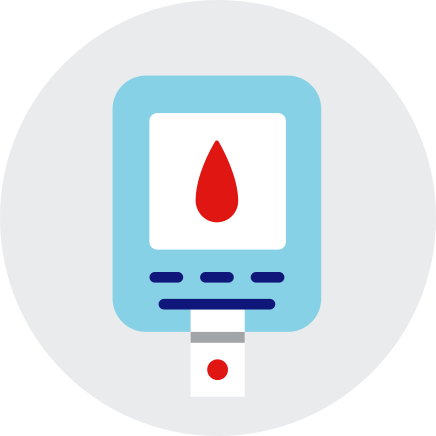
Regularly check your cat’s blood sugar levels to ensure they’re within a healthy range. This can be done at home with a glucometer. It might sound technical, but it’s straightforward once you get the hang of it. Seeing stable levels can be incredibly rewarding, knowing you’re actively contributing to your cat’s well-being.
Adjusting The Treatment Plan
Changes in your cat’s lifestyle or health might require adjustments in their insulin plan. Keep an open line of communication with your vet. They’re your best ally in managing diabetes. Ever had a situation where you had to pivot quickly for your pet’s health? Flexibility and vigilance are crucial. As you navigate this journey, remember that you’re not alone. Many cat owners have successfully managed diabetes with the right knowledge and support. What steps will you take today to ensure your cat’s health?

Credit: www.cdc.gov
Frequently Asked Questions
How Many Times A Day Does A Diabetic Cat Need Insulin?
Diabetic cats typically need insulin twice daily. Each dose is usually spaced 12 hours apart. Consult your vet for specific guidance based on your cat’s condition. Regular monitoring helps manage insulin levels effectively. Always follow professional advice for your pet’s health.
How Do Cats Act When Their Sugar Is High?
Cats with high blood sugar may show increased thirst, frequent urination, lethargy, and loss of appetite. They might also display weight loss despite normal eating. Consult a veterinarian for accurate diagnosis and treatment.
How Long After Starting Insulin Will My Cat Feel Better?
Cats may start feeling better within a few days of starting insulin. Monitor your cat’s symptoms closely. Regular vet check-ups are essential to adjust the dosage. Each cat responds differently, so patience and consistent care are key. Always consult your veterinarian for personalized advice and guidance.
Can A Diabetic Cat Go 24 Hours Without Insulin?
A diabetic cat should not go 24 hours without insulin. Missing insulin can cause serious health risks. Consistent insulin management is crucial to prevent complications like diabetic ketoacidosis. Consult your veterinarian for guidance on insulin schedules and emergency situations. Always prioritize your cat’s health and monitor their symptoms closely.
Conclusion
Caring for a diabetic cat requires patience and dedication. Recognize symptoms early. Consult your vet for proper insulin guidance. Establish a consistent daily routine for your cat. This helps manage their condition effectively. Monitor their diet and activity closely. Regular vet visits are crucial.
Your efforts make a big difference in their quality of life. Remember, understanding your cat’s needs is key. Stay informed and proactive in their care. Your love and attention are vital in managing feline diabetes. Keep learning and adapting as needed.
Your cat will appreciate your commitment.

Hi, I’m Taylor Morgan, the heart behind CATWhisk! As a lifelong cat enthusiast with a passion for feline care and behavior, I focus on providing reliable, practical, and engaging advice to cat parents everywhere. From health tips to fun DIY projects, my mission is to help you and your whiskered companions live your best lives together.