
Last Updated on June 17, 2026
Are you worried about your furry friend’s kidney health? Chronic Kidney Disease (CKD) in cats is a common ailment that can feel overwhelming.
You’re not alone in your concern; many pet owners face this challenge. Understanding the stages of CKD, the right diet, and how to provide effective home care can make a world of difference for your cat. This guide will equip you with the knowledge and tools you need to improve your cat’s quality of life.
Keep reading to discover how you can take proactive steps to ensure your feline companion stays as healthy and happy as possible. Your cat’s well-being is in your hands, and with the right approach, you can make a positive impact.
.png?sfvrsn=4ef73910_1)
Credit: www.vetspecialists.com
Stages Of Chronic Kidney Disease
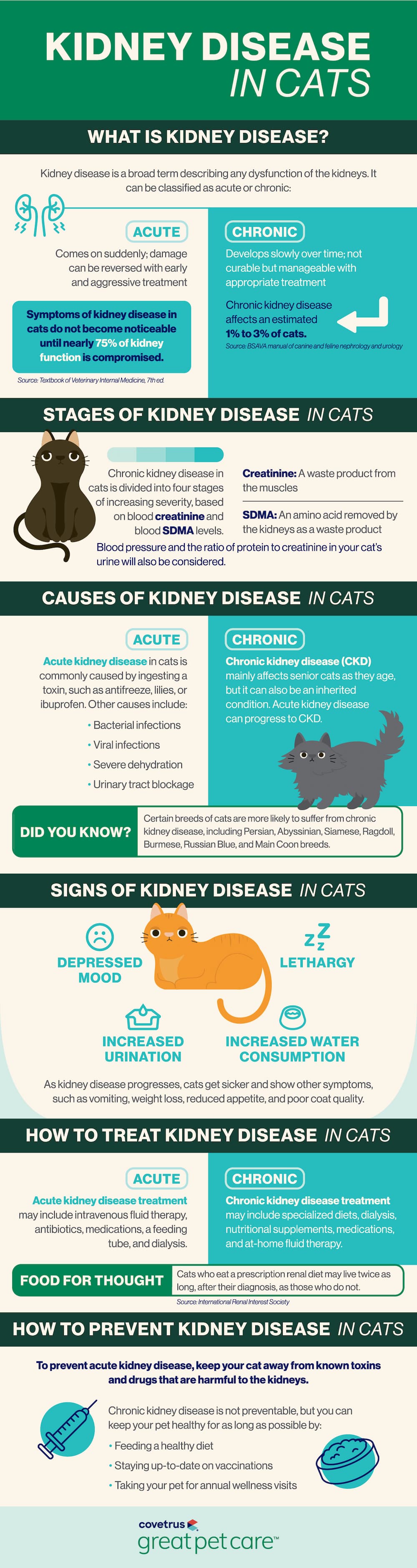
Chronic Kidney Disease (CKD) is common in older cats. Understanding its stages helps in managing the condition. Each stage represents a different level of kidney function. Knowing these stages guides treatment and care.
Stage 1: Early Kidney Damage
In Stage 1, the cat might not show symptoms. Kidneys are slightly damaged but work well. Regular vet check-ups can detect early signs. Blood tests often reveal this stage. Early intervention can slow disease progression.
Stage 2: Mild Kidney Insufficiency
Stage 2 shows mild kidney function decline. Cats might drink more water. They may also urinate more often. Blood tests show moderate kidney damage. A special diet helps manage this stage. Regular monitoring is crucial.
Stage 3: Moderate Kidney Failure
Stage 3 indicates significant kidney function loss. Symptoms become more noticeable. Cats might lose weight and appetite. Vomiting and lethargy are common. A tailored diet supports their health. Hydration becomes very important.
Stage 4: Severe Kidney Failure
Stage 4 is the most severe. Kidneys function poorly. Cats may suffer from severe symptoms. Appetite loss and weakness are common. Specialized care is necessary. Consult your vet for treatment options.

Credit: nutritionrvn.com
Dietary Management For Cats
Chronic kidney disease in cats requires careful dietary management to support kidney function and overall health. Tailored diets provide essential nutrients while minimizing waste buildup. Implementing home care routines, including regular vet visits and hydration support, enhances your cat’s comfort and well-being.
Dietary Management for Cats Dietary management is crucial in the care of cats with chronic kidney disease (CKD). A well-thought-out diet can slow the progression of the disease and improve your cat’s quality of life. It’s not just about what you feed them, but also how you adjust their eating habits to support their health.
Importance Of Protein Control
Protein levels in your cat’s diet need careful monitoring. High protein can put stress on the kidneys, leading to further damage. Look for cat foods labeled as kidney-friendly with reduced protein levels. Choosing the right protein source is also essential. Opt for high-quality proteins that are easy to digest. These will provide necessary nutrients without burdening the kidneys.
Low Phosphorus Diet
Phosphorus control is equally important in managing CKD. Elevated phosphorus levels can cause harm to already compromised kidneys. Check the labels for low-phosphorus options. Include phosphorus binders if recommended by your vet. These can help manage levels effectively and keep your cat comfortable.
Hydration Strategies
Keeping your cat hydrated is key, as CKD can lead to increased thirst and dehydration. Wet food can be a great option because it contains more moisture. Consider adding water to dry food or offering chicken broth to encourage more drinking. Just ensure that any additive is safe and approved by your vet.
Frequent, Smaller Meals
Adjusting meal frequency can make a big difference. Smaller, frequent meals are easier on the kidneys and can prevent nausea. Experiment with meal sizes and timings. You might find your cat prefers a particular schedule that suits their condition best.
Incorporating Omega-3 Fatty Acids
Omega-3 fatty acids are beneficial for cats with CKD. They help reduce inflammation and protect kidney function. Consider adding fish oil supplements if your cat’s diet lacks these nutrients. Always consult your vet to ensure proper dosage and safety.
Personal Insight: My Cat’s Journey With Ckd
When my cat was diagnosed with CKD, I felt overwhelmed by dietary changes. But adapting her diet improved her energy and mood significantly. Tailoring her meals based on her preferences made the transition smoother. Have you noticed how your cat responds to dietary adjustments?
Consultation With A Veterinarian
Always work closely with your vet when managing your cat’s diet. They can provide tailored advice and monitor your cat’s progress. Don’t hesitate to ask questions or seek clarification. It’s important to feel confident in your approach to your cat’s dietary management. By focusing on these dietary strategies, you can make a significant impact on your cat’s CKD journey. Taking small steps towards optimal nutrition can lead to happier, healthier days for your furry friend.
Home Care Tips For Cat Owners
Caring for a cat with chronic kidney disease can be challenging. Home care plays a crucial role in managing their condition. By understanding their needs, cat owners can improve their feline’s quality of life.
Ensure A Comfortable Living Environment
Provide a quiet space for your cat to relax. Reduce stress by keeping noise levels low. Soft bedding can help them stay comfortable.
Monitor Hydration Levels
Encourage your cat to drink more water. Use a pet fountain to make drinking appealing. Check their water bowl regularly.
Administer Medications Properly
Follow the vet’s instructions for medication. Use pill pockets to ease the process. Ensure they receive the correct dosage.
Observe Behavioral Changes
Watch for signs of discomfort or pain. Notice any changes in their eating habits. Report unusual behaviors to the vet.
Provide Mental Stimulation
Engage your cat with toys and activities. Interactive play can boost their mood. Rotate toys to keep things interesting.
Schedule Regular Vet Visits
Regular check-ups are essential for monitoring health. Discuss progress and any concerns. Adjust care plans as needed.
Maintain Hygiene And Grooming
Regular grooming can prevent matting. Brush your cat gently and frequently. Keep litter boxes clean to avoid infections.
Credit: www.greatpetcare.com
Frequently Asked Questions
How Long Do Cats Live With Kidney Disease Stage 2?
Cats with stage 2 kidney disease can live several years with proper care and treatment. Regular vet check-ups, a kidney-supportive diet, and hydration are crucial for extending their lifespan. Early detection and management are key to enhancing their quality of life.
Always consult a veterinarian for personalized advice.
How To Help A Cat With Early Stage Kidney Disease?
Provide a special kidney diet, ensure fresh water availability, schedule regular vet check-ups, and monitor symptoms closely.
What To Feed A Senior Cat With Kidney Disease?
Feed your senior cat with kidney disease a high-quality, low-protein, low-phosphorus diet. Include wet food to maintain hydration. Opt for prescription diets specifically designed for kidney health. Consult your veterinarian for personalized dietary recommendations and regular health monitoring.
What Is Stage 3 Kidney Failure In Cats?
Stage 3 kidney failure in cats involves moderate kidney function loss. Symptoms include increased thirst, urination, and appetite loss. Vet consultation is vital for managing diet and treatment. Early detection can slow progression and improve life quality for affected cats.
Conclusion
Caring for a cat with chronic kidney disease is crucial. Understanding the stages helps you provide the best support. Proper diet plays a key role in managing their health. Home care is essential for their comfort and well-being. Regular vet visits ensure you stay informed about your cat’s condition.
Keep an eye on any changes in their behavior or health. Early detection can make a big difference. Your love and care can improve their quality of life. Remember, small adjustments can have a big impact. Stay informed and proactive for your feline friend.

Hi, I’m Taylor Morgan, the heart behind CATWhisk! As a lifelong cat enthusiast with a passion for feline care and behavior, I focus on providing reliable, practical, and engaging advice to cat parents everywhere. From health tips to fun DIY projects, my mission is to help you and your whiskered companions live your best lives together.