
Have you ever caught your cat scratching more than usual or noticed something odd about their stool? These could be signs that your furry friend is dealing with an unwanted guest—worms.
Knowing if your cat has worms is crucial for their health and your peace of mind. But how can you tell for sure? In this guide, we’ll explore the tell-tale signs that could indicate your cat has worms. You’ll learn what to look out for, and why it’s so important to take action.
Don’t let these pesky parasites disrupt your cat’s comfort or your household. Read on to discover how you can keep your feline friend happy and healthy.

Credit: www.wikihow.com
Common Worm Types In Cats
Cats often suffer from worms like roundworms, tapeworms, and hookworms. Signs include weight loss, vomiting, and a bloated belly. Check your cat’s stool for worms or eggs to confirm infestation.
When it comes to caring for your beloved feline, understanding the common worm types in cats is crucial. These pesky parasites can significantly impact your pet’s health, yet they often remain hidden from view. Recognizing the signs and knowing what types of worms can infest your cat is the first step in ensuring their well-being.
Roundworms
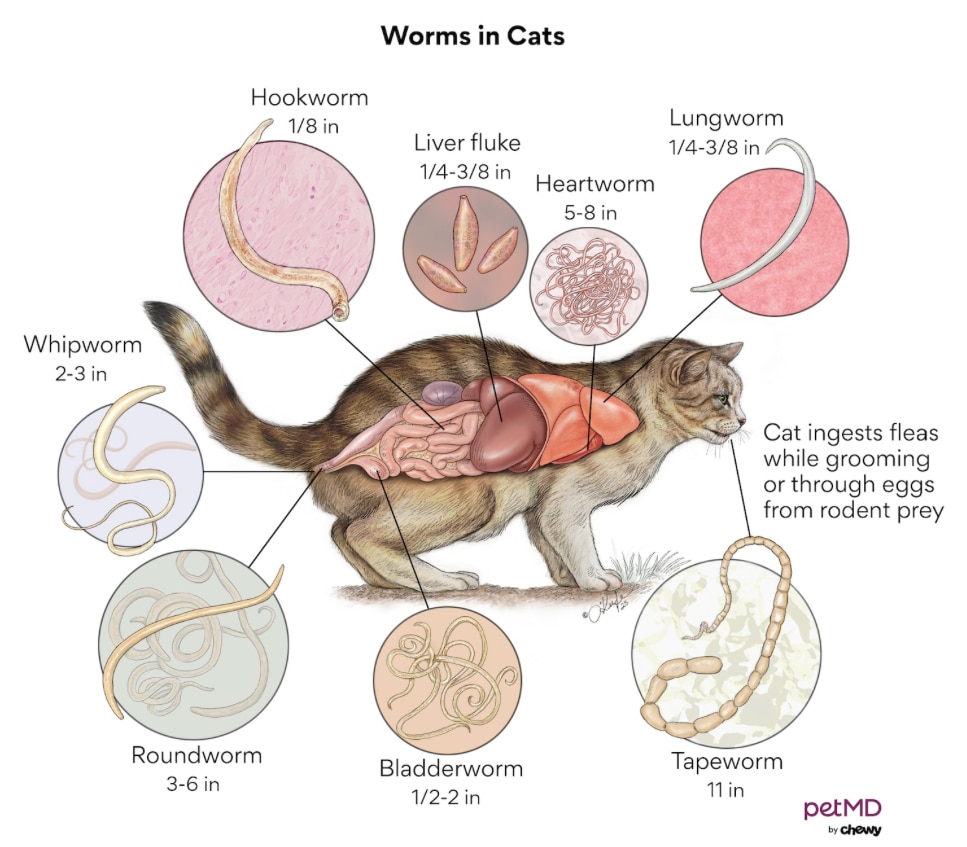
Roundworms are perhaps the most common type of worm found in cats. They resemble strands of spaghetti and can grow several inches long. If your cat has a swollen belly, especially if they’re young, roundworms might be the culprit. These worms can be passed to kittens from their mother or be contracted through contact with infected feces.
Tapeworms
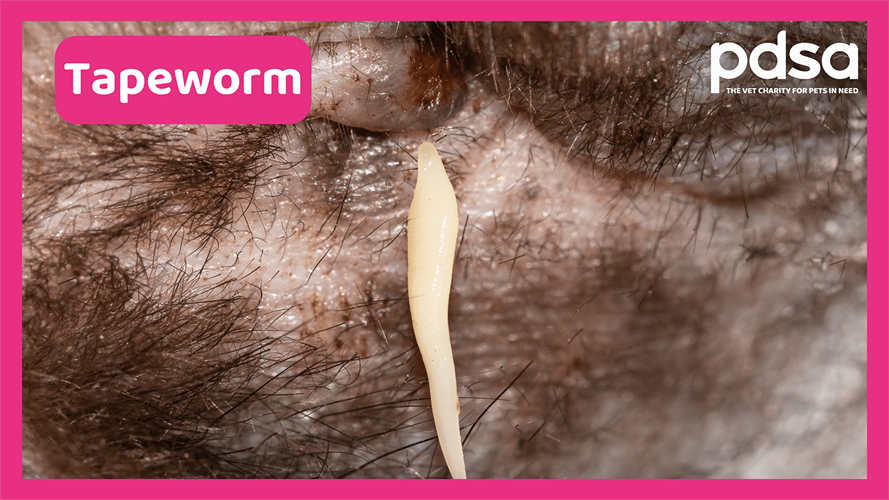
Tapeworms are notorious for their segmented bodies. You might notice rice-like particles around your cat’s rear or in their bedding. These particles are segments of the worm, and spotting them is a strong indicator of tapeworm infestation. Cats often get tapeworms after ingesting infected fleas, making flea control essential.
Hookworms
Hookworms are less visible but equally dangerous. They latch onto the walls of the intestines and feed on your cat’s blood. This can lead to anemia, causing your cat to appear lethargic and weak. If your cat is rapidly losing weight or showing signs of pale gums, hookworms could be at play.
Lungworms
Lungworms are not as common but are worth mentioning due to their impact on a cat’s respiratory system. If your cat is coughing or having difficulty breathing, lungworms might be the cause. Unlike other worms, lungworms can be contracted by consuming infected prey, such as snails or slugs. It’s essential to keep an eye on your cat’s behavior and physical condition. Have you noticed any unusual changes recently? Regular vet check-ups can help detect these worms early. Remember, the sooner you address the issue, the better for your furry friend’s health. Keeping your cat free from worms not only ensures their comfort but also protects you and your household from potential health risks.
Physical Signs Of Worm Infestation
Cats with worms often show signs like weight loss and a bloated belly. You might notice changes in their fur, which can become dull or rough. Watch for scooting behavior or the presence of tiny white segments in their feces.
Noticing physical signs of worm infestation in your cat can be alarming. Worms are common in cats, but recognizing the symptoms early can make a big difference in your pet’s health. Being observant can help you catch these signs and address them promptly.
Changes In Appetite
A sudden change in your cat’s eating habits can be a sign. Worms might cause your cat to eat more than usual or lose interest in food. If you notice erratic eating patterns, it’s worth considering a visit to the vet.
Weight Loss
Despite eating well, your cat may lose weight. This can happen because worms steal nutrients. If your cat looks thinner or feels lighter, it’s a sign to investigate further.
Vomiting
Cats with worms often vomit more frequently. You might even spot worms in the vomit. If your cat is throwing up often, it’s a red flag that shouldn’t be ignored.
Diarrhea
Worms can upset your cat’s stomach, leading to diarrhea. Persistent diarrhea, especially with blood, is a serious sign. Keep an eye on your cat’s litter box for any unusual activity.
Visible Worms
Sometimes, you can actually see worms. Check your cat’s feces or around their anus. Small rice-like segments often indicate tapeworms. Seeing these is a clear sign your cat needs treatment.
Bloated Stomach
A swollen or bloated stomach is another indicator. Worms can cause fluid accumulation, making your cat’s belly appear larger. Feeling your cat’s belly might reveal an abnormal firmness.
Excessive Scratching
Worms can cause skin irritation. If your cat is scratching excessively, especially near their rear, this might be due to worms. Constant scratching can lead to skin infections, so it’s crucial to address it quickly. Recognizing these signs early can help you take swift action. Have you noticed any changes in your cat’s behavior or appearance lately? Checking these signs can save your furry friend from discomfort and serious health issues.
Behavioral Changes In Infected Cats
Recognizing signs of worms in cats can be challenging. Often, behavioral changes are the first clue. Cats infected with worms may exhibit noticeable shifts in their usual habits. These changes are crucial in identifying potential health issues early.
Increased Irritability
Worms can make cats more irritable. Discomfort and pain often lead to mood changes. An infected cat may seem more aggressive. Or it might withdraw from social interactions. This shift in temperament is a sign of distress.
Changes In Appetite
Worms can affect a cat’s appetite. Some cats eat more than usual. Others might refuse food altogether. These shifts in eating habits signal a problem. Watch for unusual eating patterns. They often indicate an underlying issue.
Unusual Lethargy
Energy levels might drop significantly. An infected cat may sleep more. It might lack interest in play or exploration. Lethargy is a common symptom of worms. This behavior indicates the cat is unwell.
Excessive Grooming
Worms can cause skin irritation. Cats may groom excessively to soothe discomfort. Watch for over-grooming. It might lead to bald patches. This behavior signals a need for medical attention.
Frequent Vomiting Or Diarrhea
Digestive issues are common in infected cats. Vomiting or diarrhea may occur frequently. These symptoms indicate worms affecting the digestive system. Consistent occurrences require veterinary consultation.
Sudden Weight Loss
Weight loss is another sign of worms. Despite a normal diet, weight may drop. This is due to the parasites consuming nutrients. Sudden weight changes are alarming. They require immediate attention.
Credit: www.pdsa.org.uk
Credit: www.petmd.com
Frequently Asked Questions
How Can I Check My Cat For Worms At Home?
Check your cat’s feces for worms or eggs. Look for signs like weight loss, vomiting, or a bloated abdomen. Use a flashlight to inspect the anal area for visible worms. Consult a vet for a definitive diagnosis and treatment options.
Regular deworming helps prevent infestations.
How Do Cats Act When They Have Worms?
Cats with worms may have a swollen belly, diarrhea, weight loss, and increased hunger. They might vomit or have a dull coat. You may also notice worms in their feces. Seek veterinary care for diagnosis and treatment.
Can I Deworm My Cat Myself Without A Vet?
Deworming your cat at home is possible using over-the-counter medications. Always consult a vet first for proper guidance. Choose products specifically designed for cats to ensure safety and effectiveness. Monitor your cat’s health closely and follow instructions for dosage. Regular vet check-ups are recommended for comprehensive care.
Can An Indoor Cat Get Worms?
Indoor cats can get worms through contaminated food, fleas, or contact with infected animals. Regular vet check-ups and preventive measures can help keep your cat healthy and worm-free. Always monitor your cat’s health and hygiene to prevent infestations.
Conclusion
Spotting worms in cats is crucial for their health. Look for signs like weight loss, vomiting, or a bloated belly. Regular vet check-ups help catch worms early. Treating worms promptly prevents complications. Remember, a healthy cat means a happy home.
Keep your feline friend safe with proper care. Stay informed about common cat health issues. Your attention ensures your cat’s wellbeing. Worms are treatable, so don’t panic. Consult your vet for guidance and treatment options. Protect your cat from worms for a joyful and lively companion.

Hi, I’m Taylor Morgan, the heart behind CATWhisk! As a lifelong cat enthusiast with a passion for feline care and behavior, I focus on providing reliable, practical, and engaging advice to cat parents everywhere. From health tips to fun DIY projects, my mission is to help you and your whiskered companions live your best lives together.